Category: global apraxia

  • “She’s a puzzle” or…. she has dyspraxia

    “She’s a puzzle” or…. she has dyspraxia

    [wysija_form id=”1″]
    It’s no secret apraxia, dyspraxia, and developmental coordination disorder are not well known. Ask any parent, or heck, even any professional, and you will find out pretty quick few people really know what it is.

    Hey, I was one!  I was one of those professionals before my daughter was born. Here’s the thing.  I had my bachelor degree and masters degree AND my SLP CCC certification, and yet I had very few pages detailing apraxia of speech. Dyspraxia?  Developmental Coordination Disorder?  Pretty sure I never even learned those two terms.  My masters degree program taught us to research, but should I have really had to “google” to figure out how to treat a kid with apraxia?  Shouldn’t that have been addressed in school? Shouldn’t dyspraxia and developmental coordination disorder at least been given a shoutout like all the other rare disorders I had to remember including Fragile X and Rett Syndrome?

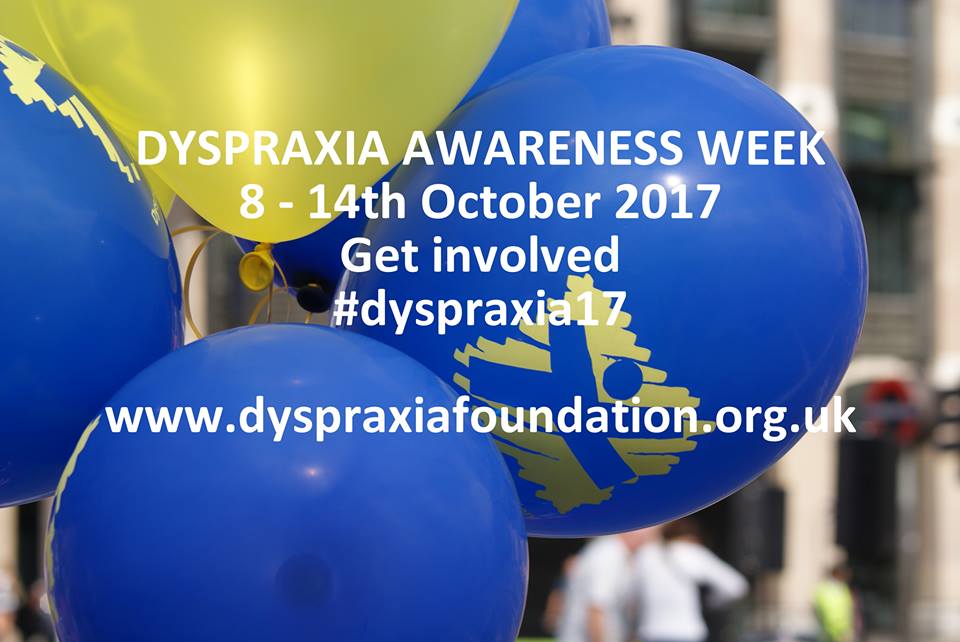
    I digress though.  THIS is why we need dyspraxia awareness week, this year October 8th through the 14th.  Oh, I should mention awareness week was started in the UK by the dyspraxia foundation.  I hope to carry it over here to the U.S., because just because my daughter lives here it doesn’t mean it’s any less prevalent. 
    When I took my daughter in for her first Child Find Evaluation, I remember the PT(physical therapist) telling me,

    “She’s a puzzle.”

    If you are a professional reading this like I was once, you probably didn’t think much about that last statement.

    “She’s a puzzle.”

    We all have one of those kids on our caseloads that we just can’t quite put our finger on exactly what’s going on; and part of the diagnostic process is testing a kid and finding out all the pieces to the puzzle to help develop the best treatment plan for the child.  Sounds about right.

    I can tell you though, hearing your child is a puzzle is quite frankly heartbreaking as a parent.  A puzzle is something you haven’t figured out yet.  As a noun, the definition of a puzzle is, ” a game, toy, or problem designed to test ingenuity or knowledge.” As a verb, the definition of puzzle is “to feel confused because they cannot understand or make sense of something.” So, with those two things in mind, think of how you might feel when professionals who treat children who exhibit similar problems like your child tell you “She’s a puzzle.”

    I don’t want professionals to tell me she’s a puzzle.  I don’t want to know that she’s so unusual that her very being challenged your knowledge, or that you are confused by her.  I mean seriously?  As I’m further on in this journey now, and as I’ve been able to talk to numerous parents nationwide who have a child with apraxia and dyspraxia, I can tell you she’s not a puzzle at all.  Her presentation, to varying degrees, is exactly the same presentation as other children with her disability.  This includes a high likelihood of sensory processing disorder and attention problems to name a couple. Despite this, I was still told last week by someone that her attention issues are a “puzzle.”  Sigh

    This fabulous research article probably puts it best in their opening statement positing,

    Dyspraxia is an enigma to many people, both professional and lay alike

    Enigma now!  It’s ridiculous if it weren’t completely true.  Dyspraxia IS an enigma to both professional and lay people alike.  Listen, the only puzzle, or enigma that I can see after being on this journey for about 5 years now is this.  It’s puzzling THAT PROFESSIONALS IN THE FIELD don’t know about apraxia and dyspraxia.  Now THAT is the puzzle.  I’m including myself friends.  I’m not exempting myself.  How is it, that according to some data it’s prevalent in as high as 10% of the population, yet my daughter is “a puzzle.”  There’s something wrong with that.

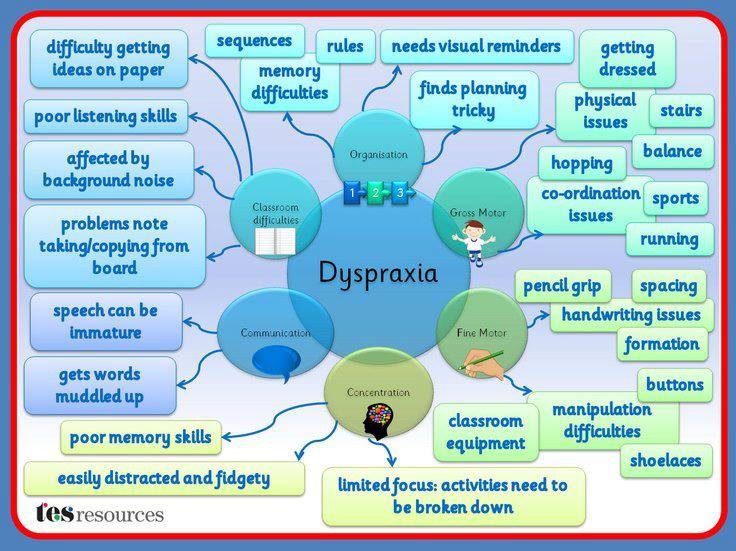
    A simple google search of dyspraxia, apraxia, and dyslexia though will reveal a list of symptoms that are exactly what my daughter has and experiences.  She’s not a puzzle at all.  She fits in all the little boxes of these graphics completely, like the one below. I could quite literally check every…single….box. I guess all the separate boxes resemble a puzzle, but if you put them together they all fit perfectly to complete that big box in the middle: dyspraxia.
    Ultimately though, this article is more than a rant.  This is a dyspraxia awareness post and this is what I want to see.  I want to see these disorders as understood and as well known as other relatively rare global developmental delays like Down Syndrome.  When a professional hears the word “Down Syndrome,” I can guarantee a list of characteristics common to those with DS will pop into their head.  There are always varying severities of course; but a professional is going to know what to expect and be better equipped to help them.

    I hope there is a day no other person with dyspraxia is told they are a puzzle or an engima and instead is greeted with, “Oh dyspraxia?  Okay.  We know exactly how to help you.”
  • You know you need awareness when you know more than the “experts.”

    You know you need awareness when you know more than the “experts.”

    About a year ago I switched insurance from my husband’s to mine, in order to leave no stone left unturned.  I know that kids with apraxia can have some sort of positive indicator on a brain MRI, or genetic marker.  I had yet to do any of that testing, and so I decided this was the year to do it.

    My husband questioned why.  Is there a reason to know? Will it change anything?  Well, in some very small cases, people have discovered things that have been helped, but most likely the results would not yield anything.  My husband again questioned why.  Would it change the treatment plan?  Therapy plan?  Long term prognosis?

    “Probably not,” was my reply, but honestly, I just had to make sure.  I have to look in her eyes every morning and every night as she struggles through every daily living task and educational task. I have to pray most days to check my patience because many things she does is not her fault.  So yeah, I also have to be able to look at myself  reflected in her adult eyes someday and tell her with complete honesty,

    “Ashlynn, I did everything I knew in my power to do, to help you.”

    I have to be able to say that.  Yes it cost thousands of dollars and I’m on a payment plan for those medical bills now, but it’s worth it.  Everything came back negative and it’s STILL worth it.

    I’m not here to cry and moan though.  If you have a child with apraxia you are just as much in the hole as me.  No martyrdom here.  What I DO want to talk about though, is neurology.

    I went to the Children’s Hospital of Denver.  Well respected, popular hospital.  I took her to neurology and the first appointment went exactly as expected.  Exam and then orders for an MRI and genetic testing.  Pretty standard with Ashlynn’s presentation.  We only found out our neurologist was a resident when the supervising doc came in for a review.  Nice.  I guess it’s no big deal, but it would have been nice to know our appointment was with a resident. Maybe that’s not common, I don’t know.

    The second visit was a follow up visit.  I already knew the MRI and genetic testing didn’t yield anything remarkable.  I was there to see what their dx would be.  Our resident neurologist did her exam and then a different supervisor came in. She did a few things with Ashlynn, and then, as though I wasn’t even in the room she proceeded to tell the resident that “she doesn’t have apraxia” among other things.

    I think I sat in my chair in the twilight zone for a minute.  My head shifted back and forth between the two as I struggled to process what had actually been said.  Did that woman just say Ashlynn doesn’t have APRAXIA???

    “Um…wait.  Yeah, I’m sorry.  Did you just say she doesn’t have apraxia or oral apraxia?  Ask her to close her eyes on command.  She can’t.  Ask her to spit out some water…she can’t. Ask her to smile on demand, she can’t.  Oh, and if you don’t hear her speech apraxia, I am more than able to take you through a motor speech exam quickly.”

    The supervisor did many of the non-speech things I recommended.  She saw, as I said, Ashlynn couldn’t do them.  She then looked at her resident, again as though I wasn’t in the room and commented, “Oh, is this the SLP?”

    “Yes, I’m an SLP that specializes in her disorder,” I responded for the resident.  “Would you like me to take you through a motor speech exam?” I reiterated.

    She told me that wasn’t necessary and changed the subject to the next course of action.

    People.  WTF?

    You ALL know just as well as I know that if I WASN’T an SLP, that neurologist would have told the parent ASHLYNN doesn’t have apraxia.

    Ashlynn has been in therapy since before 3 and has a mom as an SLP!  She is now almost 8!  My God, I would HOPE she has improved.  WTH is wrong with people??  This is a DOCTOR for CHILDREN’S HOSPITAL NEUROLOGY.

    Sigh

    This is why I say and will ALWAYS say, you the parent are the expert on your child.  It sucks right now because parents seem to know more about apraxia and dyspraxia than experts.

    I have a client who has a son with apraxia and dyspraxia.  Apraxia was officially dx by me, so she asked where she should got to get the dyspraxia dx.  I recommended a neurologist.  She found herself at Children’s Hospital too.  Different neurologist.  She point blank asked if her son had dyspraxia and his answer was,

    Do I look like a therapist?

    My dear readers, therapists don’t diagnose dyspraxia or developmental coordination disorder!!!  It’s a DOCTOR who does this.

    I absolutely hate that we as parents know more than the professionals, but you guys, we do.  I say that AS a professional too. That is why awareness is so important to me, but right now we have to be the experts on our children!

    Don’t stop.  Don’t accept any “expert” opinion just because they are an “expert.”   Don’t be afraid to ask questions.  Dig for answers.  Listen to your gut, because you DO know your child better than anyone.

    Advocate.

    Don’t blindly accept “expert” opinion.  Value your own.  You are a parent and that makes your an expert on your child.

    Remember that.

  • What is Adam’s Camp in Colorado?

    What is Adam’s Camp in Colorado?

    I have known children who have attended Adam’s Camp in Granby, Colorado; and usually their needs were related to Autism, Down Syndrome, or Cerebral Palsy.  It has an incredible reputation. Children who have attended this camp during the summer, have a full packet of goals and progress written by their therapists to take back to their school district and private therapists for the coming year.  It is always a very impressive bunch of paperwork.  I had never considered sending Ashlynn until I talked to a mom of a client of mine who has global apraxia and who has been attending now for at least 3 years.

    The kids attend a 5 day camp in the mountains at a YMCA in Colorado, and they have therapy every day with a  team of therapists that include: speech, OT, music therapy, art therapy, and a SPED teacher.  In addition to this multi-disciplinary team approach to therapy, they go on fun outings that include: canoeing, swimming, tubing, horseback riding, and rock wall climbing.

    I couldn’t wait for Ashlynn to have this experience.  They have different weeks tailored to different disabilities.  The global developmental delay group was full, but they found and opening for us on Down Syndrome Week and said there would still be kids with other disabilities.  I was a little hesitant, only because Ashlynn doesn’t have Down Syndrome.  lol.  However, Ashlynn doesn’t really fit in anywhere.  She has these major needs that require all those therapies, but she doesn’t have DS, or Autism, or CP.  I said yes.  Honestly, humans with Down Syndrome and Ashlynn have a lot in common; namely, their above average emotional intelligence.

    So here we were!  I rented a campsite because it was cheaper and had my husband haul our travel trailer up here, set us up in the campground, and then he drove back down to Denver to go back to work.  I didn’t realize it, but this campus is HUGE!  I NEEDED a car.   I hitched a ride the first day and then had my parents bring up a spare for me to drive while I was here!  It was quite the drama getting settled!

    Adam’s Camp was founded by a woman who had triplets back in the mid 1980’s.  One of them died shortly after birth, one of them, Adam, had CP, and the other was a typically developing child.  She felt the need to have a camp where all therapists came together to treat the child, but she also recognized the unfortunate and unintended negative impact on a sibling to a child with special needs.  They truly get the short end of the stick.  So, Adam’s Camp has an amazing siblings camp that is reasonably priced staffed by excellent, experienced teachers who are nothing short of A-MAZING.  Let’s put it this way.  I was more worried about my neuro-typical son at camp than I was Ashlynn!  He is very challenging and pushes every boundary. Also, he is very independent, opinionated, and moody; so if he doesn’t like something, we ALL are going to hear about it!

    My worries were completely unfounded.  Both kids had an AMAZING experience.  Absolutely exceeded ALL expectations.  I cannot say enough about this camp.

    Jace’s sibling camp was more than just fun.  It was therapeutic for him as well.  Kids get to talk about their difficulties and hardships within the family dynamics as part of their “therapy,” and then they also get to do super fun outings.  Jace did most of the things Ashlynn’s camp did plus roller skating, go-Karts, and more.  My son got therapy at a summer camp for being a sibling to kid with special needs….like how groundbreaking and amazing is that???

    Finally, parents’ emotional needs and well-being are also factored in and considered into this experience.  Adam’s Camp sets up a variety of parent activities that they offer for free, including a parent’s night out!  So many parents of kids with special needs find childcare hard.  Their marriages suffer and they don’t get many opportunities to be just a couple again.  Adam’s camp recognizes this as well.

    They really, REALLY have their pulse on the entire familial dynamic related to having a child with special needs and do their best to provide this amazing and holistic approach to every member of the family.  I’ve never seen anything like it honestly.

    I can’t wait to write more about their experiences.  I can’t do it all in this one blog post.  Long story short though, is if you can go to Adam’s Camp, DO IT.  More to come.

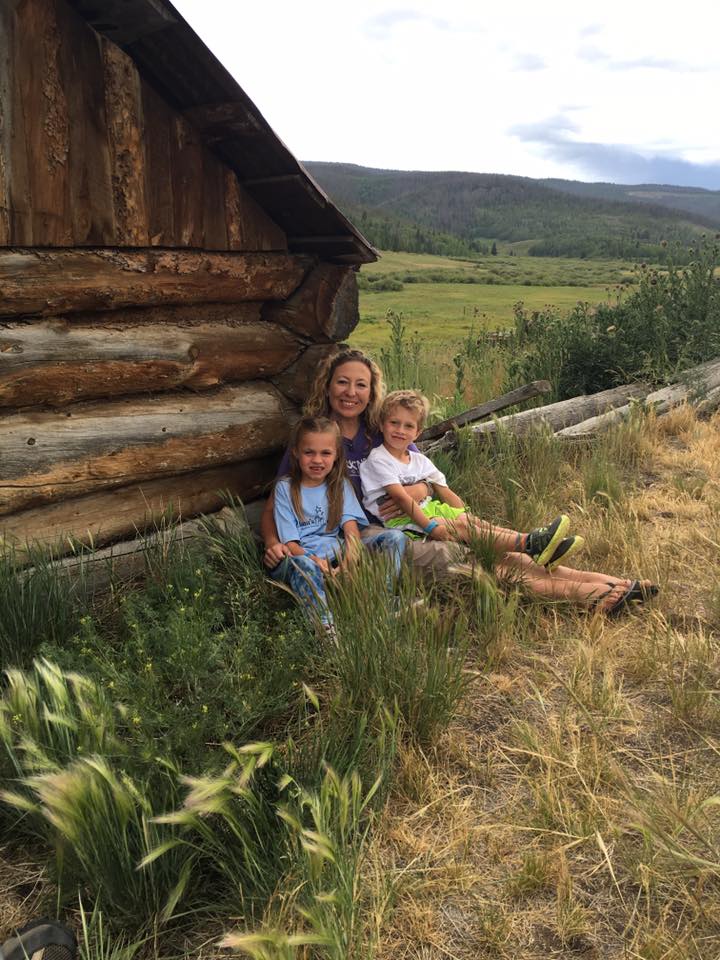
    Professional and FREE photos taken as part of the experience.
    I love you both with a love that has no bounds. I would breathe my dying breath for each of you. I know you have special challenges that each of you face, but I hope you also know you never have to face them alone.
  • That’s not acceptance, that’s discrimination

    That’s not acceptance, that’s discrimination

    “That’s not acceptance, that’s discrimination.”

    I watched a fellow apraxia mom say this today while she wiped tears from her eyes.  Why?  Well, she was looking at a beautiful newspaper article in the Valley Breeze that she bought special.  She knew it featured her seven year old son who threw out a first pitch along with two other children that day, and couldn’t wait to see his picture and read about it.

    She knew he would be in it, because the paper made a big deal to take his picture, make his mom sign a photo release, and took down some information.  Her son has severe apraxia and dyspraxia, conditions that make it difficult for children to learn how to speak and how  to literally learn every single motor movement, causing significant developmental delays.  Her child has the same condition as MY child.  He has to work about 1000x harder than ANY other kid to learn how to do something others find so easily like talking, running, cutting….and he does through HOURS of therapy.  In many ways, he sacrifices a normal childhood because of all the therapy, so you can imagine how special being in a baseball little league feels to him, even if it is the “challenger league” for kids with disabilities.   Our kids don’t get a lot of “awards” “accolades” or even opportunities to feel good at something.  It’s heartbreaking. They struggle with everything.

    So that’s why throwing out the first pitch alongside two other children was an incredible day and Kendra couldn’t wait to see his smiling face in the paper.

    As she opened it up, her eyes first scanned the pictures.  Her smile and excitement quickly faded to confusion and disbelief.  Where was her son?  There were the two other kids.  The “typical” kids who threw the first pitch alongside him.  In fact, there was not just one but TWO pictures EACH of the children.  Maybe there was some mistake?  Maybe he was on another page? I can imagine her looking at the page before and the page after, yet, Talan was not anywhere to be found.  In fact, though the other little league team was pictured, NOT ONE CHILD from the challenger league was pictured, and THAT my friends is why Kendra came to say,

    “This is not acceptance.  This is discrimination.”

    How is this possible in 2017?  I mean seriously.  It’s not even special treatment to feature Talan.  All Kendra wanted was equal treatment.  Every child who threw a pitch was featured EXCEPT for Talan.  That is not an honest mistake.  This is blatant discrimination.

    Every child, disability or not, is still a child.  They want to feel accepted.  They want to feel proud.  They want to feel included.  They want to have friends.  They feel happiness people and yes, they FEEL sadness too.  The message is clear.  He doesn’t matter as much as the typical kids.  He doesn’t have as much to offer. Despite taking his picture and his information, it wasn’t worthy of being featured.  Oh well, he doesn’t talk right?  He’ll never know.  Oh well, he can’t read, let’s feature the kids who can.  It’s not like Talan will know the difference right?

    “This is not acceptance.  This is discrimination.”

    I write this piece for Kendra, because sometimes it feels like no one cares.  Like our kids don’t matter, so we have to care about each other because if we don’t take care of each other, no one will.  It’s so hard to get people to care, and it’s easy to silence our kids because they didn’t have a voice to start with.

    How screwed up is that?

    “This is not acceptance.  This is discrimination.”

    Letting him throw a first pitch, taking his picture, and writing down his information to NOT feature him alongside his typical peers is egregious.  Valley Breeze, you know what you really missed out on?  A chance to feature a beautiful piece on children of all challenges  playing and living harmoniously.   We aren’t asking for special treatment.  We are just asking to be included and have this world appreciate and include children and people of all walks of life.  This piece would have been the PERFECT opportunity to do so, but instead, the Valley Breeze chose exclusion and discrimination.

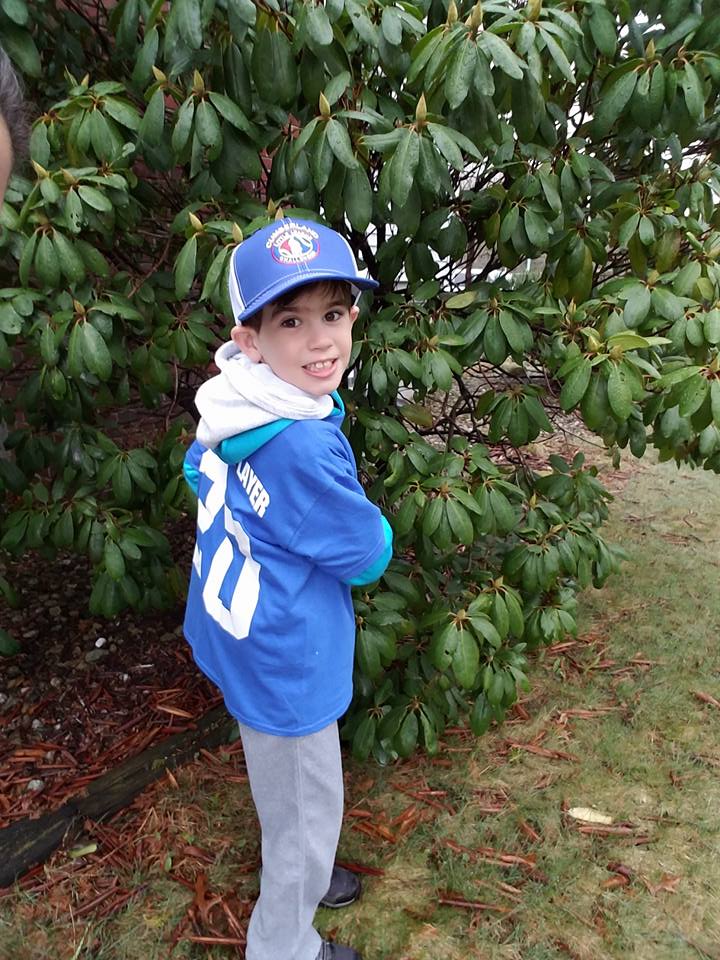
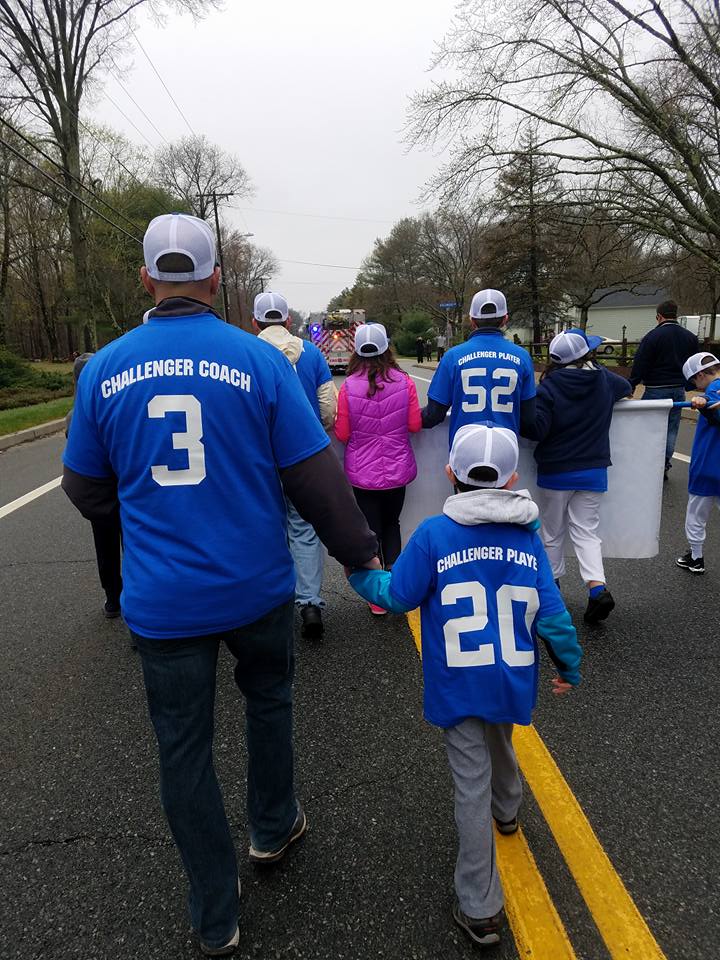
    Shame on them.  So guess what.  I’ll do what the journalist at the Valley Breeze failed to do.  I’ll feature Talan and his teammates on the Challenger League in Cumberland Rhode Island.

    The Challenger League sign is “Never Let the Fear of Striking out Keep you from Playing the Game.”

    Way to go kids and let’s make it a great season!  We see you!  We love you!  We’re cheering for you! Go baseball!


  • Apraxia, special ed, and grad school.  One woman’s remarkable tale.

    Apraxia, special ed, and grad school. One woman’s remarkable tale.

    One day I was perusing The Mighty to see if any new apraxia articles had been posted, and I ran across an article by Kelsey Belk, a graduate student studying to be an SLP.  I was so inspired by her article I just had to reach out and thank her.  I found her on facebook and saw that she was currently attending the University of Northern Colorado! I live in Colorado! Can anyone say coincidence, and as a reminder, you all know I believe they are signs and so I took it as a green light to contact her.

    Kelsey, thank you so much for writing that article!  I plan to save it and have Ashlynn read it one day.

    Let’s start with what you remember about speech therapy? When did you know you had apraxia?  Do/did you have any co-morbid disorders aside from apraxia?

    I was diagnosed at age 2 with apraxia. I also was diagnosed with SPD and dyspraxia in my early toddler-hood age as well. In late elementary school I was diagnosed with ADHD and Oppositional Defiant Disorder.  As I am getting older I keep getting diagnosed with more psychiatric and learning disorders. I really want to do research on the possible relationship between childhood apraxia and a later diagnosis of psychological conditions!

    What was your school experience like?  Could you tell us how you did academically and if it affected you socially?

    I have always been a very highly motivated student and am a huge social butterfly – I actually cannot stand the idea of being alone. In elementary school I did rather well with the accommodations the school provided. It wasn’t until later that I realized how big the gap was between my peers and I, especially in reading and writing for me. In high school I started to receive worse grades and this really negatively affected my self-esteem because I didn’t understand why. I felt like I was putting in double the effort than my friends, but always got worse grades. This is when I went back to get more accommodations and was re-evaluated and was told I had all of the same results as a severe dyslexia case, only was able to read rather fast therefore my poor decoding/reading/spelling/phonological awareness was tied to my apraxia. Ever since then I have been receiving extra help such as a note-taker in class and all my books on an audio file. It is not perfect, especially in college. Most of my peers will skim read, but I cannot do this and have to sit and listen to the entire 100 page textbook chapter – but it still makes it much easier than without the accommodations. Overall I have been very successful in school, but it has definitely been a huge struggle.

    My social life is more difficult to describe due to some of my co-morbid diagnoses that affect social relationships. In elementary school through high school I had amazing friends, although seemed to change friend groups frequently to find these friends. However, I also had really negative relationships. I was terrified to talk to adults because they could never understand me – which affects me to this day. Kids were always carefree and often did not even notice a difference. I did have some bullies though – I remember particularly having kids make me repeat things I could not say (like rabbit and railroad). I did really well to not let this get to me though! When I got to college I met all these new people from all over the world. This led to more issues with people not being able to understand me, and I often got asked “where is your accent from?”. I never had an issue making friends growing up or now, but I do have issues with some of the less accepting people. But, it showed me who the good people were and has allowed me to make amazing genuine friends that I may not have found otherwise!

    How has apraxia affected your life?  Do you still have residual struggles?

    Apraxia has definitely shaped me to be who I am.  When you have to put in so much effort just to play “catch-up” at school, it will definitely change you. I had one speech therapist that I loved, but many I did not like which made me not like school on speech days. It has affected me academically and socially, as described above. I am lucky to have had great support systems growing up that allowed me to succeed academically and made me want to go to college. I know that this is not the case with many special ed kids, because you just get so burnt out. It is exhausting to act “normal”. Even to this day I don’t think my professors understand that half of my cognitive energy goes to my talking clearly, focusing, and reading – so in class when I have to take breaks I really need them. I get home completely exhausted everyday, and then have to focus on homework. People forget that disabilities don’t disappear, and it is a constant struggle. I definitely have residual struggles, like mentioned I get asked where my accent is from or I am asked to repeat myself often. Most noticeably, it is in my reading or SLP tasks, because that is what I am studying. Apraxia has greatly affected my self-esteem – I refuse to talk on the phone, get defensive quickly about my speech, and still get scared to make presentations/talks. Last year I decided to go back to speech therapy to try to fix these speech errors, and made some progress on the ‘ai’ vowel however I am to the point I am just going to accept these speech errors as part of me.

    What made you want to become a speech/language pathologist?

    I always wanted to work with kids, but did not really want to be a teacher. I became very interested in this field and just stuck with it! I particularly love the Deaf/hard-of-hearing population. I think it is great to help someone communicate – as social connections are so important. I also have felt that the current model is not often what is best for the child – and I hope to change that. I feel like this field overlooks mental health way too often, even though it is so hard being a child who is different. I hope to work to combine the two fields more to help children succeed in every part of their life – most importantly making them feel valued and happy. I also think we often assume that children need to be like ‘us’ – look like us, talk like us, walk like us, etc. I don’t think this is always the case. I think it is important to see the child as an individual and help them succeed in the modality best for them. For me, I need accommodations such as audio books – no amount of therapy would fix my problems. For some kids this may be ASL or an AAC even, so I hope to change the view so speech therapy is actually centered around the kid.

    My daughter is 7 and currently struggles with what seems like every motor task.   What advice would you give her and all the other kids who struggle with apraxia and related learning disorders?

    I think it is important to not compare yourself to others. The school system is set up to where everyone is pressured to be at this perfect level – but that is not real life. In real life everyone has strengths and weaknesses. I know that I will always have weaknesses in these areas – and it will always come back (such as driving – it is so hard!). But, I also have learned to find my strengths – which are ones you probably share. I learn to persevere – when someone tells me I can’t so something I work as hard as possible to show him or her I can. I am creative – having disabilities makes you find new and creative ways to complete tasks. And most importantly, I gained strength in having empathy. This one seems so simple, but is one so many people lack.  Just remember to never give up – I did. I dropped out of speech in 6th grade because I wanted to be normal and I regret it. In the words of Taylor Swift, “haters are gonna hate hate hate”. Don’t let other people get you down, do it for yourself! Whatever you accomplish in life will be perfect, as long as you keep loving yourself for who you are.

    What advice do you have for parents?

    Accept your child for who they are. Yes it is good to practice correct motor tasks and speech at home, but also remember they are kids! They need a break and need to be able to talk to you without being corrected. Find a balance between the two. Let your child make decisions too – explain the IEP to them and let them give their important in what they want to learn and work on. And do not be ashamed to seek out mental health help (if needed)! There is absolutely nothing wrong with therapy; it can help your child grow in self-esteem and self-confidence. Also remember to not put all the pressure on yourself, you child goes to an SLP/OT/PT/specialist for a reason, just enjoy being a parent!

    There is so much good advice in here Kelsey! Thank you so much for your candor and honesty.  You sound so much like my daughter.  She’s a huge social butterfly too, and works harder than everyone else around her.  You give me so much hope for her!


  • It’s like juggling 8 balls at one time desperately hoping one doesn’t roll away

    It’s like juggling 8 balls at one time desperately hoping one doesn’t roll away

    There is not one day that goes by I don’t think of Ashlynn’s disability (ies).  As a basis of comparison, I have my four year old son.  He has some concerning behavior issues, and I do think (worry) about them often; however, I do not think of it EVERY SINGLE DAY.

    Apraxia and dyspraxia make that impossible.  There is always something else to worry about.  Something else in which I don’t feel like I’m doing enough.  Let’s take speech.  Her speech is intelligible (hallelujah praise Jesus my baby has her voice); however she also has dysarthria, which makes her overall speech slower, and she has a language processing problem heaped on top of that, which makes it extremely difficult to express herself, even though when she does you can understand her now.  She also has a lisp, which is pointless to work on right now because she doesn’t have her two front teeth.  That will wait, but it’s still on the  “to do” list.

    Oh, but then there is dyspraxia and it involves motor planning issues with gross and fine motor skills, which in turn, affect ALL of her ADL’s (Activities of Daily Living). This includes: dressing, toileting, feeding, hygiene, getting her shoes on the right freaking feet, putting on her pants that aren’t backward, brushing her teeth without it ending up all over the counter, or showering and actually coming out of the shower cleaner than you went in.

    I make her do all these things first independently, despite it taking 3x longer than her brother who is almost 3 years younger.  It would be so much easier to just get her dressed or brush her teeth for her, or shower her;  but I know with motor planning, EVERYTHING is going to take about 1000x more repetitions and because of that, I can’t let her slack.  I can’t do it for her.  I have to watch her struggle and sometimes cry for me to help her, and force her to do it because I know she can.  There are nights it breaks my heart when she begs me to just help her put on her shirt and I tell her no.  I tell her no for her own good.  I know it’s hard, but the brain has more plasticity now and she has to learn how to do these things, and the only way to get better is to do it herself over and over and over.

    I think about stuff down the road.  How the heck is she going to ever be able to do her hair?  She can brush it, but how do I teach her how to get it in a hair tie?  These things will never come easy for her.  She can’t even put a headband on straight. Should I buy a bra for her now and have her start practicing?  The list goes on and honestly, at times, it seems endless.

    I attended an executive functioning training recently, and many kids with global apraxia are going to have issues with executive functioning.  They just are.  Ashlynn is one of them.  There are things to do to help. A lot of things actually, but they need to be put in place.  A lot includes visuals, visual aids, etc.  I sat through the entire training thinking about application to Ashlynn (I was there to apply it to my students in the classroom).  I started stressing that I’m not teaching her these skills and if I don’t, there is only so much the school can do and she will be a mess as an adult.  I need to start working on that.

    Oh..but she has homework, and we need to work on that too because like with everything else, she needs about 1000x more repetitions than a peer and we are the only ones to help her get those reps in.

    Seriously, I just don’t know if there are enough hours in the day. I texted another apraxia mom and I knew she would get it and wouldn’t judge me.  I was right.  She responded,
    “There isn’t a moment that passes.  I hate how consuming it is.  I sometimes feel paralyzed by it.”

    She reminded me that our kids our capable, but they require the BEST of us constantly to be successful.

    She’s right.  All of it.  So here we are.  It’s all consuming. I said not a day, but she’s right, it’s not a moment passes without being reminded Ashlynn has global apraxia.  It’s not one area that’s affected.  Sometimes I wonder what it would be like to just worry about the speech, or just worry about the motor skills, or just worry about homework or just worry about executive functioning, or just worry about language processing.

    That’s not to downplay all the kids who have one or a couple of these problems, but it is to say that each problem adds an additional weight to my shoulders and sometimes it feels like I’m juggling 8 balls in the air and working desperately not to have any fall and roll away.  How do I keep them all in the air?  There is no answer….there is only what Michelle said…this disorder requires the best of us and not just sometimes, but CONSTANTLY so that we can be sure our children our successful.

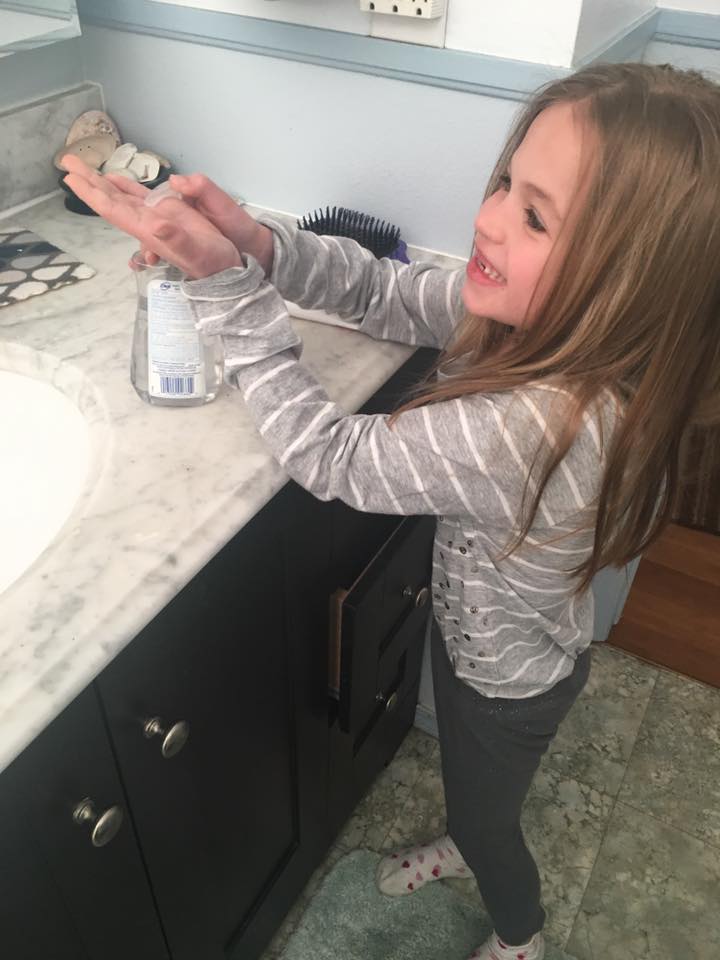
    Taking pictures for a visual schedule to remind Ashlynn of the steps to going to the restroom.