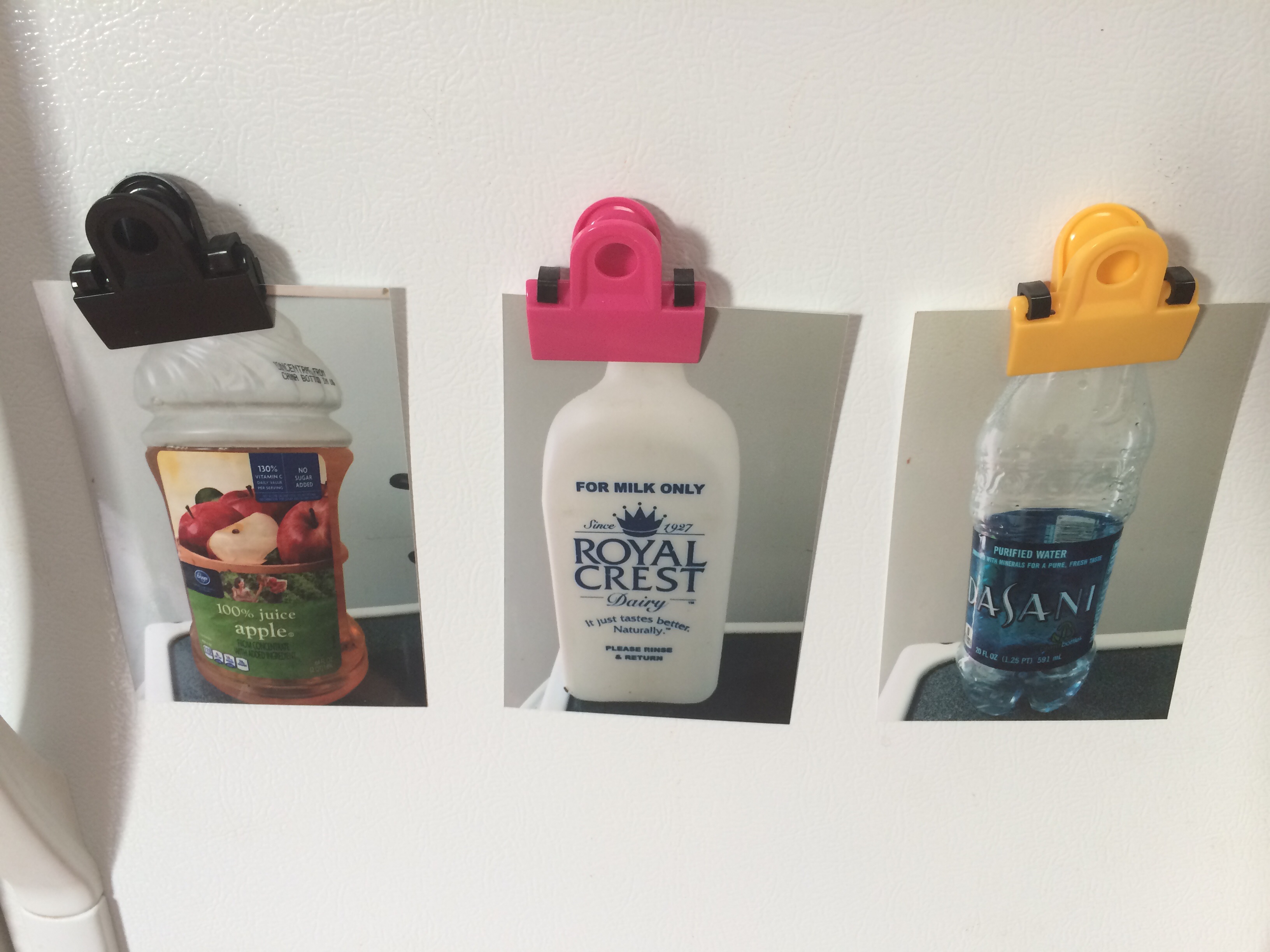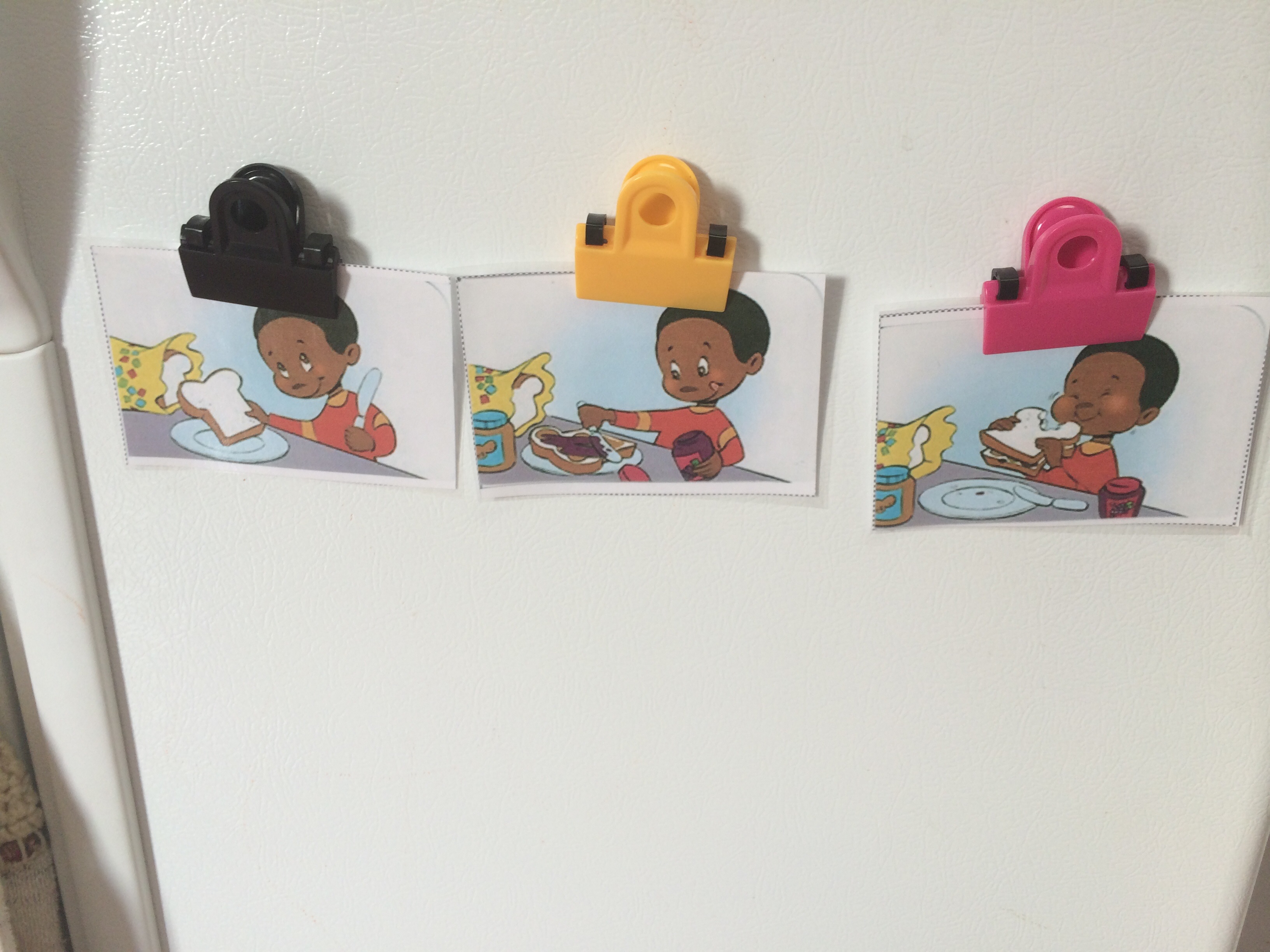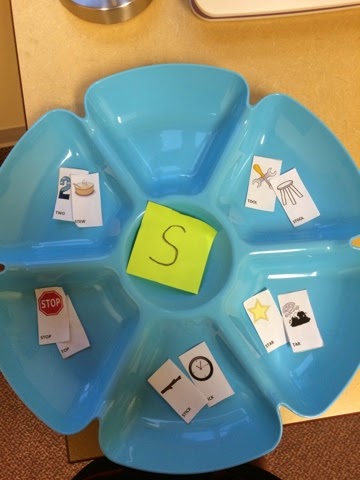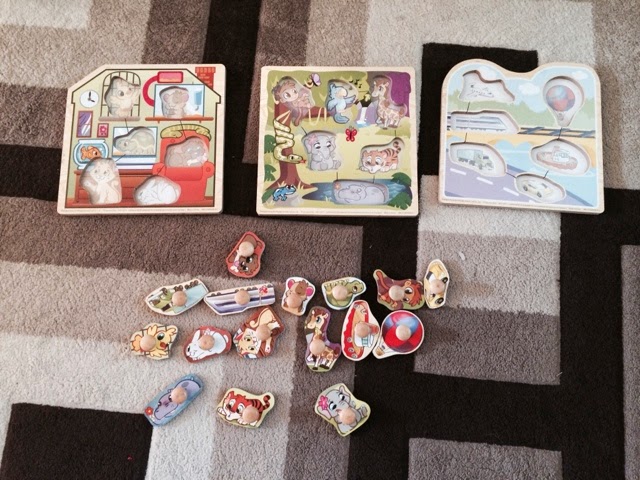
The great thing about speech and language, is that it a task that can be worked on in any activity. Familiar routines in the home provide the perfect platform for encouraging speech and language, because this “routinized language” is predictable and context based.
A fellow SLP and mommy of apraxia, Kim from Landonjourney.blogspot.com and I teamed up for Part I in my series of parent strategies to promote speech at home. We wrote a list of some of the most effective strategies to encourage early speech in the pre-verbal child, including those with Childhood Apraxia of Speech (CAS). Part II in the series will focus on strategies for the verbal child with CAS.
Parents ask a lot, “How do I get my child to practice speech at home?” Well, we are here to tell you, you don’t need worksheets and flashcards. Basically, with kids who are minimally verbal, we look for opportunities to model and encourage functional language. Functional language refers to language the child is more apt to use frequently throughout their day, or may be highly motivating to them.
With kids who have apraxia, not only do we think just about functional language, but words that also contain simple syllable structures. These are some of our favorite strategies and targets and how we incorporate them:
Powerful motivators:
As moms, Kim and I know that when you have a child who is nonverbal, you anticipate their needs for them. After all, our babies can’t tell us when they hurt, or where they hurt if they are crying. They can’t tell us they’re hungry or thirsty; and if they have global apraxia like our kids, they may even have trouble pointing to communicate to us that way. However, as SLP’s we know that kids need to be motivated to communicate. If we keep anticipating their needs, they never have a reason to really force themselves to try at something they know is hard for them anyway. As the parent, you are truly the best person to encourage them to try, even when it’s hard.
Teach and pair signs with a verbal model:
Some worry that teaching sign will inhibit speech; however, as long as you make sure to always pair sign with verbal models and give verbal reinforcement after the child uses a sign, sign language can be a powerful bridge to helping the child say it once they begin speaking.
- “help” “more” “go” and “bye” are good beginning signs to teach. Always provide a verbal model when you sign to your child, but encourage your child to sign, and reinforce any attempt by repeating the word and modeling the sign before giving your child what they want.
Cloze activities:
- Cloze activities are great for our kids with CAS because their mouth/body gets ready to respond, and the response is familiar. It reduces cognitive allocation and helps get the motor plan “set.” We do cloze for everything.
- “Turn the music (pause) ” on, and wait for “on.”
- “Ready, set (pause)” go! We do “go” at every green light and I start the sentence and he tries to finish it. This has helped him feel more success at speaking “on command.”
- “One, two _____” three!
- Sing nursery rhymes and pause before the last word. Ashlynn and I would sing “The Itsy Bitsy Spider” and “The Wheels on the Bus” and I would pause before some words that had simpler syllable structures. For example “down came the rain and washed the spider (pause) out.” or “The wheels on the (pause) bus go round and round.”
- Read repetitive story books, pausing before the predictable repetitive words. To read more about repetitive books and to get a free download on how to use them visit my on repetitive books that are great for apraxia.
- Keep reading for more cloze ideas.
Require your child to respond to your yes/no questions:
- assessing your child’s understanding (i.e. Do you want to go outside?) can often be done with simple yes/no questions before your child is verbally able to respond more.
- I require my child to answer yes/no questions in anyway he can. Before he could nod/shake his head (difficult for motor planning), I modeled the response based on how I knew he reacted. Do you want help? (giggle giggle). Yes (nodding my head), I want help. I had to physically move his head before he was able to do this. Now, I will say “yes” or “no” and wait. This has also helped my son to be able to say yes/no, and they are words we have targeted often.
Focus on functional words:
(These are some of our favorites, but individualize them for your child!)
- Bye-bye
* Bye bye is good because it can also signal the end to an activity if the child cannot say “more.” We say bye to each activity, place, and even to our toys at bedtime. This works on the motor planning for waving, and then saying bye bye.
- In
* Emphasize each time you put them in: bed, the bath, car-seat, highchair, stroller, park swing.
* Model when pouring a drink in their cup etc.
- Out
* Emphasize each time you take them out of: crib, bath, car-seat, highchair, stroller, park swing
* In the kitchen, model each time you take food out of a container, the fridge, a cupboard.
* In the bathroom, model when squeezing out: toothpaste, shampoo, tissue, diaper wipes, etc.
- On
* Emphasize each time you put music on, water on, lights on.
* In the bath, “ok let’s turn the water (pause) on.
- Down
* Emphasize when going down the stairs, getting them down from highchair, putting them down, when something falls down, playing “Ring Around the Rosie,” etc.
* Use a cloze procedure here too, “uh oh! The cup fell (pause) down.” Or “We all fall (pause) down.”
Again, these are some of our favorites, but work with your SLP to determine your own that work for your child. Other suggestions:
Uh oh
Hi
Nigh-Night
More (Mo)
Child’s age
Mama
Dada
Put
Done
Do
Set activities to song:
- Based off of research done with melodic intonation therapy, music can provide a bridge to stimulate language.
- Have fun and make up your own silly songs set to melodies you already know, to make it easy.
- During bath time, I would sing a body parts song to Ashlynn set to the tune of “Mary Had a Little Lamb”:
- “Now we’re washing Ashlynn’s hands, Ashlynn’s hands, Ashlynn’s hands, Now we’re washing Ashlynn’s hands while we are taking a bath.” You can use a cloze procedure here too: “while we are taking a (pause) bath.”
- During bath time, I would sing a body parts song to Ashlynn set to the tune of “Mary Had a Little Lamb”:
- To get on demand phonation, something that is hard for our kiddos, set songs to Row, Row your Boat and change it to:
- Row, row, row your boat, gently down the stream, if you see your feet, don’t forget to scream. For my son, this song works to assess areas that he often can’t tell me/show me on command, but in a song, he gets his body ready and is more interested/able to do so.
Repeat and reinforce spontaneous utterances.
- If your child says a sound or word, try to say it back at them and encourage them to say it again. On demand speech is hard for our kids, so getting them to imitate back to you might be easier when you first imitate something they just said.
- Ashlynn had a “go to” sound “a dah” that she said for everything. I would tell her, “a dah? dah dah, dah, dah” and see if I could get her to say it again on demand. If she did, then I would change the vowel and see if I could get that on demand, “a dee, dee, dee, dee.” Play around with sounds and have fun with your child. This should be a low stress activity and just seem like fun to your child.
Praise and Encourage ALL communicative attempts
- Our kids know talking is hard. A little bit of praise goes a long way!
Laura Smith M.A. CCC-SLP is a speech/language pathologist in the Denver Metro Area specializing in Childhood Apraxia of Speech. CASANA recognized for advanced training and expertise in Childhood Apraxia of Speech, she splits her time between the public schools and the private sector. She is dedicated to spreading CAS awareness. Her passion is fueled by all of her clients, but especially her own daughter who was diagnosed with Childhood Apraxia of Speech. For more information visit SLPMommyofApraxia.com
Kimberly Haas-McEneny M.S. CCC-SLP, mom to two boys: one with CAS and the other with suspected CAS. Kim is a Bilingual SLP practicing in Syracuse, NY at the Syracuse City School District. She blogs about her experiences with being both a mom and SLP at landonjourney.blogspot.com