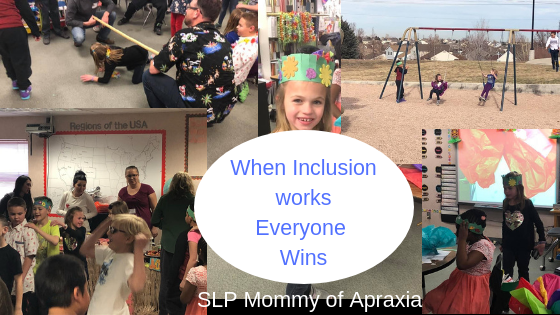
When inclusion works: my hope for the rest of 3rd grade
This is how inclusion is supposed to look. Every human whether they have differences or not all want the same thing. They want to feel useful, included, and loved. Her smile says it all.
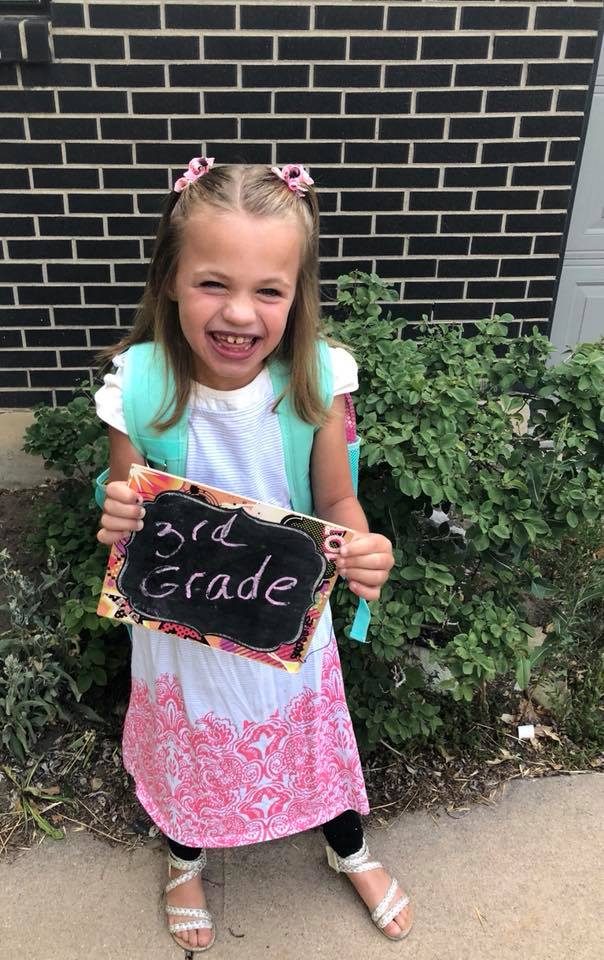
This year as you talk to you children about their new teacher, new classroom, and new adventures, I beg you to talk to your kids about being kind. I beg you to explain to your child that children with disabilities are just like them, but it might take a little longer to understand or get to know them. If nothing else though, please just teach your children to be kind. Maybe ask about something they did that was kind alongside your questions of who they played with or what they learned.
Executive functioning (EF) deficits are a common comorbidity with a variety of conditions including: ADHD, OCD, ID and others just to name a few.
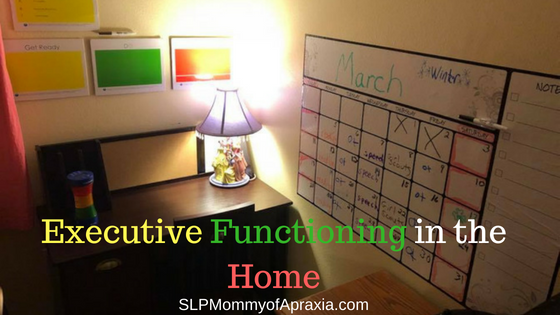
Visuals are AMAZINGLY helpful for children with EF dysfunction. The problem is, most teaching involves auditory input. The teacher (or parent) talks, children listen, and learning takes place. For kids like my daughter, who have a language processing impairment, the teacher (or parent) talking is basically the equivalent to the teacher in the Peanuts comic series. All the children hear are “wah wah, wah wah wah wah.”