Category: global apraxia

  • Overgeneralization: a caution for clients with CAS

    Overgeneralization: a caution for clients with CAS

    overgeneralization


    Before I knew my daughter Ashlynn had CAS, and before I spent countless hours researching, taking trainings, and becoming an expert in CAS; I was an elementary school SLP.  Like any new SLP, I was relatively inexperienced with CAS.  One year, I transferred schools and a 3rd grade boy with a dx of CAS popped up on my caseload.  Most people, including his mother, still found him very hard to understand.  In her defense, it didn’t help that her first language was Spanish, and this boy only spoke English (apraxic English, you can say).11wwpm
    Anyway, I could understand him most of the time, but his errors were bizarre.  He had an /l/ substitution EVERYWHERE, but mostly for sounds he had not yet acquired including /r/ and /th/.  Some examples: (blown/brown, muller/mother, bruller/brother).

    This was my first experience with “over-generalization” and it’s potential to have a negative  lasting impact on kids with CAS.

    It was not my first experience though with over-generalization.  In kids with phonological disorder, this will happen occasionally.  For example, we might be focused on a pattern, let’s say, /s/ blends.  A child with a phono disorder will usually omit the /s/ in an /s/ consonant cluster.  One of my mentors used this example:

    “I see a star in the sky” would be “I tee a tar in the tye.”  There are a few phono processes going on here, but suffice it to say, the child is still omitting the /s/ which would be considered a consonant cluster reduction.

    When we start targeting /s/ blends, the child will usually (temporarily), start adding an /s/ before every sound. Soon after they learn the pattern without any real long term consequence to existing speech patterns.  This is generally regarded a positive sign with phonological disorder, because the child is showing they are making system-wide changes that are generalizing.

    This is NOT necessarily true if a child has a dx of CAS.  Over-generalization can cause havoc on an already faulty motoric system.  There is a limited research I found regarding this phenomenon; however, there is some in the adult literature regarding acquired apraxia of speech (AOS).   Wambaugh et.al. (1999) found that in adults with apraxia,  sound production training did yield system-wide positive changes in the acquisition of a sound; however, overall maintenance effects exhibited declines in sound production accuracy (intelligibility).  The authors concluded this decline was directly attributed to over-generalization of the taught target sound.  They recommended using multiple sound targets to increase variability and stabilization during training.

    I have searched for more research articles on the subject but have come up empty.  This is NOT to say; however, that it is not a common occurrence.  Research in the field of communication disorders isn’t exactly robust like it is in the medical field.  Even the research we have on apraxia, though more than it was, rarely meets the criteria for the highest level of evidence to be proven effective.  Many times we have to go on our clinical experience, and in treating kids with CAS, I have now seen plenty of cases of over-generalization directly caused by the current therapeutic approach.  Of course, questions like these usually lead to one pursuing a doctorate and doing a research study….but……that is for another time.  lol

    I do feel though I need to write on the topic.  So here it is.

    Therapy for apraxia needs to include many target sounds, sound placements, and syllable shapes.  This is very different from many (most) treatment approaches for other speech sound disorders.  Let me give you some examples.

    In articulation approaches, therapy focuses on one sound.  They work to get accuracy and generalization for that particular sound in many different places of words: initial, medial, and final.  Therapy then progresses from word, to phrase, to sentence, to conversation.

    In phonologic approaches, therapy focuses on patterns of errors.  For example, in a popular Cycles approach, kids consistently may delete final consonants (ca/cat, do/dog) or leave off consonant clusters (tar/star, no/snow), to name a few.  Therapy would then focus on including final consonants, or consonant clusters.

    These are common approaches to most speech sound disorders.  These are what most SLP’s will have experience with.  They will have seen these in their internships.  It’s no surprise then when we fall back on these therapies.

    However, this WILL not do for apraxia.  Let me give you many personal examples I have now seen in my experience.

    For my first example, let’s go back to my 3rd grade boy with crazy /l/ substitutions.  Recall he had a history of apraxia and when I met him he was substituting /l/ for sounds he had not yet acquired (r, th).  If you are an SLP, you will know this is a pretty unusual error.  It was also an error that, at the time, before I knew motor learning principles, I had an INCREDIBLE difficult time extinguishing.  I can’t help but wonder (actually I’m really sure now), that the child had fairly good apraxia therapy, and probably was working on /l/.  At younger ages, we typically don’t work on later developing sounds such as /th/ and /r/.  However, he overgeneralized ALL of his errors to mean he needed to produce an /l/ and there I met him in 3rd grade, and what I saw was a child now saying /l/ for every sound he still had in error.

    My second example is a child who has a TON of language, but who is severely apraxic.  Unlike my daughter, he can tell stories for hours, but the sounds are completely muddled, jumbled, and in no sensible order.  At the word level he would remember to include final consonants, but at the conversational level all of his final consonants were omitted.  I am working with his school SLP who is amazing, and she noticed this pattern (phonological disorders and apraxia CAN co-exist), and decided to remediate it.  She remediated it SO well, he was adding final consonant sounds to syllables and/or words he had previously mastered that DID NOT have a final consonant.  One phone call revealed the error, and we both worked feverishly to rid him of this overgeneralization pattern.  We were able to do it, but only after using principles of motor learning.  Had she not been so open, there is not doubt in my mind he would still be adding these final consonants to every word. Much like my first example, established motor plans in a child with apraxia is VERY hard to extinguish.

    My third example includes a child I started seeing in the very early stages.  Though she was able to say many early developing sounds in isolation, she had extreme difficulty sequencing them correctly at the word level.  I was seeing her along with another private SLP and school SLP.   Early on, she made incredible progress.  The other SLP’s  were using Kaufman cards, and the first set of Kaufman cards account for all the variables I mentioned above: varying sounds, sound positions, and syllable shapes.  When you are dealing with a motor planning disorder, a “sequencing” disorder, these three things are very important. In fact, Nancy Kaufman herself describes her method on her website as:

    This is performed through using cues, fading cues, using powerful and strategic reinforcement (motor learning principles), errorless teaching (cueing before failure), gaining many responses within a session, and mixing in varying tasks to avoid over generalization.

    Only problem with example number 3 is that she progressed beyond the level 1 cards and so the SLP defaulted on what she knows.  This client wasn’t producing any fricatives (s, f, sh) so she started with the fricative (/f/) and starting hitting it hard.  The result?  My shared client is now using this taught phoneme for all other current fricatives and errored phonemes, and getting her to eliminate this now very strong motor plan is taking longer than expected.  What SHOULD have happened is that we target all fricatives now (a variety of sounds) in all word positions and stimulable syllable shapes, STILL using the principles of motor learning theory.

    Overgeneralization.  It’s a PROBLEM in CAS.  If you are an SLP and you start seeing this, you need to look at what you need to change.  It’s not a positive indicator like it is for phonological disorder.  You are literally carving incorrect motor plans. Remember, we cannot focus on a single sound.   We cannot focus on a single pattern.  We cannot focus on a single word position.  We cannot focus on a single syllable shape.  We have to choose targets that are variating ALL of the above that are including sounds within a child’s repertoire.  If we don’t, we are going to have a kid with apraxia overgeneralize what we have taught them, and it’s going to cause havoc on their motor system, and potentially make them even less intelligible.

    In addition, you will always hear me talk about wasting TIME.  Time is so, SO precious to a parent with apraxia, more specifically, getting a child to improve as quickly as possible.

    This is ALSO why it’s SO important that even after a child has resolved, a dx of CAS always be included in the case history, because principles of motor learning theory are still the most effective in driving treatment.  This is true even when you have moved on to grammar or additional language targets.  Apraxia is a different monster.  Educate yourself.  Learn more. Vist apraxia-kids.org.
    30022940f


    Resources:
    Wambaugh, J. L., Martinez, A. L., McNeil, M. R., & Rogers, M. A. (1999). Sound production treatment for apraxia of speech: Overgeneralization and maintenance effects. Aphasiology, 13(9-11), 821-837.
     

  • Anxiety and PTSD. What you don’t know about special needs parenting.

    Anxiety and PTSD. What you don’t know about special needs parenting.

    Can everyone agree parenting is stressful? I’m sure we all can.  I read something the other day though that perfectly described my life.

    “If parenting can feel like a roller coaster of anxiety, than special needs parenting is a whole carnival.”  I’ve also read that PTSD is common among parents of kids with special needs.

    I’ve also read and seen quoted a very popular article: Autism moms have stress similar to combat soldiers.
    N
    ow, I’m not pretending to know THAT stress or try and compare, but seriously people, if you have a kid with special needs it’s really not that hard to believe.  If you don’t, it may be hard to understand, but let me assure you it’s INCREDIBLY stressful.

    PTSD-battle-fb

    Two years ago, I wrote a very scary blog post that I still can’t re-read.  I’m not even going to link it here because that would require me going back and potentially reading some of it. It detailed a near drowning incident with my daughter when she was in a group swim lesson.  I still haven’t really ever recovered from it.  We are around water all the time too, and everytime I’m stricken with an anxiety I can’t quite put into words.

    I really don’t know if it’s the global apraxia or her disordered sensory system, but Ashlynn does not have normal reflexes, for lack of a better word.  Instead of her body responding appropriately to survive, hers does the exact opposite.  Add to it an under-responsive sensory system in which she rarely feels pain, and it’s a recipe for disaster.

    An under-responsive tactile system is rare, but I find it is very common among kids with “global” apraxia, and that “global” word is important.  It’s scary though.  Let me give you some examples.

    When Ashlynn was a baby, probably around 4 months or so, I was getting her ready for bed.  That’s when I noticed her baby toe had a hair wrapped around it and was swollen.  It was so swollen I couldn’t even see the hair as it had created a turniquette.  My baby was never fussy.  She never cried unusually more than any other time.  I had absolutely no indication this had happened.  We had to go to the ER and get it removed it was that bad.

    In another instance when she was probably three, we were at the playground and she had a full speed head on collision with another boy.  Both kids had immediate goose eggs swelling on their forehead; the only difference?  The other boy burst into tears and went running to his mother while Ashlynn followed, not crying, wondering if he was ok.

    Another one happened recently right as school ended.  Ashlynn woke up with a horrific stomach ache.  Knowing she NEVER complains of pain I start panicking (it’s that anxiety I’m talking about) and immediately call the doctor and take her in.  The result?  She had a burst ear drum from an ear infection!!  She wasn’t sick or sniffling, she never complained of her ear, pulled at her ear…..NOTHING.  The pain in her stomach was described as “referred pain.”  I’d never heard of it before.  Apparently it’s a thing.

    When she was a baby, she didn’t chew her food.  Literally if something went into her mouth she swallowed it and this lasted well into her toddler years.  I remember a friend came over one day and brought bagels.  As we were chatting, Ashlynn started choking.  I swooped in, turned her upside down and started violently patting her back.  An entire piece of barely chewed bagel appeared on the floor.  My friend was horrified.  So was I, but sadly it wasn’t the first time that had happened.  She’s going to be seven and I still cut up her grapes and hot dogs.  If she chokes, it literally is her life on the line.  How can I NOT helicopter??

    Has your child ever been choking and looks at you with wide, terrified eyes?  I’ve never had that experience even once with my son, but with Ashlynn I can’t even count the number of times it’s been so many.  Each time brought a flood of overwhelming panic and anxiety.

    These are just four of MANY, MANY, MANY instances.  Hopefully you have some idea now why I helicopter.  I used to think if she could just talk she would be able to tell me what was wrong.  Hah! If you still aren’t convinced these examples are enough reason for me to have the anxiety I do, let me outline ONE day in her life that happened this weekend.

    We went to a ski town called Breckenridge to visit my husband’s family.  We were walking along the side of the street when we heard a car coming.  Ashlynn wasn’t in the middle of the street, but like any reasonable parent we both beckoned her to move closer to us.  For reasons I probably will never know, she freaks out and goes darting into the center of the road! I went running after and ended up dragging her back to the side.  I mean, what is that??  Tell me.  What IS that??  I don’t know what that is, but I DO know my stress level went through the roof.  I DO know that next time we are in that situation I will now be helicoptering because her natural instinct for whatever reason was to dart into the CENTER of the street.

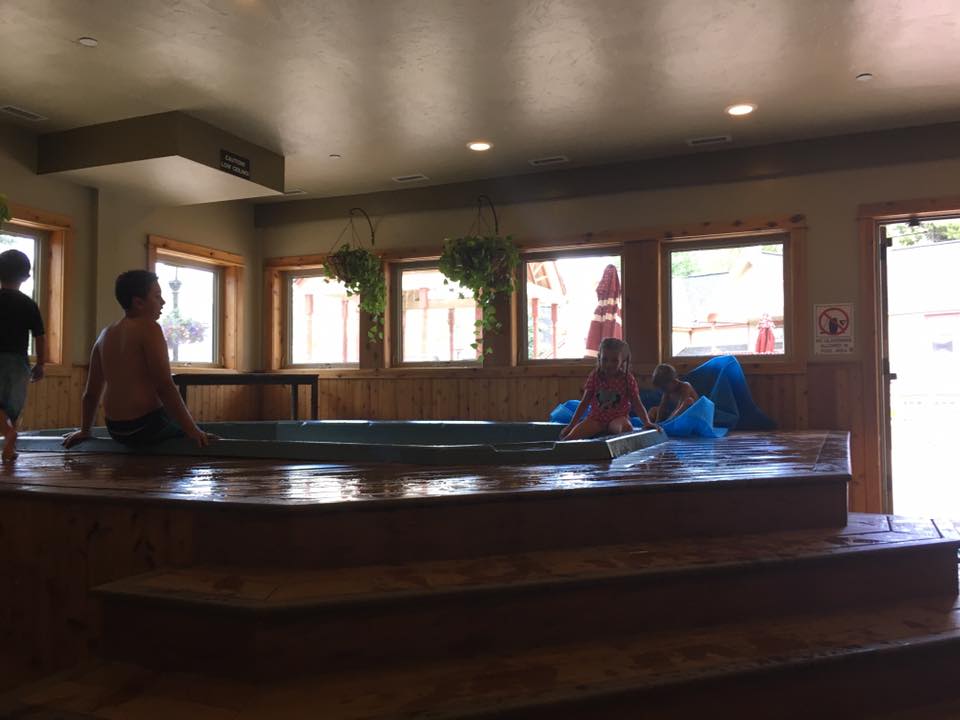
    Next was a trip to the hotel hot tub.  As much as I am at lakes and around water, you would think my anxiety over her near drowning incident would have subsided.  Nope.  I immediately started panicking thinking about it.  I had remembered their swim suits but not the floaties.  Their cousins assured me it was shallow and even the shortest kid amongst us could touch the bottom.  I still with every being of my body want to tell them no, but that’s MY issue and I don’t want to punish my kids for my anxiety. I guess it’s fine if I’m right there.  A hot tub is small.  I can save them if something happens.  They both wanted “privacy” and change in the bathroom with closed doors.  Unbeknownst to me, they went out a different door and made it to the hot tub without me.  When I realized they were gone , my stress goes through the roof again and I take off into a sprint toward the hot tub.

    They were there with their cousins having fun and splashing around.  I wish I could say I breathed a sigh of relief, but my stress and anxiety levels could not recover that quickly. I scolded them for leaving without me.

    I took a seat on the bench.  I watched Jace (my four year old son) jump in  (he doesn’t know how to swim) and his head goes under.  I stand up and immediately I see him dart out of the water.  A human’s natural instinct is to stiffen their body and shoot toward the top, which he did.

    Dear God, am I going to get through this?  Ashlynn was being more cautious.  Okay that’s good. My sister-in-law came in to keep an eye on her kids.  My anxiety started to come down.  I started to relax (a little).  Suddenly and silently, as I’m watching Ashlynn, one second she’s walking, and the next second her head falls under the water.  She NEVER voluntarily puts her entire head under the water.  In fact, we’re working on that in private swim lessons.  I tell you this so you can understand that if her entire head was underwater it was NOT of her own volition.  My heart starts pounding, my ears start ringing, I’m seriously panicking.  I’m taken back to that day two years ago in swimming lessons and I have to jump in again and save her.  Luckily my older nephew was in the water and no sooner did I say grab Ashlynn, he had her in his arms.

    She looked scared.  Spooked.  My nephew looked scared.  I’m not sure if it was because of Ashlynn or my reaction.  My hands were shaking.  In fact, they are shaking now as I type this.

    Unlike my son, who went under water and then came shooting out of it, my daughter’s natural instinct is to pull up her legs into a fetal position.  I know this, because I saw her do it in the pool that day two years ago, sitting underwater, and I also know this because she is much taller than that hot tub was deep.  The only way she could have gone under was she pulled up her legs.

    She stayed along the side of the hot tub after that as I sat there wanting to just pull my kids out and go home.  The stress is just too much.  I need to keep her in my house in bubble wrap and then at least I know she’ll stay alive.  I’m being sarcastic of course because the rational side of me realizes I can’t do it, but there is an irrational side that very, very much wants to do that.  I’m not gonna lie.

    My husband walks past at that moment.  He mouths a question “are you ok?”

    I shake my head no.

    He back up and walks in the pool area.  He asks me what’s wrong.  Just talking about it has me panicking all over again.  He tells me to leave.  I can’t stop talking.  I’m so scared.  He says he will stay, but he’s not even looking at her.  Doesn’t he realize he needs to look at her every second?  He tells me to leave again more firmly.  I hesitate, and then he says my anxiety is making everything else worse and giving everyone else anxiety.  I’m upset, but not at him.  I’m upset because I know he’s right, but what can I do?

    He managed to get her back in the water he told me later, and hopefully she doesn’t have PTSD over it like I do.

    So yeah.  It’s not hard at all to believe mothers of special needs children have stress levels similar to that of combat soldiers, because our stress never goes away.  It’s a daily fight for your child’s survival.

    13728973_10207953930258699_5847861193958388927_n
    Ashlynn staying alongside the hot tub after the incident
    13680505_10207953930338701_291093249682823046_n
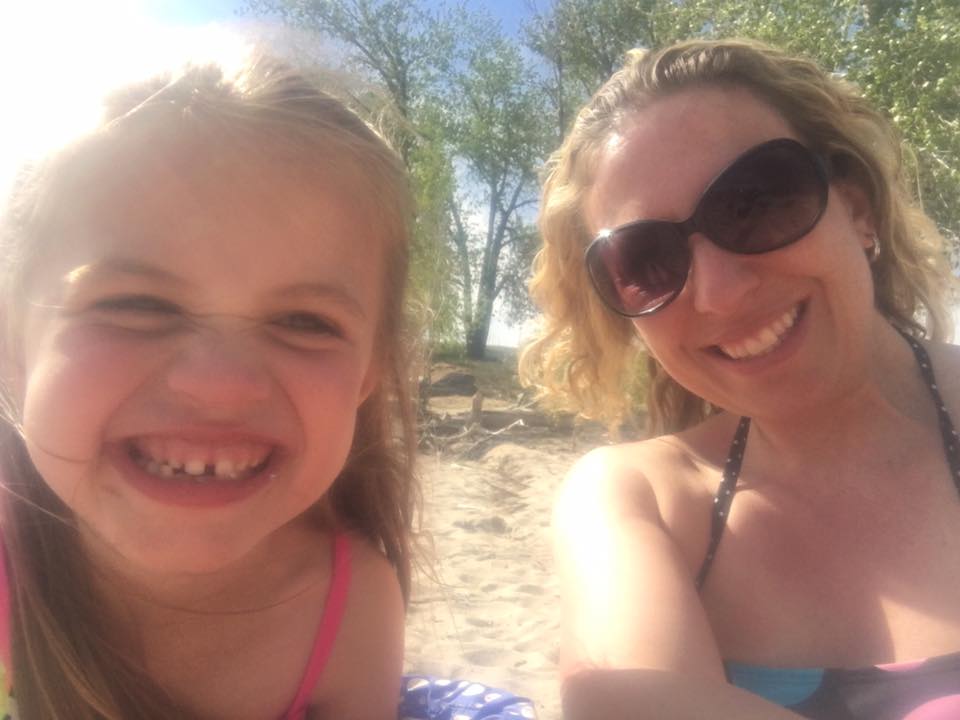
    Playing around and being silly. Love her duck face here.

    13406745_10100653496539656_1976337265973063999_n d

  • She is a fighter, not of guts and glory, but one of understated grace.

    She is a fighter, not of guts and glory, but one of understated grace.

    Well, Ashlynn completed Kindergarten.  It was pretty anti-climactic to be honest.  For some reason, her school doesn’t believe in Kindergarten graduations.  Okay, it’s not for “some reason,” it’s because the philosophy of the school is that graduations signify an end and Kindergarten is just a beginning.

    I get it…kind of.  Actually no, I don’t get it at all.  If that were the case, we wouldn’t celebrate any graduation because technically every end starts a beginning.  I don’t think that’s too philosophical.  Whatever though.

    It’s an odd thing.  When I was younger, people flunked.  I literally never hear that term anymore.  Now that I’m in education, kids are “held back” or kids are “retained” or kids are “not retained” because they are in “special ed” and you don’t “retain” if a child is in “special ed.”

    I received Ashlynn’s report card.  When I was little, I LOVED that little manilla envelope.  It was a little pocket that guaranteed me lots of praise from my parents….maybe even a trip to Dairy Queen.

    I looked at it now in her backpack with dread.  What would it possibly say? I know it didn’t say she flunked.  She’s in special education and she won’t be retained.  However, I know it didn’t say she was on grade level either.  If that were the case, she wouldn’t be in special education.

    Sigh

    I debated not opening it.  What does it matter?

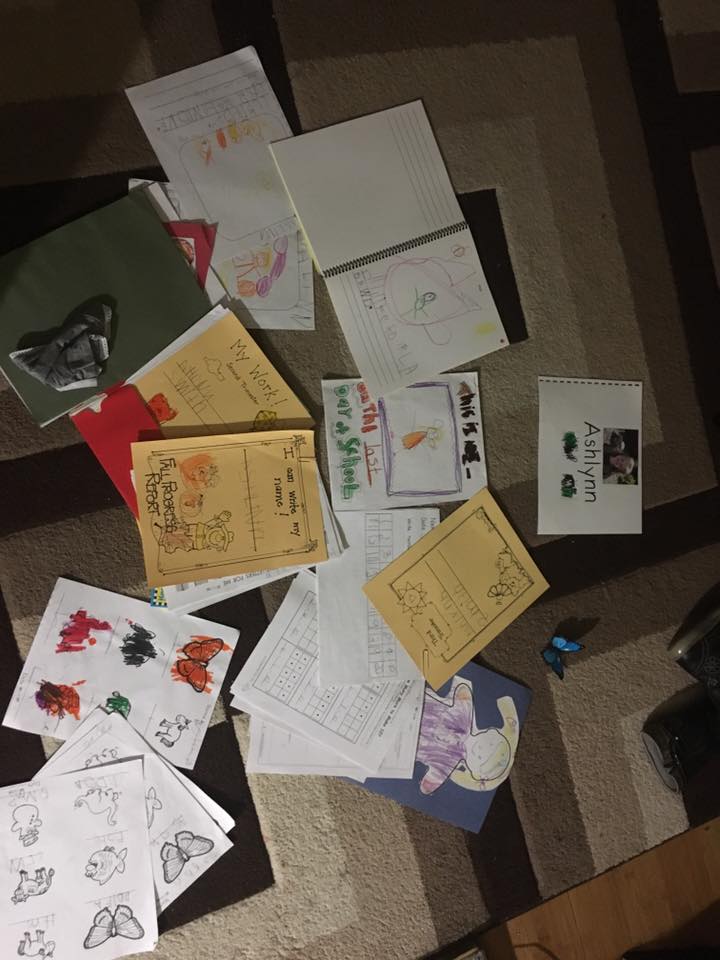
    I let it sit for awhile.  I pulled it out, but didn’t open it.  Instead I looked at the pages and pages of work sent home in her backpack that she had done from the Fall to the Spring.  Progress.  Amazing progress.  Pages and pages of hard work rested under my fingers.

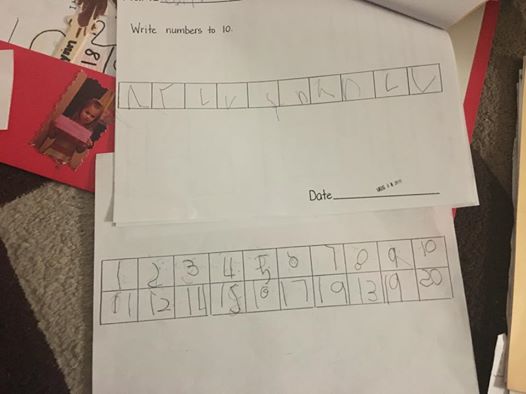
    Math:

    13256476_10207568654947057_3590974633361874637_n

    Really though, writing these numbers is not just math…it’s an occupational therapy success.  Ashlynn has just as much difficulty learning to write because of motor planning difficulties, as she did to speak.  Despite knowing how to write an S for awhile now because it’s in her name, she frequently writes a number 2.  That’s just one example of many.

    13413595_10207656395900526_6755431699833683032_n
    Everything else!


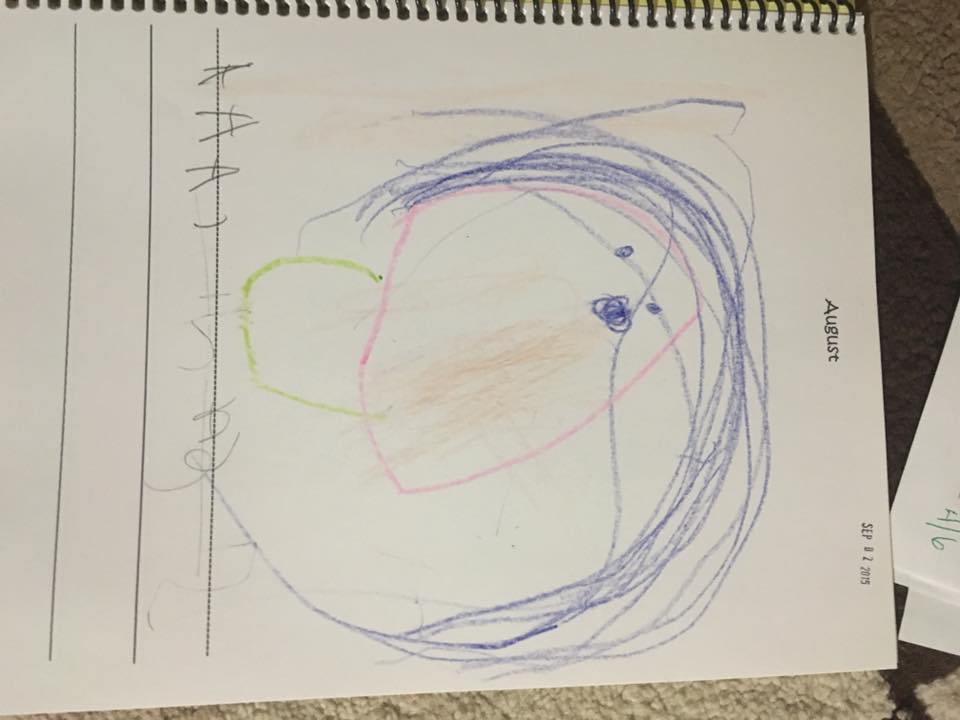
    Drawing and writing:

    13315720_10207656395860525_6765699865653698191_n (1)
    Fall 2015
    13336000_10207656396100531_6933608185256392869_n
    Spring 2016

    As much as these pictures make me burst with pride…there is an underlining sadness….guardedness.

    When I first started as an SLPA ( Speech/Language Pathologist Assistant), one of my supervising SLP’s showed me a book.  The book described how children’s drawings correlate to IQ.

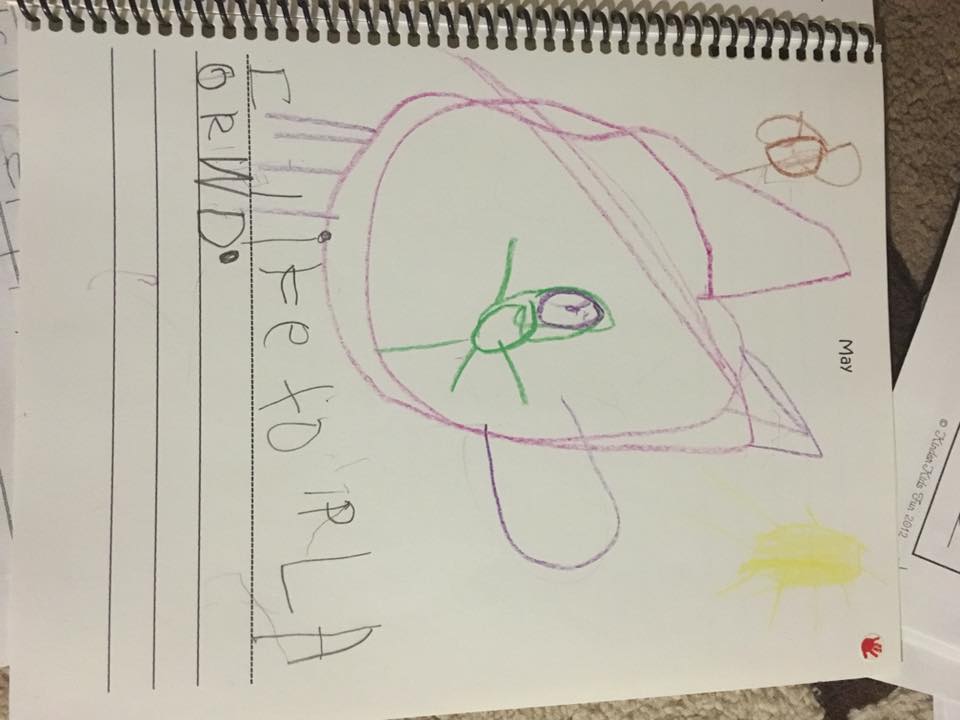
    The above pictures show Ashlynn’s progression.  Before I had Ashlynn, I didn’t realize picture drawing could be a measure of disordered motor planning  and NOT IQ…as in her case.  That last picture is after intense intervention.

    13413616_10207656230136382_4466918719341185819_n

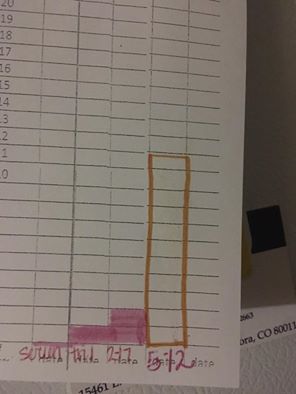
    This last graph looks impressive right?  It IS impressive.  However, it represents the “sight words” Ashlynn learned throughout the year.  When she started, we were still working on identifying uppercase letters, so she made progress on that…but yeah…sight words are going to take a back seat.   She is still abysmally behind where she should be….but if one considers where she has come, it is impressive.

    Ashlynn wasn’t even talking three years ago, so of course, everything else is going to take some time.  The point is though…the most important aspect is that….

    Ashlynn ALWAYS grows.  She ALWAYS progresses.  She was born behind the eight ball.  SIGNIFICANTLY behind the eight ball, but that girl doesn’t give a shit about analogies…or about pool for that matter.  All she does is: WORK

    She WORKS

    Her report card wasn’t terrible.  I really appreciated how throughout the report card they noted Ashlynn works hard and that she made great progress.  So, that’s where we are at.

    One day, when (if) Ashlynn ever reads all I have wrote, I hope she remembers this:

    You are a fighter, but not one of guts and glory, but one of understated grace.  Despite any challenge, you have never wavered from achieving your goals.  I watch you day after day and see how badly you want to read, write, draw, dance and skip.  I don’t know these things because you tell me with loud words and fists banging on the table.  I know these things because I watch  your tireless and humble pursuit of them.

    When you have earned prizes for behavior, you choose books, cards, sticky notes and journals.  You spend your time cutting and writing at your craft table, even though much of what you write is still not legible.  It never deters you.  It never distracts you from your goal.

    At night, you always have cards, papers, or books in your hand.  I come in before bed and place them on your nightstand so you have a place to sleep.  You “read” your stories to your stuffed animals that you call “friends” while your finger tracks words you still can’t read.

    While other children rejoice for the break that is summer, you ask daily when you will go back to school, to first grade, to be exact.  You cheer when I announced we would do homework every morning before we go out and play, and you diligently trace and write your name and letters, making numerous errors despite years of OT now.  I watch you smile and laugh away your mistakes, so forgiving of yourself as you smile and say “oops, I messed up. Let’s try that again.”

    So Ashlynn, if you remember anything in this life, remember where you have come and where you are now.  Remember that where you began, or even where you are at when you read this someday, is NO indication of where you will end up.  Remember that though you are small and sweet, your heart beats the beat of a true fighter.  You are courageous, strong, and brave in the most beautiful of ways.  Humble, kind, and forgiving, even of yourself…..something most adults have yet to master.

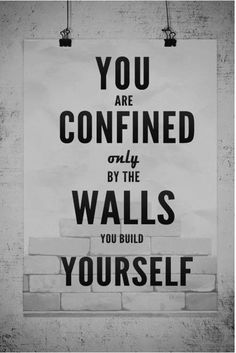
    e8a647537621d7096b7e64fa572729c2 (1)b0689e2beab31de00a70983fe49f72c1

    I used to care about failing before I had you.  I was a perfectionist and never wanted to take risks.  You make me realize though, that if we don’t take risks, we never succeed either.  We merely exist.  My life is more amazing now that I take risks.  I don’t fear failure because like you, I can always try again.  Watching you go to battle everyday leaves me with sorry excuses if I don’t do the same.  

    6d6c633c476a7c44f0e5a881d701bf9d

    13238905_10207532072872528_6020557741367204394_n

    Your report card means little to me.  I’m not sure if I’m finally starting to accept the numbers or I’m just having a good night, but it didn’t ruin me like it used to.  Maybe that’s because I see you and I know you will succeed, and Ashlynn, I will do everything in my power to help you.


    db5a3e11243d5a55684eb3e41909f7fcc104cd9bb7d9b9cb431665cb4b8b511d


  • It all happened, Apraxia or Not

    It all happened, Apraxia or Not

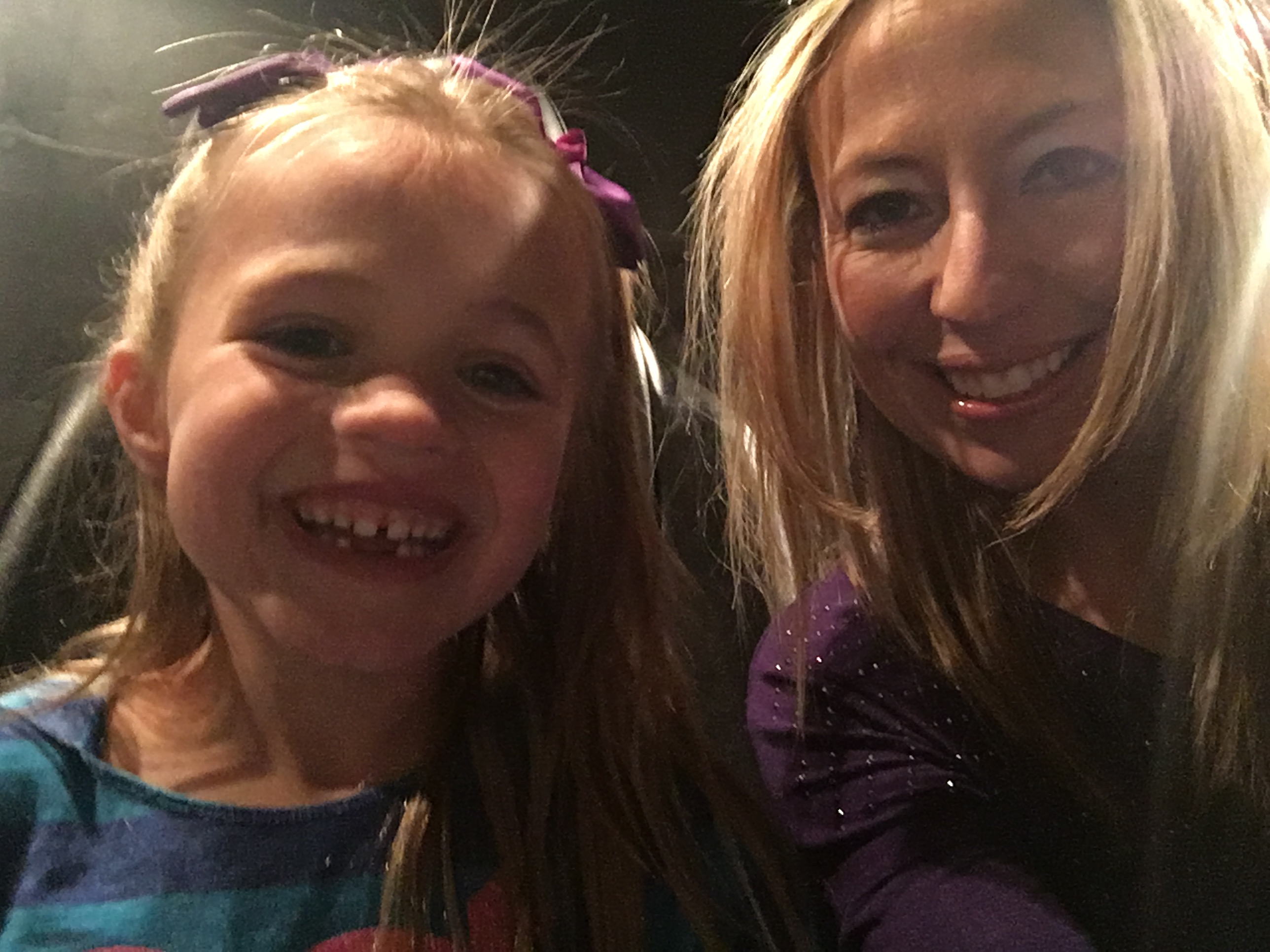
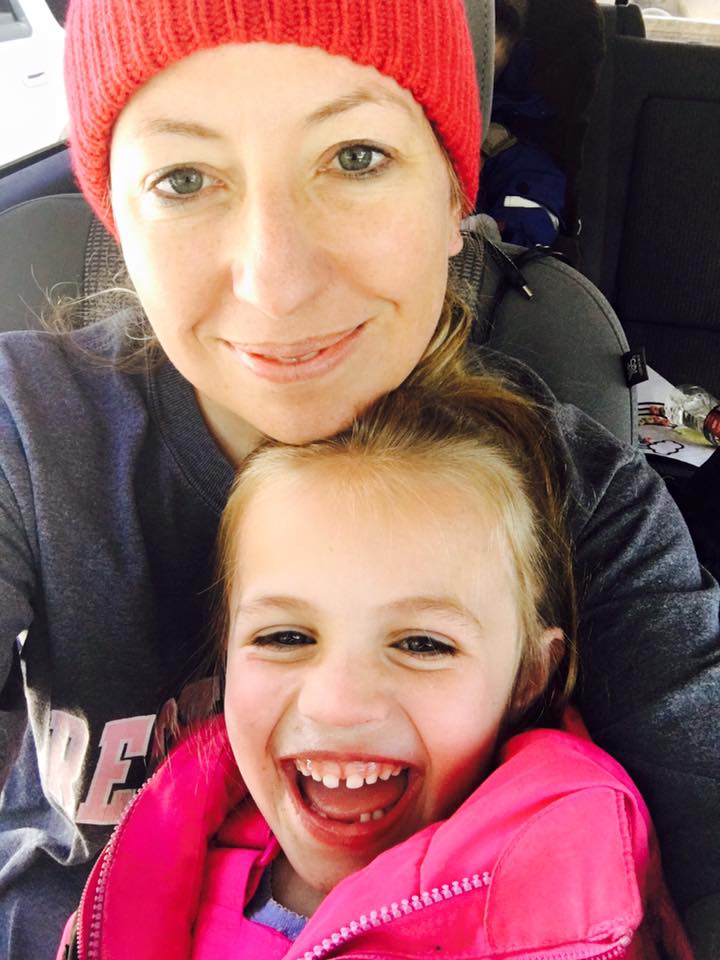
    We went on vacation for Spring Break. I took a picture of me and my girl on an amusement park ride:

    20160329_181611105_iOS

    She told me the chairs we were sitting in were “penguin chairs.” Two years ago she couldn’t do that. Mark a noun with an adjective like that. Adjectives let us be creative with our speech. She barely had the basics down, but I was still happy then because she was talking.

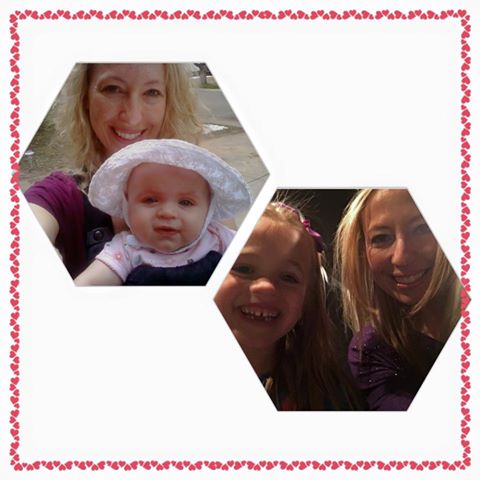
    My time hop showed me this picture today.

    baby A
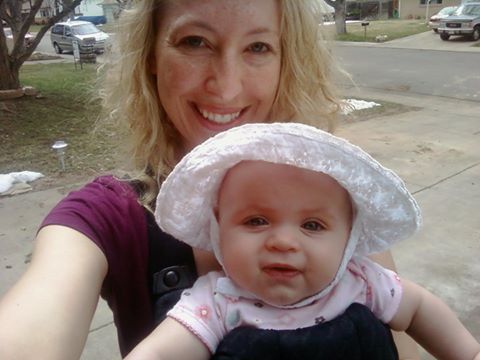
    This was before I knew the no-no’s of baby wearing so don’t judge! My son was the happy recipient of a moby…..

    Anyway, I digress. She would have been six months here. I had no idea she had apraxia in this picture.  I  look so happy. Haha. Just kidding, it’s not that apraxia made me sad….okay never mind, it DID make me sad, but the point is I’m also happy in the first picture. I’m also wiser and more compassionate. So is my daughter. Apraxia is in our life, but it isn’t our life. I’m still as happy with her now as I was back then. Apraxia didn’t change that. Her words or no words didn’t change that.

    She keeps growing and maturing in spite of apraxia. She’s no different that way, and I’m still the cliche mom who shakes her head and wonders where the time has gone. The days are long but the years are short, and I try to remember that on the days I am fraught with worry. Suddenly six years have passed and I went from having a new baby to a school aged girl, and in another six years I will have a pre-teen, and then in another six she will be 18 and beginning to embark on her own path; and it will all have happened with apraxia or not.

    I love this song by ABBA. I think of it often, especially on the days Ashlynn seems more grown up.

    Sometimes I wish that I could freeze the picture
    And save it from the funny tricks of time
    Slipping through my fingers
    Slipping through my fingers all the time
    I try to capture every minute
    The feeling in it
    Slipping through my fingers all the time

  • The day she had enough!

    The day she had enough!

    When I was in 1st grade, a little boy kept kissing me on my head.  After the third time, I told my mother in exasperation.  I explained that even though I kept telling him to stop, he still kept doing it.  That night, both my parents had decided my mom would go to school the next day and let the teacher know and put a stop to it.

    “Nooooo,” I remember begging.  “He’s trying to be nice!”

    “You just said you don’t like it and you want him to stop,” my mom said matter-of-factly.

    “Yes, I know, but if you go in there he will get in trouble and I don’t want him to get in trouble,” I pleaded.

    My parents stood firm.  No meant no.  The boy did get in trouble, and I did feel terrible, but as a woman now, I realize the message that sent to me then.  No meant no…everytime.  Even if I thought someone was trying to be nice, no still meant no if I didn’t like it.  I didn’t have to pretend.  I shouldn’t pretend.

    My 6 1/2 year old daughter with speech apraxia got in the car last Friday.

    “I’m tired mommy,” she sighed.

    Oh no.  My senses went on alert.  She never says she’s tired, like ever. She must mean she’s sick.

    “Are you sick honey?” I probed.

    “No.  You know E?  He hits me and bats at me, and GOSH! I AM TIRED!”

    Oh wow. She means she’s tired of someone bothering her.  I asked if she had told the teacher and she said no.  I asked if the teachers had seen it, and she said no.  I told her to tell the teacher, and she just said ok with an unconvincing smile.  She told me again she was tired, and then said,

    “I don’t like him mommy.”

    Wow!  Ashlynn has NEVER said she doesn’t like someone.  Not even to me or her dad or her brother when she’s mad.  I kinda chuckled inside.  I recalled a conversation between the boy’s mother and Ashlynn’s grandma in which the mom had said how much E loves Ashlynn.  He’s obviously acting that way because he likes her.  I was about to say that when I thought of this meme I had seen on facebook about a month ago:

    910a445ef6b34f94d9f91842afe6b2ec

    No means no.  It didn’t matter if he liked her.  I told her I would talk to the teachers Monday and she seemed visibly relieved.  It’s hard to know all the time because of how much apraxia impacts her word finding, but I could see in the rear-view mirror her entire body heave a sigh of relief.  This girl who has always maintained everyone is her friend, this girl who when she was bullied in preschool still maintained the bully was just, “sad,” this girl had had enough and needed help.  I’m so glad my response was to tell a teacher and not tell her he’s just being mean because he likes her.

    No means no, Ashlynn, everytime. A boy who loves you is a boy who respects you, and I will always have your back on that one.  I’m just so thankful you had the words today to tell me, and that I understood.


    10418541_10207040829991763_2521707221450008513_n


  • International Women’s Day includes my “apraxic, IC kid”

    International Women’s Day includes my “apraxic, IC kid”

    I practice person-first language.  I make sure I use it in every setting.  If you’re not familiar with person first language, it’s the idea that you put a person *before* their disability.  The idea is that when we put the disability first, we define a person by their disability.  However, no person is defined by their disability.  A person is just…..a person first.

    So, instead of saying that bipolar guy, you would say, “that guy who has bipolar.”

    Instead of saying my apraxic daughter, I would say, “my daughter who has apraxia.”

    Instead of saying that “stutterer,” you would say, that child/man/woman who stutters.”

    There is a lot of debate about this honestly.  Some people think it’s political correctness gone too far.

    I have never had much of an opinion, except for the fact I made sure to use person first language so as not to offend anyone personally or professionally, and I never minded if someone said my apraxic daughter.  It’s all semantics.  Whatev.

    Well, that is until today.

    I work a day and a half in the same school as my daughter.  She is in a program called ILC (Integrated Learning Center).  In most districts, this program would be a Center Program, and it is, kind of.  In this district, there is more a focus on inclusion, but with para (classroom aid) support.  To get an aid though, you need to be in the ILC program.

    Ashlynn’s ILC teacher is AMAZING.  I mean, my daughter is on grade level in math and she is making huge gains in reading.  I can’t really even believe she can read a sight word book at times.  It took 3 YEARS of me helping her just be able to name the letters in her NAME!  Word finding impacts her BIG time.  Even if she could read I thought, she would NEVER be able to show it until years down the line.

    Wrong.  She’s coming home with new books every day she is “reading.”  It’s incredible.  I mean seriously incredible people.  She couldn’t talk three years ago.

    Anyway, other kids who need help reading get pulled out too, but they are pulled into a “resource room” that has no specific name.  They just get “reading support.” Ashlynn gets reading support too, but her programming has a name, and that name in this district is ILC.

    I’m part of many, many, many IEP meetings.  Parents ALWAYS worry about putting their kid in the “special classroom.”  Usually, it’s based off of their own experiences growing up, knowing and remembering the kids who were in the “special classrooms.”  They don’t want their child to be labeled “special” “different” or made fun of.  We assure them things have changed.  It’s not like that anymore.  And it’s true.  Seriously!  I do think things have changed drastically since even when I was in school.

    I have to digress really quick, but it reminds me of my colleague I worked with many years ago named Mr. G.  He was a SPED teacher from Brooklynn and he was funny, engaging, and the kids absolutely LOVED him.  Apparently he was in SPED when he was younger.  You know, the “special classroom.”  He said the buildings and programming were so archaic in Brooklynn when he was a child at the time, that he was literally separated from his general ed peers into a classroom in the basement of the school, and the only window had bars on it. He was also a bit of jokester, so when he told the story it was funny.  However, if you think about it, there is nothing funny in what he said.  How awful.  A man who was able to get a master’s degree in teaching, was once banished to a basement of a school with bars on the window.  How on Earth did he make it out on the other side?

    Anyway, yes, times have DEFINITELY changed since then thank goodness.

    Where is this story going, you might be asking.

    Well here it is.  I never worried about Ashlynn being my “apraxic daughter” or in “ILC” until today. I was working at her school with a child who has been identified as GT (gifted/talented) and a double X’r (twice exceptional).  The twice exceptional refers to the fact he is gifted, but still needs support from SPED (me…speech).

    We were walking in the hallway and I looked out the window toward the playground where I knew Ashlynn was playing.  I said I just wanted a quick peek at my daughter.

    He asked me, “Is her name Ashlynn?”

    “Yep,” I quipped proudly.  “Wait, how do you know?” I inquired.

    “Oh, she’s an IC kid,” he said matter-of-factly.

    My face fell.

    “How do you know she’s an “IC kid?” I said, and my entire body literally cringed.

    “Well, she goes to that room.”

    I studied him.  Innocent.  Blunt.

    I wanted to ask him what an “IC kid” was, but I just couldn’t bring myself to ask.  I was too scared of the response. Maybe it would have been innocent too.  Why did I automatically think it would be negative?

    I don’t know.  All I did know, is I do NOT, definitely, never, ever, want anyone EVER to label MY daughter as an “IC kid.”

    She’s a kid.  She’s a kid who goes to ILC because she has apraxia, and that’s it.  There’s nothing else to see here.

    I don’t blame this kid.  He’s an innocent KID for Pete’s sake.  I still felt bummed though.

    I came home tonight to this:

    12805675_10206930833921930_3211585399080345387_n

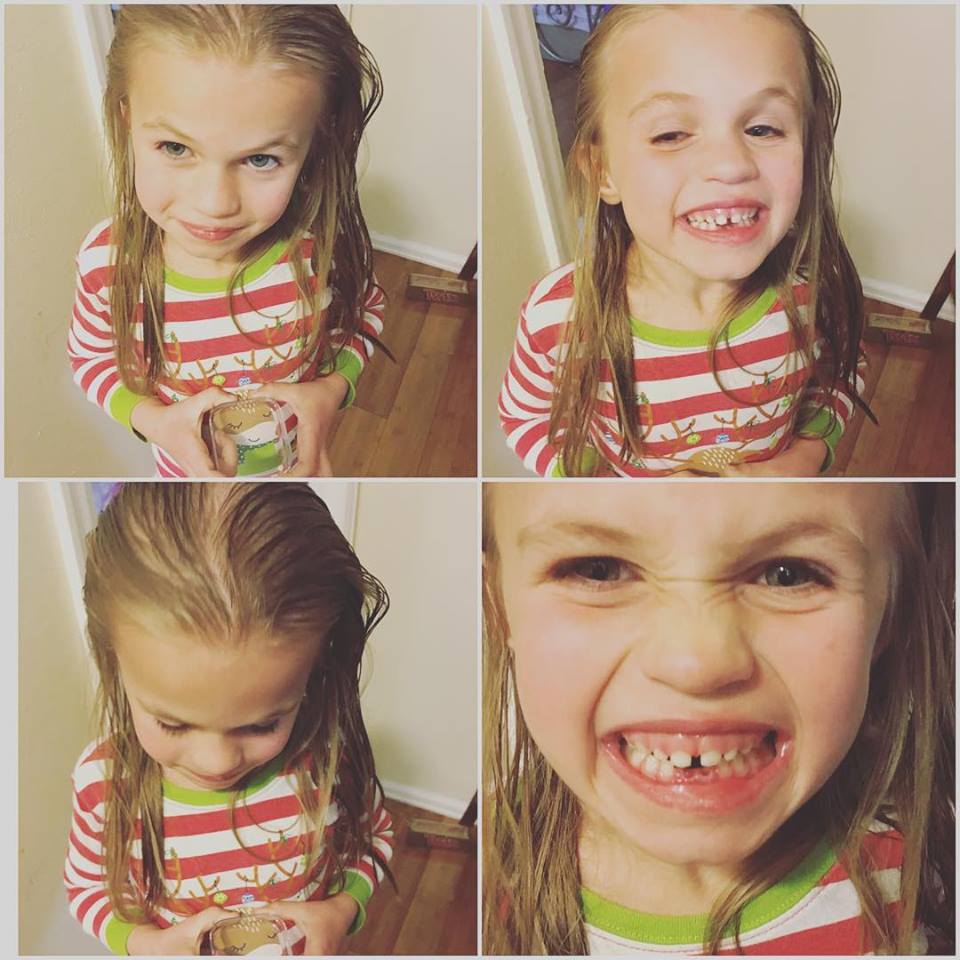
    She lost her first tooth, or should I say “teeth.”  Both bottom front teeth came out tonight.  She was scared, then happy, then nervous for the “tooth fairy.”  She told me, “Tell the tooth fairy to not scare me, okay mommy?”  She also said, “maybe I will get five dollars.”  My husband who was in the room next door spit out his drink and said, “where did she get 5 dollars??”

    I smiled.  I don’t know.  She came up with it all on her own though.

    I kissed her goodnight, and I vowed to make it my mission everyone see her for HER.  She’s not an apraxic kid.  She’s not that special kid.  She’s not that IC kid.

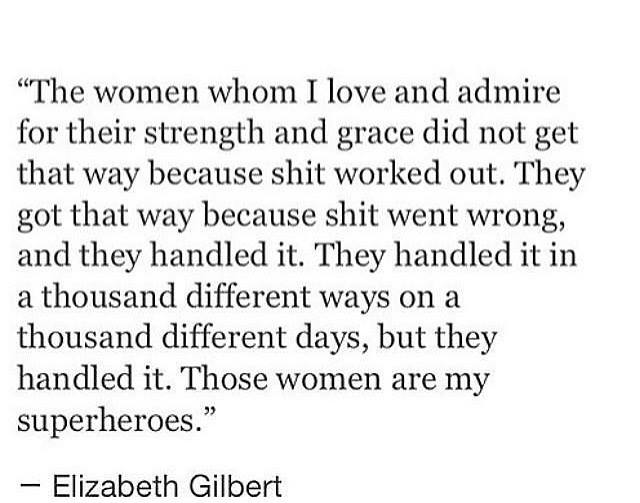
    Her name is Ashlynn.  She was born to move mountains, to kick ass, or to be whoever the hell she wants to be. Today is International Women’s Day, and I love this quote:

    12799461_978905362191579_851408342886117926_n


    Ashlynn not only handles all the shit that has been handed to her, but she handles it with grace and a smile.  I know that will only continue to serve her well.

    So today, I have officially sealed my opinion, that person first language IS important because Ashlynn is Ashlynn above any, and EVERYTHING else.