Category: dyspraxia awareness

  • Learning to swim means facing our fears

    Learning to swim means facing our fears

    Ashlynn is 14 years old. It’s almost unbelievable to me that a decade ago, an entire TEN years ago, we almost ended up a tragedy. It’s so traumatic even now I can never re-read the post. I‘ll link it here, but I’ll never re-read it. I don’t need to. It’s forever branded on my brain like a tattoo. She was four at the time. I still don’t know if she remembers it. If she does, I have no idea if it affects her. However, I have my theories.

    After the incident, Ashlynn did get back in the water. We all knew how important it was long term. I remember writing another post about that. I won’t re-read that one either. Learning to swim is such an important life skill. We kept on keeping on.

    After the incident, she never attended group lessons again. I hired the swim instructor and paid him privately for at least two years before the pool policy banned private swim lessons. I then switched her to recreational adaptive swim teachers. It seemed to be working, but then COVID hit.

    During COVID in 2020 through 2021, my husband and I booked hotel rooms as “outings.” We always chose ones with pools and tried to teach her ourselves. She had so many successes, but nothing carried over.

    My husband and I are water lovers. It’s weird to say because we live in the land locked state of Colorado. However, we find home at our “Colorado beaches” aka reservoirs. We spend our summers at campgrounds that have lakes attached to them so we can play on our jet ski.

    Ashlynn, even at an older age is VERY good about wearing a life vest. She doesn’t fight or argue, but still. She doesn’t know how to swim.

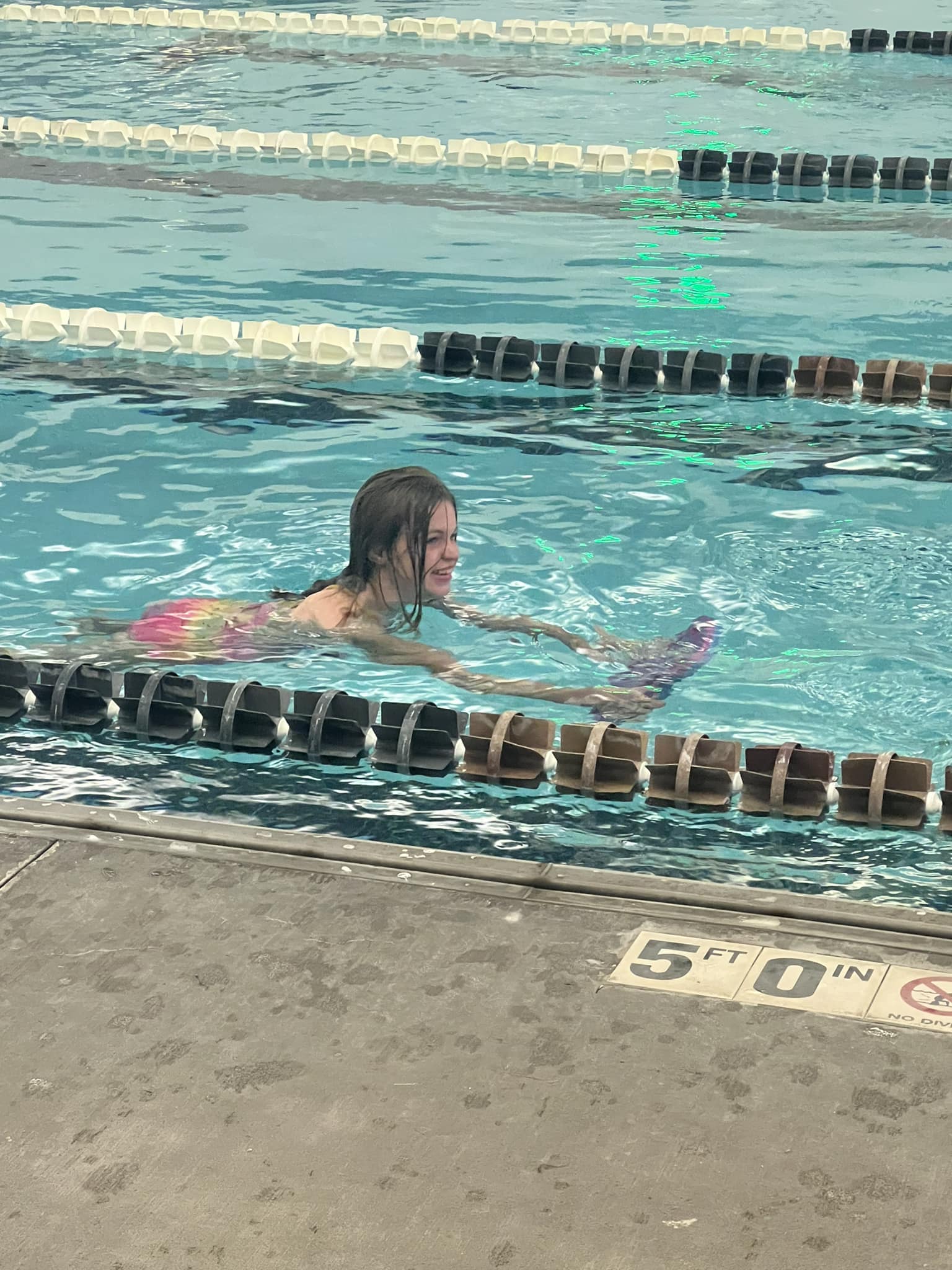
    This year, a client of mine who is her same age started Special Olympics swimming. His mom gave me all the info and I signed Ashlynn up. I wasn’t sure it was going to work. The coordinator was concerned she doesn’t really know how to swim and was worried about keeping her safe. She said the option of a 1:1 helper wasn’t available.

    I understood. Ashlynn is 14 now. Even specialized swim schools won’t take her because of her age. I left that night feeling defeated. We had helped Ashlynn triumph through soo much! Riding a bike! Reading! Getting on stage! Dancing! Learning to swim just didn’t seem to be in the cards.

    I emailed afterward and she told me to come back. She said she re-arranged some swimmers and had a plan to keep everyone safe. We showed up tonight, and there was a woman who had a son who was swimming independently and while she was watching she volunteered to help keep any other swimmers safe. That woman was assigned to Ashlynn. I could breathe. I felt my anxiety disappear, and honestly I think my anxiety holds Ashlynn back. She constantly ‘checks in” with me and if I don’t look completely relaxed, Ashlynn panics.

    Life is so serendipitous. As I watched my daughter with this woman a man with his child came up to take their picture. The man literally works in the SAME office building as my speech therapy practice. I was filled with awe at the Universe and then INSTANT gratitude. What were the chances?

    I KNOW Ashlynn can learn to swim. I KNOW it. It’s been a long, hard and complicated history. However, I KNOW she can. This is her year. Love you girl. I’m your biggest fan.

    Love,

    Mom
    Learning to swim
  • Dyspraxia Dancing Queen at Thirteen

    Dyspraxia Dancing Queen at Thirteen

    Long ago before I knew terms like Dyspraxia, or Developmental Coordination Disorder or Dystonic Cerebral Palsy, I knew my daughter was falling behind in her developmental milestones. She only “army crawled” and nine months and didn’t fully crawl until well after a year. Learning to walk seemed like a pipe dream goal. I would observe on social media other people’s babies learning to walk and crawl so early. I would feel an initial mix of awe with an immediate sinking feeling of despair. Why couldn’t Ashlynn do these things? I was even a THERAPIST. Granted a SPEECH therapist, but I had worked alongside occupational and physical therapists. Why was she so behind??

    This was a video taken of her around 15 months. We had bought her a “walker” to help her stabilize and learn to walk. She never ever gave up but it broke my mama heart. Her legs are weak. They literally seemed to give out beneath her. Yet she smiled looking up at me with that positive attitude and unbreakable determination.

    Ashlynn did learn to finally walk at around 19 months. However, she would remain unsteady on her feet and any incline variance would threaten a potential fall or crash. Every gross motor skill a child learns thereafter Ashlynn learned with the help of physical and occupational therapy.

    In school plays, even if Ashlynn could overcome the dyspraxia and learn the dance moves, her ADHD and SPD sensory overload had her usually standing the whole time and just watching everyone else. I watched her at school dances, monster balls, and school plays with tears in my eyes because she wasn’t able to participate like everyone else.

    Fast forward years ahead. We were at a wedding tonight. Ashlynn is 13, two months shy of 14. She has never had formal dance lessons and honestly PT is spent stretching out her tight muscles and OT is spent helping her complete daily living tasks in the home. That’s why tonight was so amazing.

    Ashlynn danced her heart out not only keeping the beat to the “Cupid Shuffle,” but also DOING the cupid shuffle!

    An Imagine Dragons song lyric popped into my head “I’m an apostrophe, I’m just a symbol to remind you that there’s more to see,” and I started thinking developmental delays are much like this. They may have taken a more unconventional route, and it didn’t look as clean as formal as the original, but they did things their way and the outcome is the same. In fact, I might argue, the outcome is even better. I’ll leave you, reader with another lyric from that same song,

    “I’m just a product of the system, a catastrophe, and yet a masterpiece.”

    At the time, due to my conditioning of the “system” in which we live, Ashlynn’s diagnoses seemed like catastrophes. I was honestly and embarrassingly now, devastated. How silly. If only I had know then what I know now, those differences are what makes her a unique and unparalleled “masterpiece.”

    Keep dancing my dyspraxia queen. You’ve earned every step.

  • ATV journey with disabilities

    ATV journey with disabilities

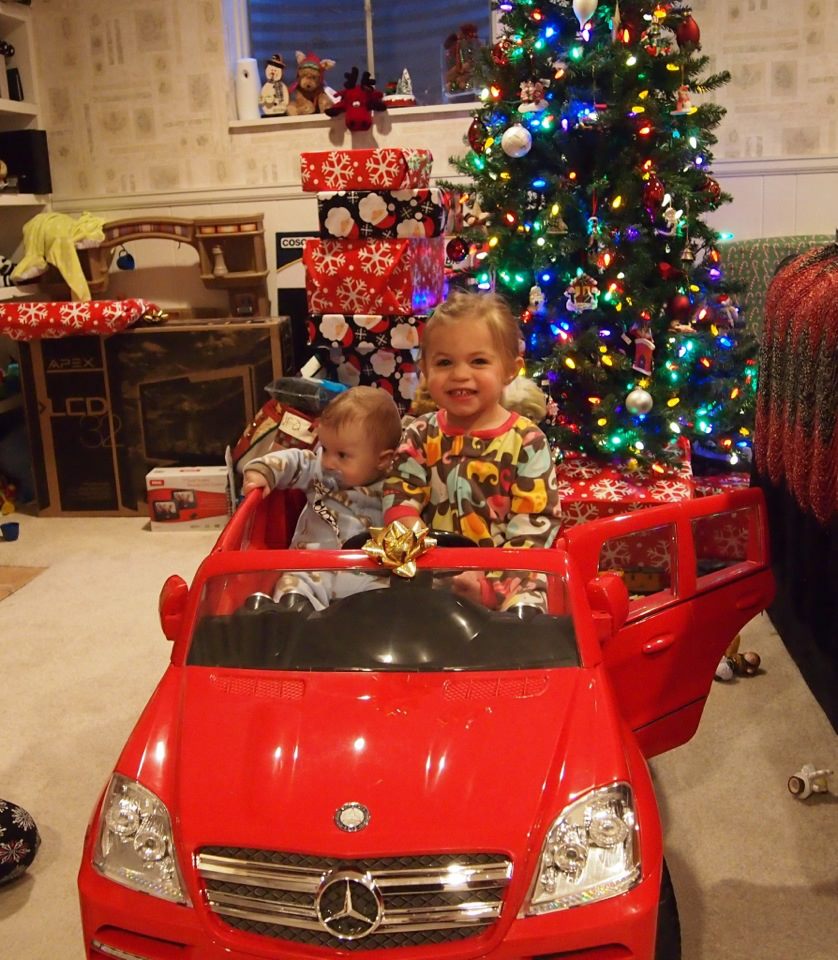
    When Ashlynn (my daughter with Logan Dias Syndrome that caused a host of disabilities) was younger, I’m not sure I ever pictured her riding an ATV. However, I remember excitedly buying her a power wheel for Christmas. She had just turned three. I had visions of her riding it up and down the sidewalk! I couldn’t wait for her to receive it!

    I remember taking this perfect photo and couldn’t wait to see her hit the road!

    Except, as with everything, I didn’t realize how hard it was going to be for Ashlynn to drive it. It involved steps like

    1. pay attention

    2. steer

    3. manage the pedal.

    Oh and doing that all at once, well, that was seemingly impossible.

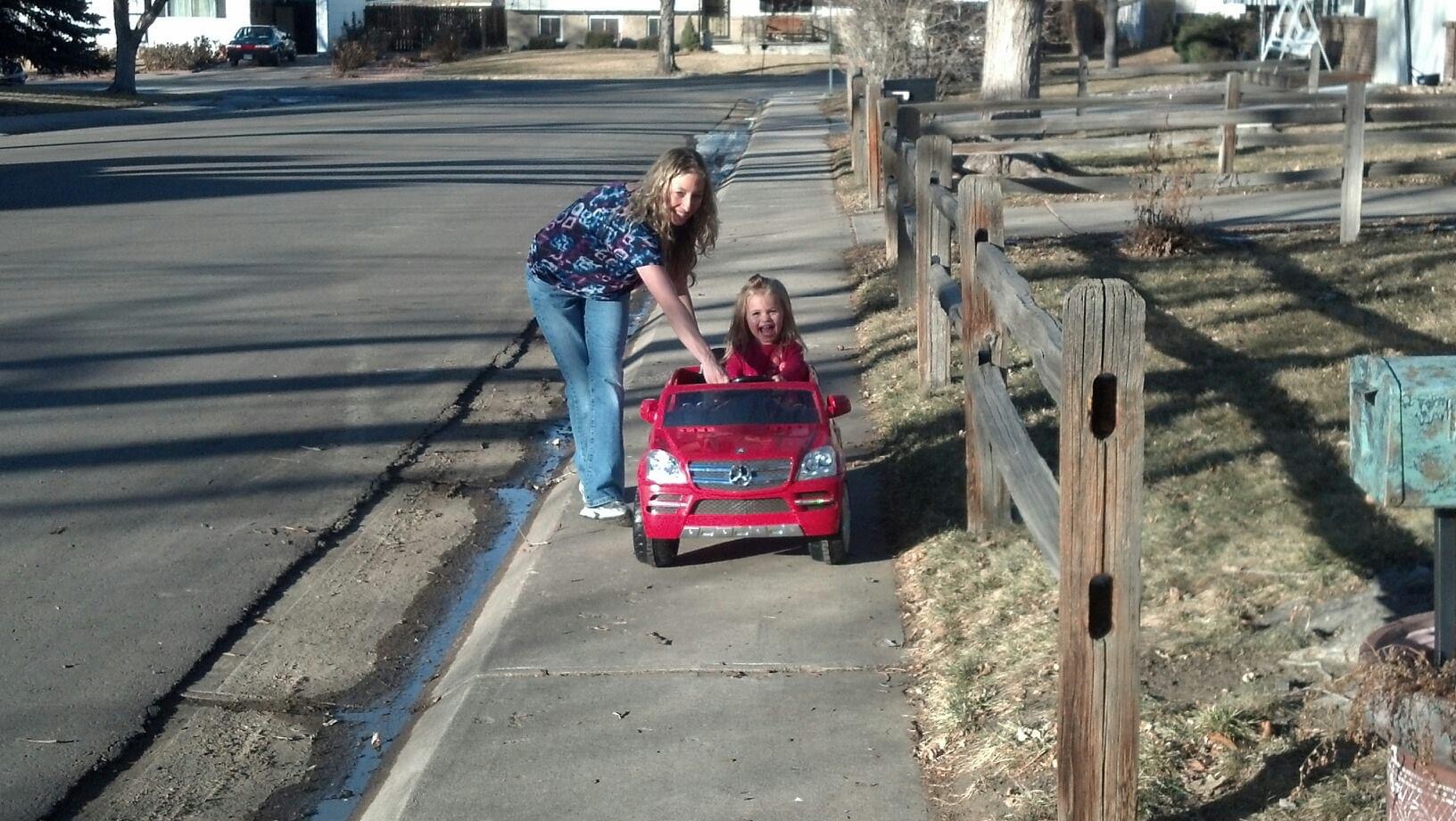
    Determined to help her though, I spent many nights running up and down the sidewalk beside he. I was leaned overhelping her steer while she got the hang of the pedal. My back would be wrecked when we came inside. My husband snapped this picture of us, and though both of us are joyful and smiling, I remember feeling heartbroken and sad on the inside.

    Power wheel

    Why did it seem she had to work to learn and enjoy any childhood toy? A tricycle. Jumping. Skipping. Really anything. The answer of course came later. Dyspraxia. Dystonic Cerebral Palsy. ADHD. Logan Dias Syndrome (variant on BCL11A).

    As long as she was still in to try, I vowed I would be in to helping her. I also remember thinking at the time, if we start now on this coordination to steer, work the pedal and pay attention this will help her long term when she learns how to drive. Though at the time, I had no idea the extent of disabilities.

    I honestly don’t even remember when she put it all together. I do remember her driving into the fence a lot. Eventually though, she did learn and burned through at least two other power wheels.

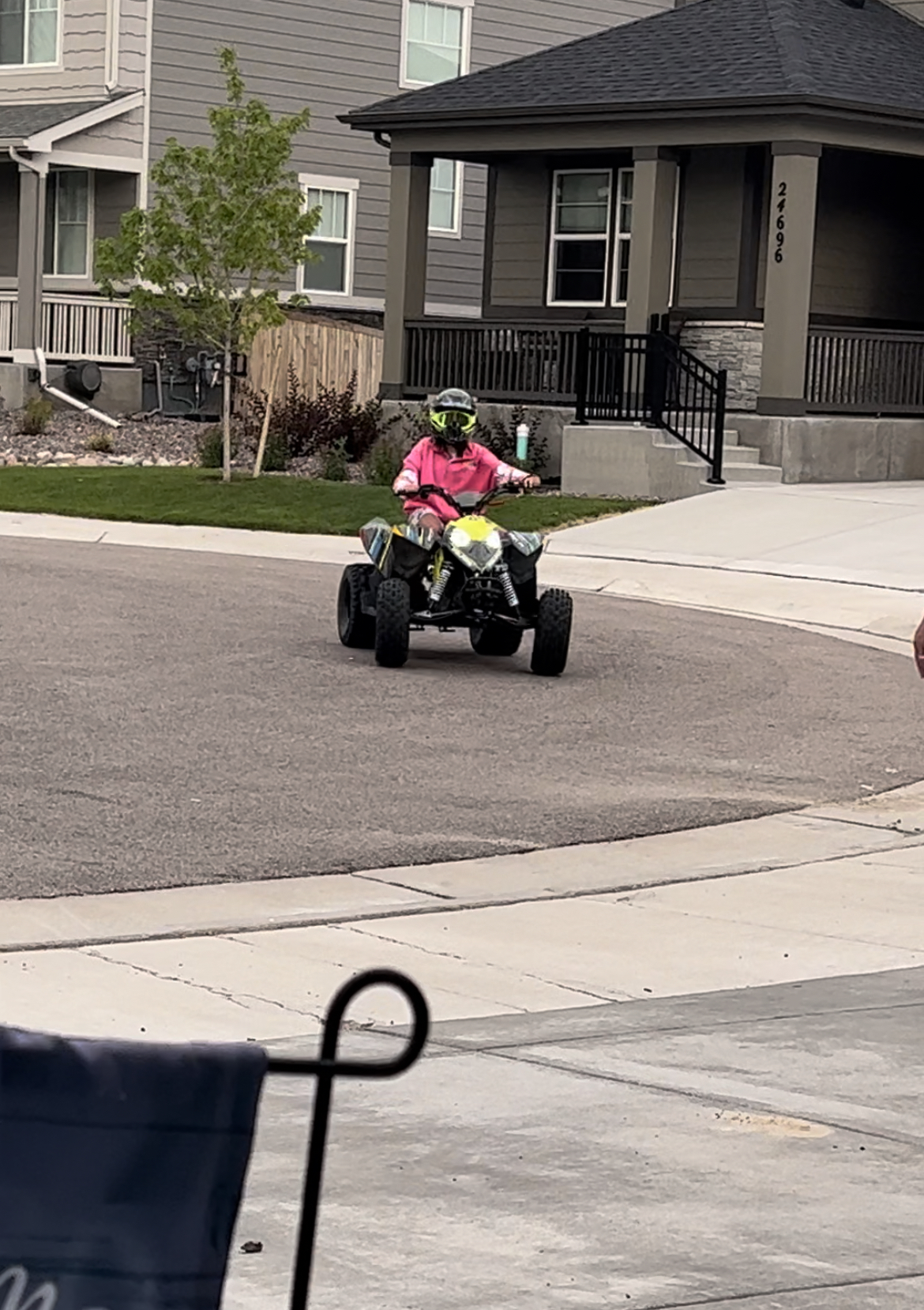
    Ashlynn is now 13 and way too big for a power wheel. She’s also been expressing a desire to learn how to drive when she’s 16, which honestly terrifies me. My husband recently bought a junior ATV and Ashlynn had been hesitant to get on it. Hesitant that is, until last night. She had watched her brother for presumably a sufficient amount of time before announcing, “Okay I’m ready to ride the ATV.” My husband put on her helmet and explained the controls. My anxiety started rising. Oh no, how is she going to coordinate the gas and the break and steering and paying attention all at that SPEED?? I tried to helicopter from a distance.

    Sensing my anxiety she looked back at me before taking off and said, “Mom don’t worry ok? I’ll go slow.” I gave her a half smile marveling at her language and speech. A simple sentiment seemingly unimpressive to anyone except someone who watched all the hours she worked and continues to work in speech therapy.

    That’s when it happened. My heart jumped in my chest watching her take off. All my fear, all my anxiety, all my PTSD (let’s be honest) culminating now in this moment. At worst she would get hurt and at best she would have to handle another disappointment.

    But guess what?

    She rode off like she’d been riding it her entire life. She went slow as promised but she was doing it. She turned around to come back, (cautiously) but she did that too. Then she did it again, and again and again. She giggled and did it again. I challenged her to honk the horn. It took her a minute to find it but she did and now she drove, giggled, paid attention, turned, went faster, slowed down, stopped AND honked the horn.

    I thought back to that mother excited for her to ride a power wheel, and then heart broken she couldn’t. Memories flooded my mind of all the things she knows how to do now but that took an enormous effort. Walking, jumping, skipping, riding a tricycle, a big wheel and a power wheel. I never in my wildest dreams ever pictured her on an ATV.

    I smiled, then I laughed, and I cried. Tears down my face of I don’t know what. Every emotion I guess.

    Ashlynn’s dream of driving doesn’t seem far off anymore (even though it’s still terrifying). See her in action on my YouTube here.

    ATV
  • When inclusion works: my hope for the rest of 3rd grade

    When inclusion works: my hope for the rest of 3rd grade

    This past break, I went over my posts from 2018, and read the article I wrote at the beginning of the year.  In it, I begged parents to teach their children to be kind as I wrote about the importance of inclusion.

    You can read about here.

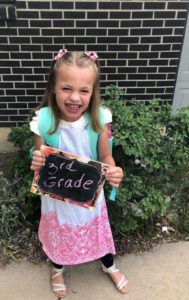
    I was filled with worry and trepidation as Ashlynn started third grade.

    Last year in second had been one of her worst years with peers and friendships.  She frequently came home with bloodied shirts from her picking her fingernails.  Many times, the nurse had to change her shirt it was so bad.  She always reported that she hadn’t played with anyone at recess and my heart broke for her nearly everyday.  In second grade, she was also bullied in the bathroom but thankfully some other students heard and told the teacher.  Fresh off the heels of a great summer, I worried to see her go back to school again.

    This year though in third grade, has been one of her best years for growth not only academically, but also with friends and feeling like she was part of the class.

    The teacher told me at parent/teacher conference in November that she had told her class if they see Ashlynn sitting alone to go grab her and include her because many times it’s not that she doesn’t want to play; but rather that she has a hard time jumping into a situation.  The teacher went on to explain the kids initially did it because they were instructed to, but as they got to know her they now do it because they wanted to.

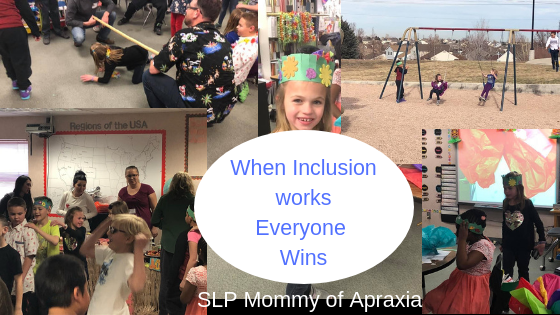
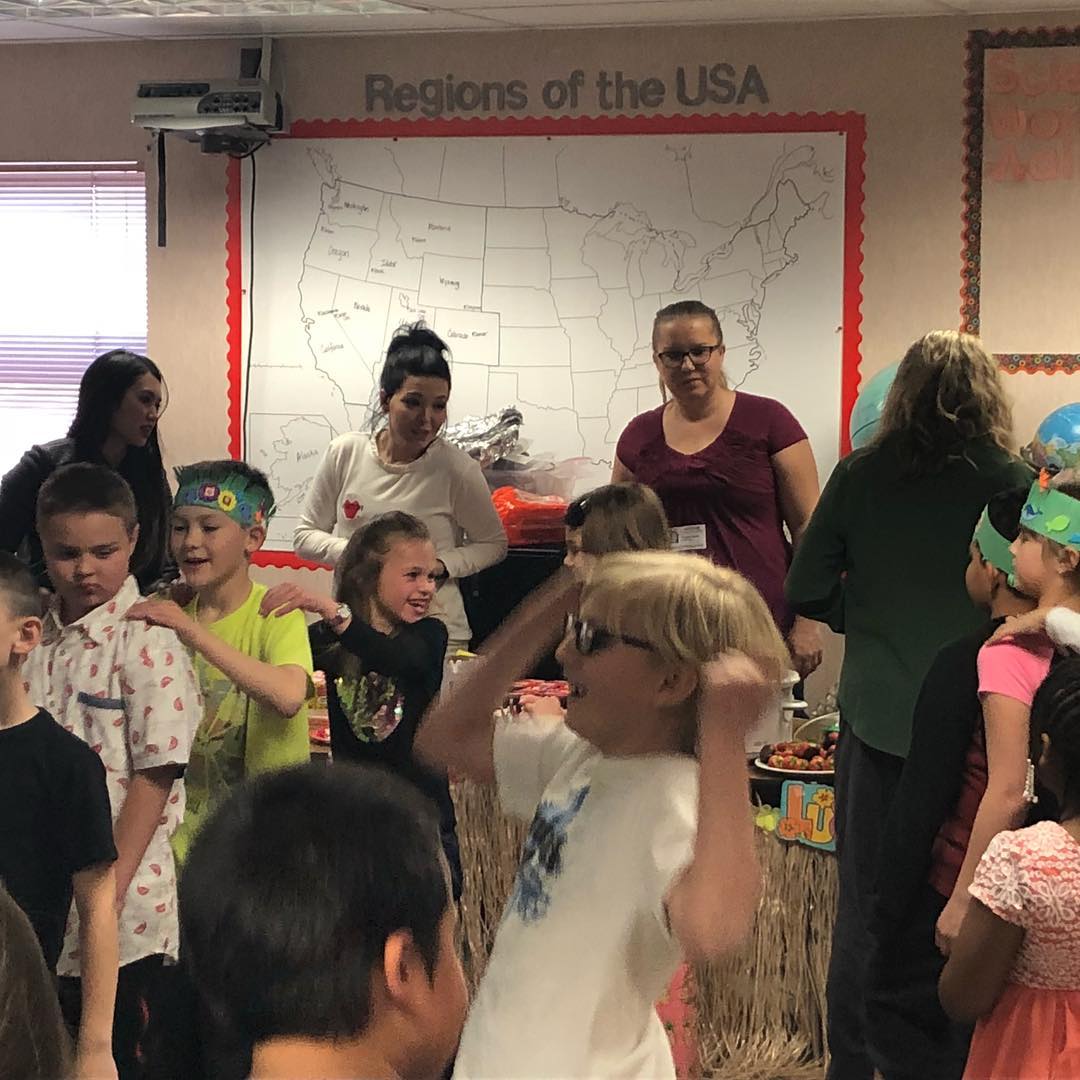
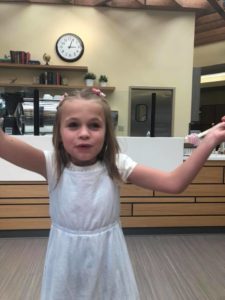
    Every year before winter break, 3rd grade throws a Luau party to add some fun and a twist to a normal Winter celebration.  I volunteered to run a craft with the class. I couldn’t believe what I saw when I got there.  Ashlynn was completely assimilated into the classroom as one of the kids, and not the “special ed kid” or the “ILC kid.”

    As she talked to her friends I thought of her speech therapy.   As she navigated the limbo stick like any of the other classmates I thought of her work in occupational and physical therapy. Her special education teacher wrapped up her current progress monitoring showing how she had rocked her goals because she knew it would be the best Christmas present to see all of her success and she was right.

    As she completed some seat work independently I thought of her TA who understands the difference between enabling and helping.

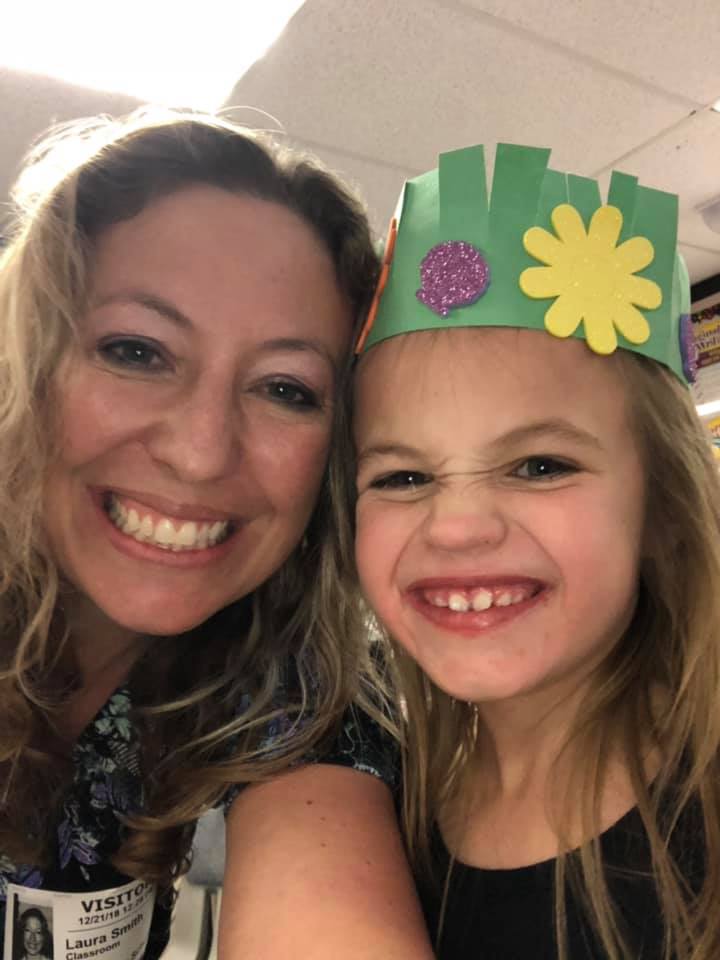
    This is how inclusion is supposed to look. Every human whether they have differences or not all want the same thing. They want to feel useful, included, and loved. Her smile says it all.

    Honestly I didn’t need any Christmas presents this year.  My cup was overflowing.  I just pray as Winter Break is over and she heads back to school, that the second semester will be as amazing as the first.

    Laura Smith is a mother to two beautiful children, one of which was diagnosed with a constellation of issues including apraxia that can be traced back to a genetic mutation entitled BCL11A. She is a Denver based Speech/Language Pathologist now specializing in Childhood Apraxia of Speech.

  • Top Ten SLP Mommy of Apraxia Posts for 2018

    Top Ten SLP Mommy of Apraxia Posts for 2018

    Hi readers!  I haven’t been as active on the blog as usual because my goal for 2018 was to write a book and I’m happy to say I completed that goal!  My goal of 2019 is for it to be published, so we will see!  In the meantime, I did manage to get some blogging done and here are my top 10 posts for 2018!  Thank you so much for your support and your love throughout the years.  It truly means so much.

    1. The Problem With School SLP’s

    A

    2. Interview with Mikey: The Wish That Turned Into a Passion

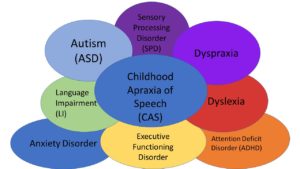
    3. Apraxia as a Symptom to a Bigger Picture

    4. Strategies to Promote Speech and Language in the Pre-Verbal or Minimally Verbal Child with Apraxia

    5. This School Year, Teach your Children to be Kind

    6. Finding our Umbrella

    7. Good SLP’s are Addressing the Head in the Hands

    8. The 6th Apraxia Awareness Day Brought Smiles, Tears, and a Jaw Dropping Moment

    9. Report Cards are Bitter Sweet in Special Needs Parenting

    10. Old Faces, New Faces, and the Passing of the Torch

    Cheers to an eventful 2018.  It was a year full of pain and happiness, love and sorrow, and hope and despair.  May we all remember that life can be intensely beautiful and irreparably sad all at once, because that my friends, is the definition of living.

    This 2019, I wish you all the gift of perspective in life.  We all have bad things happen.  We all have stress and we all have pain.  We also all have a choice, and that choice is to wake up each morning with a grateful heart and to focus on our happy and joyful moments rather than be sucked into the pain of despair and heartache.  There was a time Ashlynn’s dx seemed like the darkest event in my life, but I realized it was the beginning of my testimony to some of the most beautiful characteristics this human life affords us.  May God bless us all this year and always.
    Love and Peace,

    Laura

  • Disabilities, extraordinary abilities, and lessons in neurodiversity

    Disabilities, extraordinary abilities, and lessons in neurodiversity

    Neurodiversity and learning disability were never in my vocabulary before I had my daughter.

    I had never been exposed to learning disabilities of any kind really, and I had no idea the extraordinary gifts those who are neurodiverse had to offer this world.

    No, when I was in second grade, I was in my egocentric world and our teacher had us write “a book.”  It was a short story and we were to write on the typical school paper that has a box at the top to draw an illustration and then lines at the bottom to write the story.  Writing was always my thing.  Art….was……not.  I usually skipped the picture and went straight to writing.  In my defense though, I never technically had an art teacher.  However, even if I had, I’m sure I would have still been that defiant snotty little girl who turned up her nose at art.

    During one edit, the teacher told me the book was great but I needed illustrations.  I argued with her.  Her job wasn’t to teach me how to draw, her job was to teach me how to write.  Drawing was for the kids who didn’t know how to write and I knew how, so what did it matter anymore?  Did I mention I also went to a Catholic school, so I was marked down automatically for being sassy?  I never pulled that again, but it didn’t stop me from internally rebelling against drawing.

    “When will I EVER need to know how to draw as an adult?” I indignantly exclaimed to my mom.

    My Catholic school teacher had the last laugh though when I became a speech/language pathologist and discovered I needed to know something I didn’t know how to do.  You guessed it.  Draw.

    “What is that?  Is that a dinosaur?” one kid would ask of my drawing of a horse.

    “That’s supposed to be a bird?” another asked of my drawing of an airplane.

    Yes friends.  That sassy, know it all second grade girl started wishing she had paid more attention to art.

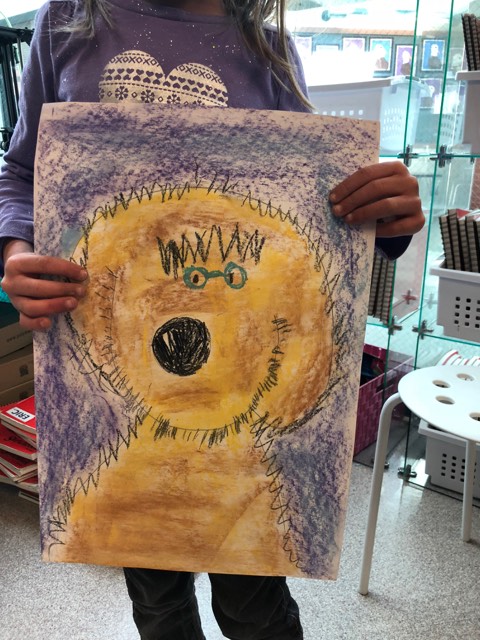
    Fast forward 30 years and I have a little past second grade daughter myself.  She has a laundry list of learning disabilities, many stemming from an etiology in motor planning and cerebral palsy.  Everything for Ashlynn seems hard.  She has had to fight and claw her way to learn anything through hours and hours of therapy.  I’m not kidding.  In Elementary school, she started coming home with art pieces from art class that were nothing short of amazing.  They were so amazing, it was sadly hard for me to believe that she did them without help.  However, her art teacher maintained she taught all the kids in a very structured way, giving them multiple opportunities for practice (think motor planning) before completing the final piece. This was Ashlynn’s best one from last year.

    Despite this, Ashlynn had never demonstrated to me independently she could draw even remotely close to this on her own.

    That was, until tonight.

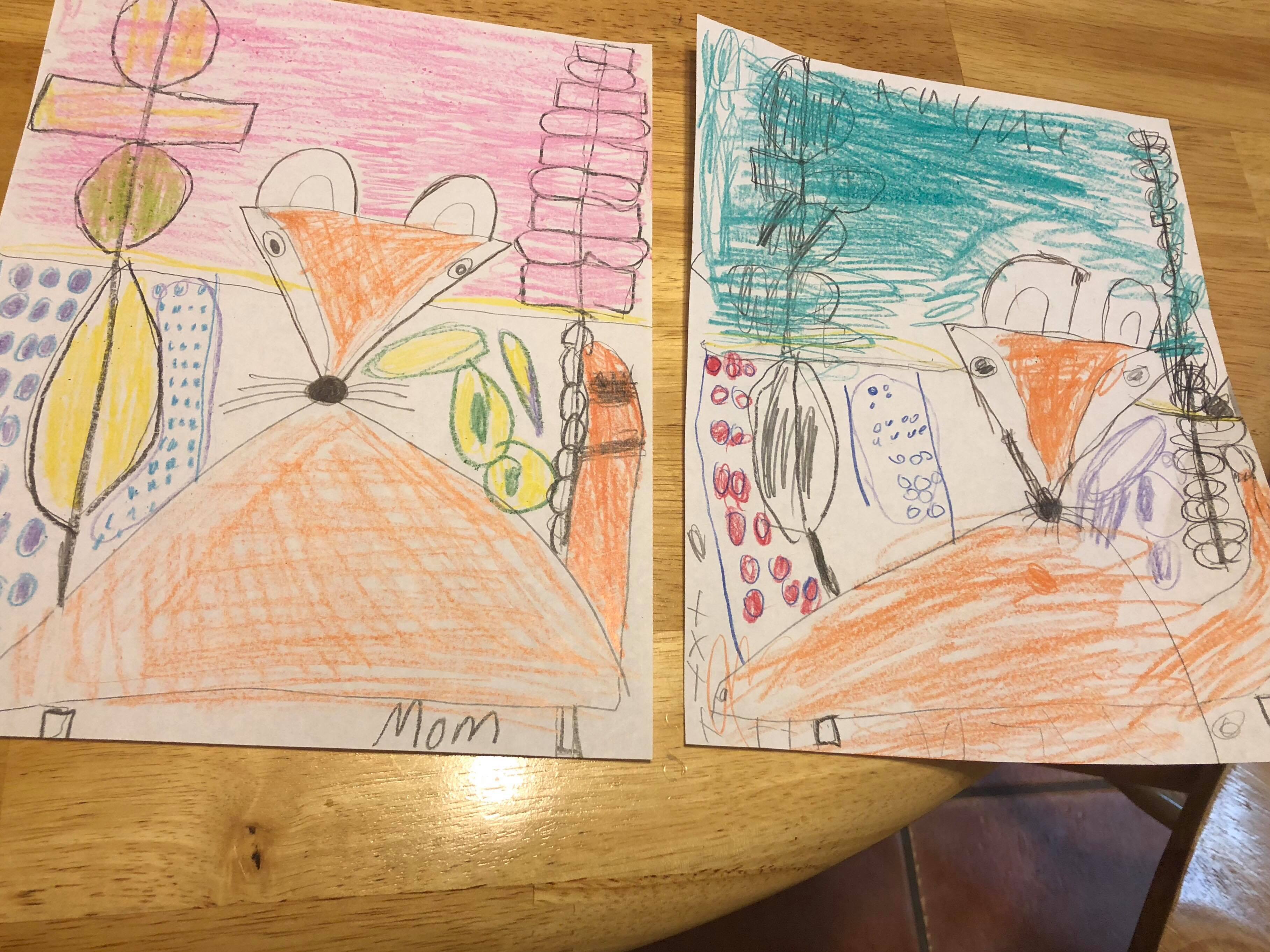
    “Mommy, do you know how to draw a fox?” Ashlynn asked me tonight at dinner.

    “Oh baby, I don’t really know how to draw much of anything,” I answered while my husband snorted his drink out his nose in laughter before adding,

    “That much is true!  Mommy is not an artist.”

    I shot him an evil glare but unfortunately there was no denying the truth.

    “Can I teach you how mommy?  I learned how to draw a fox in art?” Ashlynn offered.

    I agreed and after dinner she had gathered paper and coloring utencils and set to work.  I really wasn’t sure what to expect.

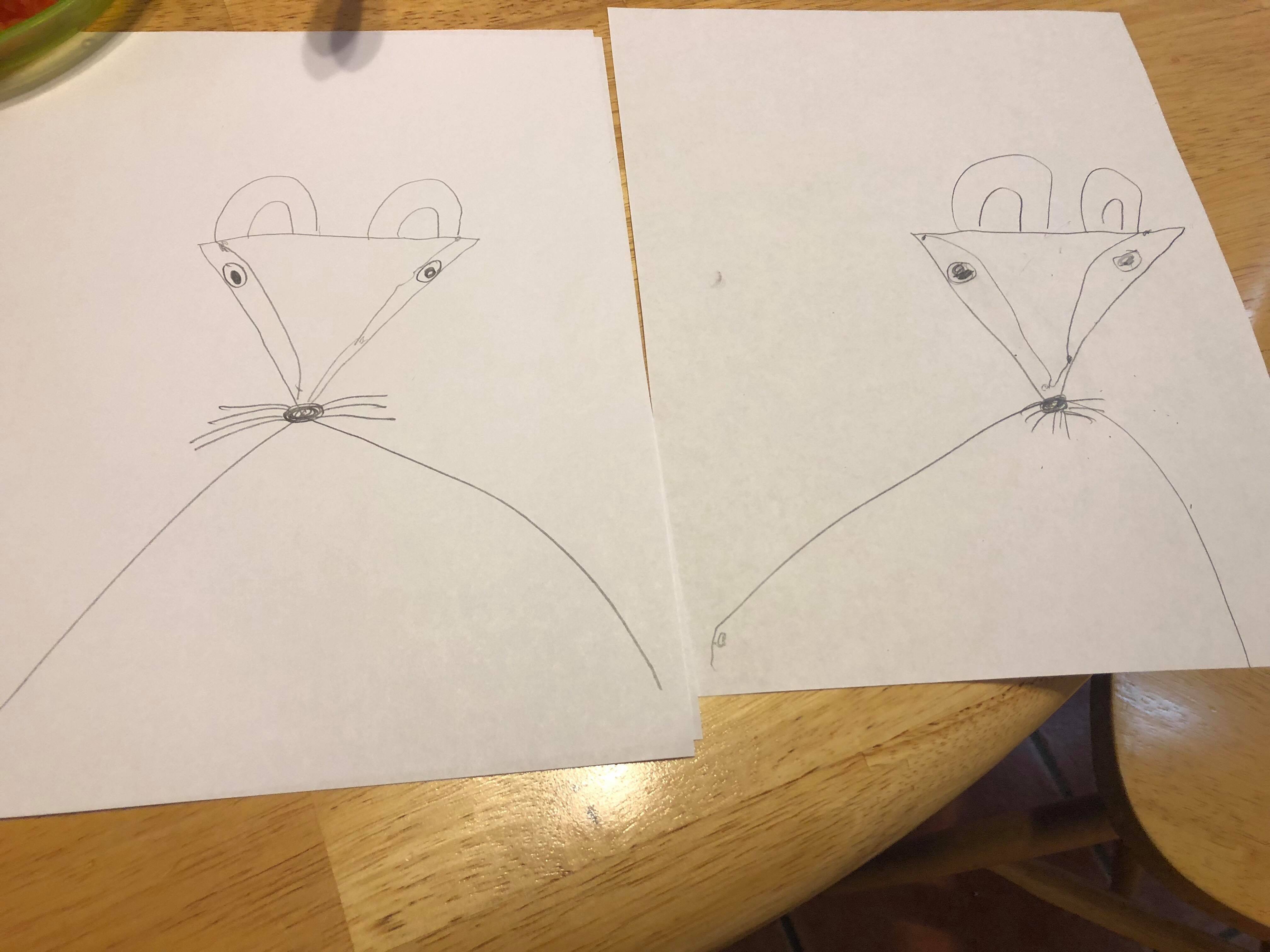
    “Put your fist in the middle of the paper like this, and now draw a line across the top,” she instructed.

    I complied.

    “Now connect this line to this line and see?  We made an upside-down pizza,” Ashlynn continued.

    I looked at the perfect triangle and my mind raced back to three days earlier at OT where the therapist told me Ashlynn’s hardest shape to draw is a triangle because of the diagnal lines. I stared incredulously again at Ashlynn’s perfect triangle.

    “Mom!  Are you paying attention?”

    She then took me in precise detail through the rest of the picture.

    I was impressed by this.

    “You are such a great teacher Ashlynn,” I said.

    “I know mommy because I want to be a teacher you know that.  A teacher and a dog walker because that’s my deal.”

    I smiled.  She just produced a compound complex sentence.  This girl with apraxia and a language disorder just said that.

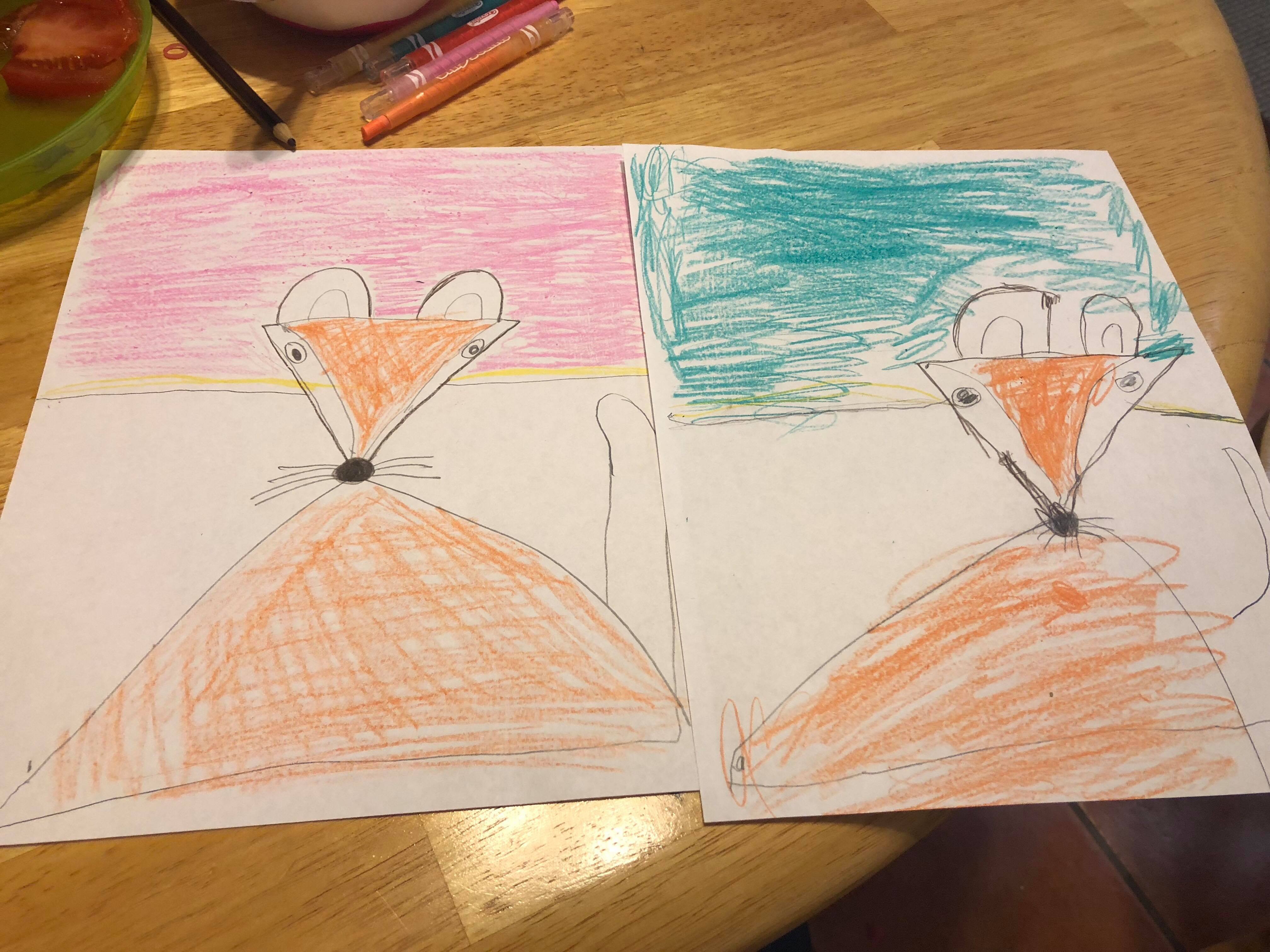
    Next was the colors.

    I fought back tears.  This was incredible.  I watched her color the page with her wrist fluidly and precisely moving back and forth and my mind flashed back to when her OT told me that until she is able to isolate her wrist from her arm, she would always have trouble coloring within the lines.  I marveled at her wrist now.  Isn’t that crazy?  What mom would marvel at their child’s wrist and control unless they had witnessed how hard that skill was to master.

    Next was texturing and drawing the trees.

    She used these terms I had never heard like “we have to jump and bump.”  I followed along dutifully.  At the end of her lesson I praised her.  It was incredible.

    “But Mommy, we aren’t done!” she said as she got out two new blank pieces of paper.

    She told me we had to write about them.

    Write?  Like actually write?  This girl with motor planning, dyslexia, and dysgraphia now wanted to write about the fox?  She began writing but immediately messed up her spelling. As she peered over at my page that she had dictated, she decided to just copy my sentence. I watched her form the letters as she had been taught and practiced throughout her years of OT and copy my sentence. There was a time, she couldn’t even copy her name, I thought to myself.

    “Sorry, mommy, ” she said, “I can’t write really good yet.”

    I responded, “That’s okay, because I can’t draw very well.”

    “But I can teach you!” she said happily.

    With tears in my eyes I told her,

    “If you teach me how to draw, I’ll teach you how to write.”

    “DEAL!” was her enthusiastic response.

    So that’s the deal.

    Thirty years later my art teacher was a 9 year old girl with cerebral palsy, severe motor planning deficits and a laundry list of learning disabilities whose greatest wish in the world is to be a teacher.  Little does she know, she already is.