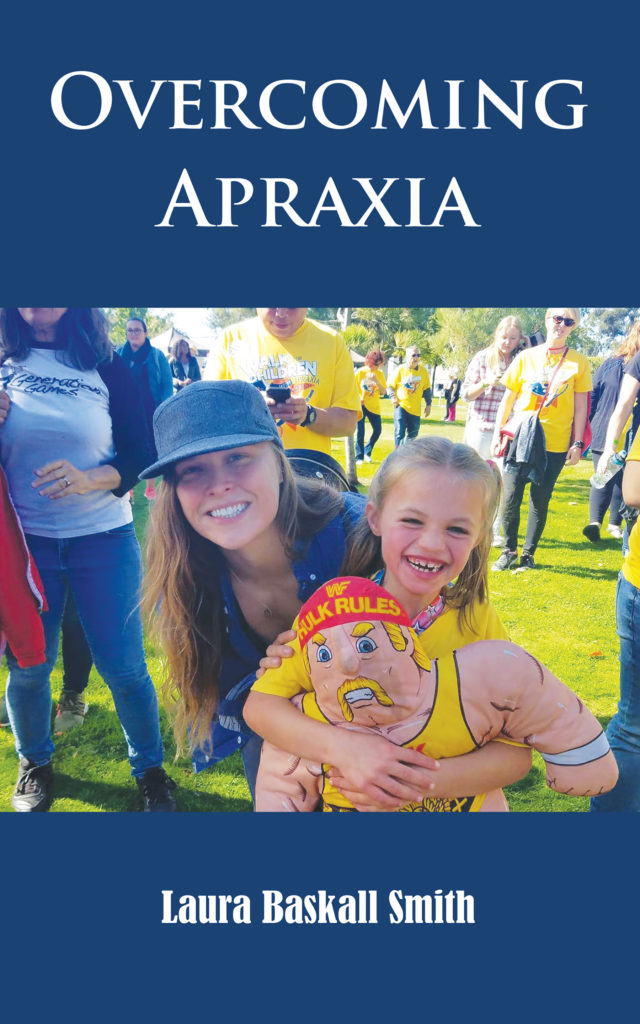
Ashlynn actress and WWE star Ronda Rousey who overcame apraxia as well
Almost seven years ago to the day, before my daughter Ashlynn’s 3rd birthday, I received news so significant, my life has never been the same. Though devastating at the time, the life lessons I have learned from it have far outnumbered any loss.
What was this news?
My daughter Ashlynn was diagnosed with one of the most severe neurological speech disorders in children. It is called “childhood apraxia of speech (CAS).
Not only was this diagnosis devastating to hear as a parent, I was also a practicing speech/language pathologist and the diagnosis flew me into a tailspin. Reeling that I didn’t know enough about apraxia, I threw myself into education.
Overcoming Apraxia is the culmination of this seven year journey.
There has been hard ache, triumphs, incredible highs (like meeting famous UFC and WWE super star Ronda Rousey who had CAS) twice and desperate lows (bullying, financial cost of therapy, the toll on the family).
Through it all though, Ashlynn maintained a positive attitude, incredible resiliency, kindness and bravery that I have never witnessed firsthand in another human being.
Overcoming Apraxia is this story. Interspersed throughout are also professional definitions, advice, and tips and tricks for parents and professionals that I utilize in my professional practice. I cover topics such as: comorbidities, financial cost, the effect on siblings, advocacy, educational concerns, genetics, specialists and of course, Ashlynn’s story to success.
Laura Smith, M.A. CCC-SLP is a 2014 graduate of Apraxia Kids Boot Camp, has completed the PROMPT Level 1 training, and the Kaufman Speech to Language Protocol (K-SLP). She has lectured throughout the United States on CAS and related issues. Laura is committed to raising and spreading CAS awareness following her own daughter’s diagnosis of CAS and dyspraxia. She was the apraxia walk coordinator for Denver from 2015-2019, and writes for various publications including the ASHA wire blog, The Mighty, and on a website she manages slpmommyofapraxia.com. In 2016, Laura was awarded ASHA’s media award for garnering national media attention around apraxia detailing her chance meeting with UFC fighter Ronda Rousey, and also received ASHA’s ACE award for her continuing education, specifically in the area of childhood motor speech disorders. Currently, Laura is a practicing SLP specializing in apraxia at her clinic A Mile High Speech Therapy in Aurora, Colorado.
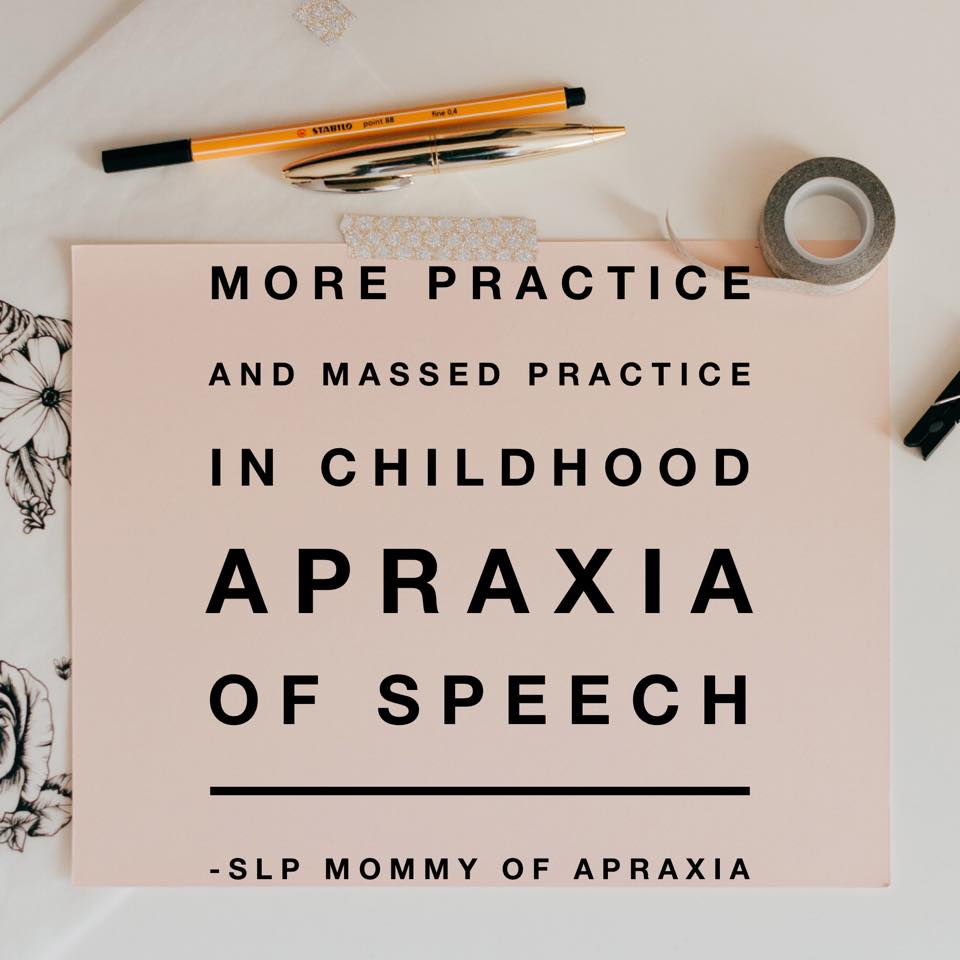
A new study finds a marked advantage for more practice, as opposed to less practice, in the treatment of Childhood Apraxia of Speech and that there is support for massed practice of speech targets versus distributed practice.
August 2019
The primary purpose of the study by Maas and colleagues,
detailed in the recent publication “Bang for Your Buck: A Single Case
Experimental Design Study of Practice Amount and Distribution in Treatment for
Childhood Apraxia of Speech” was to study treatment intensity in treatment for
CAS. The specific aspects of intensity
addressed in this study included both practice amount and practice distribution.
Practice amount refers to the cumulative
amount of practice trials and treatment sessions provided, while practice
distribution relates to how the practice amounts are divided – or distributed-
across the treatment period.
A secondary aim was to further examine the efficacy of a
therapy approach called “integral stimulation” (in this article the form of
integral stimulation is termed ASSIST.
ASSIST stands for “Apraxia of Speech Systematic Integral Stimulation
Treatment” and was specifically developed to facilitate replication,
experimental control, and consistency in research studies using the approach.
Why
did researchers study this?
Anecdotally, and in several small studies, children with
apraxia of speech reportedly benefit in their speech improvement when speech
therapy incorporates what are known as “principles of motor learning.” These
principles are essentially several factors that have been demonstrated to
facilitate the retention and transfer of motor skills. Principles of motor
learning includes specific factors such as how someone practices a motor
skill as well as the feedback they receive when they practice the skill. These
“principles” of both practice and feedback influence the permanent retention of
a motor skill, according to motor learning research.
In this study, researchers were focused on conditions of
practice. Conditions of practice includes
the intensity of practice, i.e. how much practice of the skill should occur and
if that practice should occur in a “massed” way (a set amount of practice in a
short period of time) or distributed way (a set amount of practice occurring
over a longer period).
The diagnosis of Childhood Apraxia of Speech relates to a
child’s ability, or lack of ability, to plan and program the series of highly
specific movements that underlie intelligible speech. Researchers have wondered
if aspects of how people learn and retain other movement and motor skills and
achieve skilled movements could impact how children with apraxia of speech
learn speech motor skills (i.e. the motor planning and programming that
underlie speech).
However, principles of motor learning which originated through
studying physical movements vs speech arose from motor learning research that
is primarily based on studies of average adults, not on children, and not on
children with speech motor problems like apraxia. Therefore, while motor
learning principles provide a possible framework for how one might learn and
retain the motor skills needed for speech, research using these principles,
specifically on children with apraxia of speech, is needed.
Finally, the authors point out that results from motor learning
research as it relates to intensity differ from results from another body of
research in neuroplasticity. Specifically, motor learning research has found
that distributed practice results in better outcomes than massed practice
conditions. The reverse is true,
however, in neuroplasticity research.
What
did the researchers do?
Participants were a group of six children with CAS who were
carefully chosen using well-defined criteria for inclusion in the study. Data was taken over approximately 24 weeks.
The study design was described as an “alternating treatments design.” In this
type of study design, all the participants receive all the experimental
conditions in the full course of the study., All participants received massed
and distributed practice. Additionally, depending on the practice distribution,
the number of practice targets varied per session (allowing amount of practice
to also be manipulated and examined).
What
did they find out?
Regarding the amount of practice, the study results
indicate that, four of the six children showed greater improvement and effect
sizes with more practice of a smaller set of targets. Targets practiced with a
low amount of practice were, overall, not different than the untreated targets.
Both individual and group data suggests there is a greater advantage for more
practice and supports the assertion and previous research that children with
CAS benefit from more practice.
Regarding practice distribution, the study found that 5 out
of the 6 participants most benefitted from massed versus distributed practice.
As a group, there appears to be an advantage to massed practice as shown byeffect
size and percent change. The researchers indicate that this finding is more
aligned with neuroplasticity research than it is motor learning literature.
Finally, this study contributes to existing research
demonstrating that the “integral stimulation” approach to speech therapy for
children with CAS is an effective approach.
Integral stimulation approaches include a focus on tactile cues, slowed
rate, fading of cues over time, and a focus on movement accuracy of complete
speech targets (vs. the segmentation of targets).
Summary
In this study, researchers found that children with apraxia
of speech benefit from more speech practice opportunities, especially when the
practice of the speech targets is massed, i.e. a set amount of practice that happens
in a short period of time. Integral stimulation methods are an important tool
in treatment for children with CAS.
Limitations of the current study include the small sample
size and modest effect size, likely due to a relatively small amount of overall
practice. More research is needed with larger sample sizes and greater differences
between conditions.
Source:
Maas, Edwin, et al. “Bang for Your Buck: A Single-Case Experimental Design Study of Practice Amount and Distribution in Treatment for Childhood Apraxia of Speech.” Journal of Speech, Language, and Hearing Research (2019): 1-23.
This article was written in collaboration with contributors to SLP Mommy of Apraxia.
Laura Smith, M.A. CCC-SLP is a 2014 graduate of Apraxia Kids Boot Camp, has completed the PROMPT Level 1 training, and the Kaufman Speech to Language Protocol (K-SLP). She has lectured throughout the United States on CAS and related issues. Laura is committed to raising and spreading CAS awareness following her own daughter’s diagnosis of CAS and dyspraxia. She is the apraxia walk coordinator for Denver, and writes for various publications including the ASHA wire blog, The Mighty, and on a website she manages slpmommyofapraxia.com. In 2016, Laura was awarded ASHA’s media award for garnering national media attention around apraxia detailing her encounter with UFC fighter Ronda Rousey, and also received ASHA’s ACE award for her continuing education, specifically in the area of childhood motor speech disorders. Currently, Laura is a practicing SLP specializing in apraxia at her clinic A Mile High Speech Therapy in Aurora, Colorado.
There will be amazing times, not so amazing times, and some terrible times. Every human experiences this because it is the definition of what it is to live. During those down times in life, whatever they may be; the one thing worse than the situation is believing you’re alone in your situation.
Humans are social beings. The most important things we can do for ourselves on any journey in life is to find others who are going through the same experience.
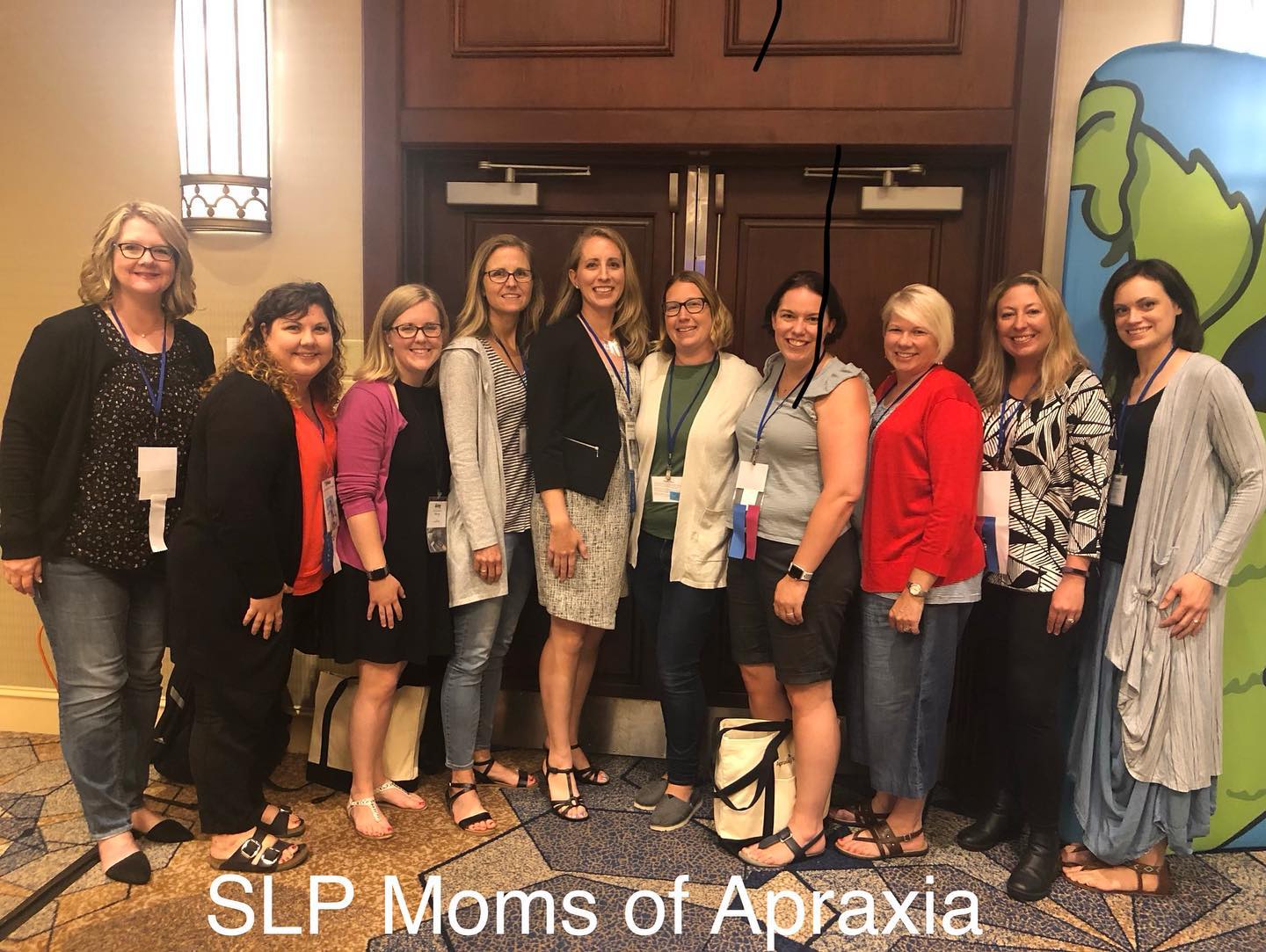
Seven years ago Ashlynn my daughter was diagnosed with apraxia, a rare but serious neurological speech disorder and my world came crashing down. I was quick to find an online support group, and though I related with everyone’s parental feelings, no parent could understand my added guilt of being a speech/language pathologist that couldn’t help her child speak. I was not alone, but still felt alone. That was until, I met another SLP Mommy of Apraxia Kim and we formed an online Facebook group called SLP Moms of Apraxia. Through this online group I connected not only with Kim, but with so many other moms nationwide going through the same struggle. I remember being awe struck. Once upon a time I truly believed I was the only SLP on the planet who had a kid with a rare speech disorder called apraxia. SLP’s are not necessarily a prolific profession and apraxia is seemingly rare. We formed this online group and suddenly we started to find our tribe. I know there are those who dismiss social media. However, it was truly a “bridge” that connected me in Colorado to other SLP Moms of Apraxia around the world.
When I attended my first conference I was nervous and didn’t know anyone.
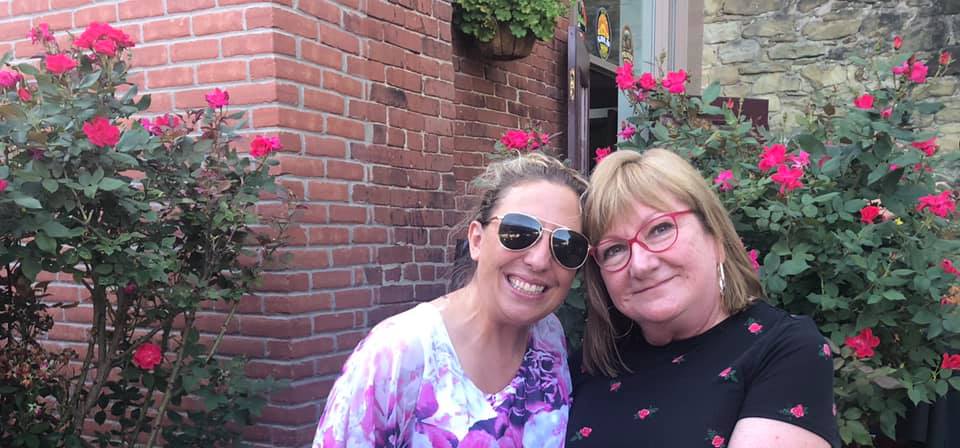
All I knew was this woman named Sharon who moderated the online parent group and lived in Pittsburgh, 1,450 miles away. She had come to Denver (my home town) and encouraged people to come find her at the national conference. I remember I took my husband to a meet and greet event. An event I would have never considered had I not been speaking to her via Facebook. We didn’t have money at the time but the personal connection pulled me in. I stopped dead in my tracks as we looked at the kind and unassuming woman greeting people in her Birkenstocks. I told my husband this was like meeting Julia Roberts! I remember his puzzled face. No, Sharon wasn’t famous in celebrity magazines, but thanks to the the modern development of social media she had pulled me and countless others out of the rabbit hole of grief. Unless you have experienced it, it’s impossible to explain our instant connection even though we only knew each other through Facebook group. Seven years later I would fly to Pittsburgh and meet her in her hometown where I would have my family in tow and she would have Luke. We would share a pretzel and cheese at Penn Brewery listening to local bands. This night I felt I had known Sharon my entire life.
Music, food, and brews in PA
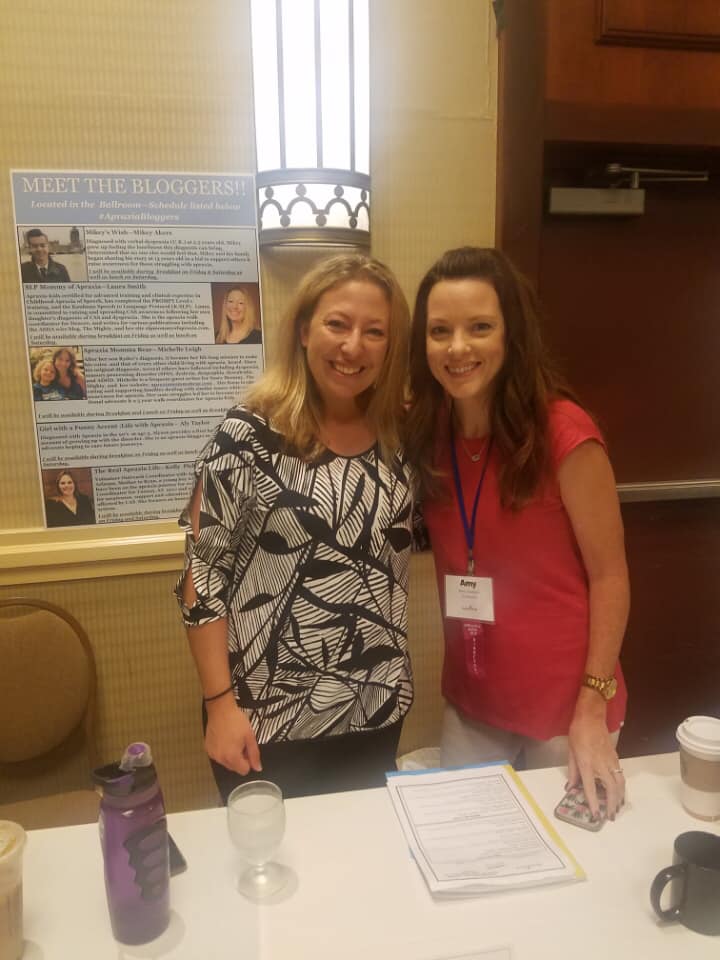
During this 2019 Conference I was also able to meet up with my social media blogger tribe!
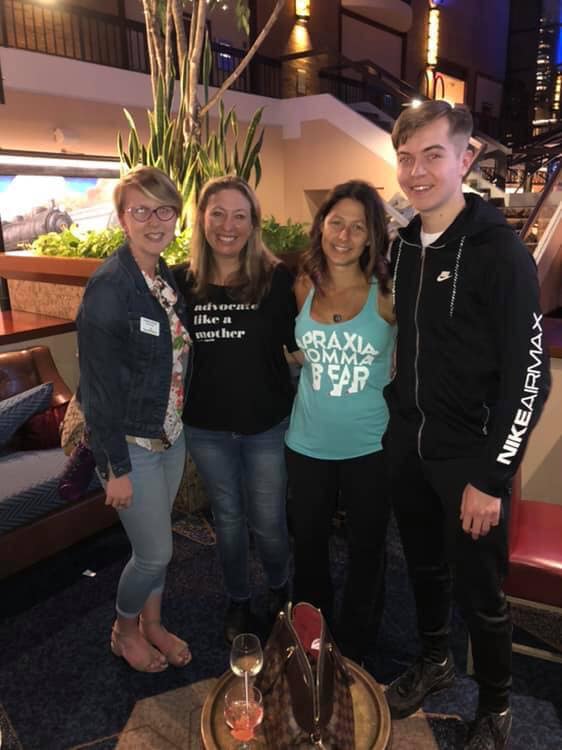
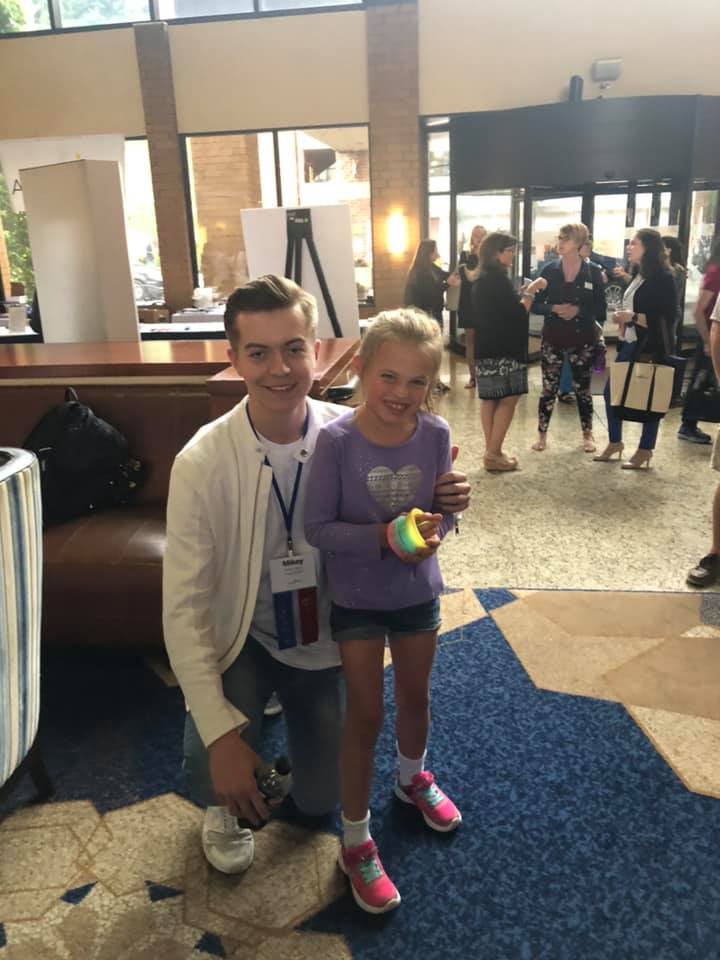
Back when I attended my first conference in 2013, there were no “bloggers” per se. There was a strong online community but blogging was relatively new. Fast forward to 2019 and I am standing next to prominent bloggers and social media influencers in the apraxia community. The minute I meet these people I again feel that immediate connection. They are my apraxia online buddies, but they are more than that…they are MY TRIBE. Aly from California (Girl with a Funny Accent) and Mikey (Mikey’s Wish: Verbal Dyspraxia Awareness) from the United Kingdom are individuals with apraxia, and Michelle (Apraxia Momma Bear) from Florida and me (SLP Mommy of Apraxia) from Colorado all have a social media presence. I can’t describe it but seeing them in person is just the icing on a solid foundation of cake that has already been made.
There was something striking to me though about this conference that I hadn’t realized in years past.
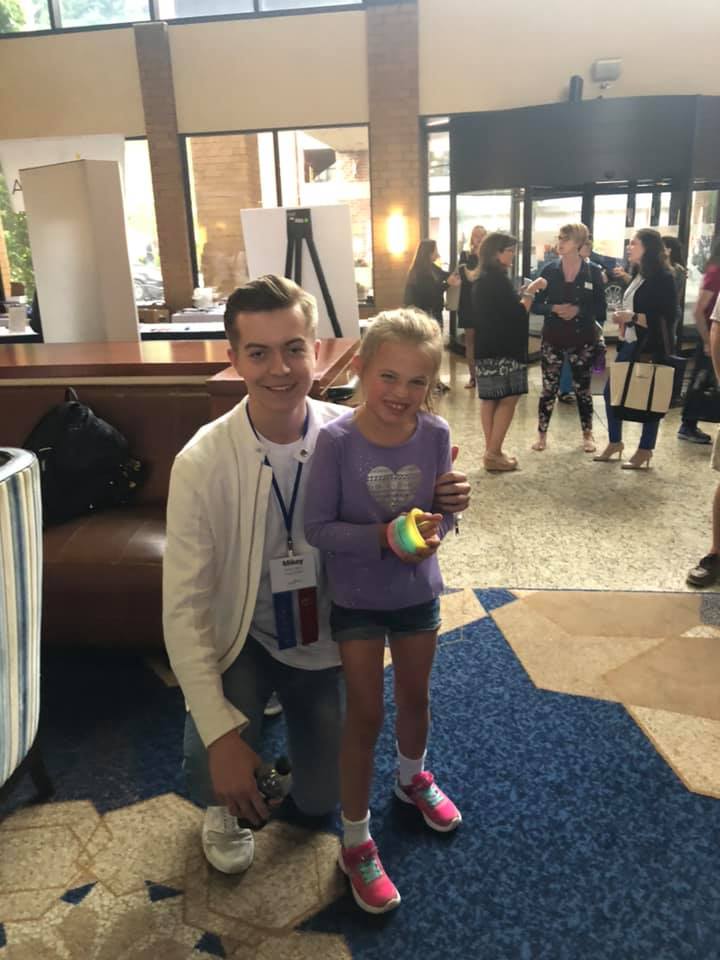
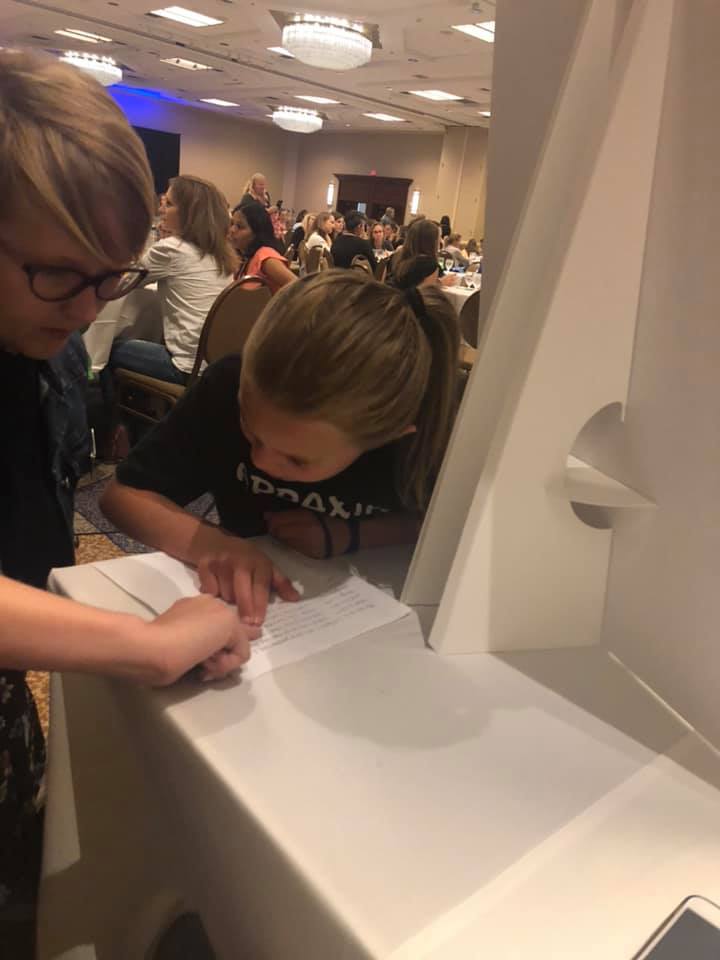
I brought Ashlynn because she was invited to speak at the young people/adult panel. She would be the youngest person ever to speak at the conference. I am very open with Ashlynn about what I post on my facebook SLP Mommy of Apraxia page. I have shown her posts from Mikey and Aly to help build her up and show her she’s not alone. She had never met Mikey or Aly in person until this conference. In EVERY situation where she saw Mikey she let out a squeal of joy “MIKEY!!!” She had never met Mikey. In fact, Mikey lives 3,625 miles away in the UK. She thought she had though because she followed him through social media.
During another instance, I was sitting at the blogger table with Aly when I asked Ashlynn to practice her speech. Ashlynn immediately started railing against me when Aly stepped up and said,
“Ashlynn! Can I help you practice? Will you read it to me?”
Ashlynn smiled and read the entire speech to Aly. Aly looked apologetic and explained children don’t really want to practice with their parents. My heart smiled and was filled with gratitude. I thought it was just me who connected with Aly, but I realized Ashlynn did as well!
Finally, there were the pinnacle moments.
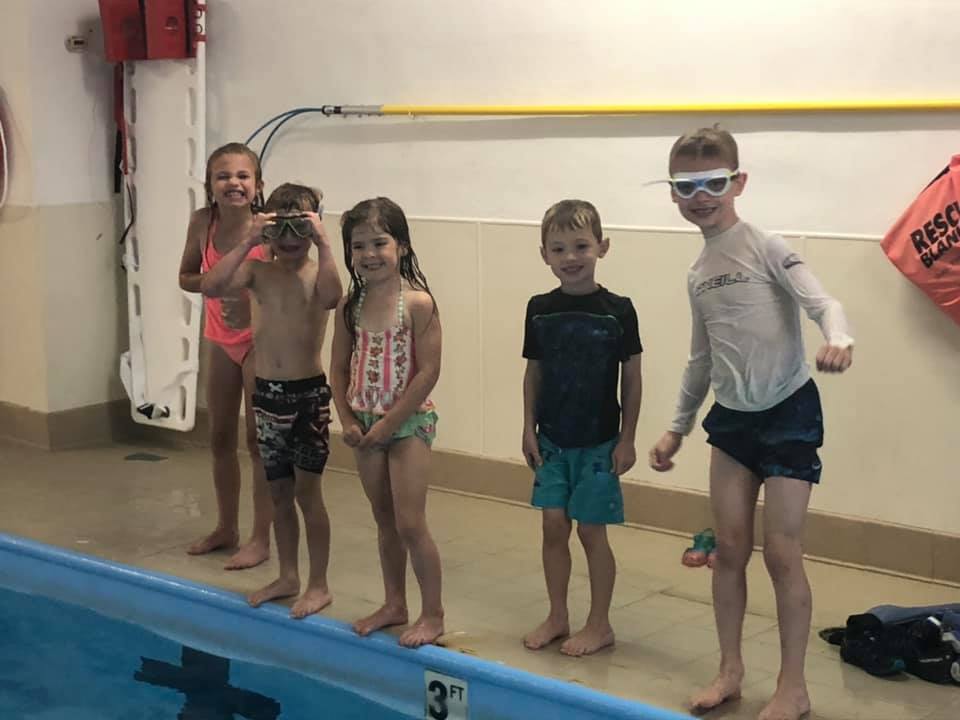
Two SLP Moms of Apraxia I knew were going to attend the conference and have their children in tow. I knew this of course through the social media network. I was able to invite Nicole from Home Educating Apraxia and Erika from PintSizedFoodie and their kids to our hotel for a swimming play-date. A play-date that would have never even been remotely conceptualized without social media. The connection between our kids was instant!
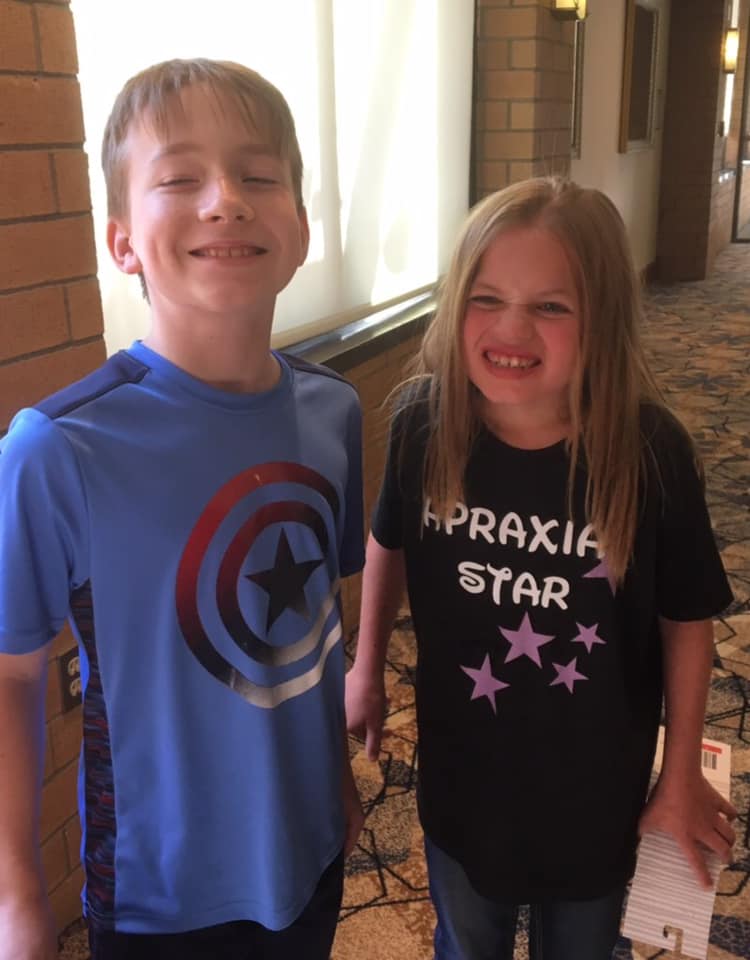
This year Ashlynn was going to speak in front of 500 people alongside Jayden LaVecchia, a 10 year old who had endured a lengthy and difficult struggle. Thanks to the social media, Ashlynn and Jayden were able to send each other video messages and “meet” each other through social media. The in person meeting was electric. You would have never known they live 1,896 miles apart. Through the power of social media, it’s like they had known each other their entire lives!
Watching the keynote of over 500 people
Find your tribe and love them hard.
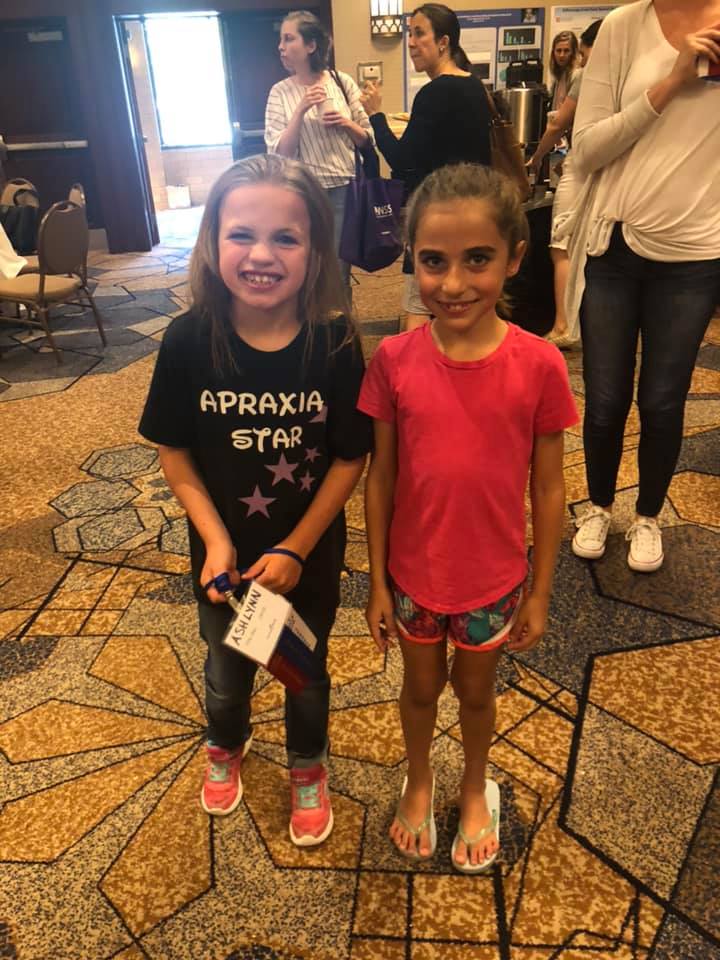
I realized at this conference, our kids need their tribe as much as us parents do! Ashlynn was fully immersed with her people and absolutely thrived. Her penpal Maya and her mom Elisa who has a social media page called Sweatpants and Speech Therapy talked about how they want to create a camp for kids with apraxia! This would be a place for all kids with apraxia to come and be together. In our struggle as parents, we forget our children need their people too!! Though apraxia is rare, social media is a powerful tool to connect! Ashlynn knows her apraxia tribe locally because I coordinate the walk, but also nationally and even internationally because of social media!
New to the tribe, longtime member of the tribe, it all came together through social media.
Early in my journey I also met someone via social media living in Oklahoma. Shelley has been with me since my early days and we have followed each other and our kids through Facebook. Seeing Shelley feels as familiar as home. We always pick up right where we’ve left off. So funny to me that I would have never met her without Ashlynn having apraxia or without social media. Seven years ago and since our joke when we were crying on each others’ digital shoulders were emoji’s showing a jet airplane and a glass of wine. Through the years we’ve found ways to make those emoji’s come to life.
Then there was Scott from Apraxia Kids of Arkansas and Apraxia Mama Meghan from Instagram. Two passionate and fierce apraxia advocates! Scott lives in Arkansas and Meghan lives in the Bronx. I got to know these two well from social media. Though their communities are different, both of them have a heart and love I can’t begin to describe. I learn about their communities through social media and we instantly connect because we know each others’ story.
Professional connections
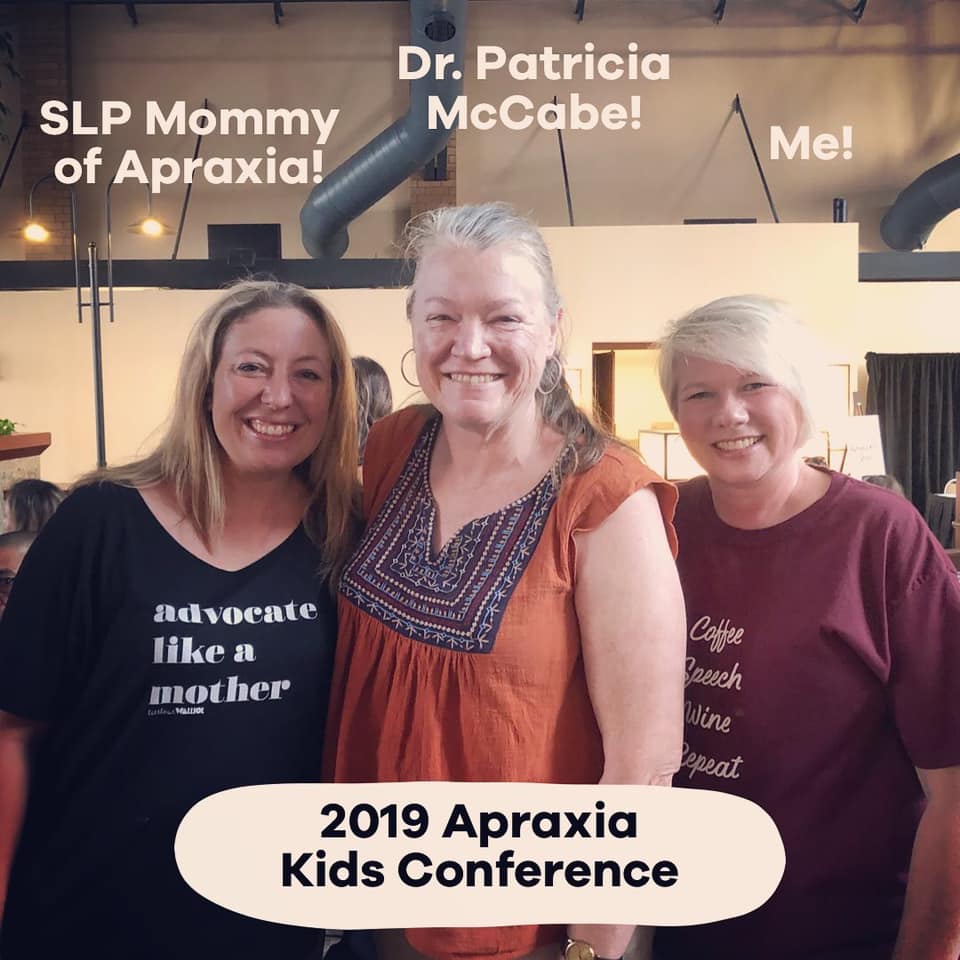
Professionals use social media as a way of extending their reach. I was able to have dinner with Cari Ebert, who has a strong Facebook and Instagram presence. It was amazing to talk to her and get to know her more. She also was the SWEETEST and made Ashlynn a sensory bag full of goodies and brought her some stickers. It was so touching that a child she had never met she thought about thanks to social media connections. Dr. Tricia McCabe from Australia has a strong Twitter presence, and meeting and chatting with her made it all come to life! Edited to add: A couple weeks later an Aussie SLP mom joined my SLP Moms of Apaxia group. When I asked her how she found our group, she said Tricia McCabe had told her about it after talking to Cari Ebert and me. Isn’t that funny? 8,000 miles away an SLP Mom whose child was dx with apraxia found a group online and never had to feel alone thanks to social media.
It was fun seeing Amy Graham of Graham Speech Therapy who has a strong Instagram presence at the conference. She lives in my state but I only really got to know her and her therapy practices through her numerous informative videos.
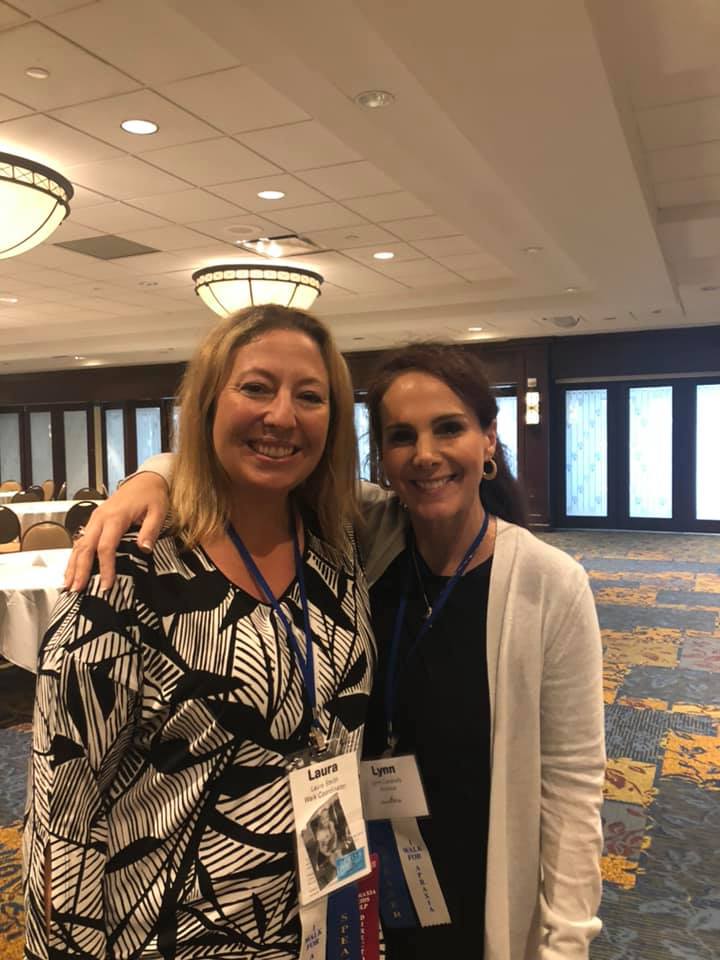
I was finally able to meet Lynn Carahaly who developed the Speech EZ program for apraxia. I had chatted with her via my Facebook page on numerous occasions so I felt like I already knew her! It was great though to actually meet her in person.
New faces!
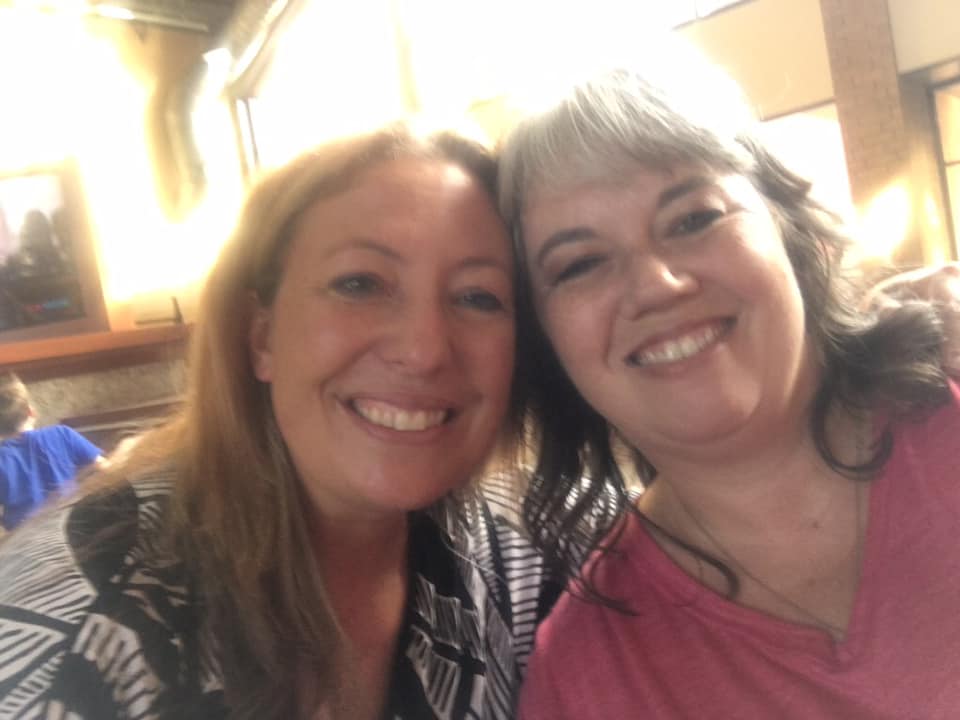
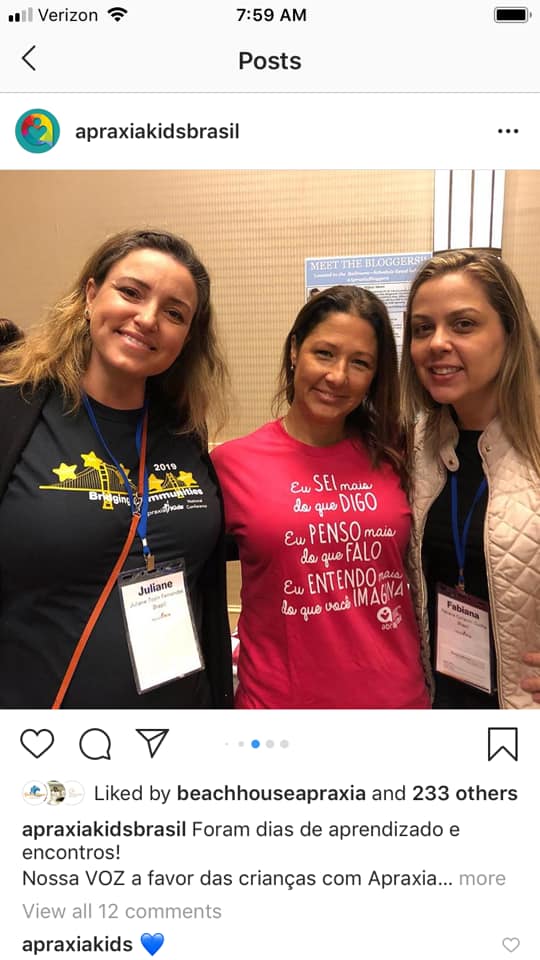
Finally, thanks to social media, people found me that I did not yet know! Two moms from Apraxia Kids Brazil were forging a path there for kids with apraxia came and introduced themselves. Living 4000 miles away they know everyone through…social media of course. We took a picture on someone’s phone but no one can find it so I’m posting them with Michelle of Apraxia Momma Bear! They gave me a shirt too and I wear it with pride!
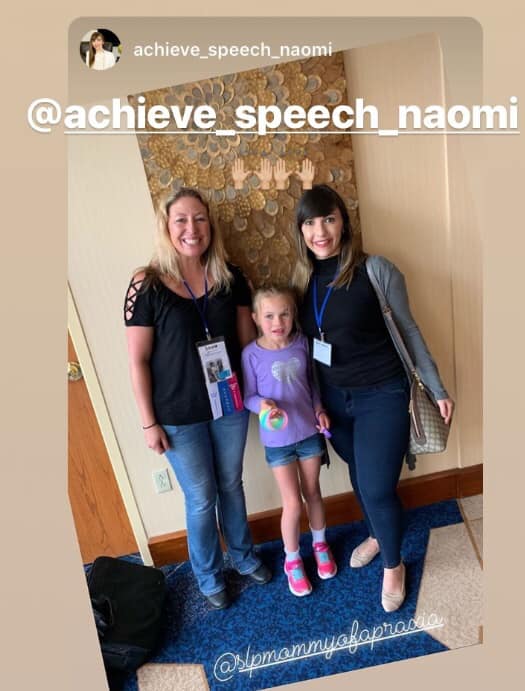
Though there were numerous, almost too many to count touching moments, my favorite was meeting Naomi. Naomi stopped me and Ashlynn and introduced herself. She told Ashlynn she was famous and she follows her on social media. Afterward Ashlynn told me, “Everyone knows me here!” with a big smile. I looked up Naomi on Instagram and found she lives in California and has over 10,000 followers! SHE was the famous one!
After Ashlynn and Jayden spoke, she caught them in the hallway and bent down on their level. She told them how brave they were and to always remember this moment. To be honest I don’t know what else she said because I had tears in my eyes and her sincerity and love flowed out of her onto them.
The theme of the conference was building bridges. I couldn’t help but think of all the way social media platforms have been a bridge connecting us all together. These invisible yet tangible bridges allowing us to connect and form relationships before we even meet. Personal and professional, national and international, old member and new members, social media connects us all.
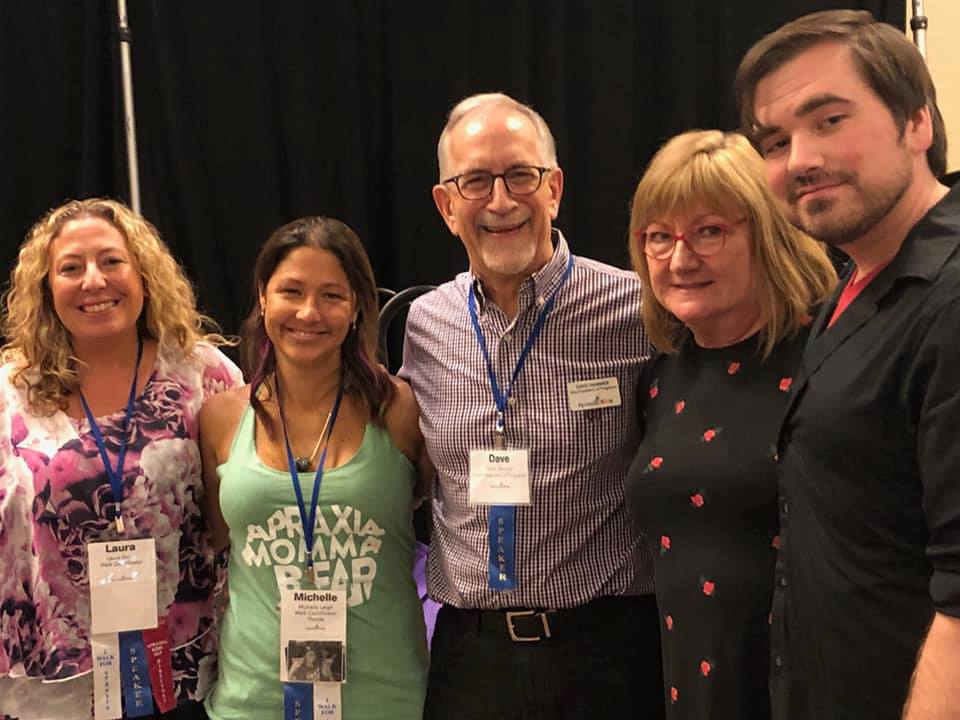
And it all started, when Sharon Gretz found SLP David Hammer in Pittsburgh. Dave gave her son Luke a voice, and she decided she needed a way to help others the way she herself had been helped. She started a list serve. True to her city, the city of bridges; she extended the bridge of knowledge online to those who were ready to hear it. That bridge turned into social media and the apraxia network was born.
I want to continue the legacy of building bridges that Sharon started in her city of Pittsburgh. I don’t want any child with apraxia to not get the help they need regardless of their circumstances. I want to always ask myself if I’m building bridges in my life and I want to ask you if you are too?
On my last day of the conference my Uber Driver was a cool cat. In his Pittsburgh accent he told me Pittsburgh had more bridges than any other city. He then asked me,
“So, what brings you to the Buuurgh?”
I smiled. Bridges brought me here, just not the ones to which he was referring.
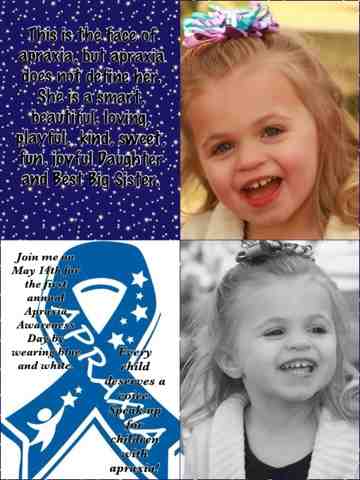
My daughter Ashlynn was diagnosed with apraxia in September of 2012, and I had been living in a place of fear, panic, and worry ever since. Having an event like the first ever Apraxia Awareness Day materialize almost 8 months later seemed like a blessing. It pulled me out of the sorrow in which I had been living and energized me. People were making these social media posters that described their child aside from their apraxia and it was inspiring. I wrote my post that night with the poster I had made for her.
It’s poorly done, and hard to read…but to me, this meant EVERYTHING. It says
This is the face of APRAXIA, but apraxia does not define her. She is a smart, beautiful, loving, playful, kind, sweet, fun, joyful, Daughter and BEST Big Sister.
Numerous others made a similar poster. The day was so inspiring and empowering, it lifted me out of the fog.
In 2014, the second annual Apraxia Day was celebrated, and I made another poster of my sweet daughter.
This one was clearer. You could read it. I made it and printed it out for her class to take home. Five years ago, I realized Ashlynn was my hero and I knew she was going to be a hero to so many others.
On this day, I was an SLP at her school and the only other kid with apraxia in the building was a twice exceptional student with apraxia in 5th grade. All together we created a presentation in which the 5th grade boy was adamant we make it clear you can’t catch it like a cold. I thought it was rather silly until almost all the kids raised their hands when he asked Ashlynn’s second grade class who there thought they could catch it like cold. I was in shock. It was eye opening for sure and reminded me why I need to continue to spread awareness!
Fast forward to 2019.
My daughter Ashlynn beat apraxia. I wish that was all she had to beat. She went on to get a diagnosis of dysarthria, cerebral palsy, dyslexia, and then an umbrella genetic mutation diagnosis of BCL11A that is the explanation for all of her disabilities including apraxia. Despite this though, she just tested ON GRADE LEVEL for reading now as a third grader after making almost 2 years worth of growth in ONE year. She beat apraxia, and I know she will continue to beat everything else that is thrown at her. With apraxia in our past, it’s a wonder why I haven’t moved on. After all, I could be the: dypraxia advocate, dyslexia advocate, ADHD advocate, SPD advocate, dysarthria advocate, language disorder advocate, or rare genetic chromosome disorder advocate. Why do I still remain and apraxia advocate?
The answer is simple. I was graced with “ripples.” If you are wondering what ripples means, it refers to the actions of ONE or TWO people that changed the trajectory of MY life. Those people were the founder of Apraxia Kids Sharon Gretz, and international apraxia expert Ruth Stoeckel.
This year, the seventh annual year, Apraxia Awareness Day continues to inspire me!
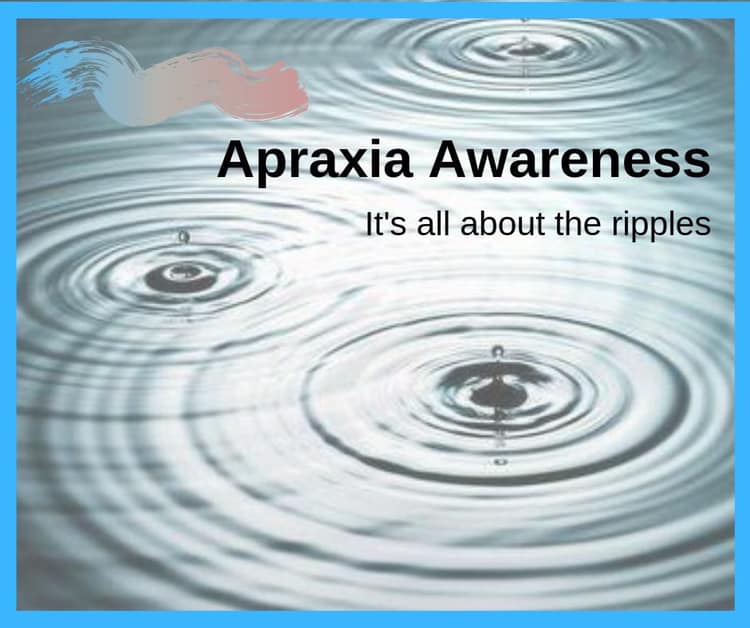
A phrase caught on called “It’s all about the ripples” and shows little sign of stopping. Many times, when you are on the front line of apraxia awareness you feel like you are spinning your wheels. An apraxia mama I know called it “feeling like Nemo in the Pacific Ocean.” However, that same mom, who is from California, managed to get Apraxia Awareness Day officially recognized by the state of California, something that has not been done in the SEVEN years apraxia awareness day has been officially recognized!!! That Nemo from Cali proves that ONE person’s “ripple” can make a state wide, SIGNIFICANT impact.
Another young woman Reagan Crabtree with apraxia from Iowa is great at social media and has a lot of anchors and journalists on her feed. She has been interviewed multiple times in the news and even appeared in the Rose Bowl. She told me connections mean something, and boy she is right! Her “ripple” reaches the news media and that is a HUGE ripple from ONE girl with apraxia.
I could go on with story after story, but as I look on my social media feed I see a movement growing bigger than before. The ripples are growing further! So many more people are spreading apraxia awareness and because of that more kids are going to get the help they need! I feel the movement! I feel the revival!
May 14th, Apraxia Awareness Day, is about the RIPPLES!!!
Though it can seem we alone cannot possibly change anything, together we have the ability to change the world! Even the smallest stone thrown into the pond can create a ripple, but when those rocks are multiplied, the impact is immeasurable!
Join us!!! Create a ripple that will create a wave!!
Post about Apraxia and Apraxia Awareness tomorrow! Hashtag it #apraxia and #apraxiaawareness and #apraxiaawereness day. Even if you feel like you only educated ONE more person…pat yourself on the back and realize you created a ripple!
Hi Alexis! I remember first seeing you on the facebook page apraxia awareness and hearing you do a very real and raw live Q&A. That was very brave of you! You were so gracious to answer so many questions openly and honestly. This past year, I set a goal to reach people outside of the United States. I want to help those who have apraxia worldwide get the help they need and deserve!! Having you on this blog post to start May and Apraxia Awareness month is helping achieve just that!! Thank you for your bravery!
To start, can you begin by telling us a little about yourself and your journey with CAS?
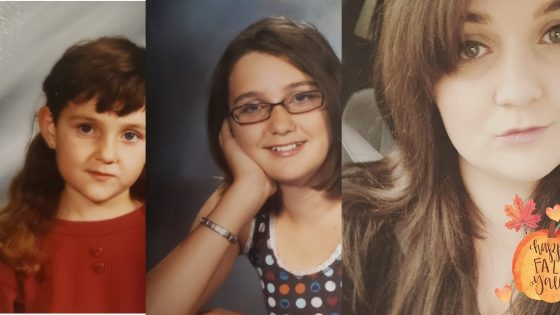
I am 23 years old. I am an insurance advisor in Alberta, Canada with the Co-operators. I took speech therapy from kindergarten until grade 5. I remember really realizing for the time that I had a speech impediment when I was about 7. I became interested in learning more about it in grade 6 – what it was & why I had it.
What do you remember as a child with CAS and speech therapy?
Like I said, I started speech therapy in kindergarten. I have really vivid memories of the hearing test they would do. Putting a headset on and listening for the beeping. You’d have to tell the person what side the beeping was coming from. I was always so proud because I aced those tests every time. The pride was usually met with confusion the first few times though. I did so well, you told me I got all of them right, so why do I have to come meet with you for lessons?
I remember being told I had a speech impediment. I remember all of the “that’s not how you pronounce that”, “listen to me”, “watch my mouth”, “it still doesn’t sound right”, but I didn’t get it. I can remember being frustrated and angry. This woman would tell me all these things over and over again and I was sitting there thinking lady, I just heard myself say it, it sounds exactly the same as when you do it. Of course, it didn’t.
When I say the first time I remember really knowing I had this was 7, it’s because I’m fairly sure that was the first time my speech therapist used a tape recorder. This thing was the bane of my existence. I’m 7, over confident, and a little annoyed with this woman because we’re saying the same thing. Was I ever showed up. This tape recorder comes out because after give or take two years my speech therapist must of realized I really didn’t hear what she was hearing. My voice in my head has no speech impediment and I was too young to understand that I just wasn’t hearing it right. I was about to have my little world crushed.
Every session started with me telling her about my last week. This session, she recorded it. The moment she hit play and I had to hear my actual voice, instead of the one in my head, I wanted to disappear forever. She’s not wrong when she says my sounds aren’t right. All of a sudden two years of fighting this woman came crashing down around me. I was wrong, she was totally right, and I sounded (to my very young self) weird. I can not tell you how miserable I was hearing this recording. I did everything I could after that to prevent her from using the tape recorder again. It did help though. My sessions went better and I got more done, because I knew I actually was saying the sounds wrong, even if I couldn’t hear it.
Were you ever bullied?
I know this isn’t what parents are going to want to hear, but yes, I was bullied a ton. The bullying continued all the way into highschool. Luckily for me, I had a great few friends and family members. We really started to look at people who said anything about it as just being sad, or a little pathetic. It might sound harsh, but really of all the things to choose to pick on someone for, this was pretty ridiculous (it’s always ridiculous though). Honestly, “they talk a little different then me so I’m going to bully them”. We’d think about their bullying in that really point blank way, and just laugh at them. That train of thought is may more ridiculous sounding then I’ll ever be.
How has apraxia affected your life, or has it? Do you have any residual issues?
The bullying did affect my life. Most days my above tactics worked great, but of course everyone has their off days where it just sucks. It still does just suck sometimes, but that’s not the end of my world. I still can’t say any of my R sounds. R sounds were the last thing to work on when I was in grade 5, and due to a lack of speech therapists in the school and time, I was seen 3 times that year. Once I got into middle school it wasn’t provided through the schools anymore and the cost was too high to do it privately. Now, I’m 23 years old with no real talent for R sounds. My last name is Berger and I work in the insurance field. Good choice, self. Other than that I have no real side effects or issues concerning my Apraxia.
Most parents are so worried about the future when their child gets an apraxia diagnosis. What would you tell them?
Your child is going to find their voice, it might be missing a few sounds or it might be through something less conventional than talking, but they will find it. We look at speech as so important, and it is, but you can live such a full life without being perfect at it. They are going to have talents and skills all their own that have nothing to do with how they talk, and chances are their speech being a little off won’t affect it at all. Support them, be there for them, and be ready to answer questions if they have them, but don’t make their entire life be Apraxia. You can find your voice without talking perfectly; talking is really the smallest part of it.
What do you wish more people knew about apraxia?
That it existed. No, really, just that it existed. I have been explaining this to people for about 11 years now. What it is, what it does, why I sound the way I do, and answering their questions. I just feel like if more people had known what it was when I was in school, it wouldn’t have been such a big deal to them.
What would you tell a child who is currently struggling to speak or who lives with a dx of CAS?
Don’t feel pressured to tell people it’s an accent. Most of my life people have thought that’s why I sound like I do. On an almost daily basis people ask me where I’m from. I always politely tell them it’s a speech impediment and give them some basic info. I want them to learn what it is. The most common response? “Oh, you should just tell people it’s an accent”. This is my absolute biggest pet peeve. The truth is, if someone tells you to say it’s an accent it is because they are uncomfortable with your explanation and with the truth. They feel a bit bad that they asked you where you from and they were wrong about it. They wouldn’t have to feel that little awkwardness if you had told them it was an accent and played along. I can promise you this is the real reasoning 99% of the time, even if people deny it. Do not let someone tell you to say you have an accent, unless that is truly more comfortable for you and what you want to do. You have a speech impediment. It is a part of you and there is absolutely nothing wrong with having one.
Aside from that, if you are working through your speech therapy at the moment, listen to them when they tell you to practice at home. I was supposed to practice my sounds in front of a mirror for at least 20 minutes a night and I flaked on it all the time. Don’t flake on it. Practice the sounds, it really will help things.
What do you think professionals such as teachers and therapists need to know about CAS?
Number one thing is that it exists and what it is. I have had so many awkward moments with teachers over the years. The second thing is how to handle it. If the student is old enough, ask them if you can help in some way. If they are still quite young, ask the parents.
I had teachers make me repeat an answer in class (in middle and high school) over and over and over because they couldn’t understand what I was saying. It was embarrassing. The other students would laugh and the teacher still wouldn’t realize that they should probably just stop. I would go up and just write what I was saying on the board. Then I’d get in trouble because it was unnecessary to do. Let your students help themselves and help you understand them.
If a teacher didn’t understand me after a few tries often one of my friends would just repeat my answer to them. This was great for me. I loved and appreciated them for doing this. Sometimes the teachers would get angry about it though. Let them help if need be!
Another big one is if you pick me to read something out loud I might take an extra second to read a word out. I would be thinking of how to pronounce it and trying to be sure it was going to come out properly. The teacher would just interrupt and say the word themselves. Let your students at least try to get it out. If they do happen to mispronounce it, see if they correct themselves. If they don’t correct themselves and just keep going, then leave it. Do not point out their mispronunciation in front of an entire body of students. If they are still in speech therapy you could try writing it down and letting them know after class which words came out wrong. Then they can take that to their next session as helpful information.
Thank you Alexis! This has been one of my favorite interviews. Your honesty and candidness are exactly what people need to here. I love your perspective. I just can’t say enough. Thank you for your willingness to share your story!
Growing up CAS is part of an ongoing series that aims to celebrate neurodiversity and highlight those who have grown up with Childhood Apraxia of Speech and related struggles. If you are interested in being featured, send an email to lauraslpmommy@gmail.com