Category: Apraxia Awareness Day

  • Apraxia Awareness Month 2024 is right around the corner!

    Apraxia Awareness Month 2024 is right around the corner!

    Apraxia Awareness Month is May of 2024! The first EVER Apraxia Awareness Day was recognized only 11 years ago on May 14th, 2013. Right on the heals of Ashlynn’s diagnosis in 2012, this day filled my cup!

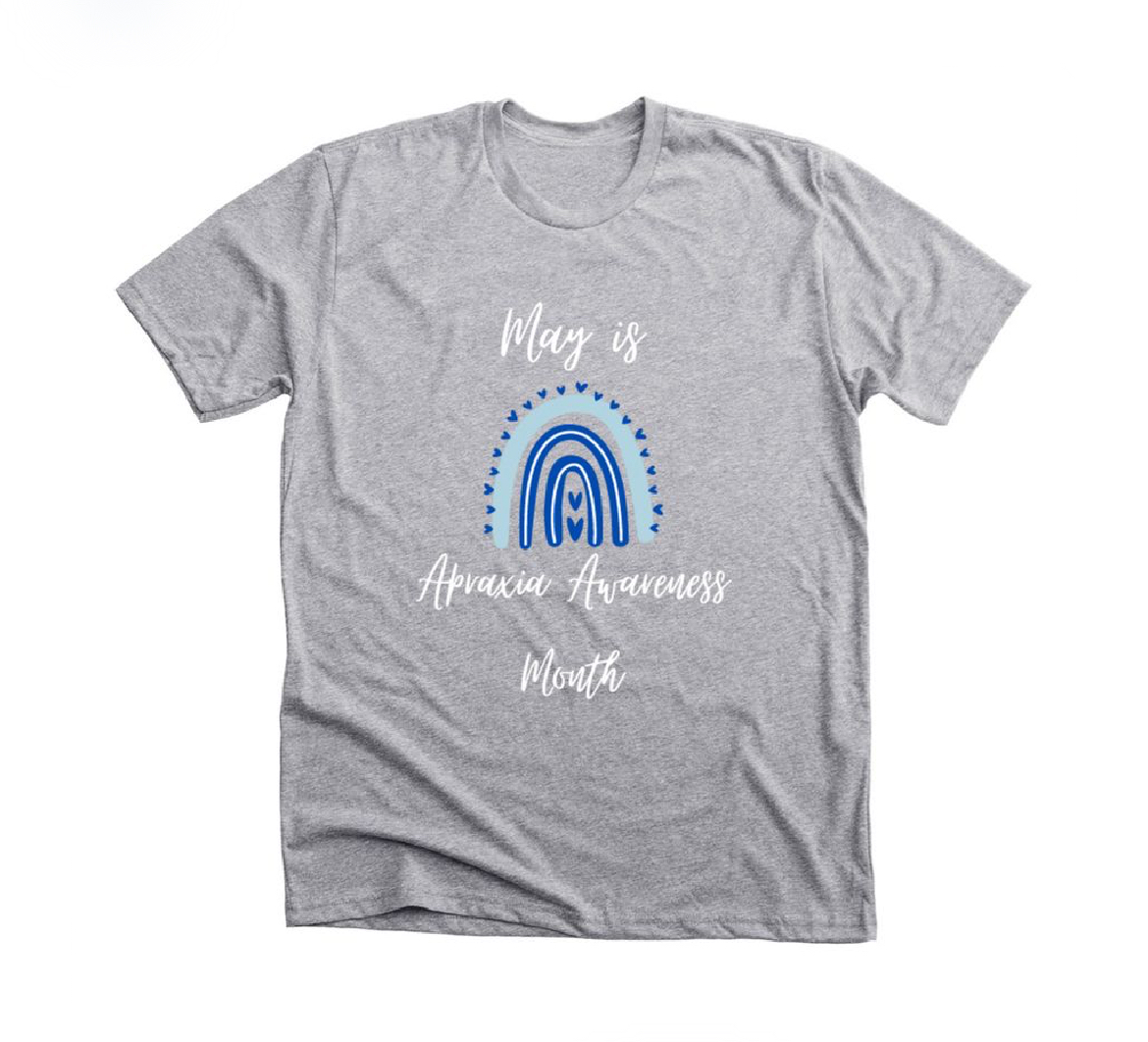
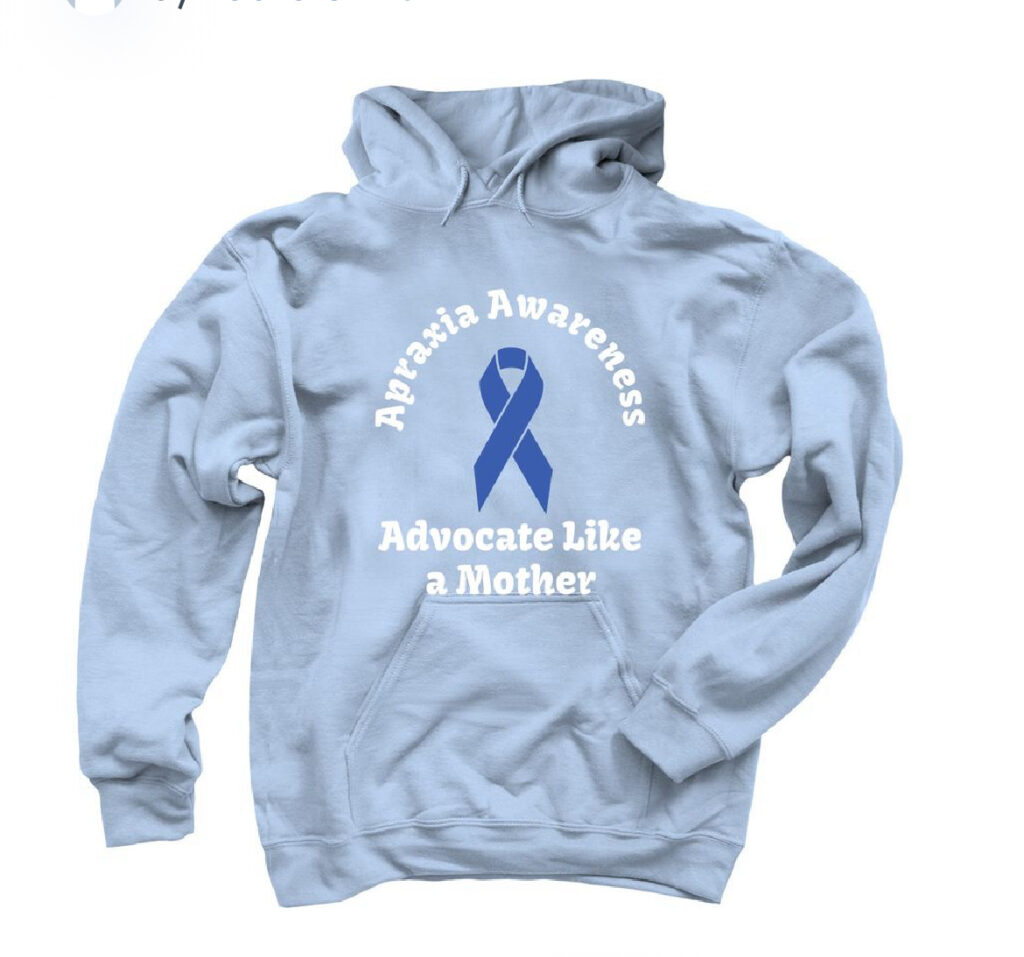
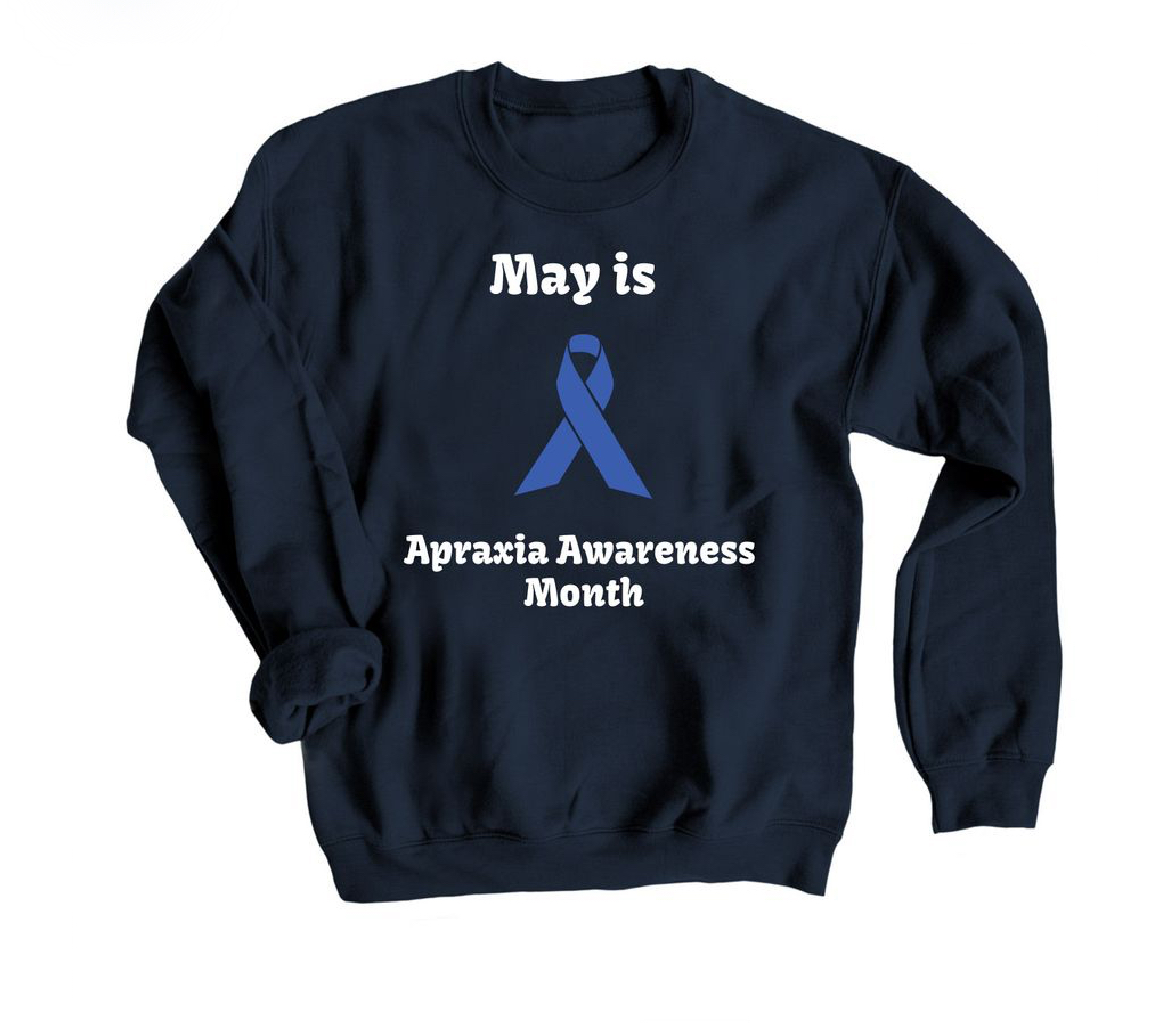
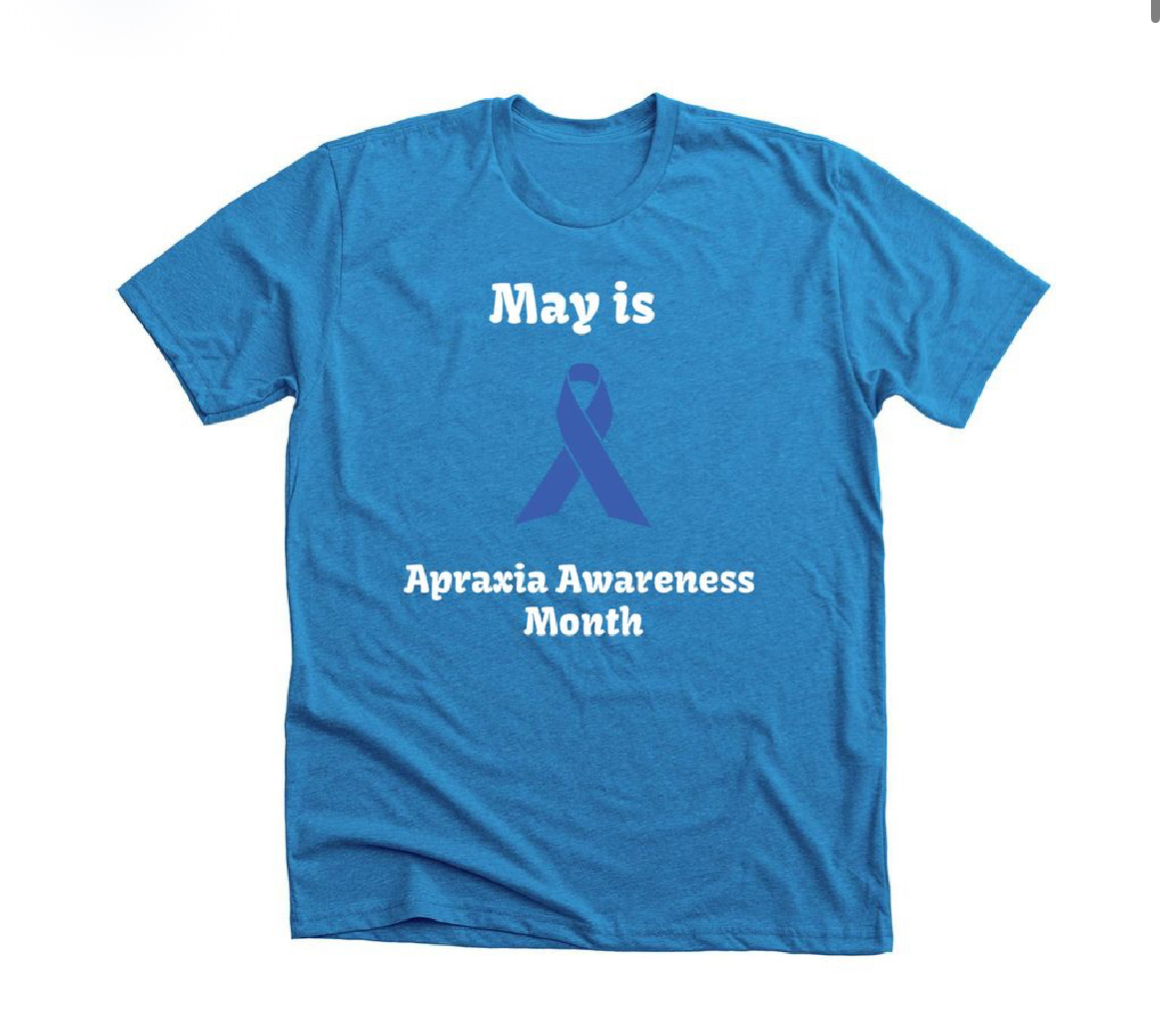
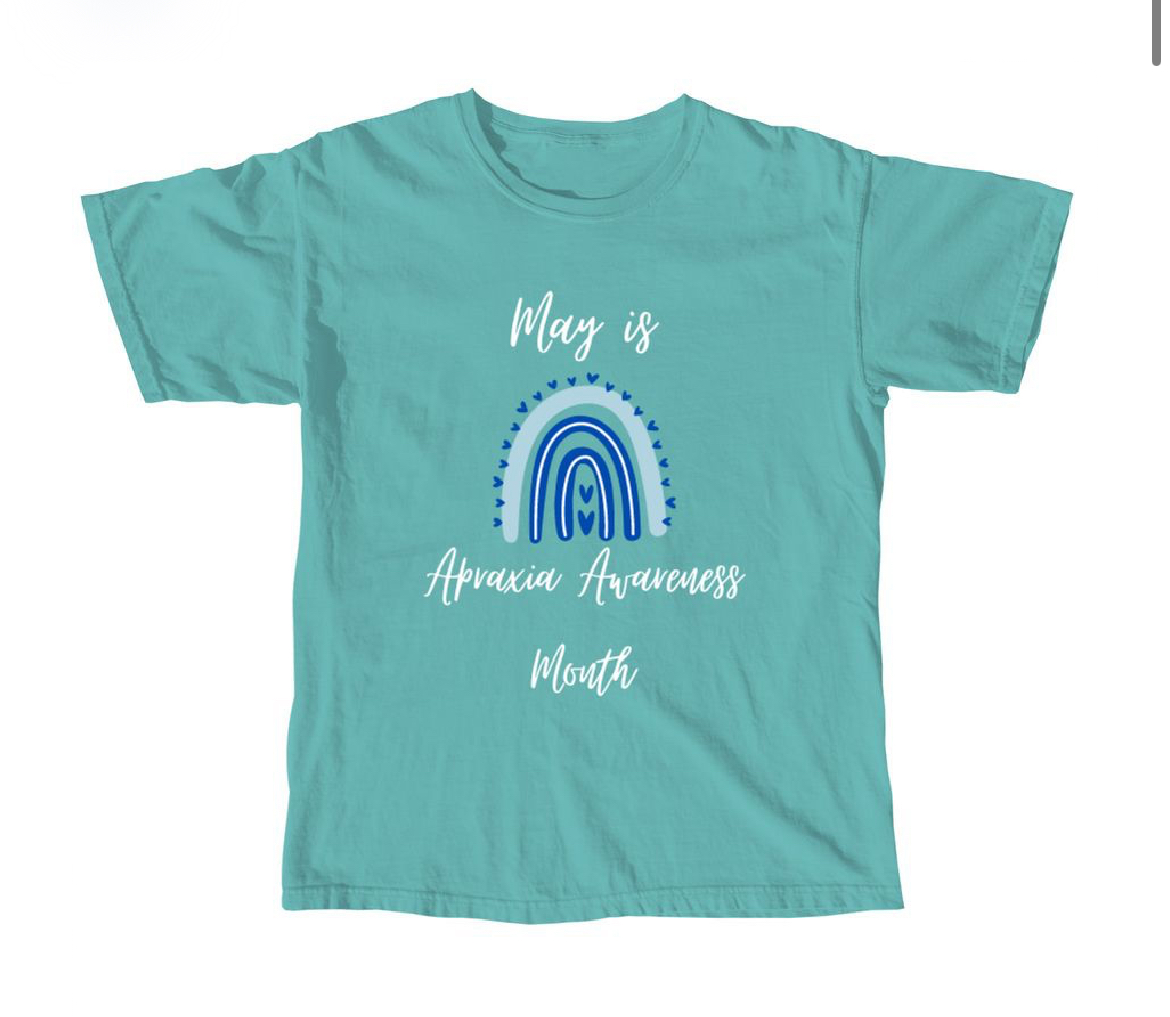
    Each year since it has grown bigger and bigger! One thing that’s a MUST is to wear your apraxia awareness gear! For a short time, my store is offering shirt sales through April 11th 2024. That’s the last day to ensure you will get yours in time for Apraxia Awareness month, which is just month away! Look for more posts on other ideas to help spread awareness leading into next month!

    Grab yours by APRIL 11TH to ensure delivery by May 1st! Link to store here!

    May is Apraxia Awareness Month
    Apraxia Awareness Advocate Like a Mother
    May is Apraxia Awareness Month
    May is Apraxia Awareness Month

    Tag me, SLP Mommy of Apraxia on social media in May during Apraxia Awareness Month 2024 with the hashtag #slpmomyofapraxia2024 and #apraxiaawarenessmonth2024 so I can reshare you wearing your gear!

  • The IEP meeting I wanted to attend.

    The IEP meeting I wanted to attend.

    I never knew before I had a child with an IEP (individualized education plan), how awful these meetings can be for parents.

    Before I had my daughter, IEP meetings were part of my job and I attended them weekly with a room full of colleagues and the parent or parents. I had no idea how it felt being on the parent side. I do now and it feels scary, nerve wracking, and very intimidating.

    I haven’t gone back and added it up, but today was at least the 9th and probably 10th IEP meeting (individualized education plan) we’ve had for my daughter Ashlynn. I don’t think I’ve ever had a meeting where I wanted to go to it. I can particularly remember the meetings that gutted me. Looking back it probably wasn’t any one educator’s fault. It was my position in the process of it all. It was like additional problems kept adding up. Just when I thought I had apraxia down, she would get ADHD, dyspraxia, issues with memory, issues with language comprehension……and the meetings were full of her can’ts. I could talk about how to write a strengths based report or run a strengths based meeting, but in the end even that wouldn’t have been enough to fill or patch the holes from the stab wounds from all of her can’ts.

    This time though was different.

    Starting last year, Ashlynn started to turn a corner. She was no longer speaking in as many “scripts” but was formulating her own novel sentences. She grew exponentially on her reading. The special education team got to know her and they saw what I saw and believed what I believed Ashlynn was capable of. Instead of the words “she requires more repetition than most,” hurting my soul, I was encouraged because they said it with the conviction behind it that they would get her those extra reps because she is capable.

    This entire past year I’ve felt the momentum and seen her IEP goals in action in Ashlynn’s everyday life.

    From SPED, I’ve seen Ashlynn finally understand money, time, and her math facts. She has RETAINED these facts. Did it take one hell of a lot of repetition? You betcha, but they did it and when Ashlynn has learned something, it’s like riding a bike; she doesn’t lose it. Ashlynn’s reading has continued to improve and we are working toward closing that gap. We aren’t there yet, but I SEE it. I SEE it and I feel the momentum. I’ve seen it within her book choices and through her reading out loud. In addition, many skills she needed accommodations for she is now independent with. She has mastered the classroom routine, she doesn’t need direct line of sight supervision for safety, and she is independent with basically all of her ADL’s (Activities of Daily Living). The one that made me smile was teaching Ashlynn to stop and think and give her time to process and understand what was being said so that she could give a thoughtful answer instead of just blurting out anything. We all laughed because she will frequently now tap her brain and say “hmmmm” to give herself time to think. Again, seeing IEP goals materialize in my child is not something I can quite explain. It’s phenomenal.

    From her SLP I saw the direct result from her working on formulating more complex sentences with “so” and “because” come to life at home. In addition, all the vocabulary work done in speech has seemed to literally lift Ashlynn out of her language disorder fog. Where before language was literally just flying over her head, she is comprehending and making connections like she was never able to before, and again I’m seeing that in her everyday conversations with me as well.

    From PT we remarked at how she can perform tasks like standing on one leg for 6-9 seconds and doing jumps etc, something that once seemed like a pipe dream with her hypotonia, cerebral palsy, and major motor planning problems. I told her how she could now ride a bike with no training wheels and that Ashlynn chooses to do workout videos and could follow along.

    From OT we marveled at her mastery of her ADL’s around school, how she can tie her shoes now, and her ability to follow up to 3 step directions that involve motor planning tasks. With adapted graph paper, Ashlynn’s can complete writing assignments and really is just working on putting it all together: getting thoughts on paper, letter formation, spacing, punctuation and legibility. She can do all of those tasks adequately if given separately. I’ll take that. There was a time she couldn’t write her name. That took “more repetition than most, ” but I smiled this time. I had it all wrong before when that phrase would burn me. No one said she can’t do it, and that’s what’s important. More repetition than most? Deal. Bring it on. THAT we can do.

    From mental health she is doing great with whole body listening and finding more peers to play with and inserting herself into play on the playground. Next step is learning how to engage socially with peers in conversation.

    The whole meeting was amazing. I was on cloud nine. The takeaway? Ashlynn’s going to make it.

    I sat there and thought back to Ashlynn’s early days. Was this really the same girl? The girl who would get too distracted she couldn’t even hang up her coat and backpack and get to class without assistance? Was this the girl who spent all of preschool, kinder, and preschool just learning the letters of the alphabet, much less learning how to read? Was this the girl who spent Kinder, 1st, and 2nd grade trying to master addition and subtraction and now was rocking that but also money and time? Was this the girl who was so clumsy and uncoordinated that she couldn’t ride a tricycle or put her shoes on the right feet much less tie them?

    It was and she was freaking killing it.

    Though there were many, many, many times I felt defeated, I NEVER was defeated. I always held the vision for Ashlynn. I held it steadfastly in my mind and promised her that even if I was the only person who ever saw her potential, I would never give up on her and I would fight to the end. I was prepared for war. I listened to inspirational songs and videos to keep the faith. I also worried and fought and lost sleep and prayed. Oh did I pray, but it wasn’t that she would overcome. I always knew that you see. I always knew she had a divine purpose. I prayed for a team that would see Ashlynn like I do and help her fly.

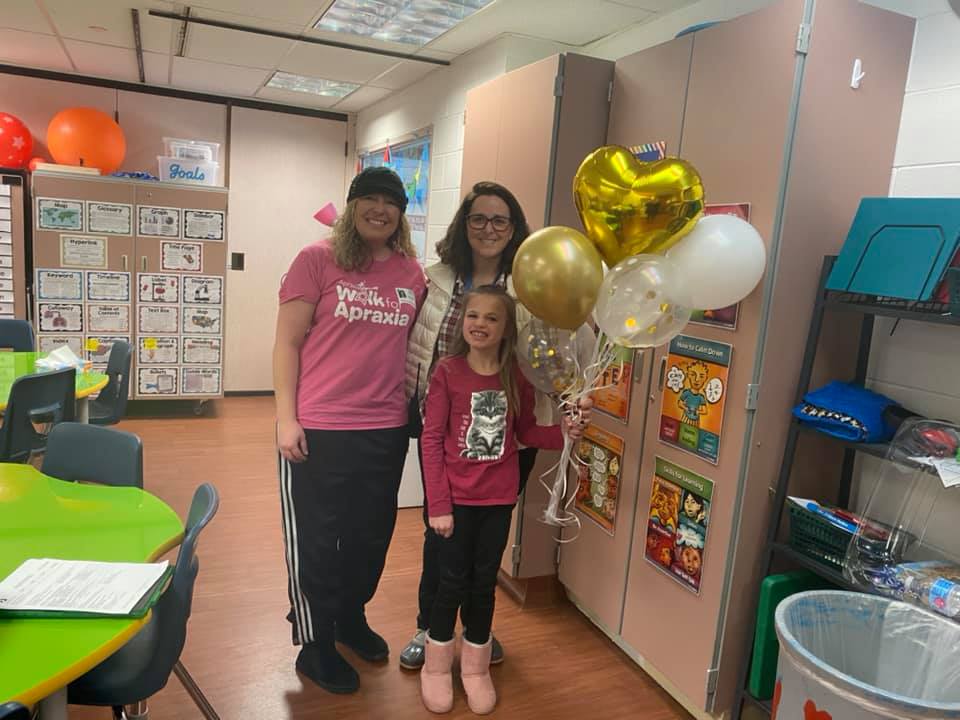
    A couple of months ago, filled with gratitude, I nominated her SPED teacher for a district award.

    It’s called the Golden Heart Award and is bestowed to any educator in special education who has gone above and beyond for a student in the program. Because coincidences are the Universe or God’s way of talking to us, Colleen received notice she was awarded this honor TODAY – the day of Ashlynn’s IEP.

    I thought to myself,

    “Sounds about right.”

    Laura Smith, M.A. CCC-SLP is a 2014 graduate of Apraxia Kids Boot Camp, has completed the PROMPT Level 1 training, and the Kaufman Speech to Language Protocol (K-SLP). She is the author of Overcoming Apraxia and has lectured throughout the United States on CAS and related issues. Currently, Laura is a practicing SLP specializing in apraxia at her clinic A Mile High Speech Therapy in Aurora, Colorado. 

    Purchase Overcoming Apraxia on Amazon.

  • Educating school staff about your child with apraxia

    Educating school staff about your child with apraxia

    Many parents of children with communication disorders such as apraxia report feelings of anxiety, fear and trepidation during back to school. Worries about their child being understood or being bullied run rampant. Furthermore, parents feel powerless. This podcast explores those feelings more in-depth and provides resources and suggestions to help parents and their children during this transition.

    Click here for:
    Brochures
    Informational Downloads
    Letter to the teacher

  • It’s all about the ripples: The 7th Annual Apraxia Awareness Day

    It’s all about the ripples: The 7th Annual Apraxia Awareness Day

    Seven years ago I was reeling from my daughter’s new diagnosis of Childhood Apraxia of Speech.

    I was a member of the Apraxia Kids facebook group online one day in 2013 and a movement had taken place.  This was going to the be the first year an Apraxia Awareness Day was officially recognized on May 14th!  This day is also in the same month as the American Speech Language Hearing Association‘s campaign for the month of May being Better Hearing and Speech Month.  

    My daughter Ashlynn was diagnosed with apraxia in September of 2012, and I had been living in a place of fear, panic, and worry ever since.  Having an event like the first ever Apraxia Awareness Day materialize almost 8 months later seemed like a blessing. It pulled me out of the sorrow in which I had been living and energized me.  People were making these social media posters that described their child aside from their apraxia and it was inspiring.  I wrote my post that night with the poster I had made for her.

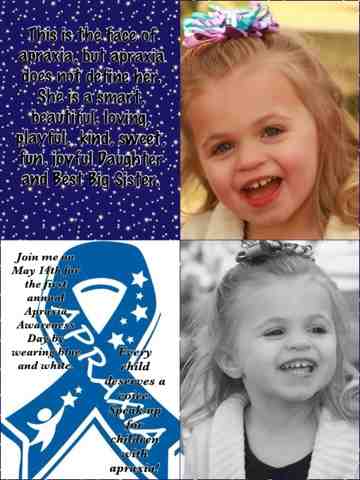
    It’s poorly done, and hard to read…but to me, this meant EVERYTHING. It says

    This is the face of APRAXIA, but apraxia does not define her. She is a smart, beautiful, loving, playful, kind, sweet, fun, joyful, Daughter and BEST Big Sister.

    Numerous others made a similar poster.  The day was so inspiring and empowering, it lifted me out of the fog.

    In 2014, the second annual Apraxia Day was celebrated, and I made another poster of my sweet daughter.

    This one was clearer. You could read it.  I made it and printed it out for her class to take home. Five years ago, I realized Ashlynn was my hero and I knew she was going to be a hero to so many others.

    Last year, in 2018, I experienced a jaw dropping moment giving a talk to her second grade class.

    On this day, I was an SLP at her school and the only other kid with apraxia in the building was a twice exceptional student with apraxia in 5th grade.  All together we created a presentation in which the 5th grade boy was adamant we make it clear you can’t catch it like a cold.  I thought it was rather silly until almost all the kids raised their hands when he asked Ashlynn’s second grade class who there thought they could catch it like cold.  I was in shock.  It was eye opening for sure and reminded me why I need to continue to spread awareness!

    Fast forward to 2019.

    My daughter Ashlynn beat apraxia. I wish that was all she had to beat. She went on to get a diagnosis of dysarthria, cerebral palsy, dyslexia,  and then an umbrella genetic mutation diagnosis of BCL11A that is the explanation for all of her disabilities including apraxia. Despite this though, she just tested ON GRADE LEVEL for reading now as a third grader after making almost 2 years worth of growth in ONE year. She beat apraxia, and I know she will continue to beat everything else that is thrown at her.  With apraxia in our past, it’s a wonder why I haven’t moved on.  After all, I could be the: dypraxia advocate, dyslexia advocate, ADHD advocate, SPD advocate, dysarthria advocate, language disorder advocate, or rare genetic chromosome disorder advocate.  Why do I still remain and apraxia advocate?

    The answer is simple. I was graced with “ripples.”  If you are wondering what ripples means, it refers to the actions of ONE or TWO people that changed the trajectory of MY life.  Those people were the founder of Apraxia Kids Sharon Gretz, and international apraxia expert Ruth Stoeckel.

    This year, the seventh annual year, Apraxia Awareness Day continues to inspire me!

    A phrase caught on called “It’s all about the ripples” and shows little sign of stopping.  Many times, when you are on the front line of apraxia awareness you feel like you are spinning your wheels.  An apraxia mama I know called it “feeling like Nemo in the Pacific Ocean.”  However, that same mom, who is from California, managed to get Apraxia Awareness Day officially recognized by the state of California, something that has not been done in the SEVEN years apraxia awareness day has been officially recognized!!! That Nemo from Cali proves that ONE person’s “ripple”  can make a state wide, SIGNIFICANT impact.

    Another young woman Reagan Crabtree with apraxia from Iowa is great at social media and has a lot of anchors and journalists on her feed.  She has been interviewed multiple times in the news and even appeared in the Rose Bowl.  She told me connections mean something, and boy she is right!  Her “ripple” reaches the news media and that is a HUGE ripple from ONE girl with apraxia.

    I could go on with story after story, but as I look on my social media feed I see a movement growing bigger than before.  The ripples are growing further!  So many more people are spreading apraxia awareness and because of that more kids are going to get the help they need! I feel the movement!  I feel the revival!

    May 14th, Apraxia Awareness Day,  is about the RIPPLES!!!

    Though it can seem we alone cannot possibly change anything, together we have the ability to change the world! Even the smallest stone thrown into the pond can create a ripple, but when those rocks are multiplied, the impact is immeasurable!

    Join us!!! Create a ripple that will create a wave!!

    Post about Apraxia and Apraxia Awareness tomorrow!  Hashtag it #apraxia and #apraxiaawareness and #apraxiaawereness day. Even if you feel like you only educated ONE more person…pat yourself on the back and realize you created a ripple!


  • Growing up apraxia: “I want them to learn what it is.”

    Growing up apraxia: “I want them to learn what it is.”

    Hi Alexis!  I remember first seeing you on the facebook page apraxia awareness and hearing you do a very real and raw live Q&A.  That was very brave of you! You were so gracious to answer so many questions openly and honestly.  This past year, I set a goal to reach people outside of the United States.  I want to help those who have apraxia worldwide get the help they need and deserve!! Having you on this blog post to start May and Apraxia Awareness month is helping achieve just that!!  Thank you for your bravery!

    To start, can you begin by telling us a little about yourself and your journey with CAS?

    I am 23 years old. I am an insurance advisor in Alberta, Canada with the Co-operators. I took speech therapy from kindergarten until grade 5. I remember really realizing for the time that I had a speech impediment when I was about 7. I became interested in learning more about it in grade 6 – what it was & why I had it.

    What do you remember as a child with CAS and speech therapy?

    Like I said, I started speech therapy in kindergarten. I have really vivid memories of the hearing test they would do. Putting a headset on and listening for the beeping. You’d have to tell the person what side the beeping was coming from. I was always so proud because I aced those tests every time. The pride was usually met with confusion the first few times though. I did so well, you told me I got all of them right, so why do I have to come meet with you for lessons?

    I remember being told I had a speech impediment. I remember all of the “that’s not how you pronounce that”, “listen to me”, “watch my mouth”, “it still doesn’t sound right”, but I didn’t get it. I can remember being frustrated and angry. This woman would tell me all these things over and over again and I was sitting there thinking lady, I just heard myself say it, it sounds exactly the same as when you do it. Of course, it didn’t.

    When I say the first time I remember really knowing I had this was 7, it’s because I’m fairly sure that was the first time my speech therapist used a tape recorder. This thing was the bane of my existence. I’m 7, over confident, and a little annoyed with this woman because we’re saying the same thing. Was I ever showed up. This tape recorder comes out because after give or take two years my speech therapist must of realized I really didn’t hear what she was hearing. My voice in my head has no speech impediment and I was too young to understand that I just wasn’t hearing it right. I was about to have my little world crushed.

    Every session started with me telling her about my last week. This session, she recorded it. The moment she hit play and I had to hear my actual voice, instead of the one in my head, I wanted to disappear forever. She’s not wrong when she says my sounds aren’t right. All of a sudden two years of fighting this woman came crashing down around me. I was wrong, she was totally right, and I sounded (to my very young self) weird. I can not tell you how miserable I was hearing this recording. I did everything I could after that to prevent her from using the tape recorder again. It did help though. My sessions went better and I got more done, because I knew I actually was saying the sounds wrong, even if I couldn’t hear it.

    Were you ever bullied?

    I know this isn’t what parents are going to want to hear, but yes, I was bullied a ton. The bullying continued all the way into highschool. Luckily for me, I had a great few friends and family members. We really started to look at people who said anything about it as just being sad, or a little pathetic. It might sound harsh, but really of all the things to choose to pick on someone for, this was pretty ridiculous (it’s always ridiculous though). Honestly, “they talk a little different then me so I’m going to bully them”. We’d think about their bullying in that really point blank way, and just laugh at them. That train of thought is may more ridiculous sounding then I’ll ever be.

    How has apraxia affected your life, or has it?  Do you have any residual issues?

    The bullying did affect my life. Most days my above tactics worked great, but of course everyone has their off days where it just sucks. It still does just suck sometimes, but that’s not the end of my world. I still can’t say any of my R sounds. R sounds were the last thing to work on when I was in grade 5, and due to a lack of speech therapists in the school and time, I was seen 3 times that year. Once I got into middle school it wasn’t provided through the schools anymore and the cost was too high to do it privately. Now, I’m 23 years old with no real talent for R sounds. My last name is Berger and I work in the insurance field. Good choice, self. Other than that I have no real side effects or issues concerning my Apraxia.

    Most parents are so worried about the future when their child gets an apraxia diagnosis.  What would you tell them?

    Your child is going to find their voice, it might be missing a few sounds or it might be through something less conventional than talking, but they will find it. We look at speech as so important, and it is, but you can live such a full life without being perfect at it. They are going to have talents and skills all their own that have nothing to do with how they talk, and chances are their speech being a little off won’t affect it at all. Support them, be there for them, and be ready to answer questions if they have them, but don’t make their entire life be Apraxia. You can find your voice without talking perfectly; talking is really the smallest part of it.

    What do you wish more people knew about apraxia?

    That it existed. No, really, just that it existed. I have been explaining this to people for about 11 years now. What it is, what it does, why I sound the way I do, and answering their questions. I just feel like if more people had known what it was when I was in school, it wouldn’t have been such a big deal to them.

    What would you tell a child who is currently struggling to speak or who lives with a dx of CAS?

    Don’t feel pressured to tell people it’s an accent. Most of my life people have thought that’s why I sound like I do. On an almost daily basis people ask me where I’m from. I always politely tell them it’s a speech impediment and give them some basic info. I want them to learn what it is. The most common response? “Oh, you should just tell people it’s an accent”. This is my absolute biggest pet peeve. The truth is, if someone tells you to say it’s an accent it is because they are uncomfortable with your explanation and with the truth. They feel a bit bad that they asked you where you from and they were wrong about it. They wouldn’t have to feel that little awkwardness if you had told them it was an accent and played along. I can promise you this is the real reasoning 99% of the time, even if people deny it. Do not let someone tell you to say you have an accent, unless that is truly more comfortable for you and what you want to do. You have a speech impediment. It is a part of you and there is absolutely nothing wrong with having one.

    Aside from that, if you are working through your speech therapy at the moment, listen to them when they tell you to practice at home. I was supposed to practice my sounds in front of a mirror for at least 20 minutes a night and I flaked on it all the time. Don’t flake on it. Practice the sounds, it really will help things.

    What do you think professionals such as teachers and therapists need to know about CAS?

    Number one thing is that it exists and what it is. I have had so many awkward moments with teachers over the years. The second thing is how to handle it. If the student is old enough, ask them if you can help in some way. If they are still quite young, ask the parents.

    I had teachers make me repeat an answer in class (in middle and high school) over and over and over because they couldn’t understand what I was saying. It was embarrassing. The other students would laugh and the teacher still wouldn’t realize that they should probably just stop. I would go up and just write what I was saying on the board. Then I’d get in trouble because it was unnecessary to do. Let your students help themselves and help you understand them.

    If a teacher didn’t understand me after a few tries often one of my friends would just repeat my answer to them. This was great for me. I loved and appreciated them for doing this. Sometimes the teachers would get angry about it though. Let them help if need be!

    Another big one is if you pick me to read something out loud I might take an extra second to read a word out. I would be thinking of how to pronounce it and trying to be sure it was going to come out properly. The teacher would just interrupt and say the word themselves. Let your students at least try to get it out. If they do happen to mispronounce it, see if they correct themselves. If they don’t correct themselves and just keep going, then leave it. Do not point out their mispronunciation in front of an entire body of students. If they are still in speech therapy you could try writing it down and letting them know after class which words came out wrong. Then they can take that to their next session as helpful information.

    Thank you Alexis!  This has been one of my favorite interviews.  Your honesty and candidness are exactly what people need to here.  I love your perspective. I just can’t say enough. Thank you for your willingness to share your story!

    Growing up CAS is part of an ongoing series that aims to celebrate neurodiversity and highlight those who have grown up with Childhood Apraxia of Speech and related struggles.  If you are interested in being featured, send an email to lauraslpmommy@gmail.com


  • Growing up with CAS: Still achieving her goals

    Growing up with CAS: Still achieving her goals

    Today, as part of my growing up with CAS series, I am so pleased to welcome back Reagan Crabtree!  I first interviewed Reagan when she was still a teenager a little over THREE years ago!  A lot can change in three years! Reagan is currently double enrolled at a community college and a university studying broadcast journalism and political science.

    Hi Reagan!  Thank you for coming back!  I have loved getting to know you more over the years and hope one day we can finally meet in person! I’m very interested to know how college is going.  

    What are you studying?

    Communications and political science

    Do you have or need accommodations?  

    Yes, I have accommodations. Extra testing quiet room, recording device for note taking. I go to a support room to do my tests. I still struggle with taking tests in the other room. I look up and around when I hear a sound.

    Since I haven’t talked to you since before you graduated high-school, can you tell me about your high–school graduation?  Who was there and what was the day like?

     It felt so great to look back on my journey and see how far I have come from when I started school.

    I know you are a huge advocate not only for apraxia, but for disabilities in general.  Can you tell me what your big dream is?

    To work on the Today show behind the senses and show people how children that have dreams can also achieve them.

    You recently participated in the Rose Bowl Parade on the Easter Seals float!  Can you tell my readers a little more about Easter Seals and how they have helped you?

    Easter Seals supports me with school and helping me talk to teachers. If I didn’t have Easter seals I would not be where I am today. I my fourth year of college working hard to achieve my goals.

    Despite so many challenges, you always seem to remain positive and upbeat.  What advice do you have for others in your situation who want to give up?

    Don’t give up and get supports that can help you in college.

    My final question is, what inspires you?  

    Karen Myers because all work in journalism being deaf from birth inspires me everyday to become I journalist. To show others that people with disabilities can do it. It might be hard but we can still achieve our goals!

    Thanks Reagan for coming back and updating us on your journey!  I just know you are meant for bigger things! You and I are huge advocates for neurodiversity, and there is such a need for more disability stories if we want a society that is fully inclusive for people of all different abilities!   I look forward to watching your continued journey and success!