Tag: speech and language therapy

  • Summer speech with a little sidewalk chalk

    Summer speech with a little sidewalk chalk

    Looking for a fun way to incorporate some speech practice into your summer schedule?  All you need is some sidewalk chalk and your kid!

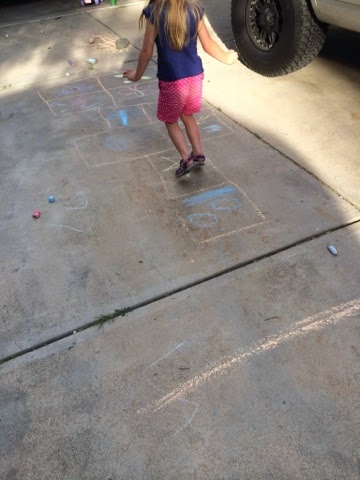
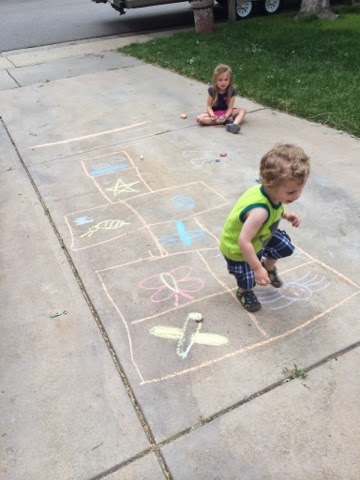
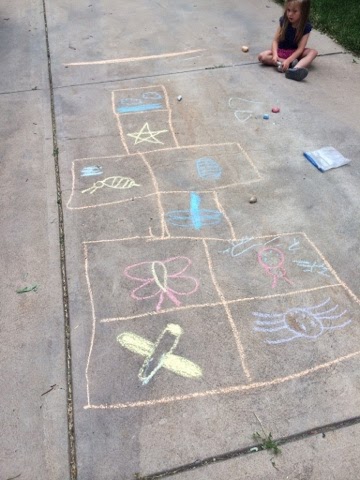
    I picked some sound combos Ashlynn is currently working on in speech and drew them in the boxes of a hopscotch grid.  We then would throw a rock and whatever the rock landed on, we would hop to that picture and say the picture.  She was so busy having fun, she didn’t really realize I was working on her /l/, /l/ blends, and /s/ blends!   Not sure if you can see here, but we have a firefly, spider, butterfly, ladybug, dragonfly, bumblebee, roly poly, star, and clouds in the sky.  

    As a bonus, since Ashlynn has global apraxia, the added jumping and keeping feet in the boxes would make any PT or OT happy too!

    Look at those good jumps!  My heart smiles at this picture because jumping did not come easy.  If you’re interested, you can read about here: Jumping on the bed

    Not to be outdone, her 24 month old brother was hopping right along too and practicing speech! Fun for everyone, and momma stays sane with kids entertained!

  • Baking with speech and language

    Baking with speech and language

    Parents are always looking for ways to incorporate speech and language activities at home.  Whether it is to stimulate a typically developing child’s vocabulary and language, or to help a speech or language delayed child; baking is great and fun way to work on speech and language.

    The first and most important rule before you start, is you have to accept the fact that your toddler will make a mess, and that is just part of the process, or um, fun.

    When I do baking or food activities with kids in school, they absolutely love it.  That’s the key. When kids have fun they are at their best learning.  Also, baking is a multi-sensory activity, meaning many sensory systems are activated.  When children are using multiple sensory systems, acquisition and retention of skills is more likely.  Baking with your kids inherently promotes:
    Vocabulary development
    Sequencing
    Following directions and comprehension
    Pragmatic language – the social piece of language

    Let me explain a little bit further.

    Vocabulary Development:  

    For the young child, words are learned best in context.  Certain authors refer to this as “event-based knowledge.”  Many of children’s first words are usually embedded within scripts that are part of their daily lives.  Examples could be: bottle, cookie, doggie, bath, etc.  These words are said to them frequently throughout the contexts of their daily lives.  Baking provides the same event-based knowledge experience, and exposes them to new vocabulary.

    Sequencing:  

    The ability to understand sequences and to sequence is an important skill.  Sequencing most simply refers to the order of things.  When kids get into school, sequencing is very important to understanding: patterns, math, a story etc.  Following a sequence of steps is inherent in baking and makes it the perfect activity for this skill.

    Following directions and Comprehension:

    These two things fall under receptive language skills; however, they are very important to the development of overall language skills.  Kids who are good at retaining and following directions have less difficulty in school since they are not devoting a lot of their cognitive load on simply understanding and remembering what they are supposed to do.  Baking is a fun and easy way to help your child practice these skills at home.

    Pragmatic Language:

    This is usually referring to the “social” element in language.  This involves the way language is used to communicate with others.

    With a little forethought, baking can also be a way to sneak in more direct speech language targets while working with your kid at home.

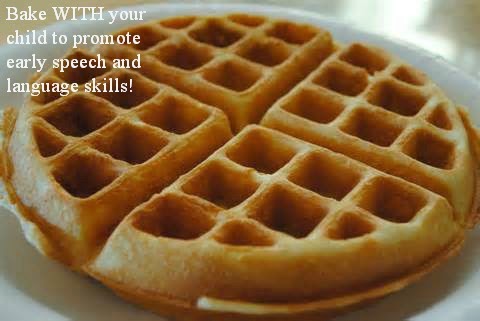
    Muffin Mondays and Waffle Wednesdays

    This summer I implemented Muffin Mondays and Waffle Wednesdays. Ashlynn is VERY interested in what day of the week it is, so I did this to also give her a framework of her week.
    Ashlynn’s current speech/language needs include: syntax (the form or structure of a sentence), and consonant blends (two consonants found together in a word: sp, st, sl, fl, bl, for example).

    It’s important to know your child’s goal, and then structure your baking around the goal.  Get creative, but it’s not as hard as it seems.  In Ashlynn’s case, I chose  the words: spoon, flour, stir.  For syntax, I had her ask me “Can I do it?” to work on her questions forms.

    Then each time we used a spoon I had her repeat “spoon.”  While she was mixing the batter, I would ask her what she was doing and cue her as needed to say the “st” blend in “stirring.”  Instead of using 1 cup of flour, I broke it up into four parts to give her more practice saying “flour” each time she poured in the flour.  For an extra bonus, she had to put “stir flour” together in a simple phrase.  I would hold the spoon until she said the desired words, and then I would give her the spoon back when she was successful!  She loved it.

    If your child isn’t yet talking as much as Ashlynn, hum the ‘m’ sound while you mix the batter or if your child isn’t great at imitating yet, just have him/her make any vocalization to request an item.  If they can’t yet imitate even a vocalization, imitate any spontaneous sounds they make to provide an opportunity for vocal play. If they aren’t really vocalizing yet, don’t get discouraged!  Practice turn taking and reciprocal play.  They pour then you pour.  You stir then they stir.

    With other clients who needed a final stop, I might have chosen the word “dump” and then every
    time we pour in an ingredient, we work on the word “dump.”

    Really, the possibilities are endless!

    In addition, you can also tell your SLP that you incorporated some great “distributed” practice throughout your child’s day.  In motor learning approaches to therapy, mass practice refers to the production of a large number of repetitions of a single target(what you should be seeing in therapy) and distributed practice refers to hitting targets with a greater amount of time between trials or sessions.  However, distributed practice is very important for stabilization and generalization!  Parents are the greatest asset when it comes to carryover, because you are in a better position to afford the child numerous opportunities for distributed practice!  In addition, you can do it in ways that are fun and multi-sensory in the child’s natural environment.
     

  • Grouchy ladybug activity for easy repetition practice for apraxia.

    Grouchy ladybug activity for easy repetition practice for apraxia.

    I have a little secret.  I’m a speech/language pathologist, but at times, I’m artistically challenged.  I
     can’t tell you how many times my kids have laughed at my pictures.  I do think back to grade school and I remember getting mad about art activities telling my teachers I would never need to use art EVER in the real world.

    Oh life sure has a sense of humor!

    Being artistically challenged however, doesn’t mean I am creatively challenged!  With apraxia of speech, you have to get creative.  Unfortunately, there are two facts about apraxia that can be challenging.

    Fact # 1
    Apraxia requires therapy based on motor learning theory (ASHA, 2007).  This means that children require a few therapy targets per session while hitting A LOT of repetitions.  This is what is referred to as “mass” practice.

    Fact # 2
    Having to say multiple repetitions is not always *fun.*

    These two don’t really go together, but it’s up to the SLP to make it fun with a little creativity!

    This doesn’t mean I’m not guilty of busting out the cards and doing drills; however, I really try not to do this very often.  At most, I use this as a warm up.  Kids quickly tire of articulation cards and lose motivation.  It happened to my daughter.  Her initial sessions were set up with 15 minutes of drill and then 15 minutes of  a functional scripted play activity.  However, after a couple months, the sessions started turning into 25 minutes of drill and only 5 minutes of play because it was taking her longer and longer to practice the same old cards week after week because she was bored and losing interest!

    There are many games that lend themselves to repetitions, but today I’m going to introduce you to a quick little activity that you can use with almost any target and that kids absolutely LOVE.  The materials you need are:

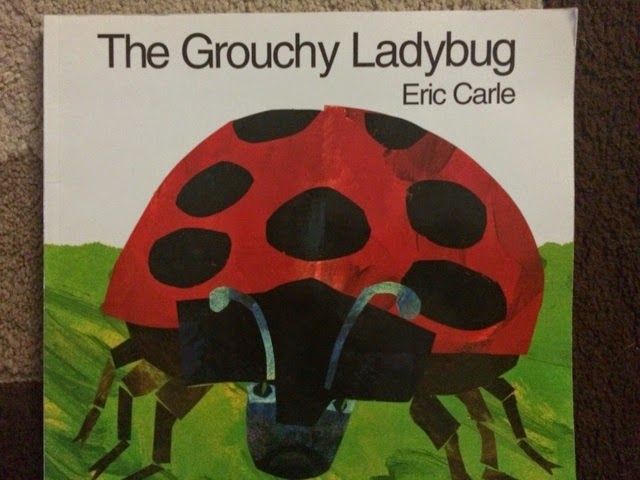
    “The Grouchy Ladybug” book by Eric Carle
    Construction paper
    Glue.

    Yep, that’s it.  Pick the therapy target, and you’re on your way.  This week my target for one client was “ladybug.” ( This is a C1V1C2V2 + CVC syllable shape), for another it was “bug” (A CVC syllable shape), for another it was “grouchy” (for working on ‘r’ blends), and yet another had to say the entire “grouchy ladybug.”  While reading, I stop and pause right before their word.  For example, “Oh, you’re not big enough said the grouchy lady ____.”  I then wait for the kiddo to plug in their target cueing and correcting as needed. The word “Grouchy Ladybug” is repeated 33 times in this book!  That means before you even start the activity, the child has already had 33 instances of practice!

    To read about getting practice in with repetitive books see here: Repetitive books great for apraxia therapy

    I also want to mention, that most Eric Carle books are also available in Spanish, so for you bilingual SLP’s out there; this is also a great activity to do with them!

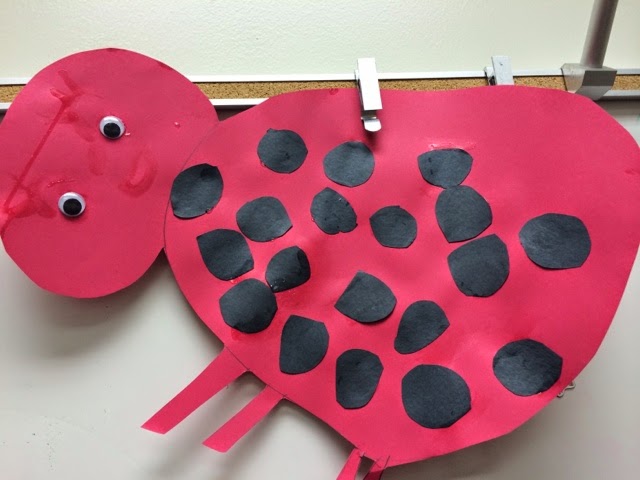
    Now for the activity.  Feel free to laugh.  I know my strengths and I know I’m no artist, but let me tell you, all my kids LOVE doing stuff like this.  I drew an (admittedly sad) outline of a ladybug using red construction paper, and had the kiddos glue on black spots.  Every time they glued on a spot they had to say their target word 5 times.  There are 20 dots on this ladybug, which meant they said their target sound 100 times! It didn’t matter that the ladybug wasn’t perfect, kids just love crafting their own creations and you can feel good about getting a TON of repetitions in!

  • January book of the month: The Jacket I Wear in the Snow

    January book of the month: The Jacket I Wear in the Snow

    Winter is in full swing, and there is no shortage of books that talk about winter, snow, and winter clothing vocabulary. Also, the preschool in my district has winter clothing vocabulary on as part of the curriculum, so it’s perfect!

    The book is a repetitive, rebus style book that is great for practicing vocabulary, early reading skills, sequencing, and as always speech!

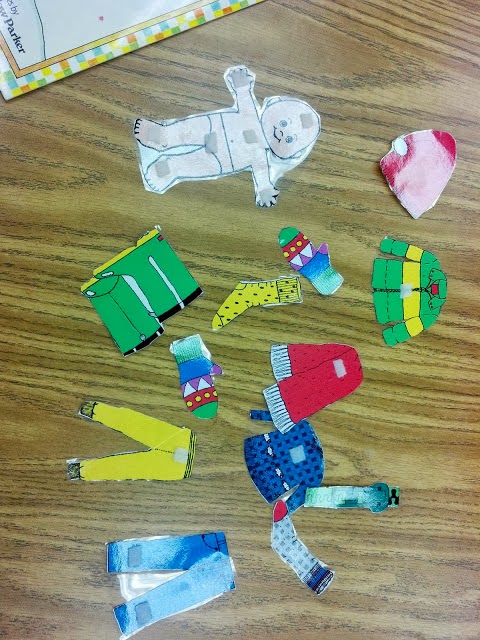
    I started with some cutouts from the story I found here:
    Winter clothes

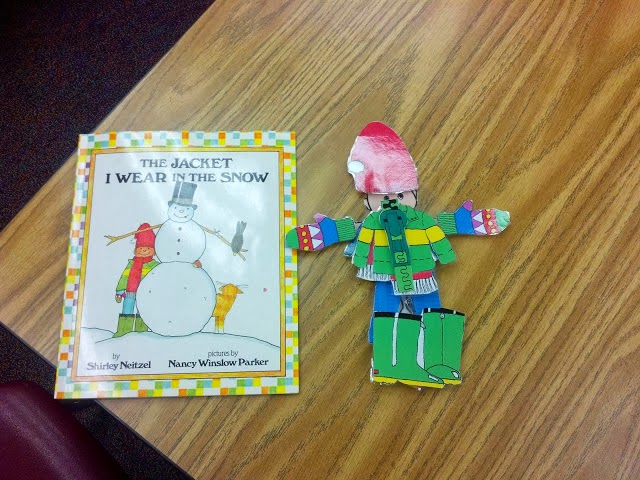
    Then I printed them out, laminated them, and put velcro on so that the kids could dress the boy.  I used a printout doll from the website you can find here: Paper dolls

    This was the final result and it’s just so darn cute! All my kids from preschool up to even 4th grade love dressing up the boy.  For my speech kids, I strategically pick a clothing item for a sound they are working on.  There are a lot of good options including ‘s’ blend words that seem to be a constant therapy target for at least one group a year.  For a child with apraxia, there are some good basic CVC words you can use (i.e. cap, boot, sock,), or in my daughter’s case since her speech is improving so much, I gave her most of the cards and she had to practice recall while I read the book.  The use of the cutouts provide a visual and tactile aid to help kids learn and recall the vocabulary, so you will see I try to make cutouts to go with books I have whenever I can get my hands on them.  Unfortunately, I’m not very talented in the drawing department, so I have to rely on other sources as you see I did here!

     For my older kids, we did silly things to practice following directions with spatial concepts: on top, under, over, etc to work on receptive language, and then they had to do a retell.  Again, the visuals really help in being able to sequence and retell the story for those kiddos who have weaknesses with language processing.

  • Speech Stickers App for Apraxia Review

    Speech Stickers App for Apraxia Review

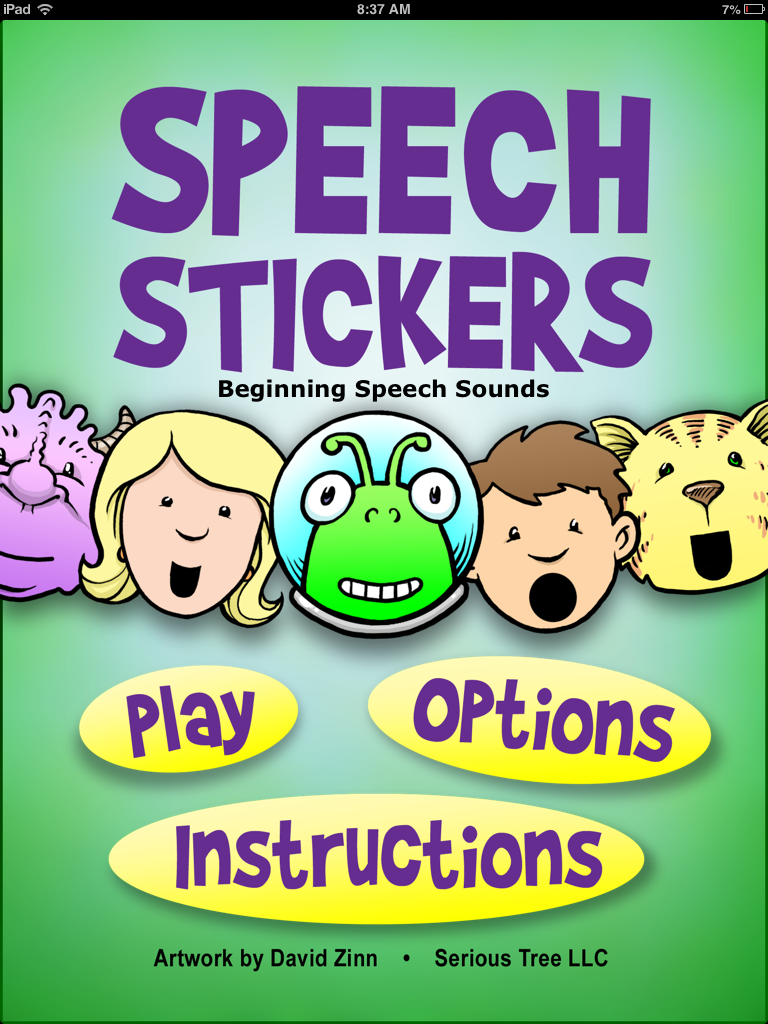
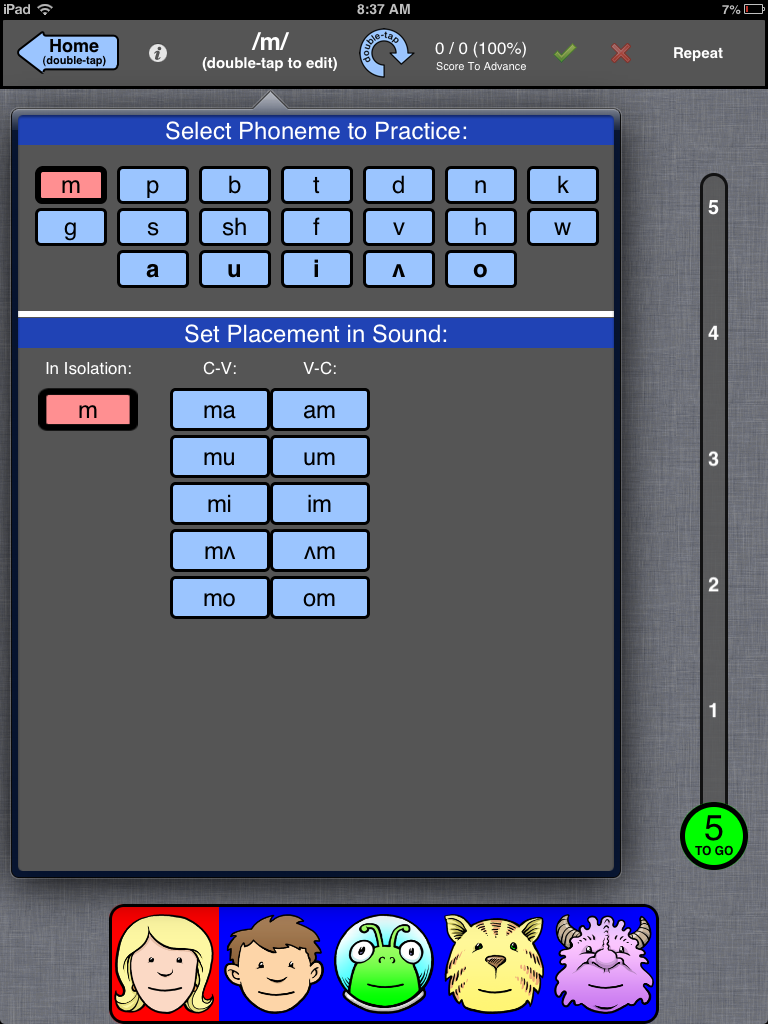
    Speech Stickers is the first app that I downloaded for Ashlynn (my daughter with apraxia) when she had first turned three.  I chose it because it was cheap, and said it was developed for children with apraxia.  The app is simple in design with not a lot of bells and whistles; however, my daughter loved practicing her speech with this app.

    The app is set up for kids in the very early stage of apraxia therapy.  The child can practice sounds in isolation and in CV(consonant-vowel) and VC(vowel-consonant) combos. The app is based around blocked practice with a lot of repetition that is necessary for apraxia therapy.

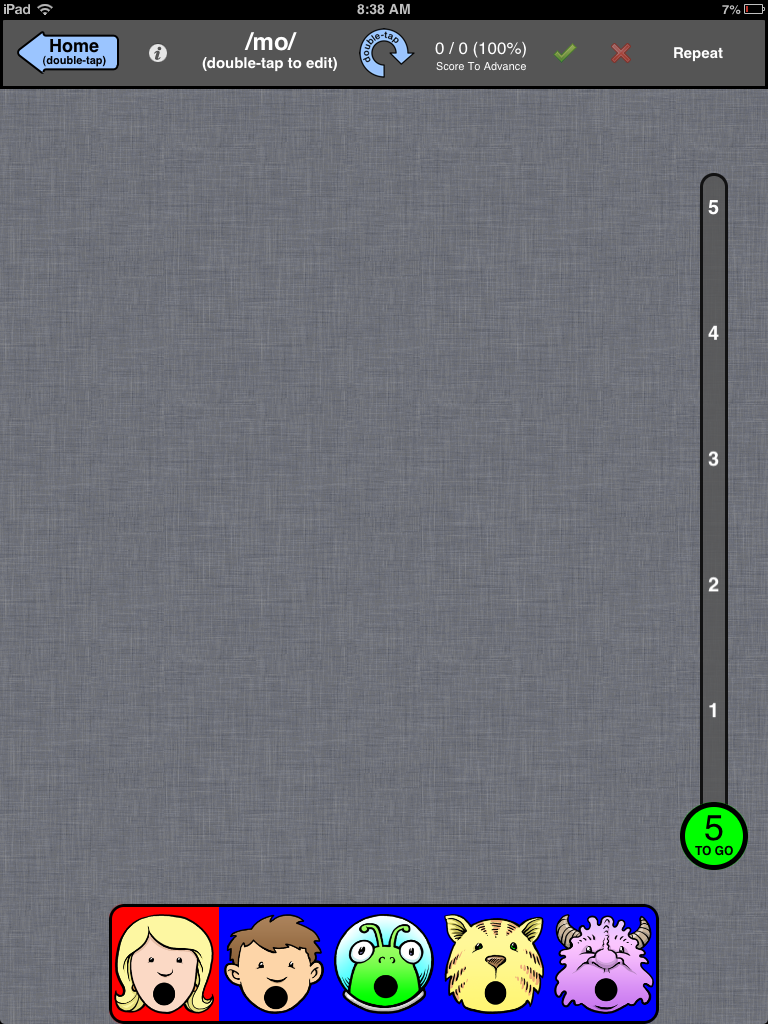
    After you pick your sound or sound combo, you can then decide how many times times the child has to say it before they get a “sticker” or a little animation as a reward.  Then, the child chooses between five characters on the bottom, all of which have a different pitch to their voice.  This is a bonus too, because children with apraxia have difficulty with “prosody” or the melody of speech.  The characters’ mouths model the correct placement.  The above picture is showing ‘m.’  Below the characters are modeling ‘mo.’ This is also great because it gives the kids a visual cue for the correct mouth posture.

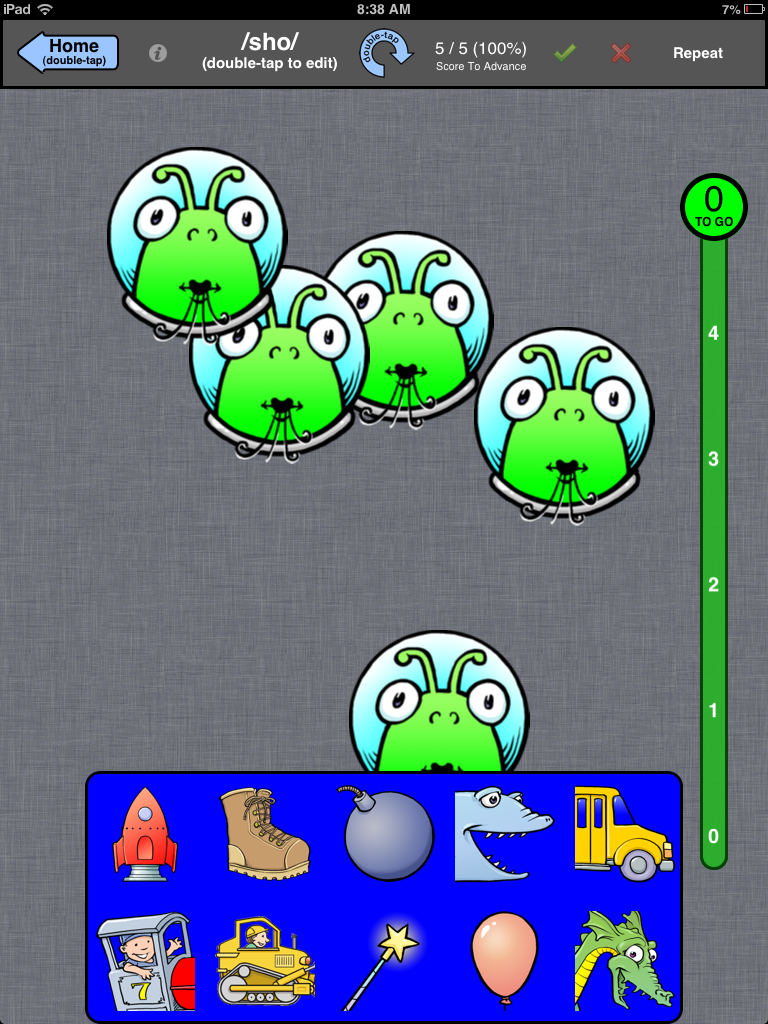
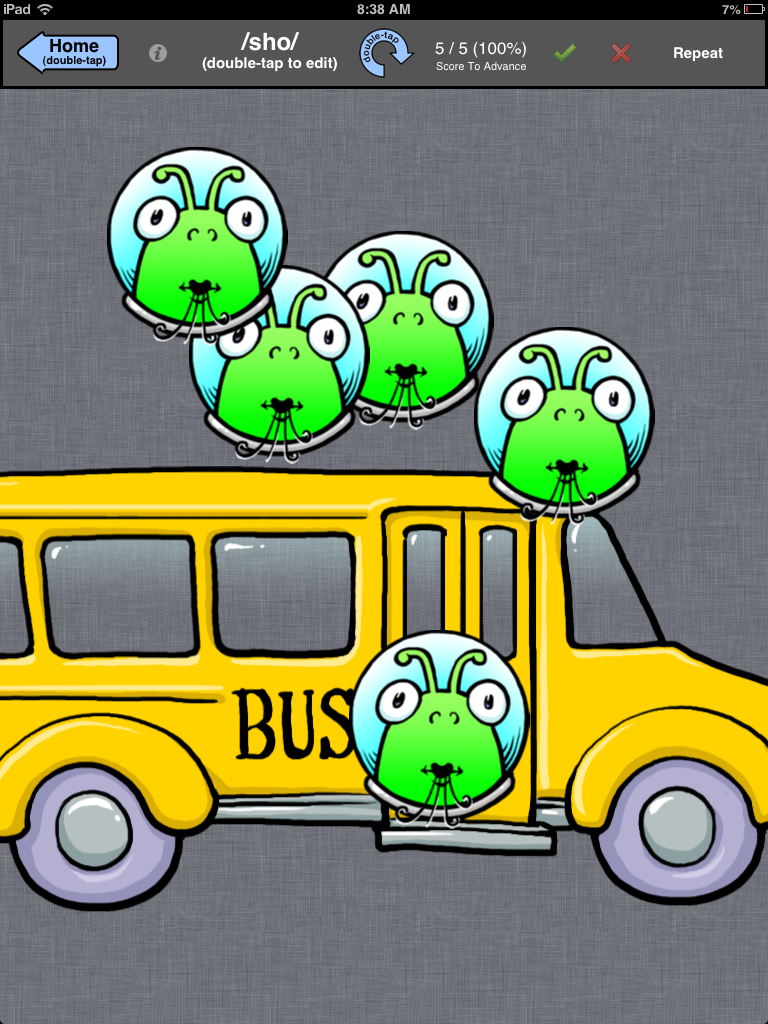
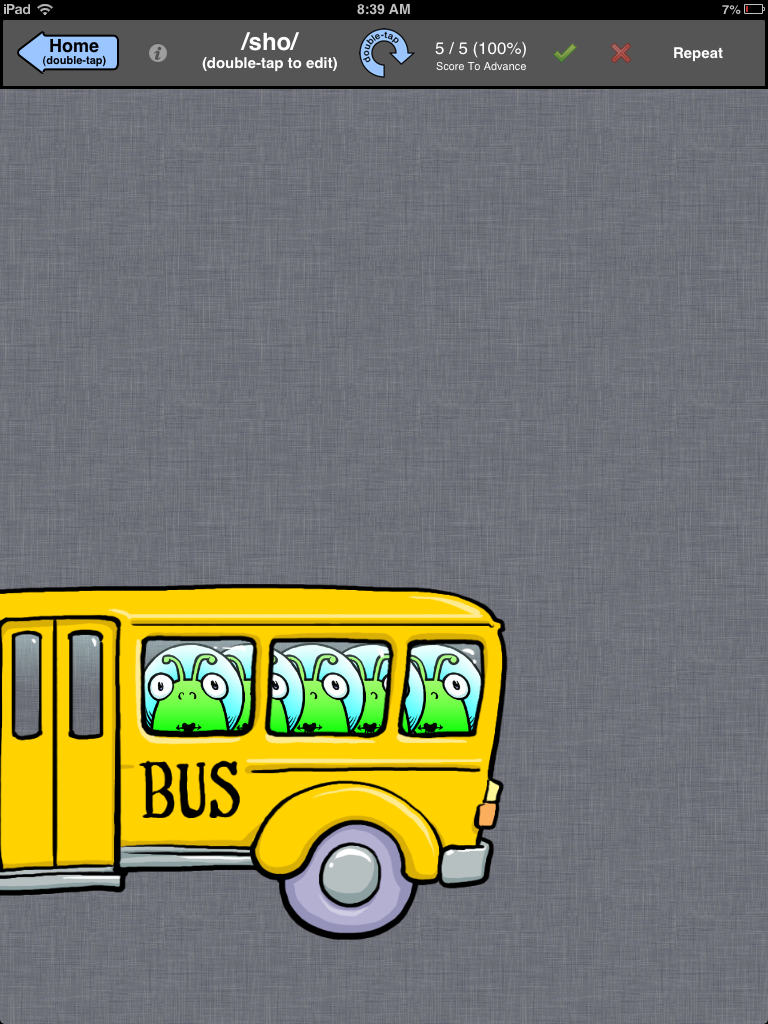
    A scoring bar at the top help score and keep track of data. You must press the green check or the red x to move onto the next practice sound.  The app is designed so that the bar can also turn upside down so that the therapist can discreetly score; however, my daughter picked up on this in a heartbeat and would push the buttons haphazardly just so she could move on!    Once you reach the set number you earn a “sticker” or reward.  You can choose from eight stickers seen below:

    They are so simple, but my daughter loved them.  I chose the bus just so you can get an idea of the animation.

    It has been almost three years since I have used this app for Ashlynn, but the app lives on with all of my clients!  Kids of all ages and disabilities LOVE this app.

    I have a 5th grade boy with Down Syndrome who laughs every time he earns a sticker and watches the animation.

    I have a 3 year old who loves picking the alien because it reminds him of a popular TV show right now “The Octonauts!”

    I could go on!  Really, I can’t say enough about this app, and when I reached out to the creator Carol Fast MSPA, CCC-SLP I realized why this app is soo good.  Here are some comments from her:

    “It’s truly been a labor of love for me and I’m always gratified to find that other SLPs appreciate what we do. I’m glad that you found Speech Stickers to be helpful for your daughter and other students.  I work mostly with preschoolers and have found a special interest and passion in my little nonverbal CAS kids. I really love helping find their true voice. This is probably the most rewarding work I’ve done in over 30 years as an SLP.”

    Thank you Carol!  Thank you for your passion for working with kids who have CAS and for a great app that allows us to get a lot of repetitions of targeted syllable shapes in a fun and engaging way for the kids.

    What I Love: 
    – Works on early developing syllable structures
    – It really helped us work on final consonants when my daughter wasn’t adding them.  Helped us get the final ‘n’ and final ‘t’
    – Gives a reward in the form of a short animation that is interesting to kids
    – Models different pitches and inflections, which is difficult for kids with apraxia

    What it’s Missing
    I would like the option for the child to record their voice
    – As an SLP, I would appreciate the option to email the data
    – It doesn’t include more complex syllable structures such as CVC and CVCV, so it’s only applicable for the early stages of therapy

    Impressions:
    This app was helpful during the early stages of therapy, when Ashlynn was struggling to sequence basic syllable structures.  She had just turned three, and was motivated to practice speech.  In addition, she loved the sticker rewards.  It did help us get those final consonants that she was struggling with too.
    As an SLP, I have also used this app with a five year old, and he enjoyed it too.  For the price, I would recommend this app if you have a kiddo in the early stages of therapy.

  • ApraxiaVille app review

    ApraxiaVille app review


    ApraxiaVille is an app from Smarty Ears, and is the newest speech app that I have downloaded to use at work and with Ashlynn my daughter with CAS.
    To get started, you create your players.  You can make an avatar, or import your own picture.  The application allows up to four players, which is nice from an SLP perspective, since you can use it during group therapy.
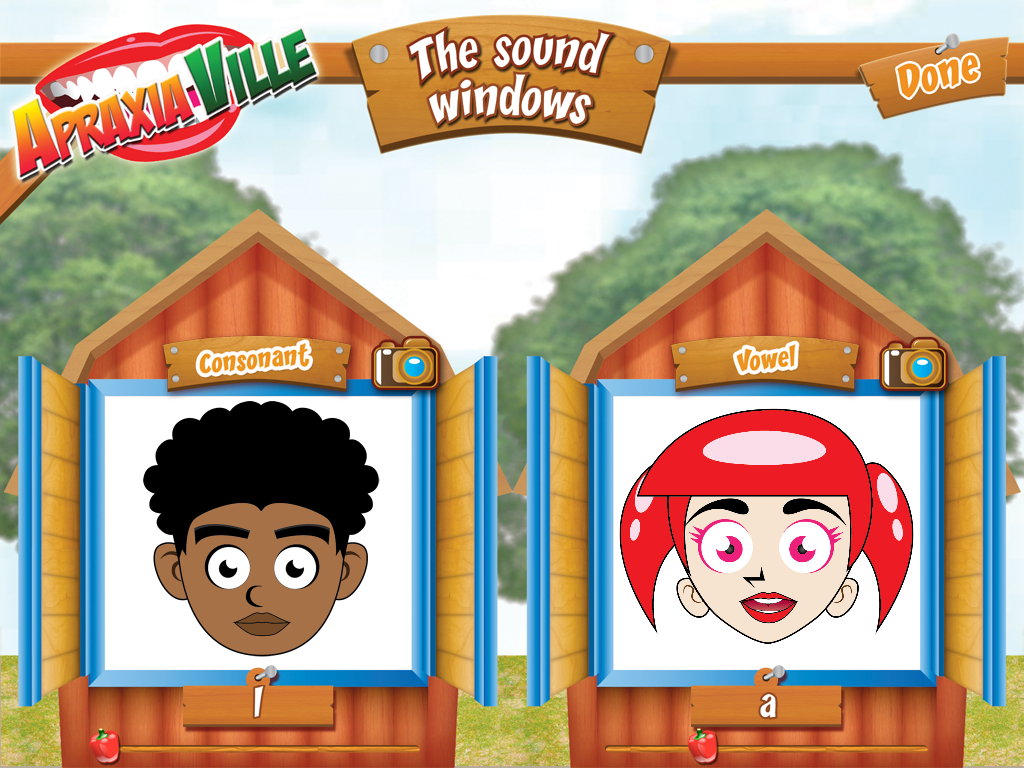
    Next, you choose your activity from a list of three.  The first activity is the sound windows, which allows the child to practice a sound.

    The avatar gives the child a visual and audio cue on how to say the sound.  In the upper right corner is a camera, and if you press it, the child can see themselves in the window as they try to mimic how to say the sound.  I was a little skeptical about this, but I tried it with Ashlynn (my daughter who is 3 and 1/2) on a sound she hasn’t been able to say.  /f/  I have cued her and showed her the current production many times, but she loved seeing it on the avatar and then looking at herself in the camera.  Guess what?  We have /f/ in isolation!  Wahoo!

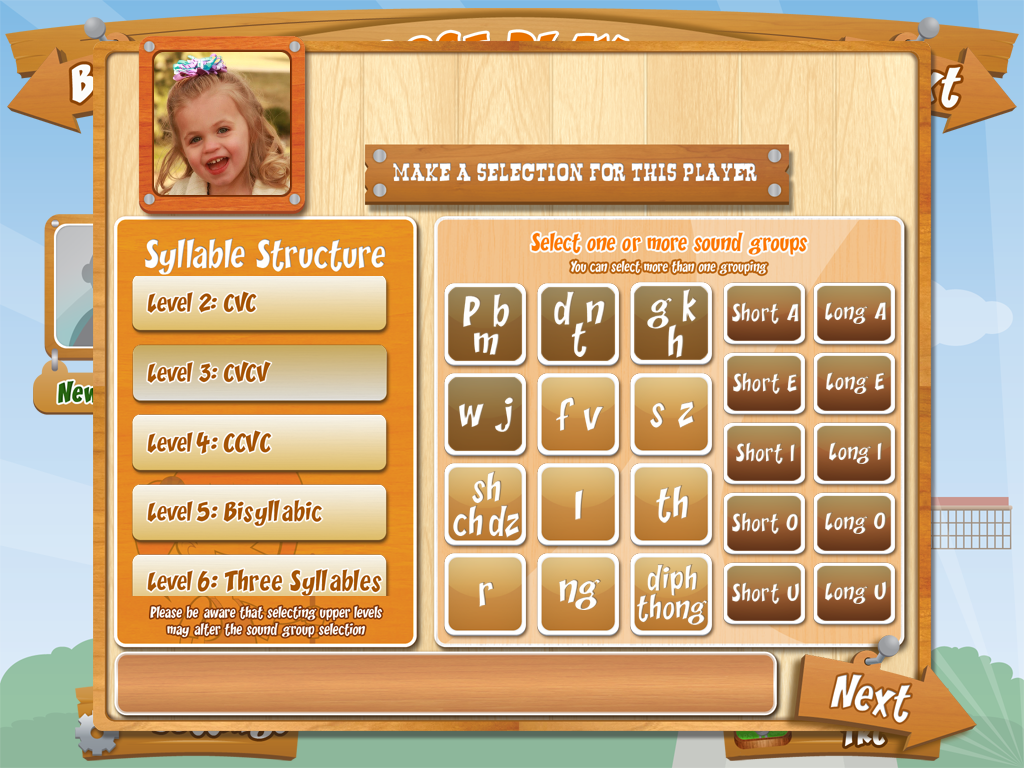
    The next activity is the Farm house.  In this activity, you can choose from a variety of syllable structures and sound groups.  This is exactly how apraxia therapy is usually structured, from easier consonant vowel combinations all the way to four syllable words.

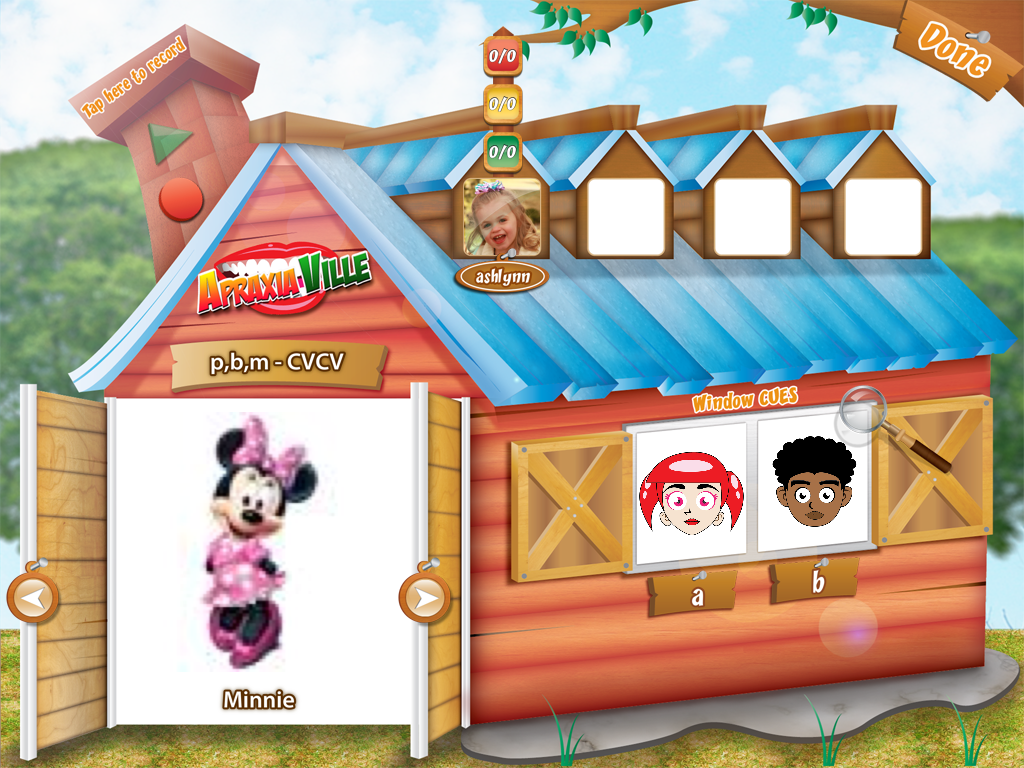
    What I really like, is that you can customize it for the child.  For example, they have consonant groups, but if your child can’t produce one of them, you can go to settings and just choose the words you want your child to work on.  You can also add your own words and pictures to the rotation, which is also awesome.  My daughter has a tendency to drop medial ‘n’ and ‘d.’  She really likes Mickey Mouse Clubhouse, so I added pictures of Minnie and Toodles. Then you can record the name to correspond with the picture.  I also think this would be great if you wanted your child to practice family member names, pet names, etc.

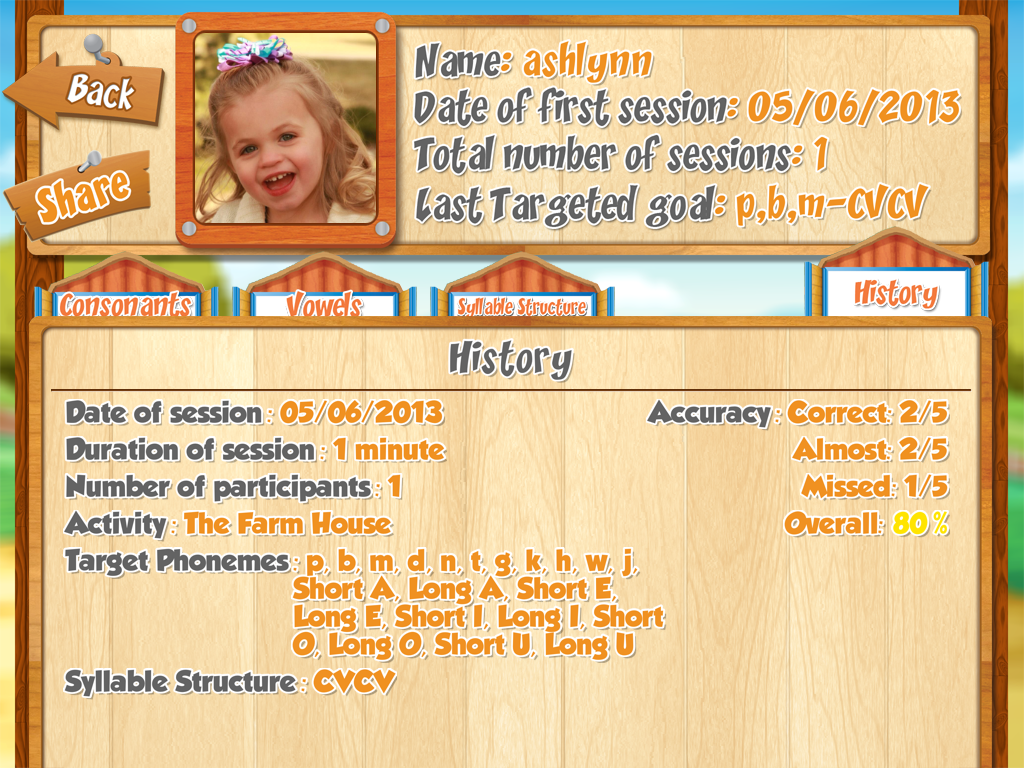
    Once in the farm house, you can practice the words.  A scoring system is set up above each child’s picture to record data.  There is a record feature in the chimney to record and playback the child’s production, and there are the avatars on the body of the barn to model appropriate production for a sound if needed.  After the activity, you can obtain a spreadsheet that collects the data with the option to email it.  I love this option as an SLP.

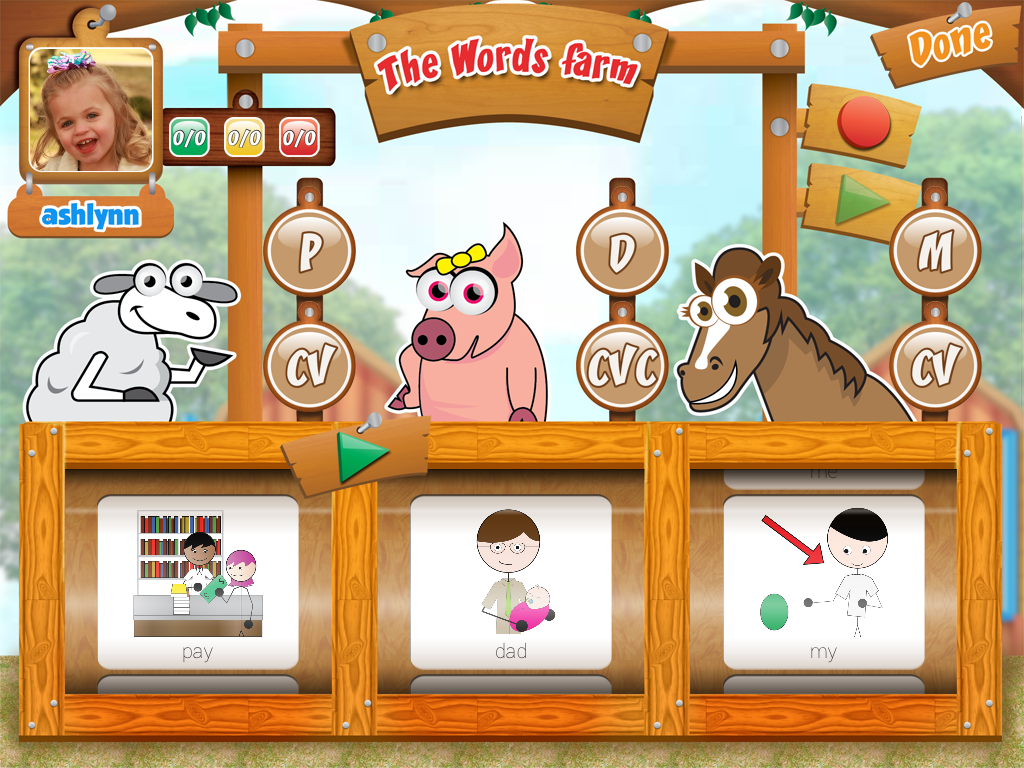
    Finally, the last activity is the Words Farm, where you can choose 2-3 words to practice.  This is great for doing targeted blocked and/or randomized practice necessary when using a motor based approach to therapy.  This activity only allows one child, but again there is a record/play function, and you can take data that will be generated into a spreadsheet at the end of the activity.

    What I Love:
    – Has practice items on a syllable structure hierarchy used with apraxia therapy
    – Can customize sound and syllable combinations to only include those in the child’s repertoire
    – Allows for adding your own additional pictures from your child’s own life with ability to record
    – Avatar’s give visual and auditory cues with a camera feature so the child can immediately practice
    – The second activity allows up to four players, which is helpful in group therapy
    – Data collection feature that is automatically generated into a spreadsheet and can be emailed and/or shared electronically

    What it’s Missing
    Though the app is colorful and visually appealing to kids, there really isn’t any game or reward to it.  It would be nice to have some fun reinforcement for practicing the words.

    Overall impressions
    Overall, I think this is a great app for young kids with Childhood Apraxia of Speech.  I would recommend this application to parents and SLP’s.