Tag: dyspraxia

  • Executive functioning home intervention

    Executive functioning home intervention

    Let’s talk executive functioning.  If you follow my facebook page SLPMommyofApraxia (click here), you already know we are making our house an executive functioning friendly zone and you might have read a prior post I wrote a  “What is Executive Functioning, and Why Do You Need to Know?”

    What does an executive functioning friendly zone mean exactly?  I decided to put all of it into a post so you can see and hopefully help others who may have children with similar issues.

    Before I begin, I just want to say this:
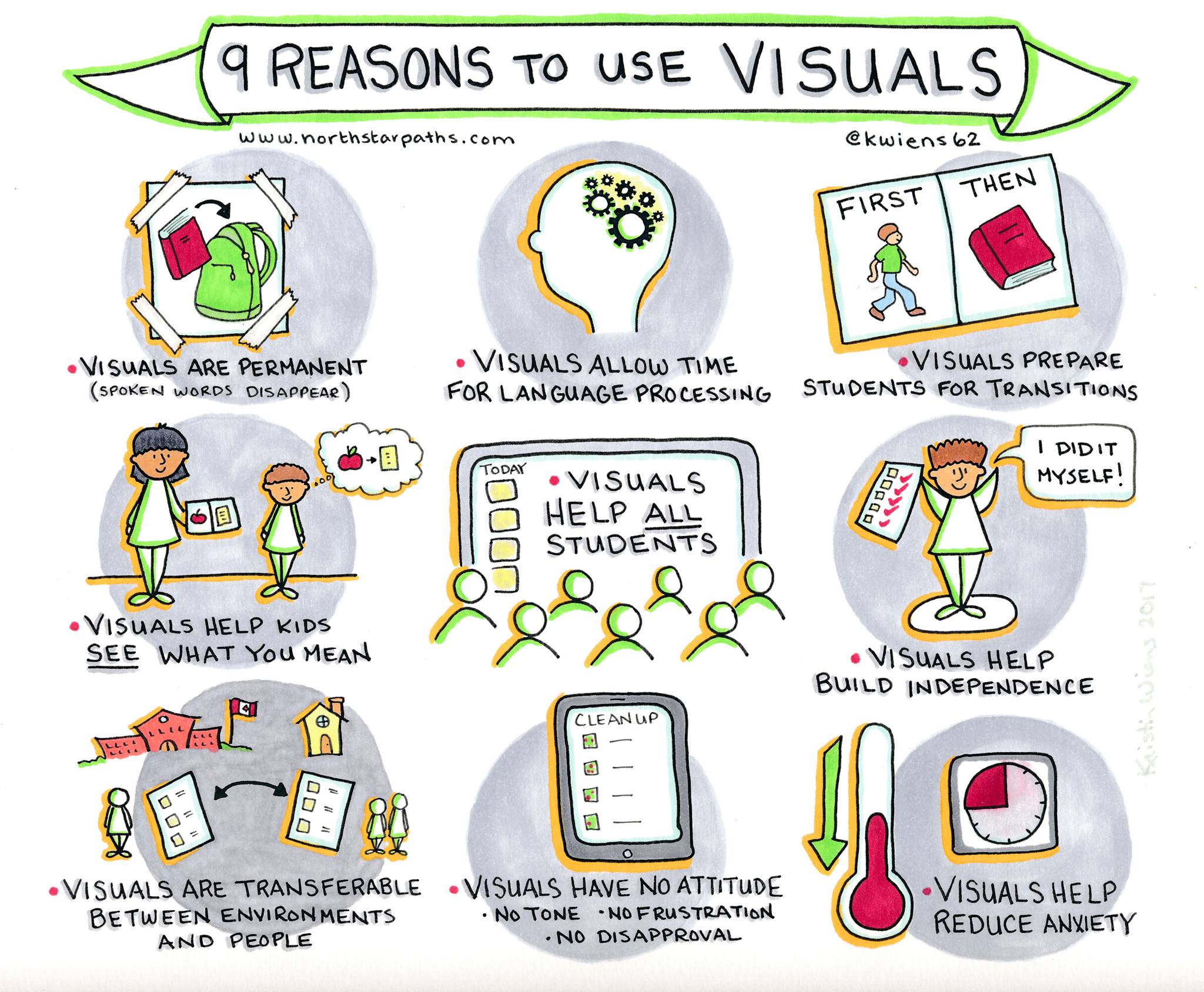
    Children with learning differences, many, many, MANY times benefit from the use of visuals.  There have a been a handful of cases in my career where visual aids actually confused the student more; but for the most part, visual aids benefit everyone.  This visual from northstarpaths really explains why:
    Executive functioning (EF) deficits are a common comorbidity with a variety of conditions including: ADHD, OCD, ID and others just to name a few.

    Visuals are AMAZINGLY helpful for children with EF dysfunction.   The problem is, most teaching involves auditory input.  The teacher (or parent) talks, children listen, and learning takes place.  For kids like my daughter, who have a language processing impairment, the teacher (or parent)  talking is basically the equivalent to the teacher in the Peanuts comic series.  All the children hear are “wah wah, wah wah wah wah.”

    Visuals bridge the gap.  I couldn’t say it better than Benjamin Franklin, who himself had a learning disability when he said,
    Aside from just visuals though, kids with EF dysfunction benefit from organization and time management strategies.  The following is what we currently have implemented in my home.

    Morning Routine

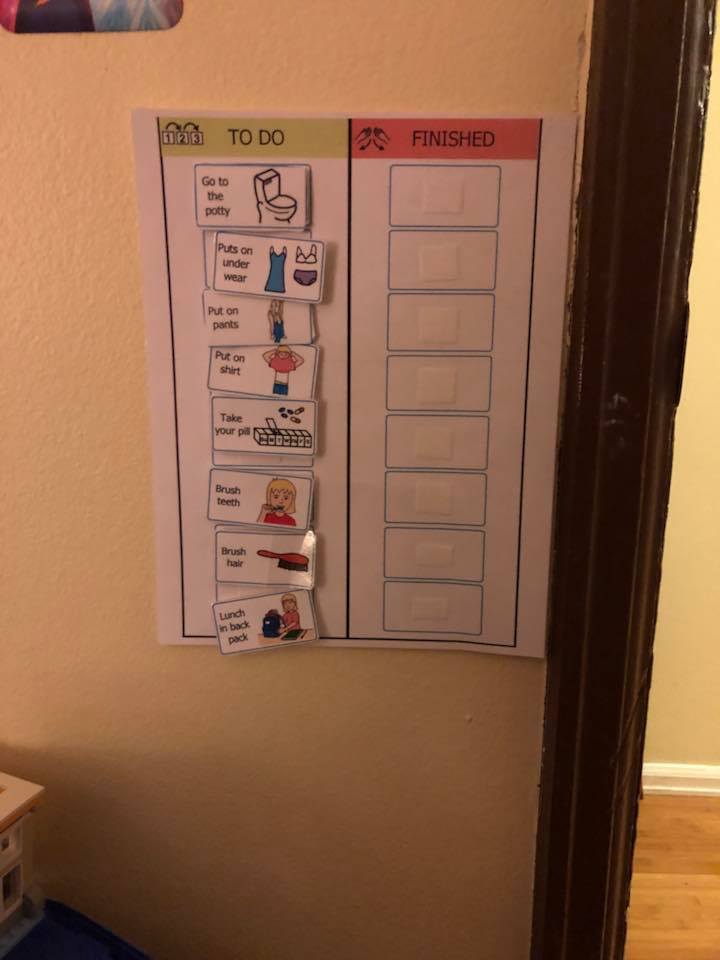
    The most recent example from my personal experience involved the steps to getting ready for school.  If I told Ashlynn what to do, she immediately forgot or I had to go through step by step and tell her, which is not promoting independence.  With the help of her SPED teacher, we made this visual schedule and she was successfully completing all of her steps without our help in about two weeks.
    Restroom steps

    We decided to make a visual schedule for completing bathroom steps.  Let me tell you that we have been working on remembering these for AT LEAST a year.  Last year in 2017, I sent her to Adam’s Camp and remember telling the therapists she can say all the steps but still is not consistent.  After Adam’s Camp she came home being able to sing them as well, and still, we could not get consistency.   So we made a visual schedule a little different than her morning schedule and it looked like this.
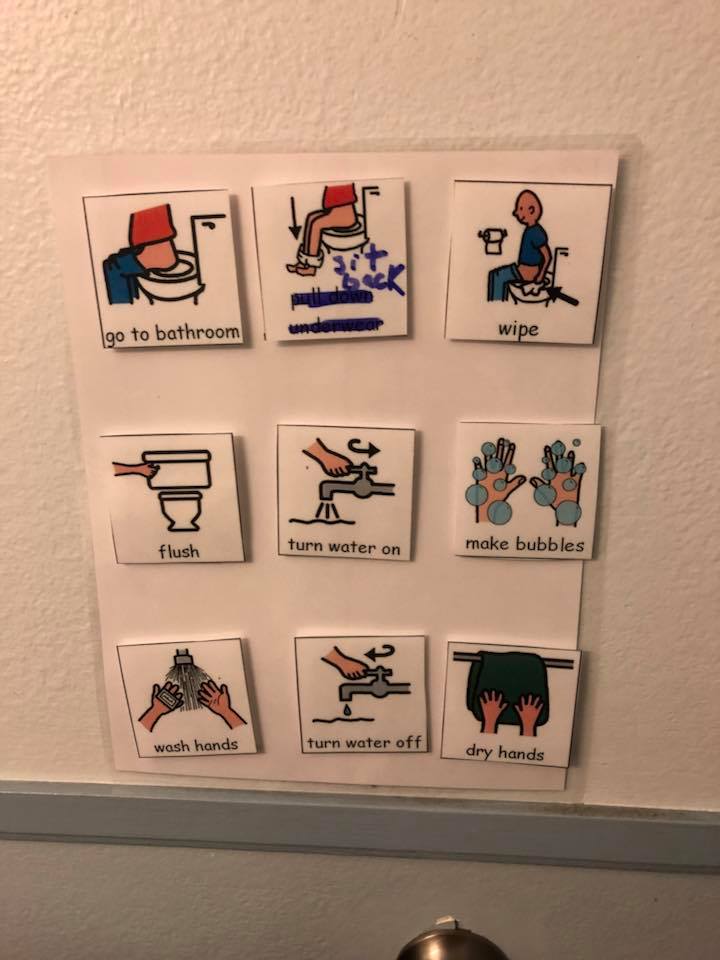
    This was NOT successful.  It probably has too many steps and it doesn’t have the nice left to right motion the morning schedule this, so I modified and made this.
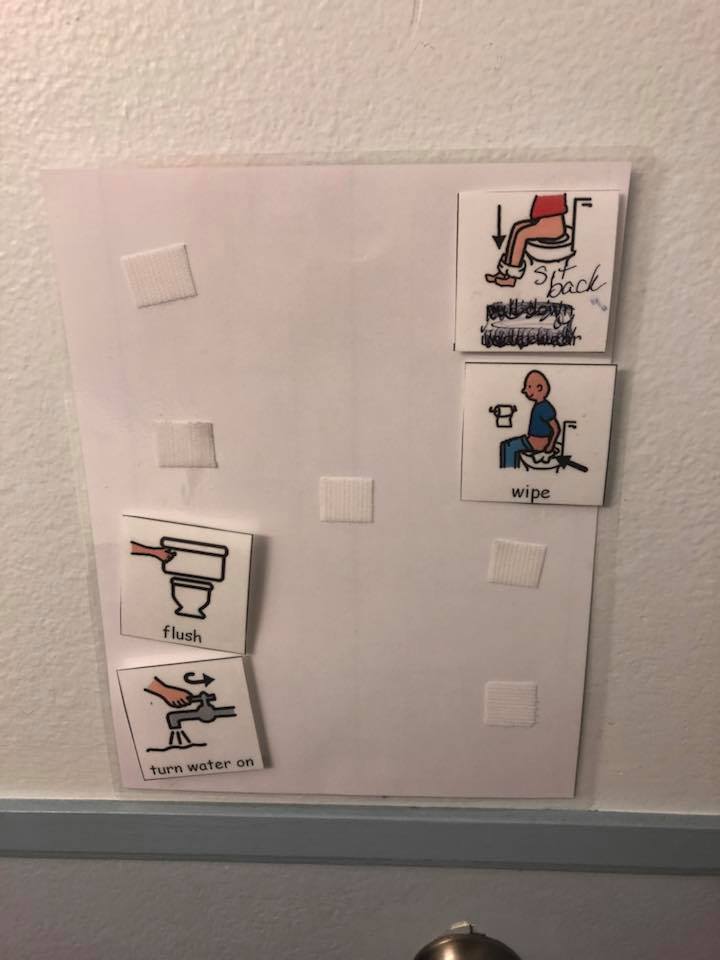
     

    I’d be lying if I said this was a complete success right off the bat, but it has worked better than any other strategy to date and now that the summer has hit, we have made sure she has to go back and complete her steps every single time.

    Cleaning her room

    The next step was to tackle completing a basic chore like cleaning her room.  I can’t even begin to explain the difficulty with this.  What I do know, is that many adults with ADHD continue to struggle with disorganization into adulthood.  It behooves us now to help our kids develop strategies that are going to serve them well throughout their lives.

    The first step is to make sure everything has a place.  Classrooms are set up this way for a reason.  There is a specific space for each and every item that is used or played with in a classroom.  If not, things will inevitibely end up in a pile of clutter.  Ashlynn and I went through her room and designated certain drawers and bins for different things.  Everything has a spot.  There is a bookshelf, a lego bin, a writing utencil drawer, a baby clothes bin, you get the idea.

    I then created a visual schedule of each piece of furniture that she could check off as she went about her cleaning routine.
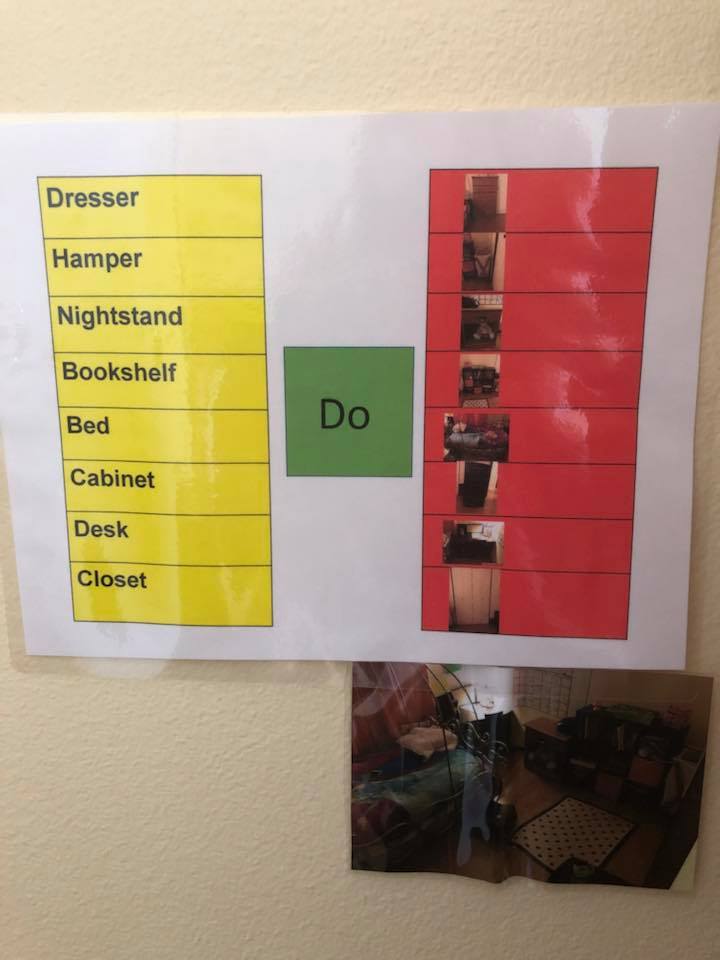
    I know it’s hard to read, but basically each furniture item is listed on the left, with a picture representation on the right of what it looks like done.  The picture on the bottom is a grand finale picture of what the entire room should look like clean after completing all of the steps for one last check.

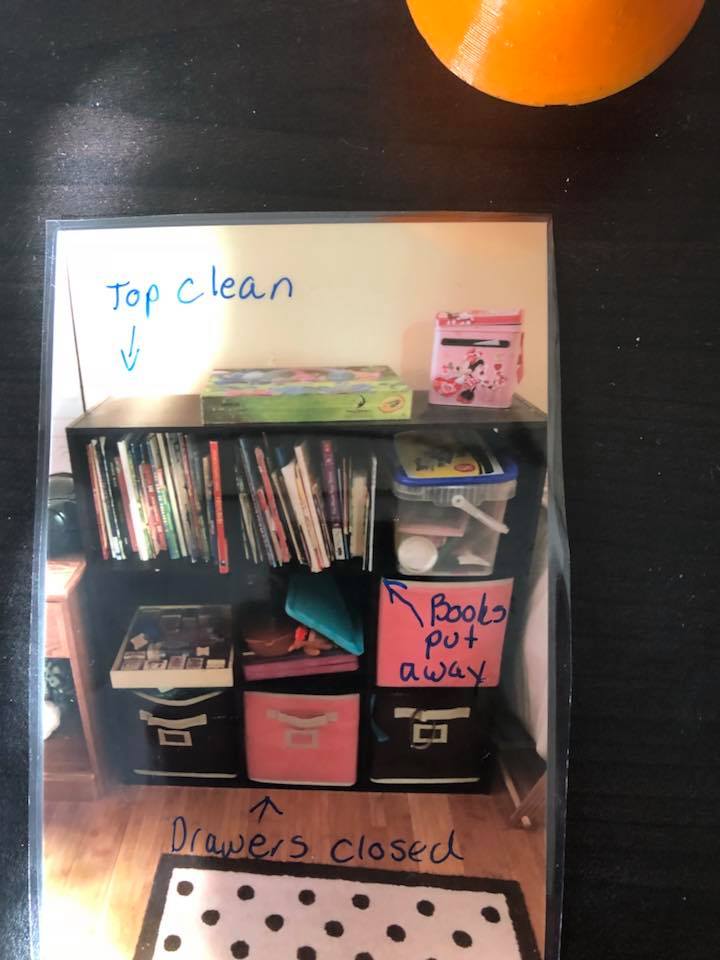
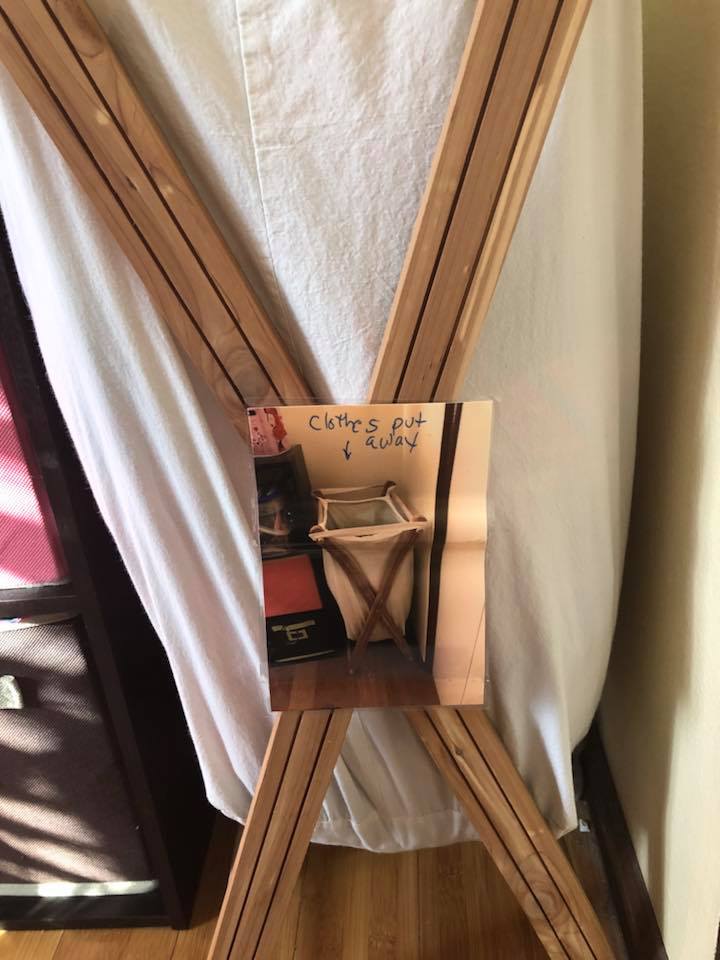
    Next up was to have bigger picture velcroed to all of the furniture items so she could see as she was cleaning them what they are supposed to look like.  I know it seems redundant, but seriously if you have a child who struggles this, then you will relate when I say that a dresser with closed drawers looks fine with clothes hanging out of it to her.  Same with a picked up hamper.  I even have a picture showing what the closet should like closed and no that doesn’t mean it is closed until it hits the piles of crap.  It means actually closed and looking neat.
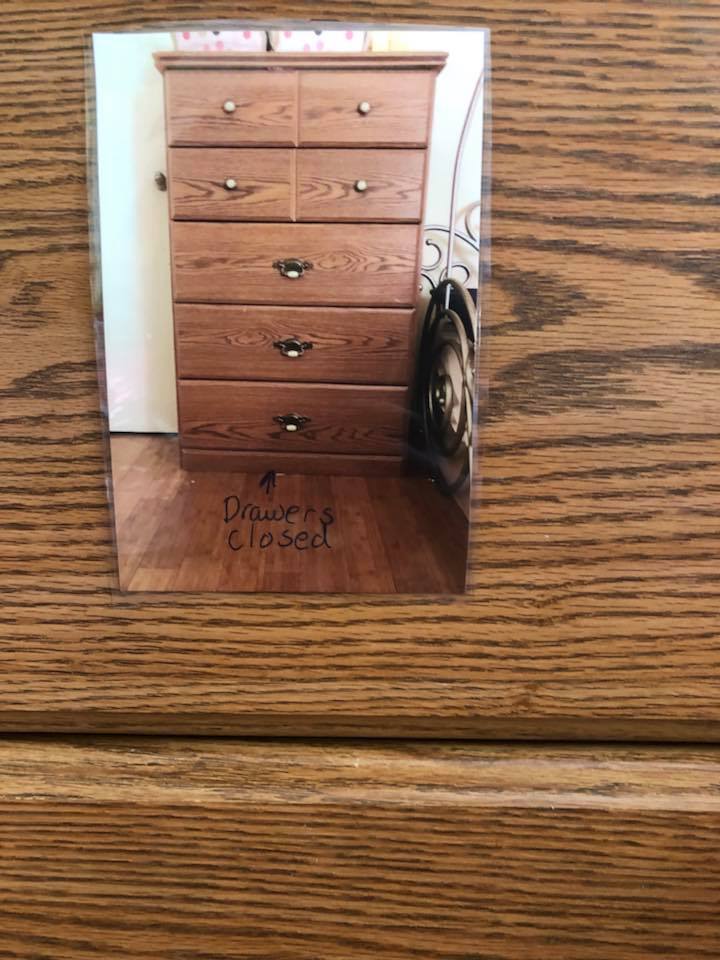


    I have to add that these helped, but still had to be taught.  In fact, it’s still a work in progress.  Some nights, I am so frustrated and just want to pull my hair my out.  I’m only human after all.  I do though, in those times, try and decompress and remind myself this is not a *fix* but a lesson.  Ashlynn doesn’t learn like other kids and that’s okay.  I have to realize though that all of this will pay off in the long run, and when we start early kids have the best outcomes.

    Homework

    Oh man don’t we hear horror stories about homework from parents of kids with varying learning differences.  Teachers make homework sound so easy.  Ten minutes for every grade you are in, so a first grader shouldn’t be more than 10 minutes a night.

    Say….what???  That assignment just took my kid an hour….and then when we went to second grade, that so called 20 minute assignment just took upwards off and on of two HOURS?  Minutes?  What?

    Know that homework can always be modified, but there are strategies that can be put in place to help with this too. Number one is to just start with a place that is going to make them successful for learning.  If you are like me, my first baby is the one with learning differences so instead of preparing for the ultimate learning environment, we were more focused on transitioning my son from a crib to a toddler bed and spent our money on that.  Needless to say, our kitchen table became her homework place.  Yes, the place that she eats and the chair in which she sits that her feet don’t touch on the ground yet is what we thought would be the perfect location for her to sit down and do that quick assignment in 10 minutes.  I should mention too it’s a thoroughfare in my house, so my kid with ADHD was also constantly distracted by the events taking place all around her.  Can we talk about set up to fail???

    I redid her room and created a homework corner.  I bought her a new desk in which she sat at a 90 degree angle, perpendicular to the floor, and decked it out with strategies from executive functioning queen Sarah Ward from the website Cognitive Connections.
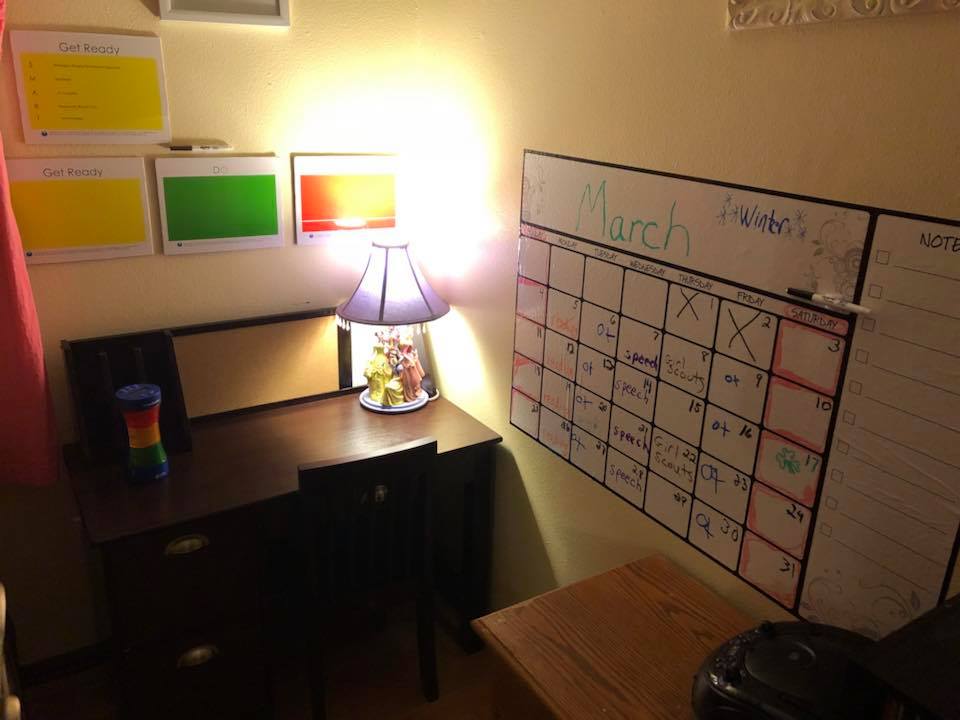
    New desk with feet on the floor

    As you can see, I have her own desk, in a corner of her own room, that is quiet and in which her feet touch the floor!

    Get ready, do, done boards

    The colored board above the desk are suggestions from the cognitive connections website.  In the yellow, we write everything we need to get ready.  It might be as simple as a pencil and it might be more complicated if doing a project.  (To modify for non-readers, you can tape or velcro pictures that you need.).

    The green stands for “doing.” These are the steps you need to do to reach the finished project.  The finished project then is the red board and reflects what the assignment looks like when it is finished.  For lower level, you can put a picture of what a completed assignment looks like, or for readers you can simply write it.  Sarah Ward also recommends to “start with the end in mind,” meaning kid with EF deficits benefit from knowing what the end is supposed to look like and then working backwards. For a more elaborate description, go see Sarah Ward talk.  She’s amazing.

    Calendar

    We have tried a few different things to help Ashlynn learn time, and I’m not just talking time management.  Ashlynn has had a lot of difficulty learning the seasons, days of the weeks, the months, and understanding the difference between yesterday, today, tomorrow, last week, next week etc.
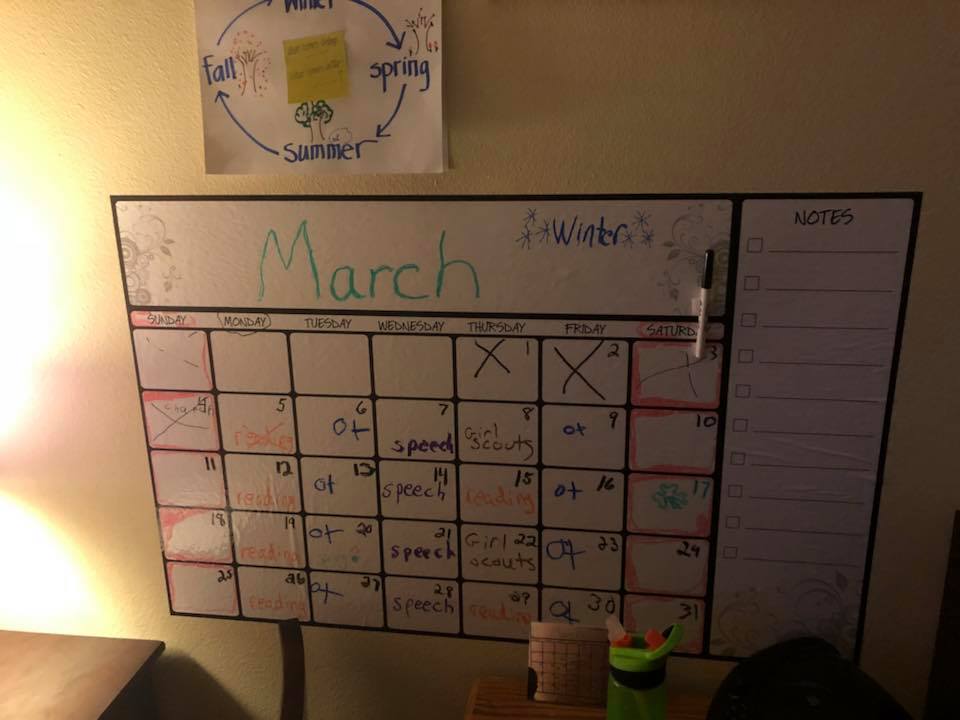
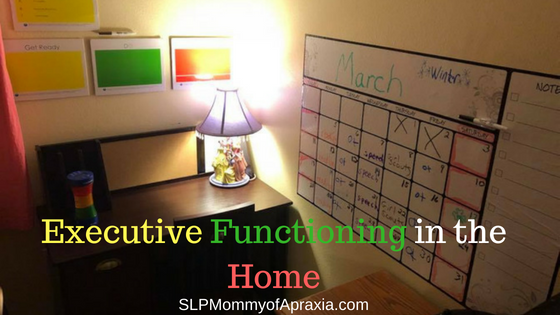
    I decided to buy this peeling dry erase calendar at target.  It’s huge and sits right by her desk.  Every month, she helps me write the month and the days.  We then go through and write her therapy/activity schedule and color code them.  Each activity is written in a different color.  The weekends are shaded on red since she has a difficult time understanding that Saturday and Sunday are one unit (the weekend) when they are split up on a normal calendar.  We then marked an X for each day that had passed and talked about yesterday and tomorrow.  This calendar has been AMAZING.  I might be so bold as to say it almost helped her understand days of the week right away.

    Her school though also hit this hard visually and created the following corner in the SPED room just for her.
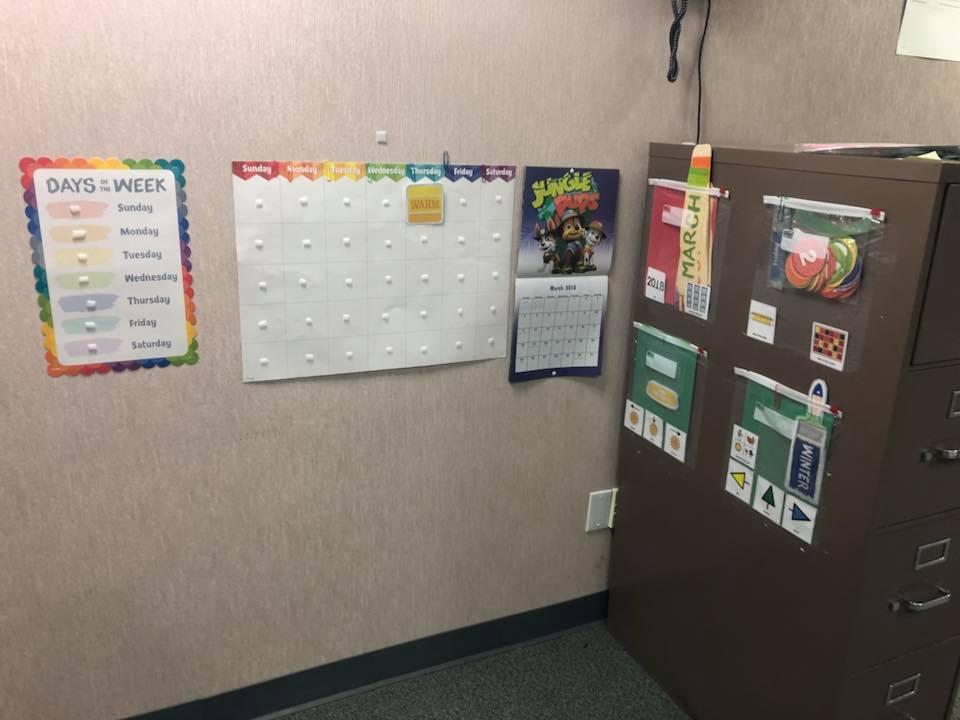
    This picture is also hard to see, but basically you see the basic calendar color coded by day in the middle.  To the left, each day of the week is color coded.  On the file cabinet on the right, the months are placed and she has to pick out the right month each day for added repetition.  The days are in the second bag, and there are tiles for the season and then arrows to talk about the concepts yesterday and tomorrow.  A normal calendar was provided as a reference to keep track of how her modified calendar related to a typical calendar.

    Timer

    Last to come is the timer I used for all of these tasks!  Time management is another HUGE skill that is difficult for those with EF deficits.

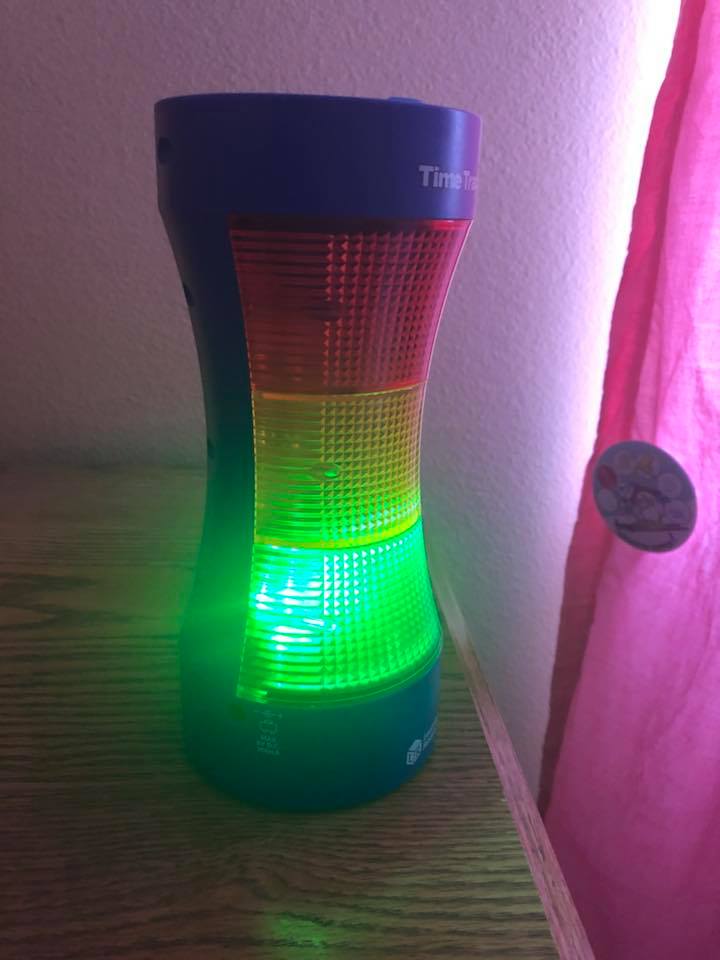
    The timer is from the autism community store here in Denver, but I’m sure you can find them on Amazon or other places.  This timer is amazing!!  The colors stand for different things similar to a stoplight.  Green means go, yellow means caution you are nearing the end, and red means you need to be done or stop NOW. What is best, is that each color is completely customizable by time.  For her morning routine, we usually set it for 3-3-3.  For homework, it might be  2-20-2.  Did I mention it also comes with sound?  So that means every color it changes to also has a sound to go with it, aka, an auditory cue.
    The impact

    I have to admit, there were times that as even I were making all of these materials and buying all these things that I wondered will this really make a difference?  Was all this work really worth it?? My answer came from Ashlynn.  As I was making these visuals, she probably thanked me more than 10 times.  She knows how she learns.  She was just waiting on me to help her.

    Laura Smith is a mom to two children, one of which who has multiple learning differences.  She is also an SLP (speech/language pathologist) specializing in CAS (Childhood Apraxia of Speech), a passion that was fueled by her daughter’s dx in 2012.  To learn more, visit slpmommyofapraxia.


  • Lessons from a bicycle: Just keep pedaling

    Lessons from a bicycle: Just keep pedaling

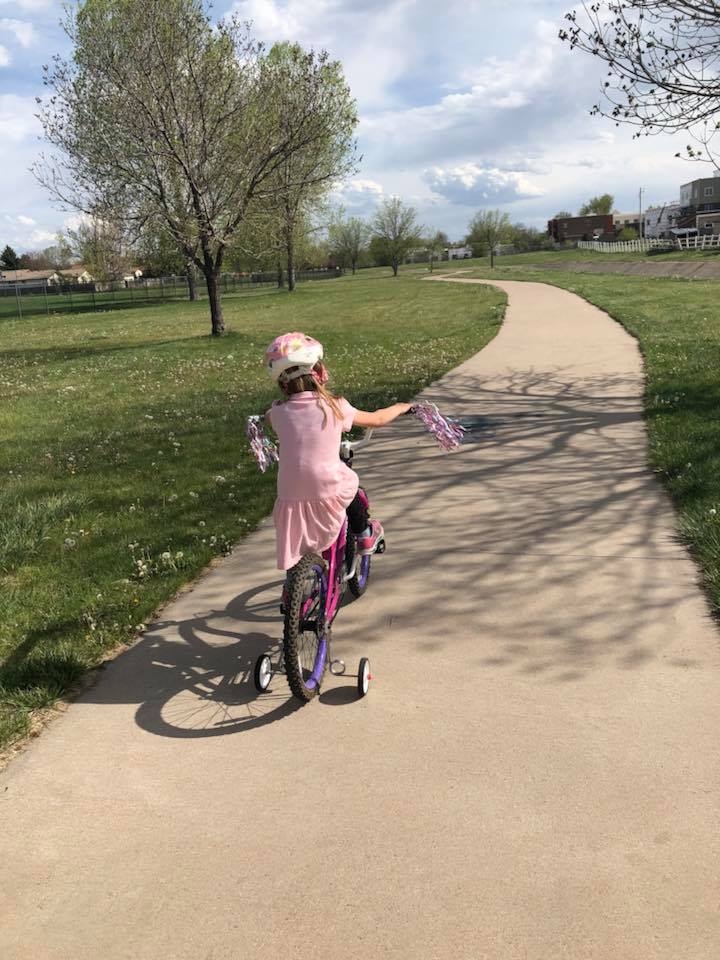
    Ashlynn is 8 1/2 years old.  Currently, she is riding this big girl bike, and yes, it still has training wheels; although the wheels are much smaller and looser than they have ever been.  Last year she took quite a tumble and refused to ride it, but this year she is back on it and pushing harder than ever before.

    Due to the severity of her dyspraxia, we have increased her time in private OT to 2x a week along with the OT and PT she gets in school.  The new private OT place is VERY focused on bilateral coordination, balance, strength, and sensory issues.  We noticed a difference right away in terms of her sensory issues, but we are also noticing a HUGE difference in her strength and increased endurance.

    She could TOTALLY, TOTALLY ride without training wheels, but she has a few more obstacles.  One is that different variables aside from a smooth plane throw her off.  This was true when she learned to walk too.  She could walk provided the surface was even and smooth; however, once anything changed she was falling to her knees.  This could include the slightest incline going downhill, uphill, or slant in the road.  Well, the same is true for learning to ride a bike as well.

    I should also mention, she doesn’t have typical reflexes thanks to her dyspraxia either; so where most children would at the very least put their legs down to help catch themselves, Ashlynn panics and ends up falling over.

    As I watched her tonight at the park, a wave of sadness rushed over me.  It’s so weird, these cycles of grief.  l know Ashlynn has dyspraxia.  I know it will take her longer to overcome this obstacle, and I also know she WILL overcome it.  However, I start to worry.  Am I doing enough?  Am I helping her enough?  What about those special needs bicycle camps another mom told me about.  Should I have picked that this year instead of choosing to send her back to the $3000 special needs camp she loved and adored last year?  After all, there is only so much money to go around.  Am I choosing the right thing?

    On the way home, she was gaining confidence.  Where I walked beside her on the way to the park, I was now jogging and at times running to make sure I kept up on the way home.  She was doing great with her balance.  We were riding on the sidewalk, and she would only tip over when going past a driveway where there would be a downward slant.  I would run beside her and steady the handle bars.  I started to notice though that she would stop pedaling during these times.  I encouraged her to KEEP pedaling through the hardest obstacle, which was the driveway. I realized the reason she was losing her balance wasn’t necessarily because of the driveway, or obstacle; but because she would STOP pedaling during it.

    It reminded me recently of a white water rafting trip we just took the kids on.  I joked (but was dead serious) that I only slightly panicked most of the time.  On the bus ride to the drop off, the guide was going through all of the safety precautions and I started to freak out. Truth be told, I actually go to the bank of the river and told the guide we weren’t going.  Fortunately for me and my family, he convinced me to get on the raft.  This after I explained dyspraxia and her difficulties with balance and coordination and my concerns for her safety and ability to follow directions if bumped out of the raft.

    He told me he would put me right behind her, would have straps my kids could hold onto for balance, and during the times he didn’t need me to paddle, I could hold onto her shoulder.  However, he did say that when he told us to paddle, he NEEDED us to paddle because that is what was going to ensure the best stability in the raft for getting through rapids.  I struggled with my fear.  I looked at my kids eager to go, my husband shaking his head at me disapprovingly for threatening to allow my fear to ruin the fun; but then ultimately I thought of Ashlynn and how she faces every fear head on and I knew I had to do the same and do what the guide told me to do.  I put every ounce of my being into paddling when he said to paddle and made sure I was in step with my husband’s paddle on the other side.

    During the times I didn’t have to paddle though, yes, I was holding her shoulder. 

    Not to make excuses, but I did watch this girl drown once and I still can’t re-read that post.

    Anyway, back to the bike.  At the driveways I kept yelling “keep pedaling Ashlynn.”  She stopped after awhile and told me she wanted to get off and walk her bike home.

    “No, Ashlynn.  I’m sorry.  I’m not yelling at you okay?  I’m proud of you!! I’m just telling you that to get through the hard parts you have to KEEP pedaling okay?  Remember last weekend when we went white water rafting and our guide told mommy and daddy to keep paddling during the really big rapids?”

    “Yes,” she replied hesitantly.

    “I was really scared Ashlynn.  I was so scared if I didn’t have my hand on your shoulder you would pop out but I knew to get through the rapid as smoothly as we did I had to keep paddling and not stop.”

    “Yeah?” she said.

    “Yeah baby.  So that’s all okay?  Don’t give up!!  During the hard times we have to keep paddling.  You have to keep pedaling and you won’t fall okay?”

    She looked ahead of her with grit on her face and she flexed her thigh muscles and started pedaling again.  I ran beside her all the way home.

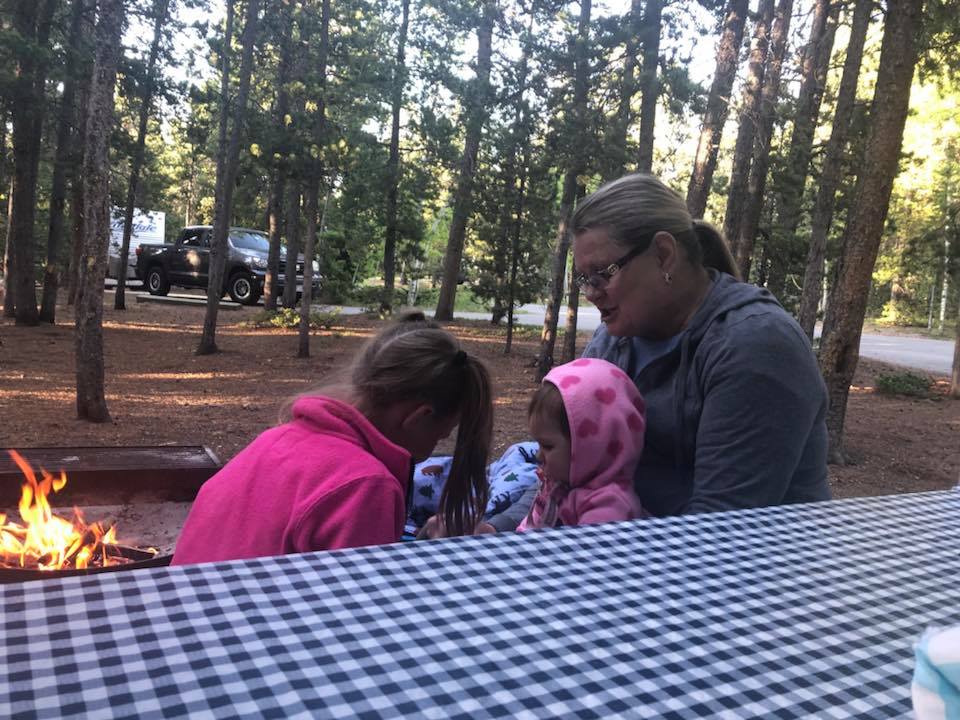
    As I was reflecting, I remembered a moment on our camping trip we came back from yesterday.  She was sitting with her Grandma and baby cousin reading “Brown Bear” to her.  I took this video, and when she caught me she said with a big grin,

    “I want to be a teacher mama.”

    As I hugged her tonight, I told her,

    “You already are.”

  • A fish in a tree and the teacher who helped her swim

    A fish in a tree and the teacher who helped her swim

    Ashlynn is in 2nd grade and is in Girl Scouts.  She has been in Girls Scouts since Kindergarten.  She loves it; but honestly, Ashlynn loves most activities and new adventures.  Yes she has apraxia, dyspraxia, SPD, ADHD, learning disabilities and a language processing disorder; but despite all of those disabilities she is a true extrovert that one.

    Ashlynn’s Girl Scout troop leader is seriously amazing.  If there were an award, I would nominate her to be the best girl scout troop leader in the state, because she is.    A girl scout troop leader is a volunteer who donates their time.  This woman though I think must be a real life saint who deserves a salary.  When Ashlynn first started Girl Scouts I wrote a post about how she became misty eyed and told me that she knew what Ashlynn was going through.

    When I first met her, I noticed something a little off with her speech.  Later I found out she has a hearing disability, and has had one since birth.  From the beginning she was very concerned about Ashlynn’s needs.  I was also surprised to learn that she had never had anyone with a disability before.  She told me she just wanted to make sure this experience was the best possible experience for her, and that she was willing to make accommodations or help her however she could.  We ended up having to make a few accommodations, especially with requirements. For example, in Kindergarten the girls needed to have memorized their name AND address to earn a special pin.  It took everything we could do for Ashlynn to learn the address, but we could just not get the phone number at that time.  Ms. E made an accommodation like a trained special education teacher would; and said as long as she can memorize one of the two, she would earn her pin.

    The other night the girls had homework.  It was a picture where you had to find items hidden in the picture.  She sent home the actual picture; and then she found, on her own, a simpler picture and told me that Ashlynn just had to finish one.  In special education we call this modifying the curriculum.  This woman has never read Ashlynn’s IEP.  She does not in fact know her modifications or accommodations.  She intuitively does them.  I can’t help but think it’s because she understands.  She has walked Ashlynn’s shoes.  She totally, totally gets it.

    This past weekend there was an event at the Denver Zoo called “Bunk with the Beasts.”  The girls would get to spend a night away from home and “camp” at the zoo.  Right after I received the group email about the event, her troop leader followed up with a personal email requesting that she know of any special accommodations or help that Ashlynn would need so she could do them.  She didn’t want Ashlynn to miss out.  I sent back a big list.  Ashlynn has dyspraxia.  Activities of daily living, like all the steps to get ready for bed are NOT easy. Her troop leader wrote back it wouldn’t be a problem.  A few days later a chaperone pulled out so I was asked to come.  I was thrilled!  I said yes immediately.  This way her troop leader could focus on the other 18 girls, and I could be there and help Ashlynn.

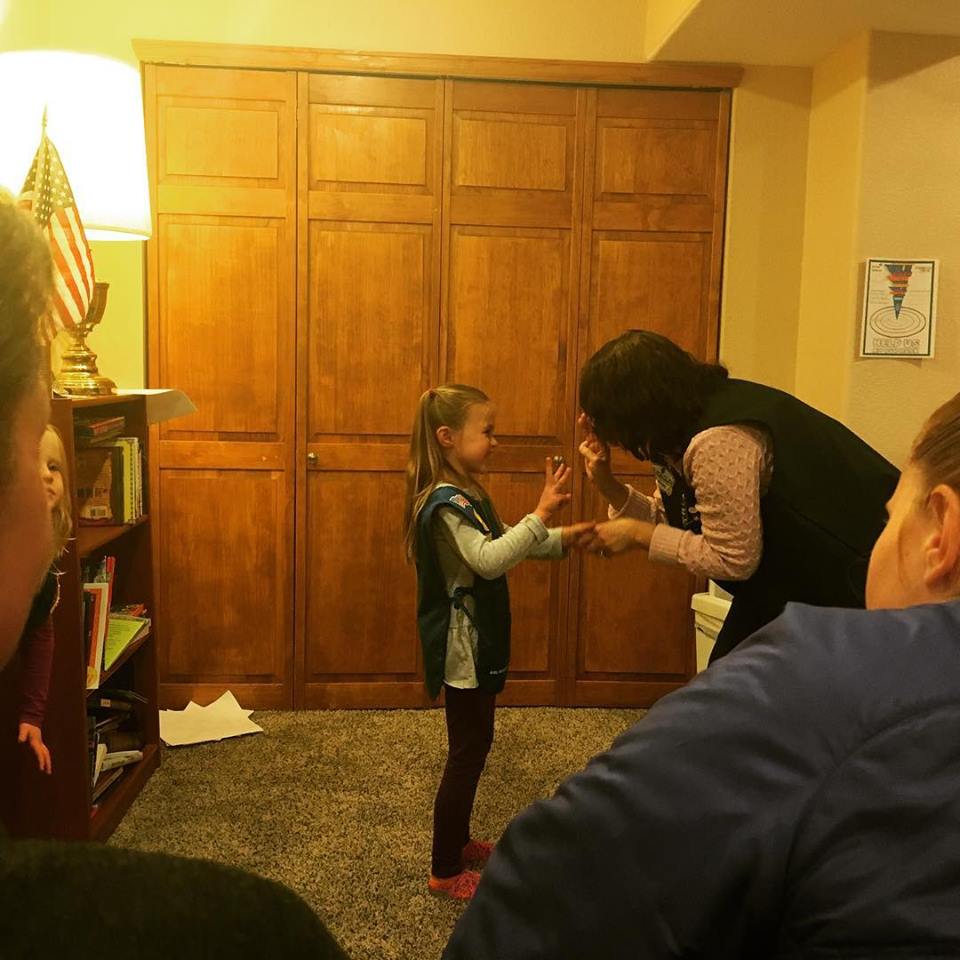
    When we arrived, there were 4 adults to 19 girls.  Her troop leader split them into groups of two.  She told me that usually a chaperone or leader is not placed with their girl, but in this case she made an exception.  So her and I were in charge of one group of girls in which Ashlynn was a part of, and the other two co scout leaders were in charge of the other group of girls for the zoo tour and excursions.  Some would find this preferential treatment; but it is in fact, an accommodation. I found a renewed sense of awe in this woman.  She went onto explain that many of the girls have developed “best friends” and she purposefully separated them for this event because a troop cannot be a troop unless they all learn how to work together.  I shrugged it off.  She looked at me more earnestly and said, “No, when I mean best friends I mean like this,” and she proceeded to hug my arm and not let go.  I still shrugged it off not realizing yet her point.

    As she gathered the girls and called out what group they were in, one of the girls was visibly shaken.  Her mom is a girl scout troop co-leader and I was standing next to her at the time.  She told me that this was a big reason her daughter wants to quit Girl Scouts next year, because Ms. E insists that the girls be separated from their best friends.  As she talked I looked on.  Most girls had a best friend in which they were sitting next too.  If not, they were still obviously part of the group.  Two girls sat in the back of the group slightly removed, but Ashlynn was basically completely removed in the back by herself.  Don’t get me wrong, she wasn’t acting upset or lonely.  Ashlynn loves girl scouts.  It just struck me in that moment that most girls had an “arm clinging” best friend, and my daughter had no one.  This mother I was standing next to felt so bad her daughter would feel alone and away from her best friend for a couple of excursions, and my daughter felt that way basically all the time.  I don’t fault this mom.  Maybe if I didn’t have a kid with a disability, I would feel the same way too.  Maybe I wouldn’t understand or even notice that another child in the group, the child with disabilities never had any of those best friend moments.  Maybe I would be sad that my child would be sad for a couple hours and never realize this girl in the same troop sitting in the back by herself doesn’t EVER have an “arm hugging” best friend. Maybe…..

    Ms. E did though.  Ms. E noticed.  That’s why she split them up.  Society needs to stop casting those who are different to the outside, but including them and accepting them too!  We are all better when we work together.  Ashlynn and I had the best time.  Ms. E paired each child with a “buddy” and Ashlynn was thrilled to have a peer’s hand to hold as she walked around the zoo.  Ashlynn’s joy is so contagious and she is an adult magnet.  I could see though in this setting, just how unlike her peers she looks.  She’s not shy.  She doesn’t get embarrassed or worried about making mistakes.  She bonks into stuff and people and laughs at herself.  She loses attention easily and starts to wander which would annoy her buddy.  She would randomly start talking or singing when you weren’t supposed to and her buddy would have to shush her. It didn’t matter though.  It made Ashlynn’s entire night to be part of her peer group.

    I came home and cried to my husband I get why girls think she’s different.  She’s not stuck up.  She’s not concerned about what other people think.  It’s amazing how society gets it’s grasp into children as young as second grade.  I noticed so many girls tugging at their shirts, checking their appearance, and censoring what they say because they want to fit in.  I couldn’t help but look at Ashlynn and think of the Dr. Seuss quote, “Why fit in when you were born to stand out?”

    What’s ironic is these kids who “stand out” end up changing the world.  I am almost obsessed with successful people.  Notice I didn’t say “famous” people, though many might be famous.  No SUCCESSFUL people.  People actually changing the world and making it a better place.  The innovators and visionaries.  Most of them were kids who were a little different.  Some may have had a “disability” like ADHD, dyslexia, or whatever.  Bill Gates said once, “Be nice to the nerds.  You might end up working for them.”

    Last month in the news the boy scouts were under fire for revoking the eagle scout badge for a teen with Down Syndrome.  The parents filed a lawsuit claiming that their son was being discriminated against because without accommodations, there would be no way he could earn the necessary requirements to get the Eagle Scout Award.    

    The argument against him earning the award was that though he tried his hardest, he did not meet the requirements set forth.  If you don’t have a person with a disability in your family, I could see how this could make sense to you.  There are requirements that have been established, and if a person can’t meet them for whatever reason, they don’t.  There are able bodied children who don’t meet the requirements either and that’s just the way it is, right?

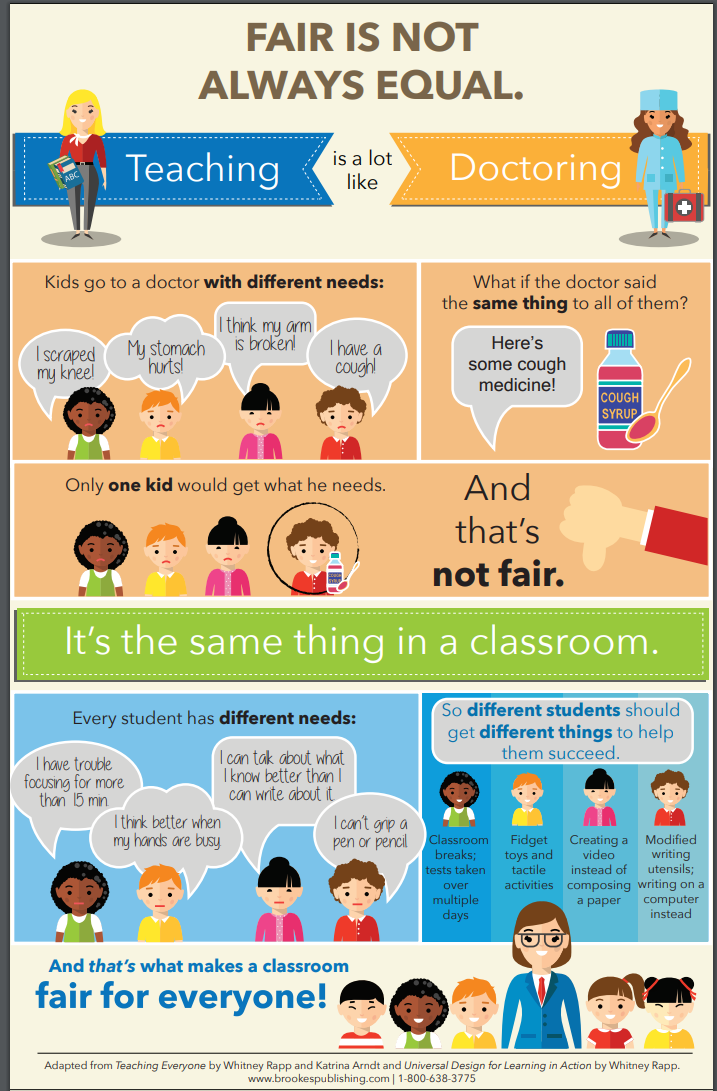
    Let me point out this graphic.

    This graphic compares teaching to going to a doctor.  Kids go to the doctor for different symptoms, and the doctor treats the symptoms.  It would be ridiculous though if you went in with a broken arm and the doctor prescribed antibiotics.  Under our current educational model that is not inherently inclusive; this is exactly what is happening.  The current educational model is based on a child without any learning, attention, or behavioral disabilities.  The lessons are made and the classrooms are set up for kids who can sit in a chair, listen and interpret information, and then attend to their work.  It is not equipped for  the child who needs sensory breaks, or the child who needs to use asisstive technology to help them write because they can’t, or the child who needs assistive technology to have something read to them because they can’t read.  It is not set up for the child who cannot learn through the auditory channel but learns best through visual and tactile channels.  Here is the most important piece though about all of this.  Children who are not “typical” CAN show their learning and skills in other ways if they are just given accommodations!!

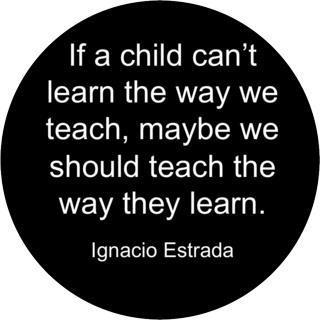
    That’s not fair, you might say.  I would counter that it’s not fair we have a bunch of children with broken arms (learning disabilities) being forced to take antibiotics (traditional education), and then are penalized for failing. They are SET UP to fail.  A system that mandates all children must learn the same and prove they have learned the same is a broken, discriminatory system.  As Albert Einstein once said, “If you judge a fish by it’s ability to climb a tree, it will spend it’s whole life thinking it is stupid.”

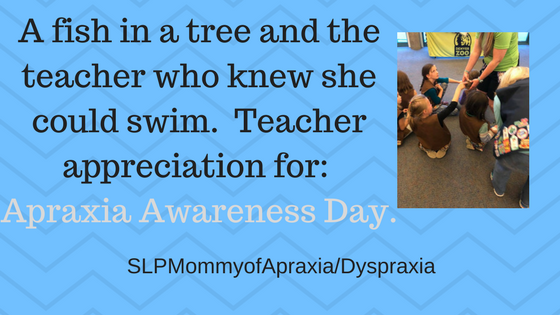
    Ms. E understands this and I am so, so thankful to her.  The challenge today for apraxia awareness month was to recognize a teacher making a difference.  There are so many amazing people I could choose, but today I Thank you Ms. E, for recognizing my daughter is a fish and deserves a chance to swim.

  • “She’s a puzzle” or…. she has dyspraxia

    “She’s a puzzle” or…. she has dyspraxia

    [wysija_form id=”1″]

    It’s no secret apraxia, dyspraxia, and developmental coordination disorder are not well known. Ask any parent, or heck, even any professional, and you will find out pretty quick few people really know what it is.

    Hey, I was one!  I was one of those professionals before my daughter was born. Here’s the thing.  I had my bachelor degree and masters degree AND my SLP CCC certification, and yet I had very few pages detailing apraxia of speech. Dyspraxia?  Developmental Coordination Disorder?  Pretty sure I never even learned those two terms.  My masters degree program taught us to research, but should I have really had to “google” to figure out how to treat a kid with apraxia?  Shouldn’t that have been addressed in school? Shouldn’t dyspraxia and developmental coordination disorder at least been given a shoutout like all the other rare disorders I had to remember including Fragile X and Rett Syndrome?

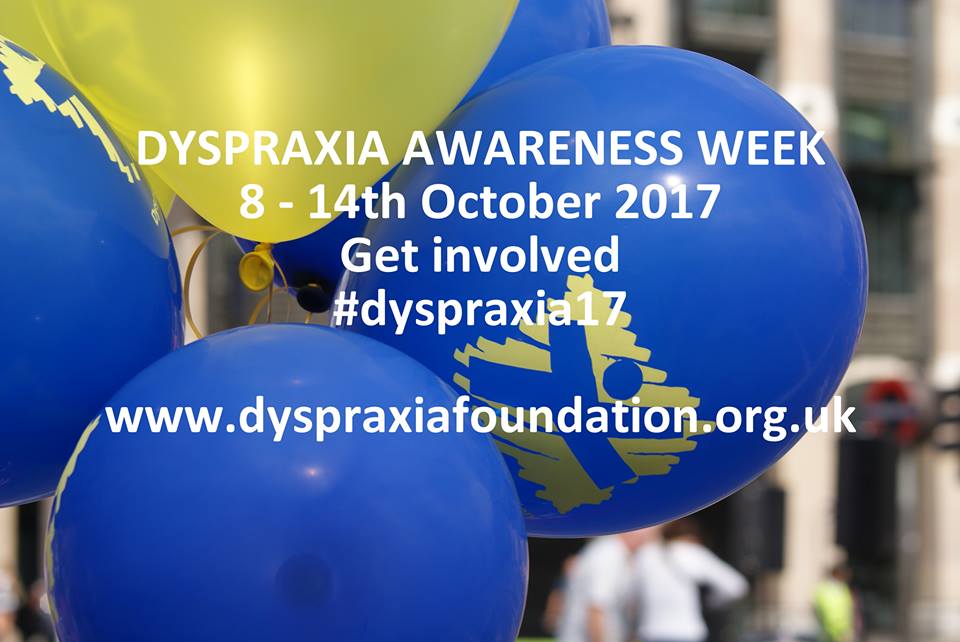
    I digress though.  THIS is why we need dyspraxia awareness week, this year October 8th through the 14th.  Oh, I should mention awareness week was started in the UK by the dyspraxia foundation.  I hope to carry it over here to the U.S., because just because my daughter lives here it doesn’t mean it’s any less prevalent. 

    When I took my daughter in for her first Child Find Evaluation, I remember the PT(physical therapist) telling me,

    “She’s a puzzle.”

    If you are a professional reading this like I was once, you probably didn’t think much about that last statement.

    “She’s a puzzle.”

    We all have one of those kids on our caseloads that we just can’t quite put our finger on exactly what’s going on; and part of the diagnostic process is testing a kid and finding out all the pieces to the puzzle to help develop the best treatment plan for the child.  Sounds about right.

    I can tell you though, hearing your child is a puzzle is quite frankly heartbreaking as a parent.  A puzzle is something you haven’t figured out yet.  As a noun, the definition of a puzzle is, ” a game, toy, or problem designed to test ingenuity or knowledge.” As a verb, the definition of puzzle is “to feel confused because they cannot understand or make sense of something.” So, with those two things in mind, think of how you might feel when professionals who treat children who exhibit similar problems like your child tell you “She’s a puzzle.”

    I don’t want professionals to tell me she’s a puzzle.  I don’t want to know that she’s so unusual that her very being challenged your knowledge, or that you are confused by her.  I mean seriously?  As I’m further on in this journey now, and as I’ve been able to talk to numerous parents nationwide who have a child with apraxia and dyspraxia, I can tell you she’s not a puzzle at all.  Her presentation, to varying degrees, is exactly the same presentation as other children with her disability.  This includes a high likelihood of sensory processing disorder and attention problems to name a couple. Despite this, I was still told last week by someone that her attention issues are a “puzzle.”  Sigh

    This fabulous research article probably puts it best in their opening statement positing,

    Dyspraxia is an enigma to many people, both professional and lay alike

    Enigma now!  It’s ridiculous if it weren’t completely true.  Dyspraxia IS an enigma to both professional and lay people alike.  Listen, the only puzzle, or enigma that I can see after being on this journey for about 5 years now is this.  It’s puzzling THAT PROFESSIONALS IN THE FIELD don’t know about apraxia and dyspraxia.  Now THAT is the puzzle.  I’m including myself friends.  I’m not exempting myself.  How is it, that according to some data it’s prevalent in as high as 10% of the population, yet my daughter is “a puzzle.”  There’s something wrong with that.

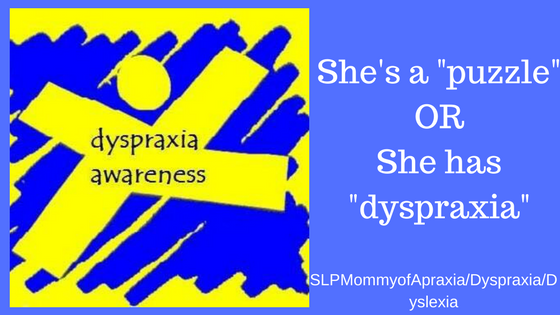
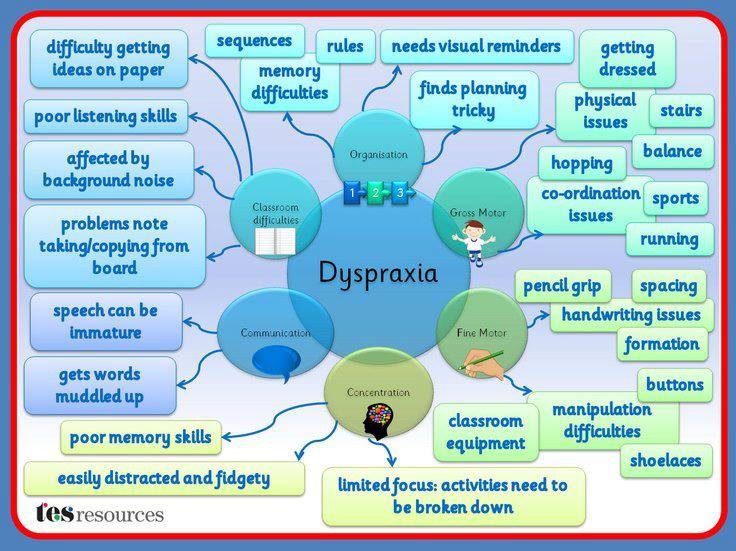
    A simple google search of dyspraxia, apraxia, and dyslexia though will reveal a list of symptoms that are exactly what my daughter has and experiences.  She’s not a puzzle at all.  She fits in all the little boxes of these graphics completely, like the one below. I could quite literally check every…single….box. I guess all the separate boxes resemble a puzzle, but if you put them together they all fit perfectly to complete that big box in the middle: dyspraxia.

    Ultimately though, this article is more than a rant.  This is a dyspraxia awareness post and this is what I want to see.  I want to see these disorders as understood and as well known as other relatively rare global developmental delays like Down Syndrome.  When a professional hears the word “Down Syndrome,” I can guarantee a list of characteristics common to those with DS will pop into their head.  There are always varying severities of course; but a professional is going to know what to expect and be better equipped to help them.

    I hope there is a day no other person with dyspraxia is told they are a puzzle or an engima and instead is greeted with, “Oh dyspraxia?  Okay.  We know exactly how to help you.”

  • Why you are the CEO and CFO in special needs parenting

    Why you are the CEO and CFO in special needs parenting

    A discussion in one of my groups the other day centered around the fact that parents of kids with special needs have to be the CEO on their child.  This extends beyond the idea that we are experts on our child.  The CEO, by definition, is in charge of making all management decisions.

    Parents of children with special needs have to be the CEO, and there is LOT to manage.

    Some days, it can feel unmanageable.  A CEO is typically responsible for the success of a company, which is no doubt stressful; but a parent feels they are responsible for the success of something even greater than a company……

    Parents feel they are responsible for the success of their child’s future.

    I know all parents feel this way about all of their children of course, including those with special needs.  However, the stakes are higher when you have a child with some sort of delay or disability.  A child with special needs is already starting life behind the eight ball.  A parent of a child with special needs feels intense responsibility to give them the best chance at a normal life, which is hard enough in this world without a disability!

    Parenting a child with special needs is a juggling act.

    When a parent has a kid with special needs, they spend their time not only at the pediatrician, but are bounced from specialist to specialist in many cases, just in an effort to get an actual diagnosis.  Kids with special needs in many cases have visited developmental pediatricians (different from regular pediatrician), neurologists, and psychologists. They have had blood taken, scans done, and more doctor visits to discuss results.  They have been poked, prodded, and examined more than the neuro-typical peer.  Their tiny bodies might have been subjected to sleep studies, sedation, and sometimes surgery.

    Therapy is always in the mix.  They may see occupational therapists, physical therapists, speech therapists, play therapists, behavior therapists, early interventionists, vision therapists and the list goes on.  Seeing a therapist always means another new evaluation, where this child who struggles anyway is subjected to tests and judgement calls as to their performance compared to typical peers.

    Obviously, there are only so many hours in a day and so a parent; the CEO if you will, has to choose  and prioritize many of the above listed appointments and even others not on this list.

    Unless you have been in this position, you have no idea how excrutiatingly difficult it is to decide which doctor or therapy your child needs most or more.

    Remember what I said before.  As a person making these decisions, the weight of your child’s future feels like it lay squarely on your shoulders.  Hopefully, you can get an appreciation of how big that weight becomes.

    Let’s not forget though, money.  All of these things cost money.  Insurance in many cases does not cover the brain scans, the MRI’s, the evaluations and the therapies.

    It causes a parent to become the CFO for their child as well.

    A CFO is responsible for the financial affairs.  Oh, and in the case of a parent with special needs, one doesn’t count on paying thousands of dollars out of their budget when they are starting a life with their partner, buying their home, and preparing for a new baby.  I had a supervisor tell me once at a private practice, no one can afford therapy, because no one counted on the huge hit to the budget these therapies, doctor appointments, and evaluations will cost your family.

    If you are lucky to get some sort of disability, Medicaid, or scholarship to help fund the cost; it’s not without another price.

    Time.

    All of these applications take an enormous amount of time.

    Parents need to gather required documentation, letters from insurance companies, doctors, evaluations, tax returns, and medical records to name a few.  A parent will spend hours filling out paperwork, spending time on the phone, and listening to hold music.  This time is well spent if a parent can get insurance to cover or get money to help with expenses; however, prioritizing time and finding time is not easy when we are shuffling our kids to doctor appointments and therapy appointments (see above).  This on top of finding time to put them in “typical” kid stuff like soccer or gymnastics and letting them go to birthdays like other kids do; in hopes that they can feel “normal” at least some of their childhood.

    If we are lucky, there are times we CEO parents find the perfect team.  We’ve got the diagnosis, the plan and team of therapists to treat it, and we see our child do the most amazing thing in the entire world……

    Make PROGRESS

    It’s probably the most beautiful gift in the entire world and in that moment; all the guilt, all the stress, all the worry, all the money, and all the time was 100% worth it.


  • Apraxia would have destroyed me

    Apraxia would have destroyed me

    I often think about what would have happened had it been me who had apraxia, dyspraxia, SPD, dysarthria, and a learning disability when I was young.  It’s pointless I know, but I was/am a perfectionist.  That’s not a good thing.  I learned early I was really good at spelling, reading and writing, but math I had to work for.  I won a math award in 3rd grade and I looked at the teacher, Mrs. Plummer,  like she was crazy.

    “I’m not good at math.  Give this to Keith or Jimmy.”  She maintained I was good at math, but I didn’t believe her and I never cared about that award.  I knew what I was good at, and it wasn’t something I had to work that hard to do well.

    I think about that because Ashlynn has to work at everything to do well.  There’s not like one thing that comes naturally to her….well actually social skills do, but she’s behind in that too only because of her other issues.  I had to work at math so it made me mad and I didn’t want to try, despite the fact I could do well.

    Her disability would have destroyed me.

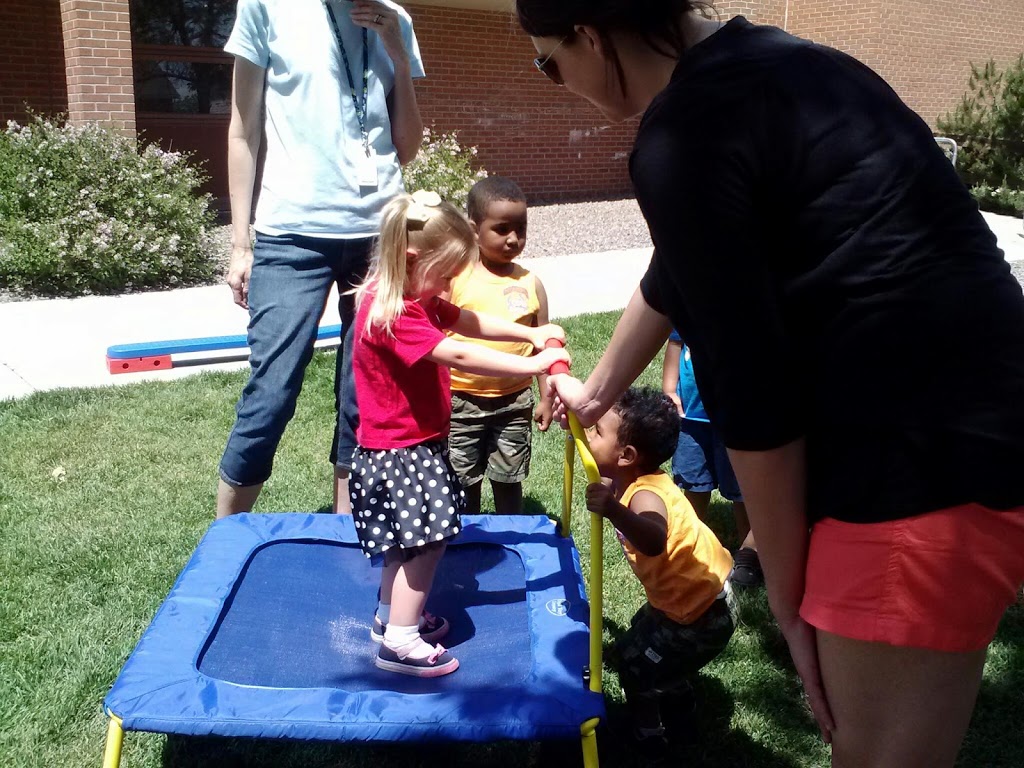
    She has the best of my husband’s personality THANK GOD.  She doesn’t get embarrassed, she attacks everything, she’ll try anything, and she’ll never give up until she conquers it.  That’s a page straight up out of her daddy’s book.  She’s in a first grade performance Tuesday, and I was watching the practice with the art teacher.  I said the songs were hard for a kid with a speech problem (bear necessities, supercalifragilisticexpialidocious) and the art teacher smiled and said she loves Ashlynn because she just goes for it.  I smiled.  It’s true…she does.  She always has.  I can still cry thinking about her preschool observation where she couldn’t jump on the trampoline so she smiled and marched instead.  All the kids were encouraging her to jump like them….

    and she couldn’t bear walk so she hung across a teacher’s arm upside down to at least get a feel for the movement….still smiling.

    When she rode her tricycle and couldn’t pedal she never stopped trying……and not only trying, but smiling. Oh, and guess what.  She learned all these skills eventually, on her own time.  She walks, she runs, she jumps, she bear walks, she skips!  She puts me to shame.  She puts that third grade girl who decided math wasn’t her thing to shame.

    Well not anymore.  I’m not sure anyone becomes a parent to be inspired by their child, but she has inspired me and made me better.  There are things I do now I would have NEVER attempted.  Every time I’m scared or nervous, I think about Ashlynn.  One year on a camping trip everyone was cliff diving.  I was terrified as I stood on the cliff, but I thought of Ashylnn and I’m on video jumping and while I’m in the air you can hear me say “for Ashlynn.”

    Tonight we were watching “Zootopia” and a song came on “Try Everything.”  Ashlynn started clapping and dancing around the kitchen.  She always dances like no one is watching.  Isn’t that phrase people have to try and follow?  Well, Ashlynn just lives it.  It’s her essence.

    So I started listening to the lyrics and I’ll be damned if this isn’t that girl’s theme song.  I downloaded it immediately.  (I’m also admittedly a Shakira fan so I was hooked anyway).  We put it on outside and her AND Jace were going crazy.  It’s a great song.

    “I messed up tonight, I lost another fight
    I still mess up but I’ll just start again
    I keep falling down, I keep on hitting the ground
    I always get up now to see what’s next

    Birds don’t just fly, they fall down and get up
    Nobody learns without getting it wrong

    I won’t give up, no I won’t give in
    ‘Til I reach the end and then I’ll start again
    No, I won’t leave, I wanna try everything
    I wanna try even though I could fail
    I won’t give up, no I won’t give in
    ‘Til I reach the end and then I’ll start again
    No, I won’t leave, I wanna try everything
    I wanna try even though I could fail

    Look how far you’ve come, you filled your heart with love
    Baby, you’ve done enough, take a deep breath
    Don’t beat yourself up, don’t need to run so fast
    Sometimes we come last, but we did our best”

    So many times she has come in last but she gets back up and tries again. As a witness to this strength I have no choice but to do the same.  Look how far you’ve come, but don’t keep looking back.  Look up and I’ll walk next to you guys through anything and I’ll pick you up when you fall.