Tag: CAS

  • Shaming parents about home carryover

    Shaming parents about home carryover

    I’ve been on this special needs journey with Ashlynn for a long time now.

    I have grieved, recovered, grieved, and recovered again. I have developed thick skin.  I have felt guilt, then peace, more guilt, and then peace.

    I thought I was past all the BS.  I have accepted Ashlynn has severe needs.  I have accepted my journey with Ashlynn is going to be MUCH longer than I ever anticipated and I have embraced it.  This girl goes to school from 8 to 2:45, and almost every day after school she has some sort of therapy or tutoring strategically scheduled to help her overcome all of her learning disabilities.

    I’ve been done making excuses for not doing homework.

    I finally just started being honest and saying “We will see. She is a very busy and overscheduled little girl,” when therapists would ask about homework .  Ashlynn goes to school and then has therapies after school, and then we hope to get home to eat and then finally do her SCHOOL homework.

    That doesn’t mean there isn’t any other homework.  Oh no.  For all the therapies she receives after school there is also homework.  Always homework.  So not only does the average kid NOT go to therapy or tutoring everyday after school, they also then don’t have the homework assignments from said appointments after school.

    My daughter has it all.

    Go to school and get homework, and then attend therapy and tutoring that takes away from homework time after school and receive MORE homework on top of school homework for the extra after school services.  Oh, and my daughter has global motor planning issues, so any homework assigned is usually homework that needs to be done everyday.

    Everyday my daughter is expected to do regular school homework and then follow through homework for OT, PT, Speech and tutoring as well.

    If for some reason said homework isn’t done or done to the fidelity of a therapist’s expectations, I get to see the raised eyebrows and judgemental eyes.  I know what they are thinking even if they don’t say it.  “You couldn’t carve out 5 minutes for some simple yoga poses?  Speech word practice? Sight word drills?”

    Again, I thought I was past this.  I was done feeling guilt.  My whole life is running around trying to get my daughter the help she needs and then coming home and trying to be a mom and get dinner and then at least getting through her school homework. I have been done for a LONG time apologizing for not getting the therapy homework done.

    That was until today

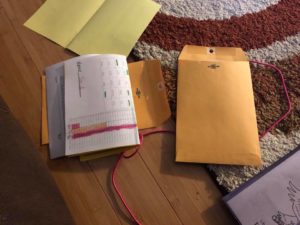
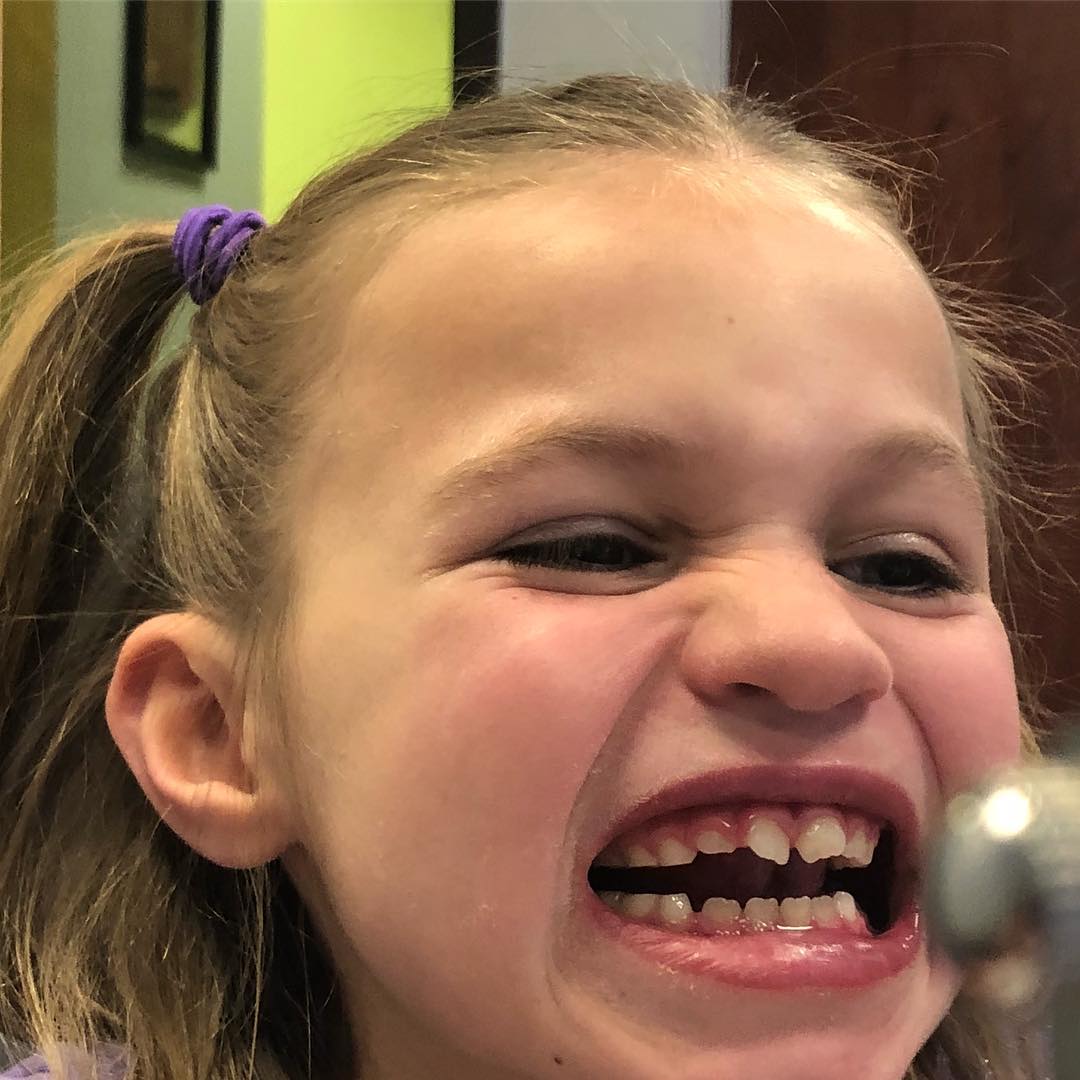
    Two weeks ago I put Ashlynn into a therapy called oral facial myology to help with her mouth breathing, tongue thrust and immature swallow.  I knew going into this the homework component was going to be big.  I knew this! We received a sticker chart to keep us honest.  Ideally she would do the exercises 2x – 3x  a day and we would reconvene in 10 days.

    Today was our second follow-up appointment. I was so proud of Ashlynn!  We had done the exercises every single day!  A handful of days we managed 3x, most days we did 2x a day, and on three days including one where she spent the night at her grandma’s we did 1x a day.

    I was proud of us.  That was no easy feat. Sometimes it cut into bedtime but I knew this was important and I was willing to go the extra mile.

    My sails were immediately shredded within 5 minutes of our second visit.

    The swallowing therapist was warm and inviting as usual.  We were seven minutes late because we were driving from PT and I had forgotten to ask the physical therapist to end 5 minutes before and instead she ended 5 minutes late.  We still made it though! School ended at 2:45, we were at PT at 3:30 and then we were at swallowing therapy at 4:25. I was proud of myself for getting her to all these places.

    “How did the homework go?  Did you complete it?” the therapist asked Ashlynn.  Ashlynn enthusiastically nodded yes as I took out the sticker chart and the therapist looked on disapprovingly.  So there are three days here you could only do one practice session?  For this program to be successful, she needs to be doing the exercises at least 2x a day.

    “There are a couple days we did three!  Does that cancel out the three days we could only fit in one?” I laughed nervously.

    I looked up to a face of disapproval.

    “For this program to work, you really need to be more consistent,” she lectured.

    I swallowed a big swallow and collected our things. I think I literally gulped back tears.  I was paying a lot of money for this therapy.  Of course I wanted to see it be successful.  Of course I wanted to practice with Ashlynn as much as I could.  Guess what though?  I also needed to make sure we completed her homework and read at least 10 minutes per night.  Then and only then did I need to make sure she was doing her homework for reading tutoring, OT, PT, and speech as well.  Oh and she also needed to eat at some point and take a shower.  Being a kid?  Nope.  That’s not in the cards apparently.

    The guilt and responsibility is overwhelming

    I cried as I left the swallowing woman’s office.  I was trying!  I thought Ashlynn and I had done amazing!  We practiced what seemed like every spare minute we had together, which actually is very little spare time together!  I was proud of our dedication, but this woman had only criticism.  She told me if the program was to work, I really needed to get more serious about practice.

    I went home that night in a state of anger.

    I was yelling at my kids, my husband, the computer..really anyone who would listen.  I was devastated at having a therapist, a well respected therapist basically tell me if I didn’t take the homework seriously and with the fidelity it needed to be, my child wouldn’t improve.

    I railed against everyone and then I messaged an ally.

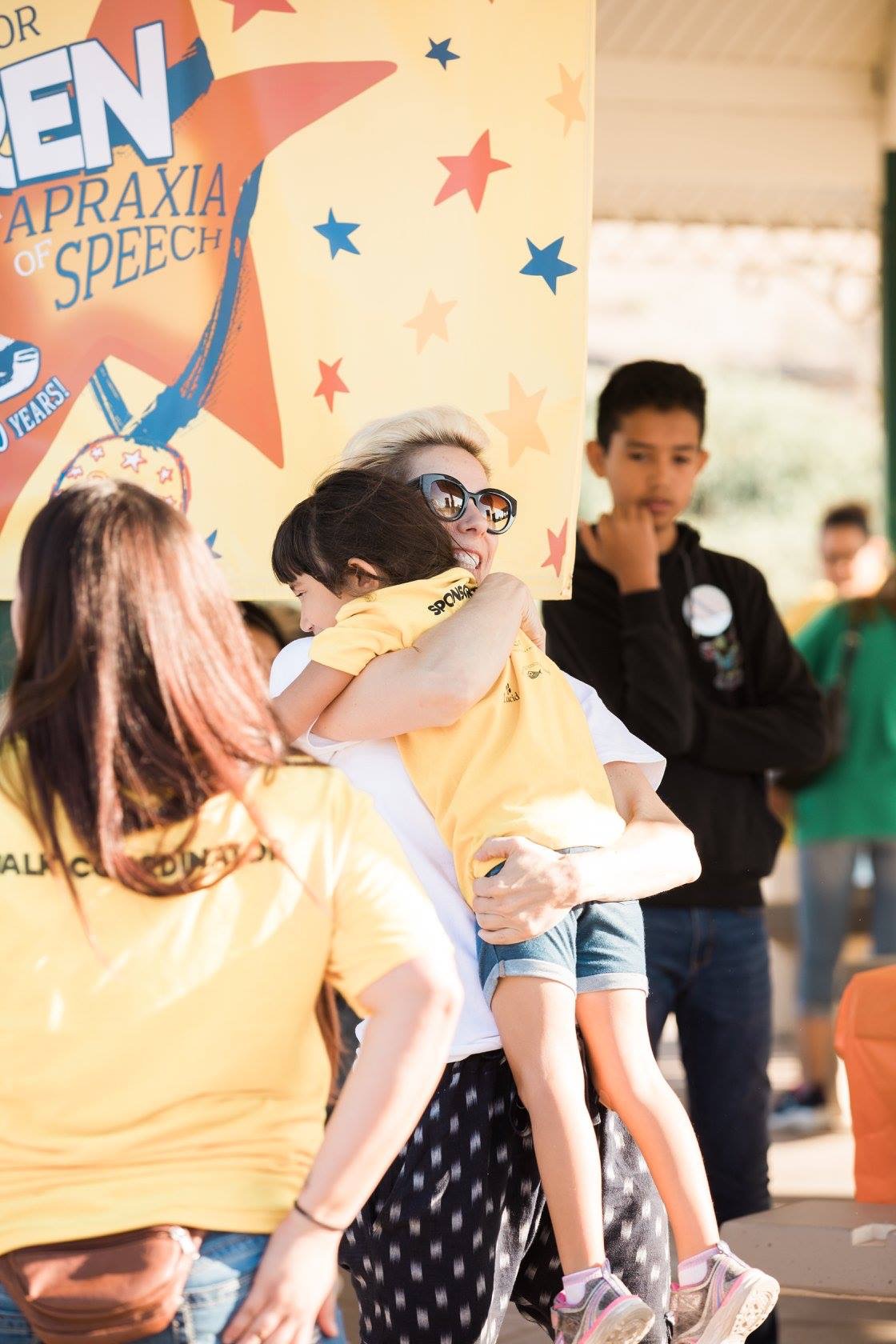
    The ally I messaged is an SLP who specializes in apraxia and oral facial myology.  I was so lucky to meet her at L.A.’s Walk to Talk for Apraxia when I took Ashlynn at 8 years old.  Her name is Lisa Klein and she has a reputation for not only being an amazing therapist, but being an incredible friend, mentor, and encourager. I barely know her yet knew I needed to talk to her.   Fortunately for me, she told me I could call her on my way home and like a crazy mom who is desperate I did.  I talked in a long winded series of run on sentences and questions and when I stopped she said the most impactful thing to me that brought me to tears.

    Laura, first of all, you are a great mom and that girl has come so far because of you.

    I started balling.  Not like crying either or tearing up.  No. Chest heaving ugly cry balling.  I just needed that validation.  She went onto say things that our myofunctional therapist suggested too like going every other week.  She brainstormed how to get in practice or what exercises we absolutely couldn’t miss. She said all of this though with compassion and free from judgement, and that is exactly the type of therapist I aim to be too.  We need to meet parents where they are at and we need to know parents are under an insane amount of pressure and are doing the best they can with the tools that they have.  I need a therapist to understand that.  I’m constantly shocked by the number of therapists who have so most judgement. I say this all the time but I say it again.  Please, if you are a therapist reading this please have compassion and understanding for the parents.  We are fighting daily battles and crying tears no one ever sees.  Please be kind.  Please.
  • Growing up with Apaxia: A hidden card up his sleeve

    Growing up with Apaxia: A hidden card up his sleeve

    Hi Mark!  I’m so excited to have you as part of my Growing up CAS series! You recently just completed your first year of college correct?

    No it was my first semester of college.

    Congratulations!  I hope you know by you sharing your story and experience you give other parents out there so much hope!  You are an inspiration and someone for our kids to look up to! 

    Can we start with you telling us a little bit about yourself?  

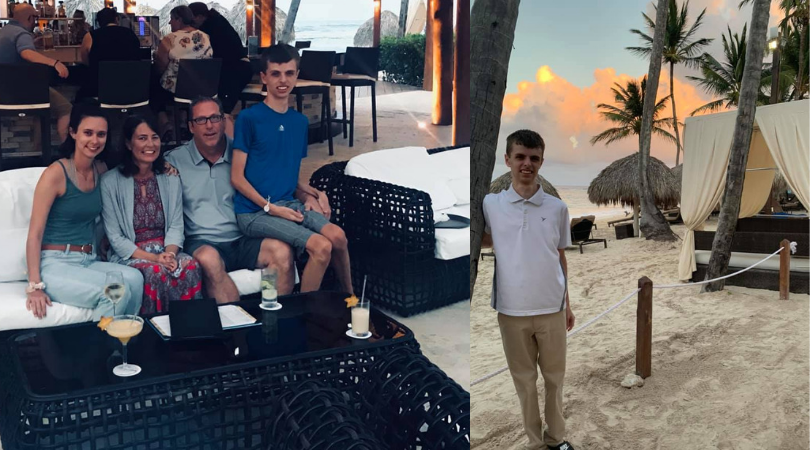
    I’m Mark Lippert and I’m 19 years old. I live in Saint Paul Minnesota with my Mom, Dad and my sister. When I was diagnosed with apraxia I was 2 ½ years old.

    What are your childhood memories of having apraxia and going to therapy?

    My early memory of being in speech therapy is that I needed my mom and sister to be in the speech therapy room with me or I would not work.  As a reward for me after speech therapy my mom would take me and my sister out for ice cream by my speech therapy center.  It was 40 minutes away from my house and my sister had to sit with me in many speech therapy sessions, so that is why she got ice cream too!  At the end of each summer speech therapy, my mom would take me and my sister to “Chuck e Cheese” which had 2 floors.  

    Did you have any additional academic struggles or co-morbidities?

    Yes i had a lot of struggles with school over the years. I had a IEP since I started school K-12. I got diagnosed with a learning disability when I was in 2nd grade.

    How has apraxia affected your life, or has it?  Do you have any residual issues?

    Apraxia has affected me and my whole life in good and bad ways.  My speech can be an issue but I  do not let it define my life.  For example, I might not be understood the first time when I’m talking to someone. But I do not let it interfere in the conversation with someone.  Apraxia has shaped me into who I have become and if I did not have Apraxia my whole world would change. I bet I would not have the same work ethic and motivation that I have. I have gotten so many compliments by teachers on work ethic and motivation that I show in my life.

    Work ethic is a huge key to success!  Speaking of school, what was your school experience like?

    My school experience has been mostly good where teachers would support me and what I had on my IEP where I might not have been as good as other students but they would always understand. For all of my school career I have been that type of student in the Special education program were the student would be flip flopped being in a regular classroom and being in every kind of special education classroom. My case managers over the years have been ok at best.  In high school I was  put in special education classrooms where it did not fit my educational needs in that it was really too easy for me. In total over having case managers excusing elementary school, I have had four with the the most being in high school. Overall my school experience has been good when my supports fall into place.

    What do you want people to know about you and others living with CAS?

    Trust your child’s class performance over IEP Re-evaluation testing.

                                IN SOME CASES     

    That apraxia kids can understand everything that you say. I think that apraxia kids’ brains can process at the same or a little faster as anyone can.

    What advice do you have for those growing up and/or living with CAS?

    Just keep fighting! I know that you might not want to go to speech therapy because you know that you can’t say the  word you have been trying to say as clearly as possible.  You might not say it that time but you are going to say it in the long run. When i was younger I hated when people said that I was going to speech therapy. I would tell them to just call it “Speech.”

    Most parents are so worried about the future when their child gets an apraxia diagnosis.  What would you tell them?

    Like my mom says “ there is always a light at the end of the tunnel.”

    Do not set any expectations for their education career and their life.  They might surpass them all like I did! My parents did not think I could ever be in college. They thought at the best I would go to a Trade school. Do not ever let the internet shape a picture of your child’s life going forward, because your child might have a card up their sleeve that they might not show you at their start of life, but at the end they are going to show you everyday!

    That gave me chills Mark!  You are helping to change the stigma around apraxia and special education!  I can’t wait to see what you do moving forward!  You definitely had a few cards up your sleeve and I’m sure your parents couldn’t be prouder!

    Growing up with apraixa is part of an ongoing series that aims to celebrate neurodiversity and highlight those who have grown up with Childhood Apraxia of Speech and related struggles.  If you are interested in being featured, send an email to lauraslpmommy@gmail.com

  • Hammering out apraxia with David Hammer

    Hammering out apraxia with David Hammer

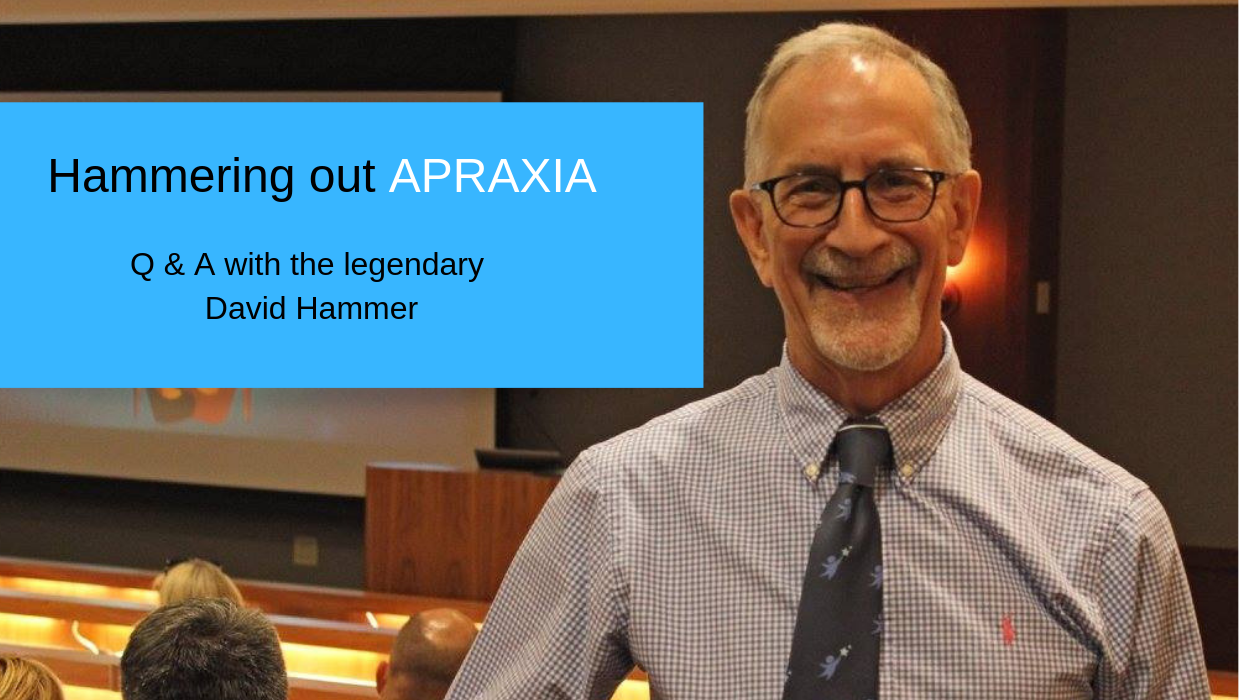
    Hi Dave!  Thank you so much for coming on to guest blog!  You know you are famous in the world of apraxia, so I am honored you are willing to guest blog!  Your contributions to the field of Speech/Language Pathology and more specifically apraxia are inspiring.  It’s an absolute honor to know you and I can’t thank you enough, speaking as a mother of a child with apraxia, for all you have done to advance the field.  Recently, you just announced your retirement set for the end of this year.  Though I am sad, I am so grateful for your enormous contribution to the field and am so happy you joined me today to share your knowledge!  I normally pick a specific topic, but for you, my readers wanted to ask questions related to apraxia and see what you had to say!

    I feel humbled by your kind words, Laura, and also feel blessed to have been in this great field for 40 years.  I will return the thanks for all that you have done in the Apraxia community as you wear the hats of an SLP and a mother of a child with apraxia. I often talk in my presentations about how SLPs have to wear so many hats – their SLP hat, their parent counselor hat, their psychologist hat, their OT/PT hat, etc. given that we are dealing with the “whole” child and not just the “hole” where speech emerges!  I applaud anyone in this profession that looks at children this way. I am fine with answering a wide range of questions so I will proceed…

    Can you start though by introducing yourself first including how and why you became interested in apraxia?  Also, what is your involvement with Apraxia Kids?

    I started out working for Children’s Hospital of Pittsburgh, PA after graduating from the University of Pittsburgh.  Through my first office window I look directly at the building that housed the speech clinic where I was trained! I began to specialize in stuttering but then Luke Lasky, Sharon Gretz’s son, came into my life through a referral from my esteemed boss, Dr Tom Campbell.  It wasn’t long before I became fascinated by this challenging motor speech disorder and from that point, my career passion changed. Having been a part of the beginning stages of what is now known as Apraxia Kids has been quite rewarding. To see this organization grow from 2 parents observing their 2 boys with CAS through my two-way mirror in dyad treatment to what it is today is remarkable.  I left Children’s Hospital after 35 years as a practicing therapist and administrator and joined the Apraxia Kids staff (then CASANA) where I have been the last 5 years. I recently announced my retirement plans for the end of 2019. It has been quite a journey!

    Is it necessary and beneficial to get an MRI or do specific genetic testing or any type of medical testing for that matter.  If so, why?

    This is always a challenging question and one that I answer for parents often.  Let’s start with discussing a neurology appointment. I do not feel that all children with CAS need to see a neurologist, unless they demonstrate what we call “soft signs” such as clumsiness, inability to cross midline, hand tremors, imbalance, staring spells, etc.  In those cases you would want to rule out other potential medical diagnoses. But to ask a neurologist who likely had very minimal training on CAS to evaluate whether or not a child (who is usually very reluctant in a physician’s office) shows features of CAS is unfair and could potentially lead to misdiagnosis. Also, CAS is not a medical diagnosis.  Studies have concluded that a high percentage of children with CAS show normal MRIs.  There is no conclusive brain imaging or genetic tests to diagnose CAS. It is a clinical diagnosis to make and should be done by a speech-language pathologist.  The child’s SLP may suggest genetic testing or neurological testing if they see indicators of other concerns but to routinely have all children get an MRI, have genetic testing done, or a neurological examination is not what I recommend.  Unfortunately, some of our SLPs in Canada in certain provinces are required to send all children to a physician to get a CAS diagnosis which can certainly slow the process of getting children the therapy help they so desperately need. Some parents just want to make sure every rock has been overturned and will seek out genetic testing and/or neurological testing.  I would never stop them from doing that but will discuss the pros and cons.

    What are other conditions that are common with Childhood Apraxia of Speech?  

    I would say fine motor planning struggles, sensory issues and anxiety are 3 that come to mind first.  I added anxiety to that list just recently as I talk to more and more parents and SLPs about how children who struggle to communicate seem to have more anxiety than is typically seen. It makes sense when you think about it as communication is such a vital part of what makes us human and social beings.

    For the child with profound apraxia, where do you even start?

    First of all, you must make sure that the child has the foundational skills for communication such as joint attention, ability and willingness to imitate (any motor movements), and a certain level of cognitive ability.  Some of the children can’t make use of motor speech therapy until those foundational skills are in place and a lot of time is wasted just trying to get speech first. If those foundational skills are intact or to a point where the child can benefit from therapy, then the starting point would be for me building on whatever the child has in their vocal/verbal repertoire.  We can use expressions, animal noises, vehicle sounds to build speech from creatively. The foundational element is the syllable for motor speech work so we would not work much in isolation but would constantly be looking at sequencing sounds to build motor plans. I would work on a very few words in the initial stages when a child has profound CAS to build these motor plans in hopefully functional ways.  The targets for this early practice are critical and should allow for the child to feel early success or they will lose their motivation for trying quickly. Speaking for them is very challenging, and it is not much fun to have to repeat syllables and words over and over, so to get them to take vocal/verbal risks is the challenge for the SLP and parent/caregiver alike.

    Is it possible for a child to have apraxia, sensory issues, and other language disorders such as Mixed Expressive/Receptive Language Disorder and it not automatically be autism?

    For sure.  I have seen a number of children for evaluations who come in with a diagnosis of autism spectrum disorder who really reflect severe CAS with mild-moderate sensory issues.  I also see it the other way around where parents are holding on to a CAS diagnosis when it is apparent that the child is also showing features of autism. For some parents, they think that when the speech symptoms “go away” their child will just be like all other children, but this is not always the case when there are complicating dual diagnoses. I can certainly understand why parents would hold on to something that appears more “fixable” despite the challenges that CAS brings.

    Is there any research on regression in speech motor planning when a child has a growth spurt?

    I know of no evidence of this, but my psychology and child development training throughout the years coupled with my experience show me that there is always a chance of regression and or behavioral change when there is a growth spurt that sets the “system” in a whirlwind until it can again settle down. It’s an interesting question and one that would be fascinating to study.  Overall, however, we do not see significant regression in speech for children with CAS. We are likely to see what I call the “plateau effect” where there are periods of leveling off of progress while a child is apparently consolidating his/her gains. I stress to parents that they should think of these as “input phases” where their verbal input, practice, etc should still continue and even heightened despite the output not changing much.  Then you tend to see this followed by a spurt of progres but it often cycles back. The journey of CAS is not a straight line of progress.

    You’ve presented before on best practices for apraxia with a co-morbidity of autism.  Are there any resources available for this?

    There are not many resources currently.  Key points to be made here have to do with differential features, for example children with CAS ofen averting eye gaze due to lack of communication success and children on the spectrum often avoiding eye contact due to perceived aversiveness to looking an another’s face.  Both groups may demonstrate sensory issues which is why misdiagnosis is so easily done. One article from the April 2011 Journal of Autism and Developmental Disorders comes from Larry Shriberg and his group called “The Hypothesis of Apraxia of Speech in Children with Autism”.  

    Is there a connection between apraxia and reading struggles?

    A very high percentage of our children with CAS struggle with reading and show evidence of struggles in the preschool ages with foundational phonological awareness skills.  It is critical that SLPs and parents make sure there are foundational elements of literacy incorporated into therapy sessions and home practice/stimulation. There is nothing better for parents to do then read to their children daily.  I usually suggest at least one book for pleasure and one that incorporates some degree of speech practice time. I think this is one of the biggest frustrations I hear from parents – just when they think the child is overcoming the motor speech challenges, along comes major literacy struggles which then pervade learning in school.  It is this constant “getting over the next hurdle” that requires a lot of perseverance for parents.

    Do difficulties eating or picking eating often accompany apraxia?

    As I mentioned before, with seeing so many children with CAS having sensory issues of one degree or another, it would make sense that picky eating may be a component of these sensory deficits.  It is difficult to sort out whether there is oral planning challenges contributing to eating difficulties and the possibility that it may be more of a weakness issue (e.g. a child with dysarthria or combined CAS/dysarthria) needs to be investigated.

    Let’s end it with something fun.  Do you prefer plain socks or fun socks?  

    On me or on others? – haha!  I would say I tend to wear plain socks most of the time, but when I was a practicing therapist, I had a LOT of fun kid-themed ties that I think helped children feel even more comfortable when they came to see me.  Oh, I do have a pair of dinosaur socks that were gifted to me by a child’s parent when her child ended therapy, knowing that a major theme in our therapy had been dinosaurs! Ironic that I just bumped into that parent and her now older child when I went to see Hamilton the other night!  Both experiences were amazing as I marveled at what Lin-Manuel Miranda and this parent/child duo had accomplished!

    Thank you so much Dave!  It’s been an honor to have you, to know you, and to consider you a mentor and friend!  Your contribution to the field cannot be measured. As a mother to a child with apraxia, I’m so grateful to you. 

    …and I am so grateful for you, all the parents/caregivers out there on this journey, the children who truly are superheroes, and the SLPs who passionately want to help, ALL of whom have inspired me in this field!


  • Growing up with CAS: Never stop dreaming

    Growing up with CAS: Never stop dreaming

    This month I’m excited to introduce Alyson Taylor! I’ve had the pleasure of hearing Alyson and her mother speak at the Apraxia-Kids National Conference; as well as speaking to her personally on a few occasions.  Alyson is smart, witty, funny and has a great outlook on life!  Oh, and she also grew up with Childhood Apraxia of Speech!  Welcome Aly!

    Can you tell my readers a little bit more about yourself?

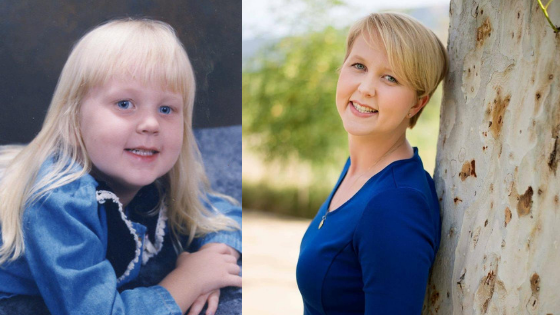
    Hello! My name is Alyson Taylor and I am a former child with Apraxia of Speech. It was definitely a long journey-I didn’t fully communicate until I was 7 years old, early special education courses, and 13+ years of speech therapy. Fortunately, the journey itself gave me the strength and wisdom to find success as a young adult.

    With hard work and finding comfort in my speech, today I speak with what sounds like an accent. Despite this I attended and graduated from Emory University with my BA in Political Science and Spanish. I work now as a Paralegal at Thinkwell Group, an Experience Design Company known for their Theme Parks. I also volunteer and advocate for the Apraxia Cause; I’m on the Board of Directors for Apraxia Kids and also maintain my own blog “Girl With A Funny Accent.”

    My family and I understand how difficult the Apraxia Journey was with limited resources in the nineties, so today it’s exciting to contribute these resources for the next generation.

    What do you remember as a child about CAS and speech therapy?

    As a child, I actually didn’t know about CAS. Frankly, I thought I was speaking normally and everyone else had poor hearing. It wasn’t until I was about 9 that I even became aware of Apraxia and that I spoke ‘differently’ than others.

    As far as Speech Therapy, I enjoyed it when I was younger. The time passed quickly between games and toys. Also, my Speech Therapy was rather experimental. I was a Case Study at a local university studying Apraxia and how to treat it, so some of the practices were unique. One of them being peanut butter on the roof of my mouth to direct my tongue on how to say ‘R.’

    Sadly, I grew to resent Speech Therapy around the teen years. Understandably so, I was doing well in my courses, transitioning into higher Honors classes, and playing Varsity sports. Speech Therapy took time away from my personal interests and goals as a teenager, so I quit attending at 15/16 years old. Best and scariest decision I ever made; choosing to live the rest of my life with a Speech Impairment in turn for my personal goals-college, career, and advocacy.

    Were you ever bullied?

    Um, yes!

    Some bullies were worse than others I’ll admit. I knew to ignore them, stay silent, and avoid them. However, there were some bullies that my friends and family helped me with. Thank goodness, right?

    Overall, I’m thankful I had engaged parents and friends that knew when to get involved and help me. I was definitely more patient with bullies than I should have been. Some of my most notable bullies were those following me around the playground, demanding I said ‘Rose’ or ‘Rabbit,’ then laughing when I did or calling me stupid for not responding at all. The other most notable bully was one that threw a snow cone at me during a Cheerleading Fundraiser and suggested that “The Retard to go back to speech.”

    Thankfully that bully didn’t stain the Cheerleading Uniform. Both instances, my parents and my friends were always there to have my back, call the bullies out, and life went on. [On a side note, the snow cone Bully never bothered me again, my Dad had a one-on-one chat.]

    How has apraxia affected your life, or has it?  Do you have any residual issues?

    For one, I still have an accent that I constantly need to explain. This past weekend at a Happy Hour I explained to two bartenders what Apraxia is. Anyone else after who asked, I lied and said I was from London. It tries my patience sometimes, I want to enjoy my night out like anyone else without constantly explaining why I speak the way I do. I know those asking don’t know better, but it does try my friends’ and my own patience sometimes.

    Aside from my personal life, it hasn’t affected my professional life and I’ve been fortunate enough that no one has asked about it during an interview. Additionally, Apraxia gave me the tools I need for success-being resourceful, adaptable, and always working hard to figure it out. These skills help in any field and I truly believe it helped me get to where I am at now.

    Most parents are so worried about the future when their child gets an apraxia diagnosis.  What would you tell them?

    All parents worry about their child and their future-Apraxia or not. Sadly though, Apraxia is an immediate threat to their child’s potential. With it, parents lose hope and quit dreaming for their child to achieve those grandiose goals-like becoming a doctor, a lawyer, a firefighter, etc. They begin to settle for the bare minimum-for them to talk.

    My advice would be to never quit dreaming, to never quit being hopeful for your child. If you’re not hopeful for them, then who else will be?

    What do you wish more people knew about apraxia?

    In the very beginning of the Apraxia Journey, many adults say that their child isn’t speaking. To a certain extent that’s true; however, in a child’s perspective they are in fact communicating. In their heads, they are saying the words correctly yet everyone else cannot understand them. The purpose of speech therapy isn’t only to help the child speak, it’s retraining their mind as to what is considered communication and what is actual gibberish. I wish more people knew that treating Apraxia isn’t only physical practice through therapy, but it’s also mental training. You are changing what a child’s brain determines as the ‘right’ way and the ‘wrong’ way.

    What would you tell a child who is currently struggling to speak or who lives with a dx of CAS?

    1. Find your strengths and interests; cling onto those and appreciate them. We easily know our weaknesses (everyone seems to tell us), but our strengths are what carries us.
    2. Live as if you had nothing to fear or be embarrassed about. (Yes, this means speak up in class when you know the right answer)
    3. Find your friends, stay with your friends, and thank your friends.

    What do you think professionals such as teachers and therapists need to know about CAS?

    Professionals should understand that CAS hinders a child’s execution and delivery, but it does not hinder their intent. A child wants to succeed and be rewarded for their hard work

    Professionals should never confuse lack of delivery for lack of intent. A professional should never claim that a child will never succeed or be rewarded. In either incident, the professional is contributing to a child’s downfall more so than equipping them for success.

    Growing up CAS is part of an ongoing series that aims to celebrate neurodiversity and highlight those who have grown up with Childhood Apraxia of Speech and related struggles.  If you are interested in being featured, send an email to lauraslpmommy@gmail.com


  • Top Ten SLP Mommy of Apraxia Posts for 2018

    Top Ten SLP Mommy of Apraxia Posts for 2018

    Hi readers!  I haven’t been as active on the blog as usual because my goal for 2018 was to write a book and I’m happy to say I completed that goal!  My goal of 2019 is for it to be published, so we will see!  In the meantime, I did manage to get some blogging done and here are my top 10 posts for 2018!  Thank you so much for your support and your love throughout the years.  It truly means so much.

    1. The Problem With School SLP’s

    A

    2. Interview with Mikey: The Wish That Turned Into a Passion

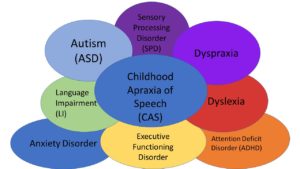
    3. Apraxia as a Symptom to a Bigger Picture

    4. Strategies to Promote Speech and Language in the Pre-Verbal or Minimally Verbal Child with Apraxia

    5. This School Year, Teach your Children to be Kind

    6. Finding our Umbrella

    7. Good SLP’s are Addressing the Head in the Hands

    8. The 6th Apraxia Awareness Day Brought Smiles, Tears, and a Jaw Dropping Moment

    9. Report Cards are Bitter Sweet in Special Needs Parenting

    10. Old Faces, New Faces, and the Passing of the Torch

    Cheers to an eventful 2018.  It was a year full of pain and happiness, love and sorrow, and hope and despair.  May we all remember that life can be intensely beautiful and irreparably sad all at once, because that my friends, is the definition of living.

    This 2019, I wish you all the gift of perspective in life.  We all have bad things happen.  We all have stress and we all have pain.  We also all have a choice, and that choice is to wake up each morning with a grateful heart and to focus on our happy and joyful moments rather than be sucked into the pain of despair and heartache.  There was a time Ashlynn’s dx seemed like the darkest event in my life, but I realized it was the beginning of my testimony to some of the most beautiful characteristics this human life affords us.  May God bless us all this year and always.
    Love and Peace,

    Laura

  • Billy Gets Talking: Book Review and Giveaway!

    Billy Gets Talking: Book Review and Giveaway!

    Mehreen Kakwan first emailed me a couple of months ago to simply ask if I could be listed as a resource for her new book on apraxia, “Billy Gets Talking.”  I asked to read the book and she sent me a PDF version, in which I was instantly hooked.

    I don’t just say that lightly either….

    I get a lot of pitches in my email to review or promote a product, but honestly I have to feel it in my soul to promote it because I know what it is like to be a parent and to grasp or buy anything you think will help.

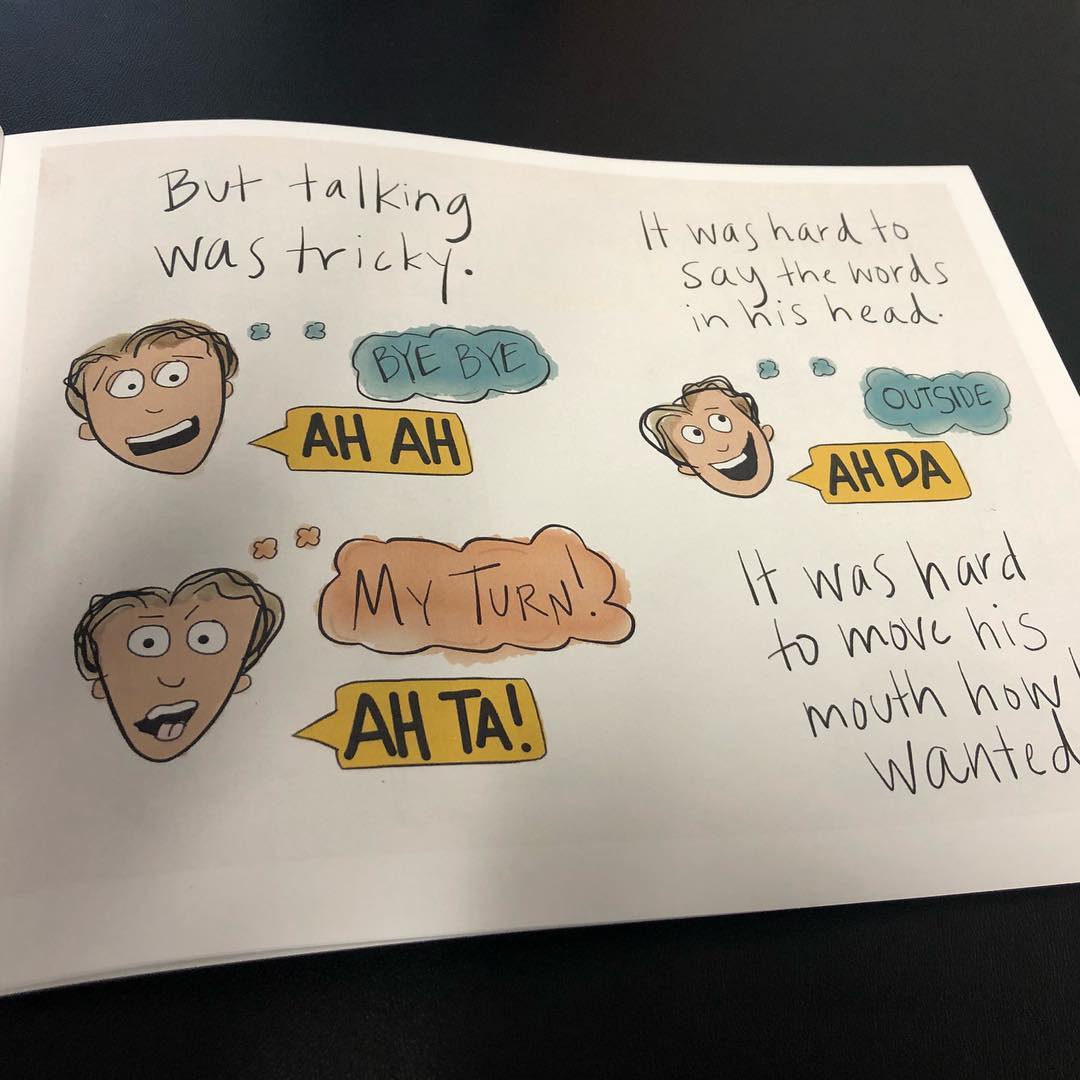
    Last apraxia awareness day, I was searching for a book I could read Ashlynn’s classmates that was simple, yet accurate enough to understand her life as a kid going through speech therapy.  This book would have been perfect.

    However, I knew this book was gold when I trialed it on a client of mine.  She has and continues to endure a lengthy battle with her ability to speak.  I read her this book and she was enthralled. She hung on every word.  When I was done, I asked her if she could relate and she enthusiastically nodded her head in agreement.

    As a mom to a child with resolving apraxia, and as a speech/language pathologist specializing in apraxia, I highly recommend this book!  You can enter to win a free giveaway below!

    a Rafflecopter giveaway