Tag: Apraxia

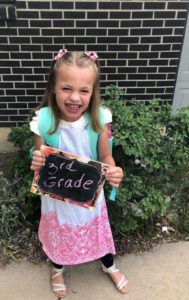
  • A source of hope: Natalie’s walk with apraxia

    A source of hope: Natalie’s walk with apraxia

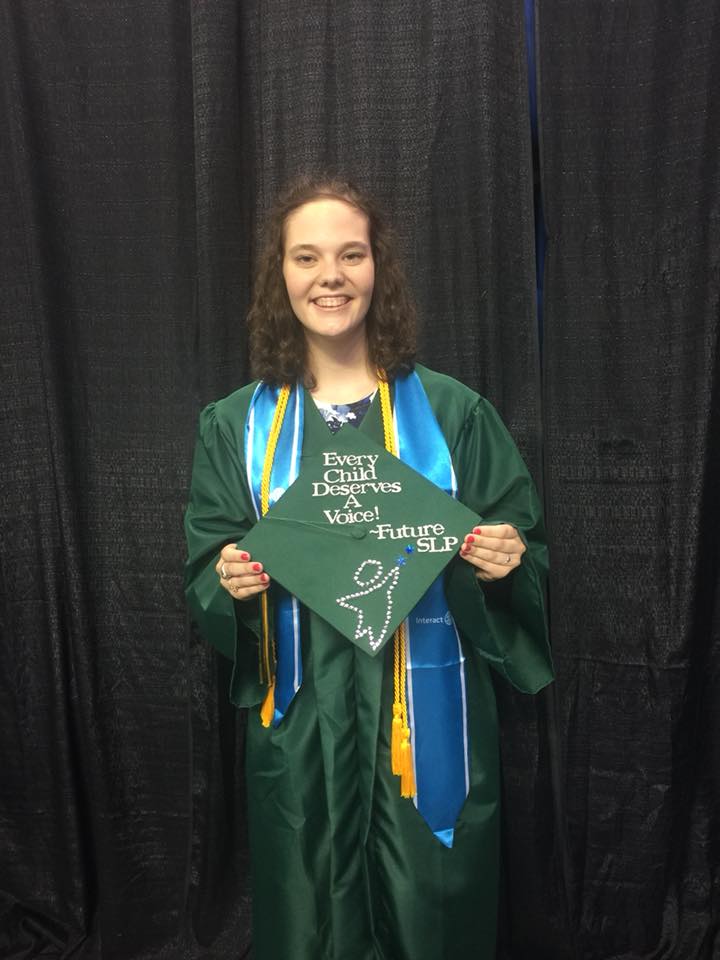
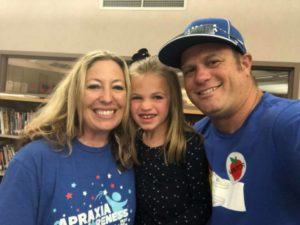
    Hi Natalie!  I had so much fun meeting you in person at the Apraxia National Conference this past July!  I had already heard so much about you within the apraxia walk community, as you overcame apraxia and are now a walk coordinator for your area! All by the age of 16! That’s amazing! Let’s start with you telling us a little bit about yourself.  

    What do you remember about speech therapy and how long were you in it?

    I just remember playing games and making crafts. I was in speech when I was 2 through second grade.

    When did you know you had apraxia?

    I was diagnosed with apraxia when I was two and a half.

    How has apraxia affected your life, or has it?  Do you have any residual issues?

    Yes, apraxia has affected my life on multiple levels. I have been diagnosed with anxiety because of the slow processing. I don’t feel like I have enough time to finish tests. I also still have problems with my sensory. Also when I get tired my speech starts to slip.

    What was your school experience like?

    My parents and I have had to fight for everything I have in place. I have a 504, which allows me more time on test, but the 504 is for my anxiety and not for apraxia because no one understands what apraxia is at my school. I have to tell my teachers what I have and explain what it means.

    Most parents are so worried about the future when their child gets an apraxia diagnosis.  What would you tell them?

    Apraxia is a long journey. It takes time. Don’t rush your kid’s speech, it will come. Everything happens for a reason and apraxia has influenced their life for some reason or another.

    What do you wish more people knew about apraxia?

    Apraxia doesn’t just affect your speech, it affects your processing speed and much more.

    What inspired you to become a walk coordinator at such a young age?

    I want to help families with kids with apraxia. My family has gone through the same things as others have. My parents didn’t know if I would ever be able to talk and live on my own. I want to give families hope, the same hope my parents got from Kate Hennessey.

    Thank you so much Natalie, for all of your advocacy work and continued mission to spread awareness and help other kids with apraxia!  You are absolutely a face of hope and inspiration!

    To see a news story on Natalie click here: Teen finds her voice and uses it to help others. 

  • Top Ten SLP Mommy of Apraxia Posts for 2018

    Top Ten SLP Mommy of Apraxia Posts for 2018

    Hi readers!  I haven’t been as active on the blog as usual because my goal for 2018 was to write a book and I’m happy to say I completed that goal!  My goal of 2019 is for it to be published, so we will see!  In the meantime, I did manage to get some blogging done and here are my top 10 posts for 2018!  Thank you so much for your support and your love throughout the years.  It truly means so much.

    1. The Problem With School SLP’s

    A

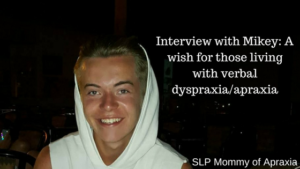
    2. Interview with Mikey: The Wish That Turned Into a Passion

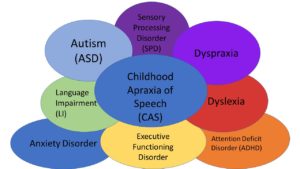
    3. Apraxia as a Symptom to a Bigger Picture

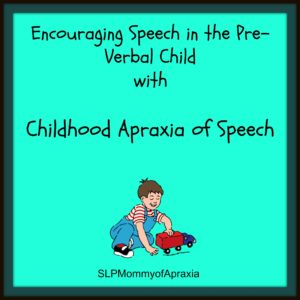
    4. Strategies to Promote Speech and Language in the Pre-Verbal or Minimally Verbal Child with Apraxia

    5. This School Year, Teach your Children to be Kind

    6. Finding our Umbrella

    7. Good SLP’s are Addressing the Head in the Hands

    8. The 6th Apraxia Awareness Day Brought Smiles, Tears, and a Jaw Dropping Moment

    9. Report Cards are Bitter Sweet in Special Needs Parenting

    10. Old Faces, New Faces, and the Passing of the Torch

    Cheers to an eventful 2018.  It was a year full of pain and happiness, love and sorrow, and hope and despair.  May we all remember that life can be intensely beautiful and irreparably sad all at once, because that my friends, is the definition of living.

    This 2019, I wish you all the gift of perspective in life.  We all have bad things happen.  We all have stress and we all have pain.  We also all have a choice, and that choice is to wake up each morning with a grateful heart and to focus on our happy and joyful moments rather than be sucked into the pain of despair and heartache.  There was a time Ashlynn’s dx seemed like the darkest event in my life, but I realized it was the beginning of my testimony to some of the most beautiful characteristics this human life affords us.  May God bless us all this year and always.
    Love and Peace,

    Laura

  • Favorite Winter Children’s books for Speech Therapy

    Favorite Winter Children’s books for Speech Therapy

    Favorite Winter Children’s books for Speech Therapy

    1. The Jacket I Wear in the Snow by Shirley Neitzel
      A great repetitive, rebus style book!  So many target words in this book include: cap, scarf, mittens, sweater etc.  Good for winter clothing vocabulary and sequencing too!

       2. There was a Cold Lady Who Swallowed Some Snow by Lucille Colandro
           Lucille Colandro always makes my list for favorite books because her Old Lady series contains all the elements I work on with apraxia therapy including repetition, prosody, and sequencing!

    Activity: Find my book companion in my TpT store here: Cold Lady Book Companion

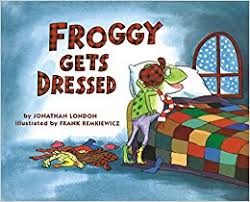
    3. Froggy Gets Dressed by Jonathan London
    Another great winter clothing repetitive book that the kids LOVE.  I work on target words “out” and “in” a lot in this book since Froggy is always going outside and inside; however, I can also hit “put on” when he’s putting on his clothes or work on prosody when Froggy and his mom are yelling back and forth to each other.

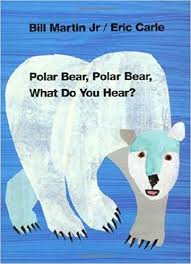
    4. Polar Bear, Polar Bear by Eric Carle
    It’s a classic for a reason!  Repetitive and engaging, kids love to participate in the book read.

    5. Bear Snores On by Karma Wilson
    Love the Bear book series!  Bear is hibernating and sleeps through a winter party while his friends all gather in his lair to escape the cold. Target words for this book include: “on” in the early stages or “snores on” when working on /s/ blends.

    Activity: Free character cutouts from Making Lemonade in Second Grade available on TpT here:

    6. Bear Feels Sick by Karma Wilson
    I was going to stick to a top five list, but I couldn’t resist adding another Bear book.  Kids relate to poor bear feeling sick and the familiar and lovable characters are always heartwarming!  Target word in this book is “sick” so you have to make sure you have a kiddo who can produce both /s/ and /k/; but if they can, this is a great target word.

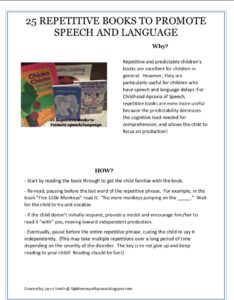
    Below you will find a free graphic I have on my TpT store explaining how to use repetitive books with your child to promote language and practice speech. My targets and books are always strategically selected based on the child’s sound repertoire. Click the picture to get the free download.

  • Billy Gets Talking: Book Review and Giveaway!

    Billy Gets Talking: Book Review and Giveaway!

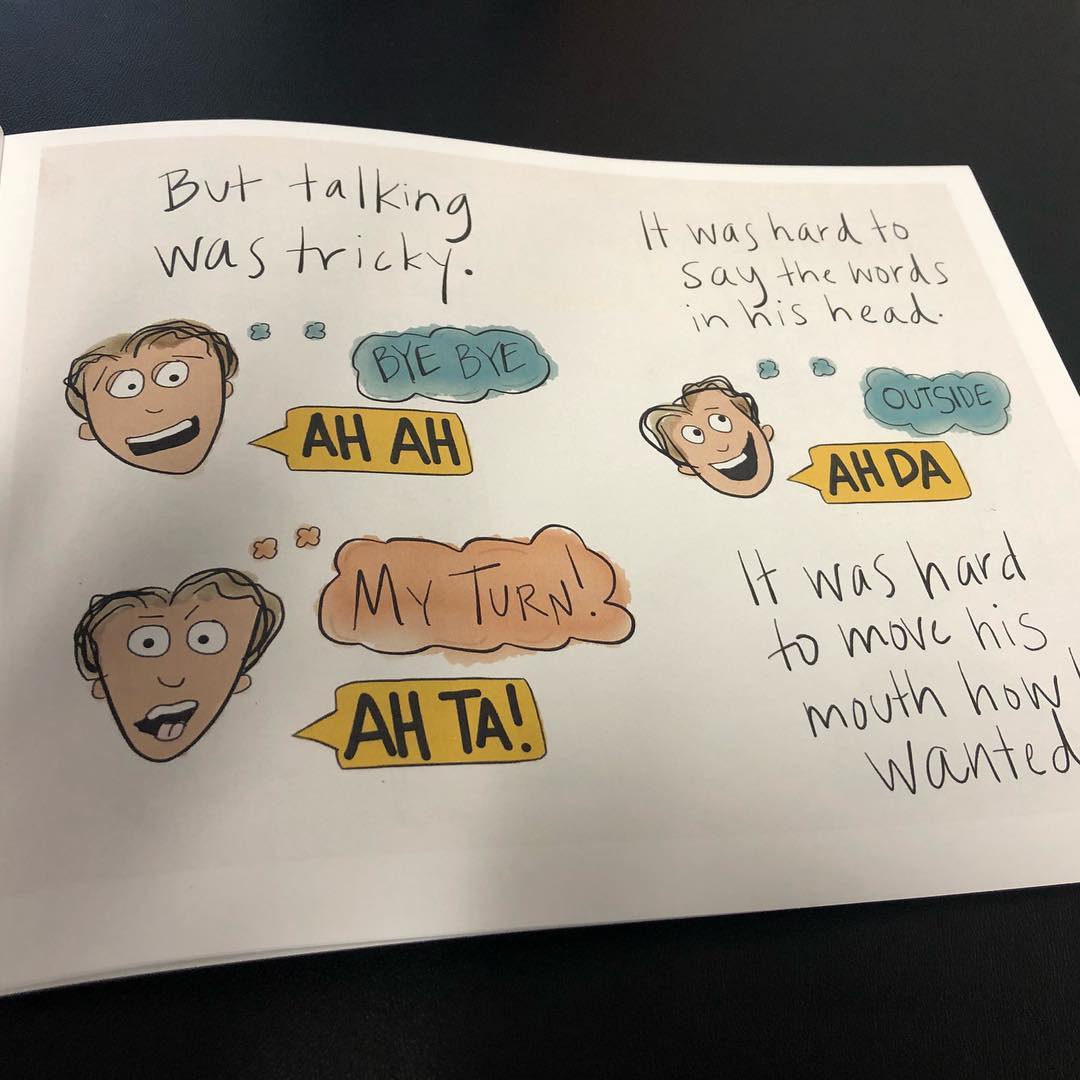
    Mehreen Kakwan first emailed me a couple of months ago to simply ask if I could be listed as a resource for her new book on apraxia, “Billy Gets Talking.”  I asked to read the book and she sent me a PDF version, in which I was instantly hooked.

    I don’t just say that lightly either….

    I get a lot of pitches in my email to review or promote a product, but honestly I have to feel it in my soul to promote it because I know what it is like to be a parent and to grasp or buy anything you think will help.

    Last apraxia awareness day, I was searching for a book I could read Ashlynn’s classmates that was simple, yet accurate enough to understand her life as a kid going through speech therapy.  This book would have been perfect.

    However, I knew this book was gold when I trialed it on a client of mine.  She has and continues to endure a lengthy battle with her ability to speak.  I read her this book and she was enthralled. She hung on every word.  When I was done, I asked her if she could relate and she enthusiastically nodded her head in agreement.

    As a mom to a child with resolving apraxia, and as a speech/language pathologist specializing in apraxia, I highly recommend this book!  You can enter to win a free giveaway below!

    a Rafflecopter giveaway

  • Favorite Holiday books for Speech Therapy

    Favorite Holiday books for Speech Therapy

    6 Favorite Children’s Holiday books for Speech Therapy

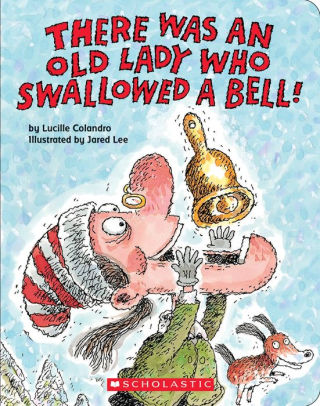
       1. There Was an Old Lady Who Swallowed a Bell by Lucille Colandro
    As with all the Lucille Colandro Old Lady Books, this is a repetitive children’s holiday book.  Nice target words that are repeated include “bow” and “hat” that can be used for repetitive practice.  The pictures in this book too are colorful and fun.

    Activities:
    Book Companion Pack on my SLP Mommy of Apraxia TpT store.  Find it here.

       2. Click, Clack, Ho! Ho! Ho! by Doreen Cronin
    Kids laugh at this funny, repetitive book in which duck gets stuck in a chimney
    and the barn animals take turns trying to get duck out.  The words for good
    repetition in this book include “uh oh” “oh no” and “ho ho ho,” which are nice
    CV and VC targets in the early stages of therapy.

    Activities: Free sequencing and comprehension book companion from Thumb Bunny Speech.
    Find it on her TpT here. 

    3. Bear Stays Up for Christmas by Karma Wilson
    Bear’s friends help Bear stay up for Christmas in a sweet and heart warming book. Repetitive Targets I use in this book include “up,” for the early stages of apraxia, expanding to “stays up” for kids who may be working on /s/ blends.

    Activities: I found a free read aloud companion on TpT from Making Lemonade in 
    Second Grade.  Get it here.

    4. The Gingerbread Man by Jim Aylesworth
    The classic tale of the Gingerbread Man is told in this fun story about a mischievous
    cookie.  Love a lot of repetitive targets in this book such as “me” or the entire phrase
    “you can’t catch me” (which can also target prosody), “man” in Gingerbread Man and the word
    “back” expanding to the phrase “come back” if possible.

    Activities:  Book companion pack on my SLP Mommy of Apraxia TpT store. Find it here. 

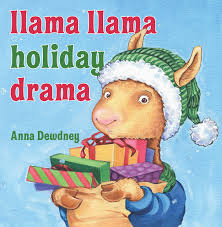
    5. Llama llama Holiday Drama by Anna Dewdney
    Llama llama is impatient for Christmas in this relatable book about a child’s anticipation
    for Christmas. I love the rhymes in this book and the repetition of “mama” and “llama”
    that can be targeted for repetitive practice, depending on the child’s repertoire.

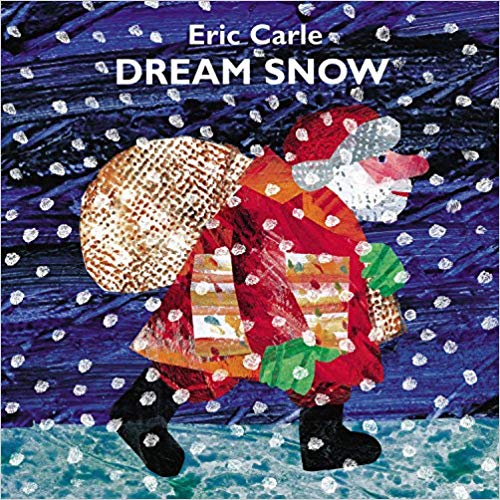
    6. Dream Snow by Eric Carle
    Interactive with colorful and vibrant pictures, this book is a children’s favorite.
    Targets for this book include counting to five and repeating the words “on” or “snow” as
    each animal is covered with a blanket of snow.

    Activities: Freebie on TpT by Mrs Plemons Kindergarten.  Find it here. 

    Below you will find a free graphic I have on my TpT store explaining how to use repetitive books with your child to promote language and practice speech. My targets and books are always strategically selected based on the child’s sound repertoire. Click the picture to get the free download.


  • Apraxia, dyspraxia, dysarthria and the link that tied them all together.

    Apraxia, dyspraxia, dysarthria and the link that tied them all together.

    Those familiar with my story know that I missed apraxia in Ashlynn because I was convinced she had CP (cerebral palsy).  She had a significant birth history and had to be pulled out via C-section and all of her motor milestones were late.

    Tummy time was a nightmare.  I was always so stressed about it because she literally seemed like she was suffocating and couldn’t pull herself up for air.  She would cry.  As much as I tried to prevent it she developed a flat head.  I remember asking the pediatrician if she needed a helmet but was told no. From 3-6 months she had developed a case of extremely pointy toes.  My friend affectionately referred to them as ballerina toes, but they were anything but cute.  I couldn’t get them flexed at all.  I kept thinking they just looked “spastic” to me; which is a term to describe very tight muscles in individuals with CP.
    When I brought it up to the pediatrician she said we could go to neurology or maybe I could just massage her calves every night in the bathtub and at her next baby well visit we would evaluate.  I decided to do that and if it didn’t work I would go to neurology.  I worked as a speech/language pathologist before she was born in severe needs classrooms and worked alongside physical therapists.  I did to Ashlynn everything I would see them do to our students.  By her next well baby visit, her feet could flex and she no longer had a standing ballerina toe pose.  There didn’t seem a need for neurology at that point.

    After that the rest is really history.  I received her diagnosis of apraxia right before her 3rd birthday, and then subsequently got her dx of dyspraxia, SPD, and ADHD through various OT places we went for therapy.  From that time on, I’ve accepted this was her diagnoses.

    Last year I decided I wanted to make sure I had checked all the boxes and got a referral to neurology.  It was not a good appointment.  You can read about here. They completely dismissed any chance of CP, but they did write orders for an MRI and genetics and those were two boxes I wanted to check off.  That all turned up empty.  They dismissed any neurological soft signs I had seen such as her pointy toes, flat head, and choking as a baby.  They actually dismissed dyspraxia and apraxia as well but that’s another story.  I let it go again because these are experts after all.

    That was until, a new development happened.  Ashlynn’s toes are curling forward to the point you can’t see her toenails because it looks like she is standing on them.  I took her back to the pediatrician who literally did not know who to refer me to.  She sighed a deep sigh and took a good 20-30 seconds to speak.  In the end, we decided on the orthopedic department at children’s, guessing it has something to do with her dyspraxia causing balance and coordination issues.

    As fate would have it, I’m telling Ashlynn’s symptoms to the mom of a client who has severe CP and dysarthria.  After I told her about our dr appointment and referral, she relayed to me that curling toes is common in CP, or any joint abnormalities for that matter, especially around the time of a growth spurt.

    My heart sunk.

    There is this feeling every mom can relate to.  It is this gut feeling that tells you when something is right and when something is wrong in your child.   At that moment, I immediately felt it. I knew that what I had thought all along was right.  Ashlynn has CP, and this woman standing before me knew of the person I should go see.

    She recommended I go to the rehab clinic at Children’s Hospital Denver who has a team of doctors who deal with this stuff.  I called this place in lieu of the orthopedic department.  The intake person went from being skeptical and asking me why I didn’t have a doctor referral to enthusiatically affirming she could get us in right away after I explained all of Ashlynn’s symptoms.  She then told me that me once Ashlynn was diagnosed, they can recommend the best plan of treatment.  When I got off the phone my mind was reeling.  What had I told that person that made their attitude change from skeptic to a certain dx?  I wasn’t sure, but at least I knew I was now on the right track to getting an accurate and complete dx for my daughter.

    I’m a firm believer that coincidences are put in our path for a reason.  It wasn’t a “coincidence” this client found me.  She had in fact been referred to me by Dr. Ruth Stoeckel, who had been my mentor at the Apraxia-Kids bootcamp. I was about to experience another coincidence that would light the path to the answers I was seeking.

    That same week I found out Ashlynn’s OT was leaving and a new OT would be shadowing her for the next two sessions.  When I went in, I told them both about Ashlynn’s new doctor appointment and that it was because I had always suspected CP.  The minute I said CP they both turned to each other, smiled, and then nodded in recognition.
    I’m sure when they looked back at me I looked angry.  Why on Earth would they suspect something like CP and not tell me?  I quickly had my answer.  The new OT had observed Ashlynn the week prior and after reading her chart suspected a mixed presentation of low and high tone.  She suspected it, because she herself had CP as well.

    My mouth probably dropped open.

    That was a lot to process.  For someone like me who believes coincidences are God’s way of telling us we are on the right path, this path was lit up like a Christmas tree and blinking.  I knew my initial hunches way back when Ashlynn was a baby were about to be finally confirmed, almost 9 years later.  I didn’t know what to feel.