Tag: Apraxia and pre-literacy skills

  • Speech with simple magnet clips


    If your child has a speech delay, your SLP will most likely tell you that you need to create opportunities so your child HAS to communicate to you what he/she wants.

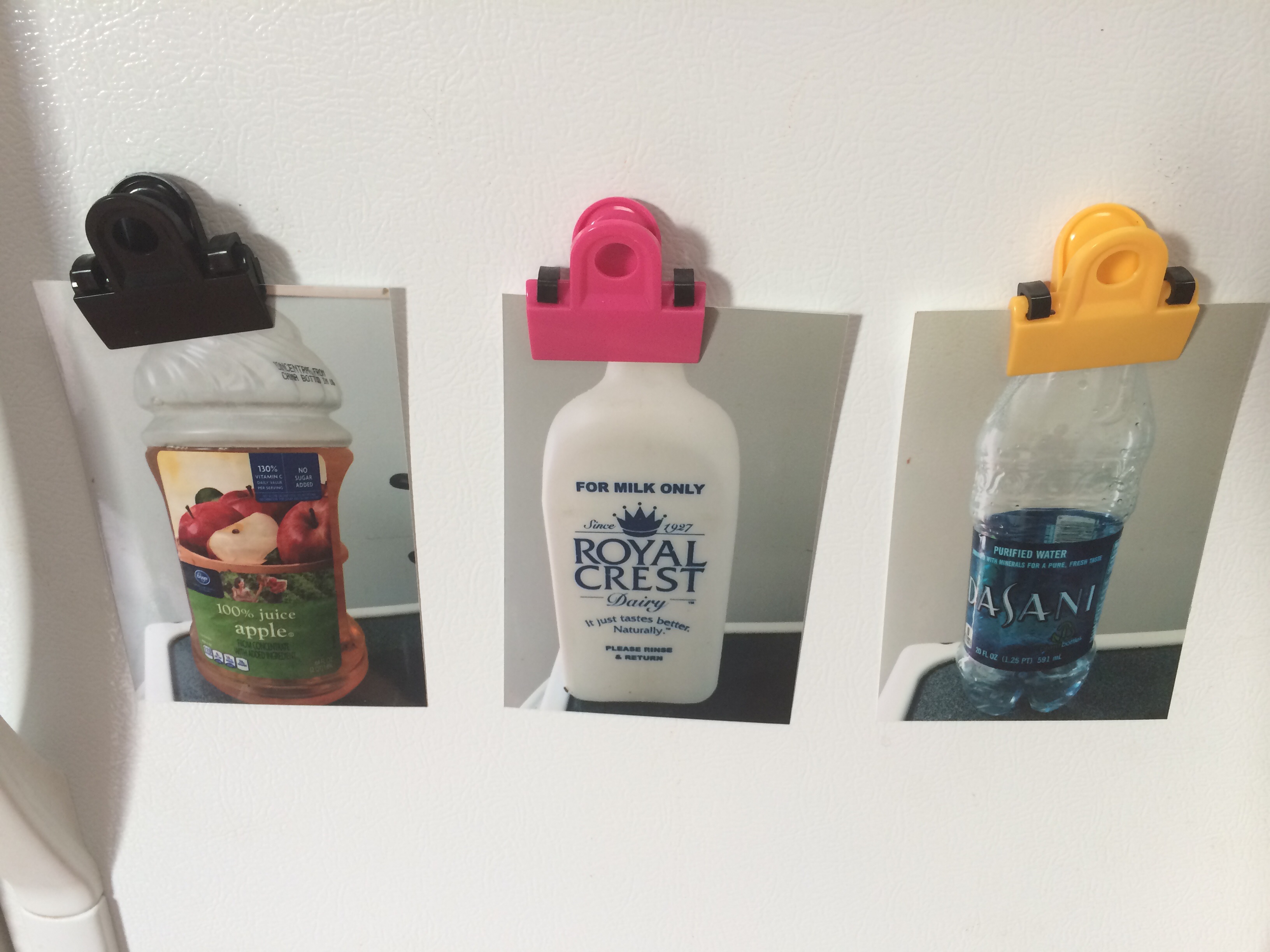
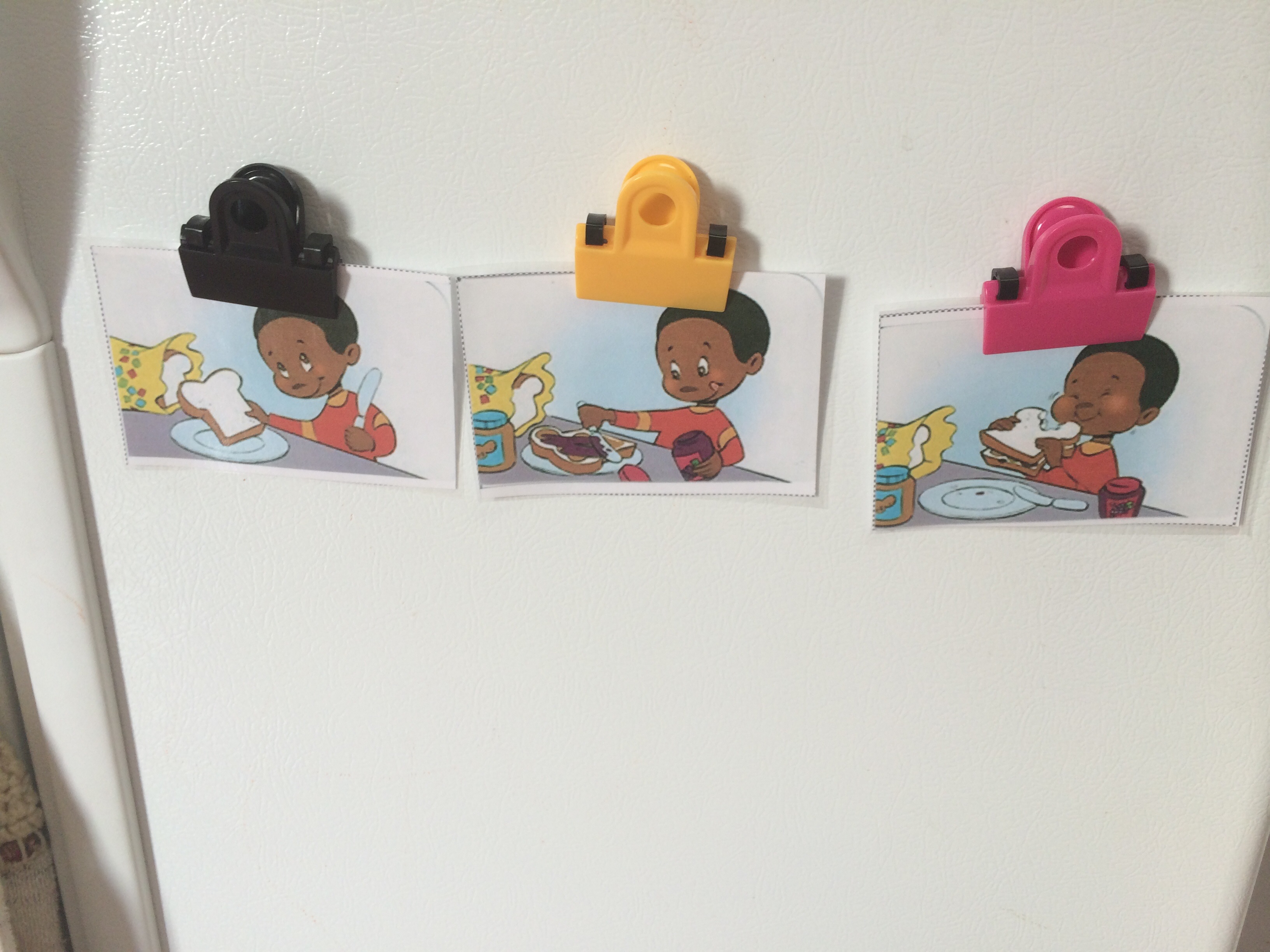
    I found these cheap magnet clips for the fridge at the dollar store!  You can take pictures of items in your fridge, and then clip them to the outside.  Depending on your child’s level, you can have them hand you the picture (don’t just let them point!), or try to vocalize what they want.  These are pictures  I had made for my daughter when she was nonverbal.
    image


    Now that my daughter is 5, we are still dealing with residual language issues.  This includes sequencing basic picture cards.  She loves the magnets to easily rearrange the pictures on the fridge!


    imageimage

    The possibilities won’t end here!  I plan to use these again for when she starts decoding words and spelling with letters!


  • Speech & Language with puzzles

    Speech & Language with puzzles

    Sorting is an important foundational skill that sets up the building blocks for logical thinking and organizing.  These skills are necessary for later educational development in math (i.e. order of operations, geometry), reading (identifying main idea and relevant details), and writing (developing a topic sentence and organzing relevant details).

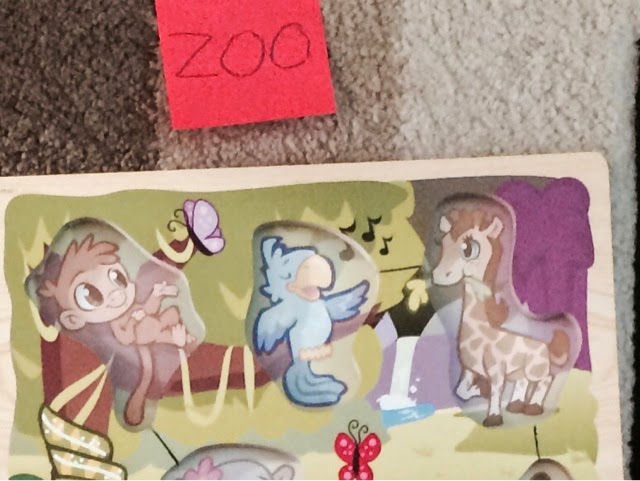
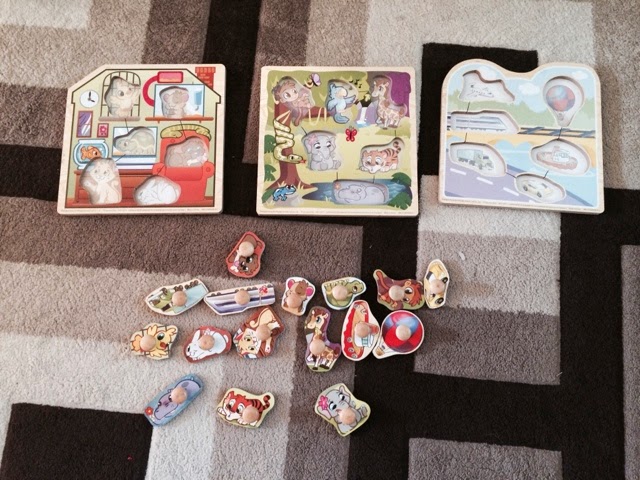
    Most parents have simple puzzles like this at home.  When my daughter was two, I held the pieces and gave her two choices.  She would have to make a sound or word approximation (because of the severe apraxia) to request and then I would give her a piece and she would find the appropriate place.

    Now that she is 4, I laid out the pieces as you see below, and she sorted them using a sentence: “A cat is a pet.”  “A tiger is a zoo animal.”

    To promote pre-literacy skills (exposure to print, print awareness), I wrote the name of the category on a sticky note and put it above the puzzle.

    That’s it!  Happy playing!
    Skills addressed:
    Sorting
    Classifying
    Expressive language
    Early-literacy skills
  • Early literacy skills: Print awareness activity

    Early literacy skills: Print awareness activity

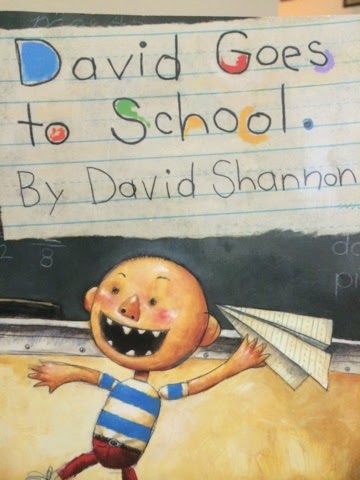
    The other night I was reading this book to Ashlynn.

    If you’re not familiar with the “David” books, they center around the main character David who is mischievous and frequently getting into trouble.  
    These books are great for early print awareness!  As you can see, the print is larger and is written as though a child wrote it.  Ashlynn kept pointing out all the capital letters she recognized from her name.  Her favorite was /S/ and she would declare, “Look!  That’s in my name!”  This is great for transfer of early letter recognition skills. 
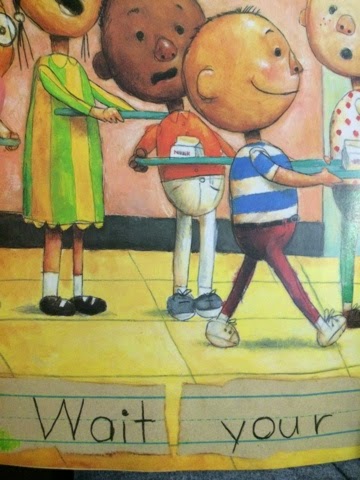
    The sentences are typically short, and contain no more than maybe 5 words per sentence.  On some pages, the words are separated onto separate bits of paper (see below).  

    The reason this is great is because you can get your child pointing to each word.  This doesn’t mean they need to be reading the word.  They just begin to get an understanding that those combination of symbols denote an orthographic representation of a word.  Ashlynn can’t read, but she is starting to get the hang of pointing to each word while she reads (from memorizing the book).
    As a bonus, the stories are relatable and entertaining to your child, allowing you work on oral language as well.