Category: Uncategorized

  • A language disorder and my snub to the 30 million word gap

    A language disorder and my snub to the 30 million word gap

    There is a famous study done by Hart & Risley that is infamously named the “30 million word gap.”  SLP’s and educators are all taught about this study because the conclusions were that children in poverty who lacked experiences, access to books, and parents who talked to them using a rich vocabulary were at a significant disadvantage in terms of vocabulary than their peers.

    Never mind the study was culturally and racially biased, it completely undermines the fact that children with a true language disorder, regardless of race, religion, socioeconomic status, access to books, or whatever, will STILL struggle with language and vocabulary acquisition because they have an actual disability.

    It is commonly understood that children’s language is largely influenced by their background experiences. Being a mom to a child that has a language disorder is extremely isolating. I should be more specific.  Being a mother who has her masters degree in speech/language pathology and having a child with a true language disorder has been extremely eye opening and heart breaking.  The amount of judgement I feel from teachers and professionals is so tangible it can bring me to tears.

    In education, and particularly with reading there is this term called “background knowledge.”  Background knowledge refers to the knowledge a child has picked up either explicitly but usually implicitly through real life experiences.  For example, a child living in the arctic reading a book about Caribbean reptiles might have a more difficult time with comprehension on the topic not because they have a comprehension issue, but because they have never been exposed to warm climate reptiles.  Children with less exposure to experiences may lack background knowledge which may contribute to reading comprehension issues.  For example, I have never worked on cars, so if I’m reading a book about mechanics and fixing an engine, I am more likely to struggle with understanding the topic. However, if my dad was a mechanic and I was around cars all day listening to and observing car mechanic terms, a passage on cars will be significantly easier for me to understand because of my inherent “background knowledge” on the topic.

    I tell you all this to explain a “true” language disorder.  My daughter Ashlynn has a true and legit language disorder.  She has been exposed to books, been taught vocabulary both explicitly and implicitly by me, a speech/language pathologist, and she has had more experiences than many, many, MANY kids her age.

    Despite this, she recently took a receptive vocabulary test given by her private SLP and scored well below the average range.  When I expressed my disappointment, her SLP said the concepts are becoming more abstract.  Abstract refers to concepts that aren’t tangible.  In other words, it refers to concepts like “freedom” or “poverty.”  You can’t touch these things like you can a “lamp” “bed” or even a “microscope.”  I reluctantly agreed.  Yes, she’s older.  I can see how the words are becoming more abstract now.

    That is, until I looked at the testing protocol.  Words she missed?  I couldn’t stop shaking my head.

    River

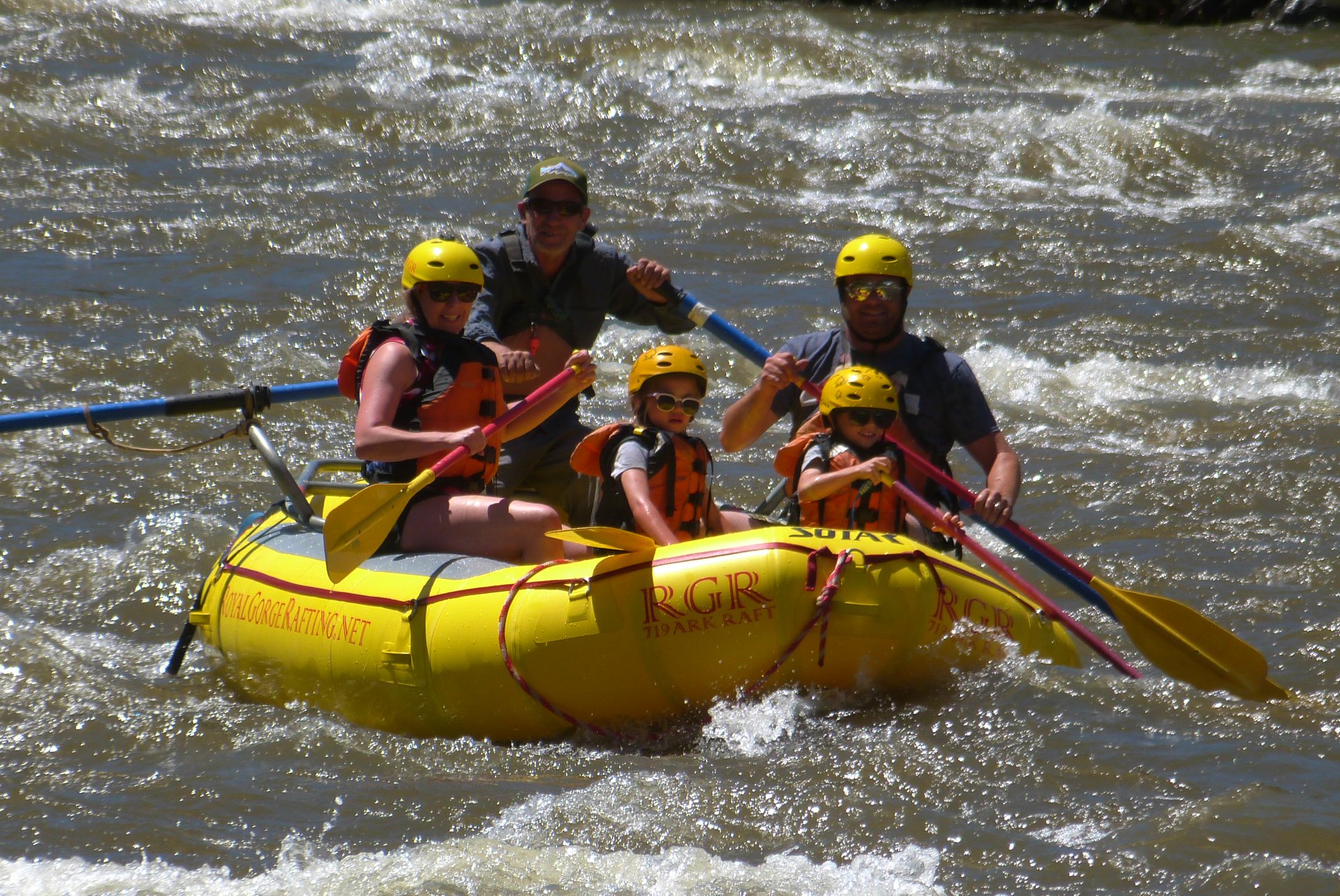
    Ok, that might be a hard word.  She’s a city girl after all and how many times is she by a river?  Unless you count that time two months ago where she went camping by a river bed and went white water rafting in a river.   River?? She missed River?  How was that possible??  We laughed just two months ago about how her puppy Pretzel ran head first into the river.  We walked to the river at LEAST a half dozen times on our camping trip and she missed…. river???
    Okay, maybe that was a fluke,  What’s next.  What else did miss?

    Vase

    Vase? As in the vase her dad just pulled out a week ago to put the flowers he bought me in?  The same vase she was looking at while remarking how beautiful my flowers were in it?  The same vase she helped fill with water so the flowers wouldn’t die? That?? That vase?  She missed VASE???

    Naw, it has to be fluke,  What’s next?

    Heart

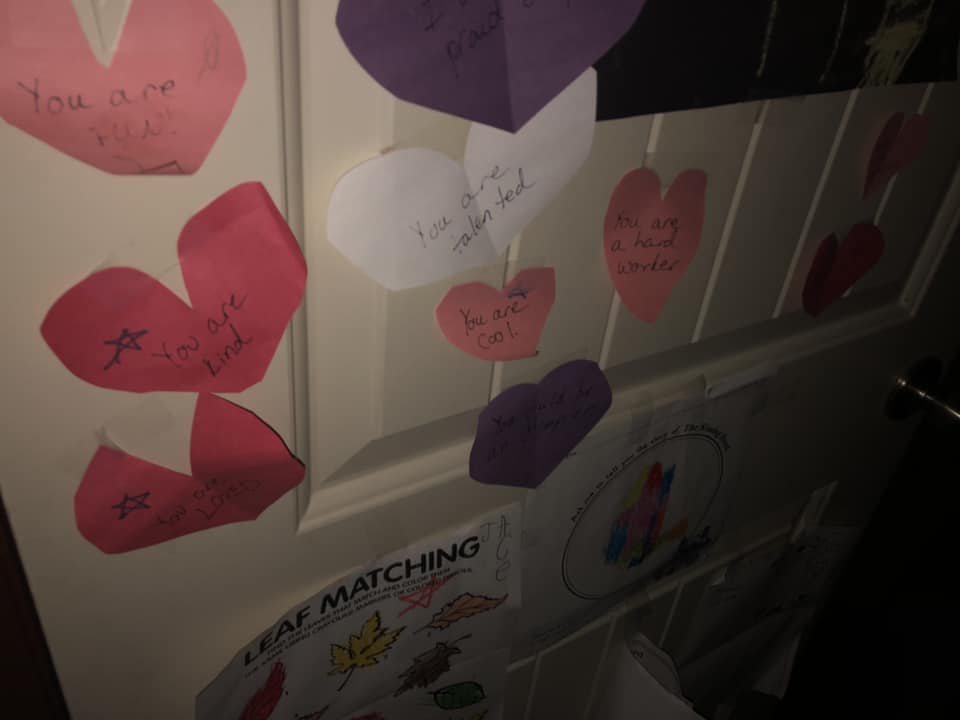
    She missed heart???  Heart?? Like the hearts that were placed on her door each day last Valentine’s day with a positive characteristic about who she is and what she does?  Heart, as in the candy hearts she loves to eat and read out of her Valentine bags? Heart, as in the shape that her younger brother Jace learned to draw before her and she lamented over saying she didn’t know how to draw a heart yet?  That same heart right??
    Let’s move on.

    Aquarium

    Aquarium??  As in the Denver Aquarium she’s been to twice and pet the sting rays and taken pictures with the mermaids?  That aquarium?  Or, the multiple aquariums in Vegas where she watched the fish and awed at their majesty?

    Okay next?

    Flaming

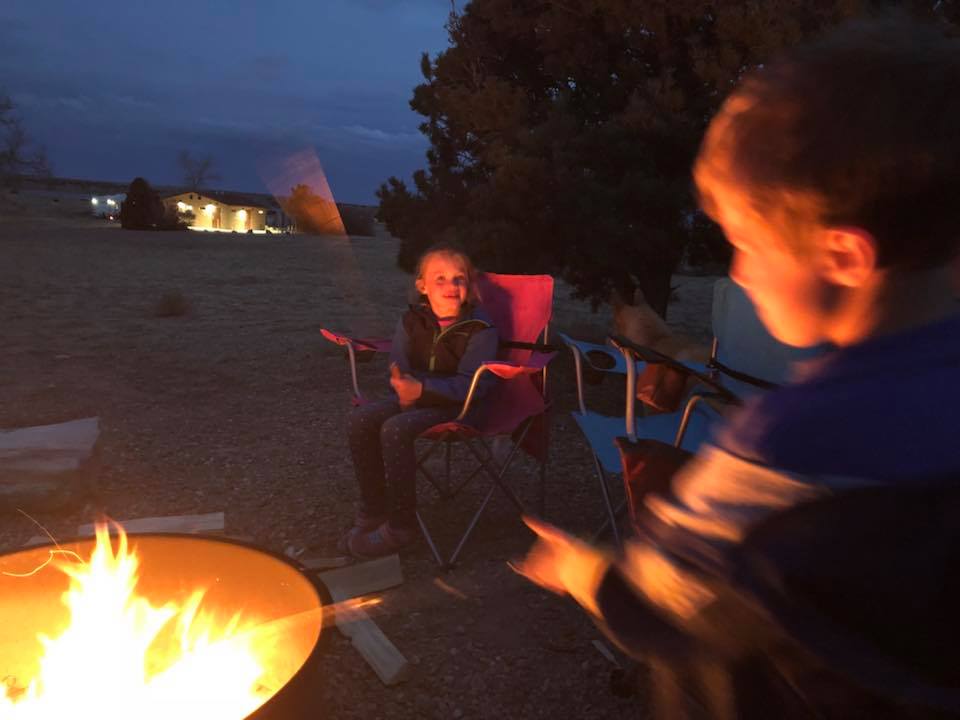
    Flaming?  Flaming as in the flames from the fire she has watched at least over 30 times on all the various camping trips she has been on in her nine years? Or maybe the flames the entertainer was spitting from the fire and ice show we attended a year ago?

    Canoe

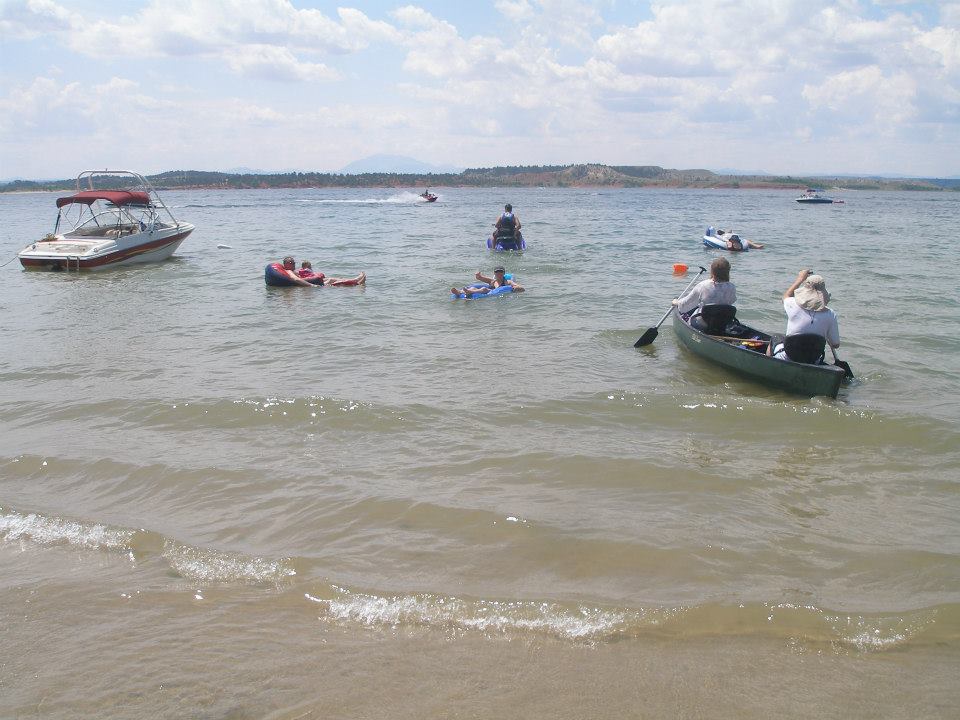
    Canoe?  As in the canoeing activity she has done now twice at a special needs camp called Adam’s Camp and reported it was one of her favorite activities?  Or the canoe her aunt has that she rode in and watched her Aunt and Uncle ride in on an annual camping trip we take every year?

    She missed…….canoe?
    THAT my friends, is a language disorder. She has not only been exposed to and experienced many of the concept vocabulary she missed, but she has also been taught explicitly this vocabulary by me, a Speech/Language Pathologist.  She has been read a book (at least) every single day of her life.

    Enough with the 30 million word gap.  It doesn’t mean crap when your kid has an actual language disorder.

    Enough with the judgement.

    Enough with the blame.

    Enough with the shame.

    My kid has an actual language disorder.  If my English speaking kid with an SLP as a mom has a language disorder, so can children from other monolingual or bilingual families. Stop the blaming.  Stop the assumptions.

    Let’s get more awareness and compassion and let’s recognize a developmental language disability, aka specific language disability aka mixed expressive/receptive language disability aka specific language impairment as an actual childhood developmental disability and not an environmental disability.
     

  • Apraxia, dyspraxia, dysarthria and the link that tied them all together.

    Apraxia, dyspraxia, dysarthria and the link that tied them all together.

    Those familiar with my story know that I missed apraxia in Ashlynn because I was convinced she had CP (cerebral palsy).  She had a significant birth history and had to be pulled out via C-section and all of her motor milestones were late.

    Tummy time was a nightmare.  I was always so stressed about it because she literally seemed like she was suffocating and couldn’t pull herself up for air.  She would cry.  As much as I tried to prevent it she developed a flat head.  I remember asking the pediatrician if she needed a helmet but was told no. From 3-6 months she had developed a case of extremely pointy toes.  My friend affectionately referred to them as ballerina toes, but they were anything but cute.  I couldn’t get them flexed at all.  I kept thinking they just looked “spastic” to me; which is a term to describe very tight muscles in individuals with CP.

    When I brought it up to the pediatrician she said we could go to neurology or maybe I could just massage her calves every night in the bathtub and at her next baby well visit we would evaluate.  I decided to do that and if it didn’t work I would go to neurology.  I worked as a speech/language pathologist before she was born in severe needs classrooms and worked alongside physical therapists.  I did to Ashlynn everything I would see them do to our students.  By her next well baby visit, her feet could flex and she no longer had a standing ballerina toe pose.  There didn’t seem a need for neurology at that point.

    After that the rest is really history.  I received her diagnosis of apraxia right before her 3rd birthday, and then subsequently got her dx of dyspraxia, SPD, and ADHD through various OT places we went for therapy.  From that time on, I’ve accepted this was her diagnoses.

    Last year I decided I wanted to make sure I had checked all the boxes and got a referral to neurology.  It was not a good appointment.  You can read about here. They completely dismissed any chance of CP, but they did write orders for an MRI and genetics and those were two boxes I wanted to check off.  That all turned up empty.  They dismissed any neurological soft signs I had seen such as her pointy toes, flat head, and choking as a baby.  They actually dismissed dyspraxia and apraxia as well but that’s another story.  I let it go again because these are experts after all.

    That was until, a new development happened.  Ashlynn’s toes are curling forward to the point you can’t see her toenails because it looks like she is standing on them.  I took her back to the pediatrician who literally did not know who to refer me to.  She sighed a deep sigh and took a good 20-30 seconds to speak.  In the end, we decided on the orthopedic department at children’s, guessing it has something to do with her dyspraxia causing balance and coordination issues.

    As fate would have it, I’m telling Ashlynn’s symptoms to the mom of a client who has severe CP and dysarthria.  After I told her about our dr appointment and referral, she relayed to me that curling toes is common in CP, or any joint abnormalities for that matter, especially around the time of a growth spurt.

    My heart sunk.

    There is this feeling every mom can relate to.  It is this gut feeling that tells you when something is right and when something is wrong in your child.   At that moment, I immediately felt it. I knew that what I had thought all along was right.  Ashlynn has CP, and this woman standing before me knew of the person I should go see.

    She recommended I go to the rehab clinic at Children’s Hospital Denver who has a team of doctors who deal with this stuff.  I called this place in lieu of the orthopedic department.  The intake person went from being skeptical and asking me why I didn’t have a doctor referral to enthusiatically affirming she could get us in right away after I explained all of Ashlynn’s symptoms.  She then told me that me once Ashlynn was diagnosed, they can recommend the best plan of treatment.  When I got off the phone my mind was reeling.  What had I told that person that made their attitude change from skeptic to a certain dx?  I wasn’t sure, but at least I knew I was now on the right track to getting an accurate and complete dx for my daughter.

    I’m a firm believer that coincidences are put in our path for a reason.  It wasn’t a “coincidence” this client found me.  She had in fact been referred to me by Dr. Ruth Stoeckel, who had been my mentor at the Apraxia-Kids bootcamp. I was about to experience another coincidence that would light the path to the answers I was seeking.

    That same week I found out Ashlynn’s OT was leaving and a new OT would be shadowing her for the next two sessions.  When I went in, I told them both about Ashlynn’s new doctor appointment and that it was because I had always suspected CP.  The minute I said CP they both turned to each other, smiled, and then nodded in recognition.

    I’m sure when they looked back at me I looked angry.  Why on Earth would they suspect something like CP and not tell me?  I quickly had my answer.  The new OT had observed Ashlynn the week prior and after reading her chart suspected a mixed presentation of low and high tone.  She suspected it, because she herself had CP as well.

    My mouth probably dropped open.

    That was a lot to process.  For someone like me who believes coincidences are God’s way of telling us we are on the right path, this path was lit up like a Christmas tree and blinking.  I knew my initial hunches way back when Ashlynn was a baby were about to be finally confirmed, almost 9 years later.  I didn’t know what to feel.


  • Beyond the speech, He is HAPPY

    Beyond the speech, He is HAPPY

    More than two years ago now, I had a client come to me who was 3 years old.  My husband met his mom waiting in an OT office for my daughter Ashlynn, and over the course of a few months he saw that this child wasn’t making any progress with words.  He struck up a conversation with the mom and asked her if she had ever heard of apraxia.  She said she had heard of it, but didn’t know what it was.  My husband told her he didn’t profess to be an expert, but it seemed like that is what her child had.  He recommended she call me, his wife.  haha

    Well, she did.  I saw him and he could only say “O” and he had the most elaborate and refined gesturing and pantomiming system I had ever seen.  It was absolutely incredible. We got to work right away and he very slowly began to make progress.

    I was new to my office building at the time, and the custodian began his shift each night around 6:00 PM, the time that Alex would come to my office.  An innocent bystander, he would let them in since the doors closed around 6:00 and he saw that quiet Alex who couldn’t even tell him “hi.”  As the months progressed and then turned into years, Alex has found his voice and instead of hiding behind his mom in shame, he now seeks Eddie out and enthusiastically and says ‘HI EDDIE” in his loudest and proudest voice possible.

    One day Eddie came in to empty the trash as I was writing notes.  He asked about Alex as he always did.  He seemed to have taken a liking to him and wanted to be updated on his progress.  As I was telling him how much he had improved in speech, he expressed to me the most profound observation I had never stopped to consider.  He told me,

    “When I met Alex, he was sad.  He never smiled.  He cowered behind his mom.  What I see the most, beyond the speech, is that Alex is….HAPPY.”

    Happy.  Of course he’s happy.  He has always been a happy boy, even in his pantomiming stages; however if I think back to the boy he was outside my office, no one would have used that description. He was shy.  He did hide.  He hid away, and once he found his voice he came out of the shadows and not only said but yelled Eddie’s name with a big smile.  How had I missed that?

    It made me think back to one of my first students with apraxia who I met in Kindergarten. He had no words when I met him, but through the course of the semester gained a small but functional list of words.  I had this system where if they earned so many stickers they could invite a friend to play with them over lunch.  I remember the day vividly.  His friend came and they played a video game on my iPad and as I sat and watched them huddled together with their backs turned to me I couldn’t stop smiling because in that moment, Bryan was just like any other boy playing with his friend.  He used the words he knew and could say, and he shouted them, and laughed and smiled and was just a regular old kid.

    Eddie’s words of objective observation have been in my head now ever since we had that conversation, and recently I was in therapy with a 7 year old who came to me last year still nonverbal.  Her emotional health was far from well and it took months for me to build a rapport and just have her shed her negative feelings around speech and begin to trust me and practice again.  It’s been a loooongggg road.  We’ve had forward motion and then setbacks that would devastate her parents, and now that I think of it, I’m sure they devastated her too.  Heck they devastated me!!  We have had to work through a lot of avoidance and shut down behaviors through encouragement and growth mindset techniques.  I’d be lying if I said I didn’t pray I could help her.  There were times I wasn’t sure.

    Yesterday the most amazing thing happened.  I dropped a game (which I’m sure my clumsiness is kinda funny) and she laughed.  I was struck by it, not because it was weird, or inappropriate or out of the ordinary.  I was struck by it because I realized after 9 months of knowing her I had never once heard her laugh out loud.  I looked up at her smiling face and I laughed with her and we laughed together.  We tried to stop but we couldn’t so we kept on laughing and to see her genuinely happy made me gleeful and made me laugh harder and made her laugh harder and so we laughed some more.

    I thought back to Eddie’s non-speech observation with Alex and I looked at her and realized she can finally laugh because the cloud has finally lifted and she sees the light!  I thought back to what happened that session and couldn’t believe what I had missed just trying to focus on the next speech goal.  I was so grateful to get the time to reflect because I realized that before I started the session she walked in and said “hi” without any cueing, and once I started the session I asked her who brought her and she replied, “my mom” and then when I asked her who was watching her little brother she replied, “my dad” and when I asked her yes/no q’s she responded by saying “yeah” and “no” and if I clarified something she responded with “k” and I was so wrapped up in her new goals, I didn’t realize she had NEVER been able to have this back and forth with me before.  This was a HUGE milestone.

    She realized it though. She went onto laugh more in the session and I laughed with her because I realized in that one session we had accomplished and seen the fruition of literally 7 months worth of goals.  Usually shy to talk outside the speech room, she confidently entered the waiting room and looked back to a family of 6 waiting for their child’s turn and  waved her hand and told them all

    “Bye!” with this big and glorious smile plastered all over her face.

    I might have cried.


  • A fish in a tree and the teacher who helped her swim

    A fish in a tree and the teacher who helped her swim

    Ashlynn is in 2nd grade and is in Girl Scouts.  She has been in Girls Scouts since Kindergarten.  She loves it; but honestly, Ashlynn loves most activities and new adventures.  Yes she has apraxia, dyspraxia, SPD, ADHD, learning disabilities and a language processing disorder; but despite all of those disabilities she is a true extrovert that one.

    Ashlynn’s Girl Scout troop leader is seriously amazing.  If there were an award, I would nominate her to be the best girl scout troop leader in the state, because she is.    A girl scout troop leader is a volunteer who donates their time.  This woman though I think must be a real life saint who deserves a salary.  When Ashlynn first started Girl Scouts I wrote a post about how she became misty eyed and told me that she knew what Ashlynn was going through.

    When I first met her, I noticed something a little off with her speech.  Later I found out she has a hearing disability, and has had one since birth.  From the beginning she was very concerned about Ashlynn’s needs.  I was also surprised to learn that she had never had anyone with a disability before.  She told me she just wanted to make sure this experience was the best possible experience for her, and that she was willing to make accommodations or help her however she could.  We ended up having to make a few accommodations, especially with requirements. For example, in Kindergarten the girls needed to have memorized their name AND address to earn a special pin.  It took everything we could do for Ashlynn to learn the address, but we could just not get the phone number at that time.  Ms. E made an accommodation like a trained special education teacher would; and said as long as she can memorize one of the two, she would earn her pin.

    The other night the girls had homework.  It was a picture where you had to find items hidden in the picture.  She sent home the actual picture; and then she found, on her own, a simpler picture and told me that Ashlynn just had to finish one.  In special education we call this modifying the curriculum.  This woman has never read Ashlynn’s IEP.  She does not in fact know her modifications or accommodations.  She intuitively does them.  I can’t help but think it’s because she understands.  She has walked Ashlynn’s shoes.  She totally, totally gets it.

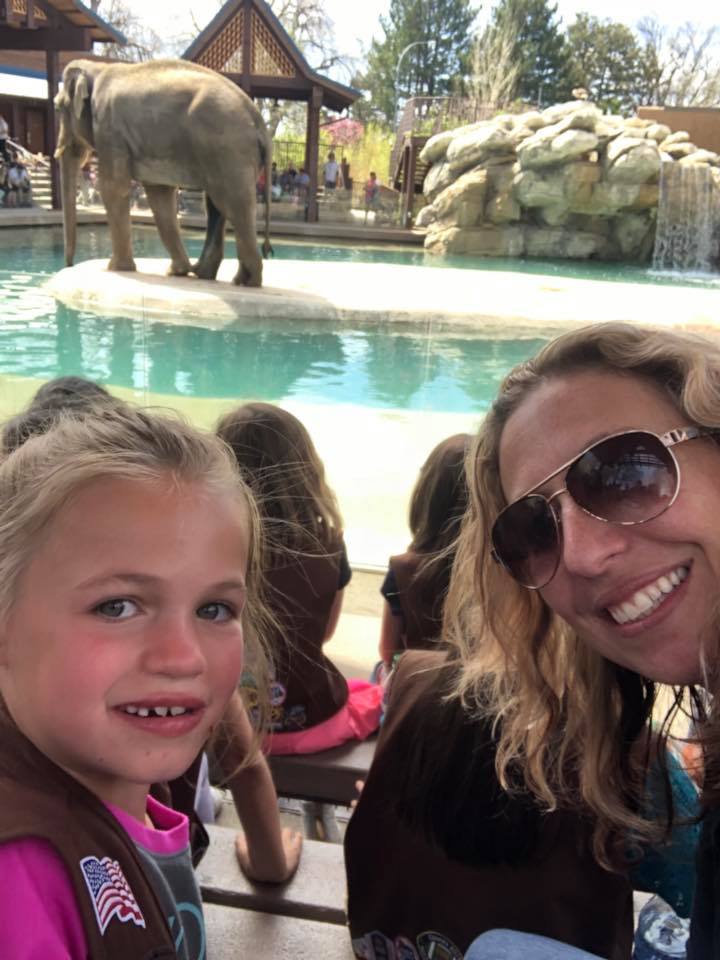
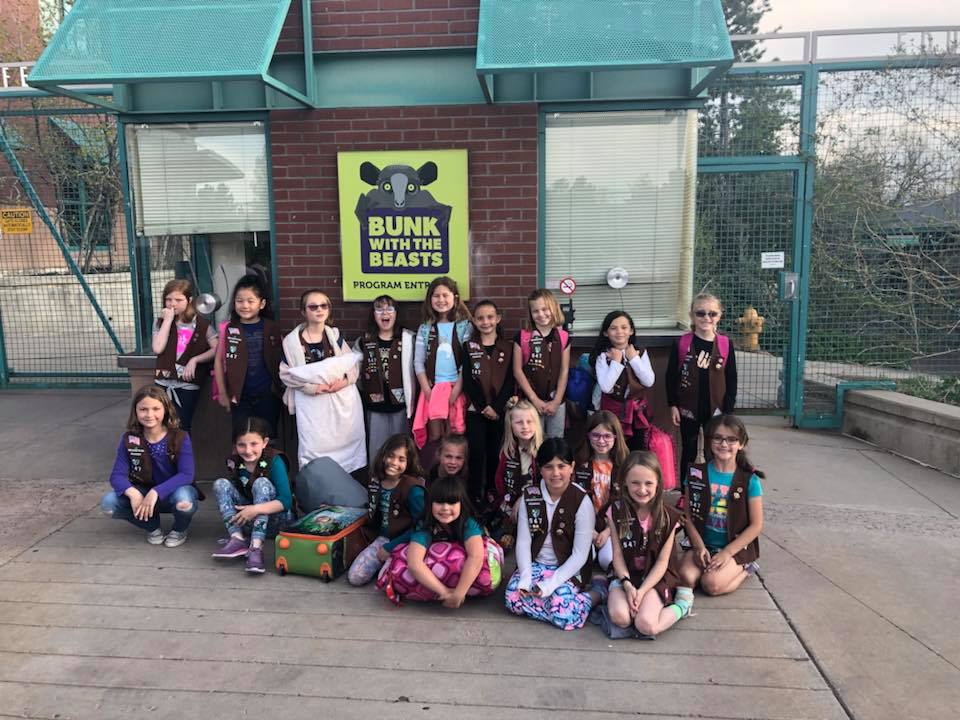
    This past weekend there was an event at the Denver Zoo called “Bunk with the Beasts.”  The girls would get to spend a night away from home and “camp” at the zoo.  Right after I received the group email about the event, her troop leader followed up with a personal email requesting that she know of any special accommodations or help that Ashlynn would need so she could do them.  She didn’t want Ashlynn to miss out.  I sent back a big list.  Ashlynn has dyspraxia.  Activities of daily living, like all the steps to get ready for bed are NOT easy. Her troop leader wrote back it wouldn’t be a problem.  A few days later a chaperone pulled out so I was asked to come.  I was thrilled!  I said yes immediately.  This way her troop leader could focus on the other 18 girls, and I could be there and help Ashlynn.

    When we arrived, there were 4 adults to 19 girls.  Her troop leader split them into groups of two.  She told me that usually a chaperone or leader is not placed with their girl, but in this case she made an exception.  So her and I were in charge of one group of girls in which Ashlynn was a part of, and the other two co scout leaders were in charge of the other group of girls for the zoo tour and excursions.  Some would find this preferential treatment; but it is in fact, an accommodation. I found a renewed sense of awe in this woman.  She went onto explain that many of the girls have developed “best friends” and she purposefully separated them for this event because a troop cannot be a troop unless they all learn how to work together.  I shrugged it off.  She looked at me more earnestly and said, “No, when I mean best friends I mean like this,” and she proceeded to hug my arm and not let go.  I still shrugged it off not realizing yet her point.

    As she gathered the girls and called out what group they were in, one of the girls was visibly shaken.  Her mom is a girl scout troop co-leader and I was standing next to her at the time.  She told me that this was a big reason her daughter wants to quit Girl Scouts next year, because Ms. E insists that the girls be separated from their best friends.  As she talked I looked on.  Most girls had a best friend in which they were sitting next too.  If not, they were still obviously part of the group.  Two girls sat in the back of the group slightly removed, but Ashlynn was basically completely removed in the back by herself.  Don’t get me wrong, she wasn’t acting upset or lonely.  Ashlynn loves girl scouts.  It just struck me in that moment that most girls had an “arm clinging” best friend, and my daughter had no one.  This mother I was standing next to felt so bad her daughter would feel alone and away from her best friend for a couple of excursions, and my daughter felt that way basically all the time.  I don’t fault this mom.  Maybe if I didn’t have a kid with a disability, I would feel the same way too.  Maybe I wouldn’t understand or even notice that another child in the group, the child with disabilities never had any of those best friend moments.  Maybe I would be sad that my child would be sad for a couple hours and never realize this girl in the same troop sitting in the back by herself doesn’t EVER have an “arm hugging” best friend. Maybe…..

    Ms. E did though.  Ms. E noticed.  That’s why she split them up.  Society needs to stop casting those who are different to the outside, but including them and accepting them too!  We are all better when we work together.  Ashlynn and I had the best time.  Ms. E paired each child with a “buddy” and Ashlynn was thrilled to have a peer’s hand to hold as she walked around the zoo.  Ashlynn’s joy is so contagious and she is an adult magnet.  I could see though in this setting, just how unlike her peers she looks.  She’s not shy.  She doesn’t get embarrassed or worried about making mistakes.  She bonks into stuff and people and laughs at herself.  She loses attention easily and starts to wander which would annoy her buddy.  She would randomly start talking or singing when you weren’t supposed to and her buddy would have to shush her. It didn’t matter though.  It made Ashlynn’s entire night to be part of her peer group.

    I came home and cried to my husband I get why girls think she’s different.  She’s not stuck up.  She’s not concerned about what other people think.  It’s amazing how society gets it’s grasp into children as young as second grade.  I noticed so many girls tugging at their shirts, checking their appearance, and censoring what they say because they want to fit in.  I couldn’t help but look at Ashlynn and think of the Dr. Seuss quote, “Why fit in when you were born to stand out?”

    What’s ironic is these kids who “stand out” end up changing the world.  I am almost obsessed with successful people.  Notice I didn’t say “famous” people, though many might be famous.  No SUCCESSFUL people.  People actually changing the world and making it a better place.  The innovators and visionaries.  Most of them were kids who were a little different.  Some may have had a “disability” like ADHD, dyslexia, or whatever.  Bill Gates said once, “Be nice to the nerds.  You might end up working for them.”

    Last month in the news the boy scouts were under fire for revoking the eagle scout badge for a teen with Down Syndrome.  The parents filed a lawsuit claiming that their son was being discriminated against because without accommodations, there would be no way he could earn the necessary requirements to get the Eagle Scout Award.    

    The argument against him earning the award was that though he tried his hardest, he did not meet the requirements set forth.  If you don’t have a person with a disability in your family, I could see how this could make sense to you.  There are requirements that have been established, and if a person can’t meet them for whatever reason, they don’t.  There are able bodied children who don’t meet the requirements either and that’s just the way it is, right?

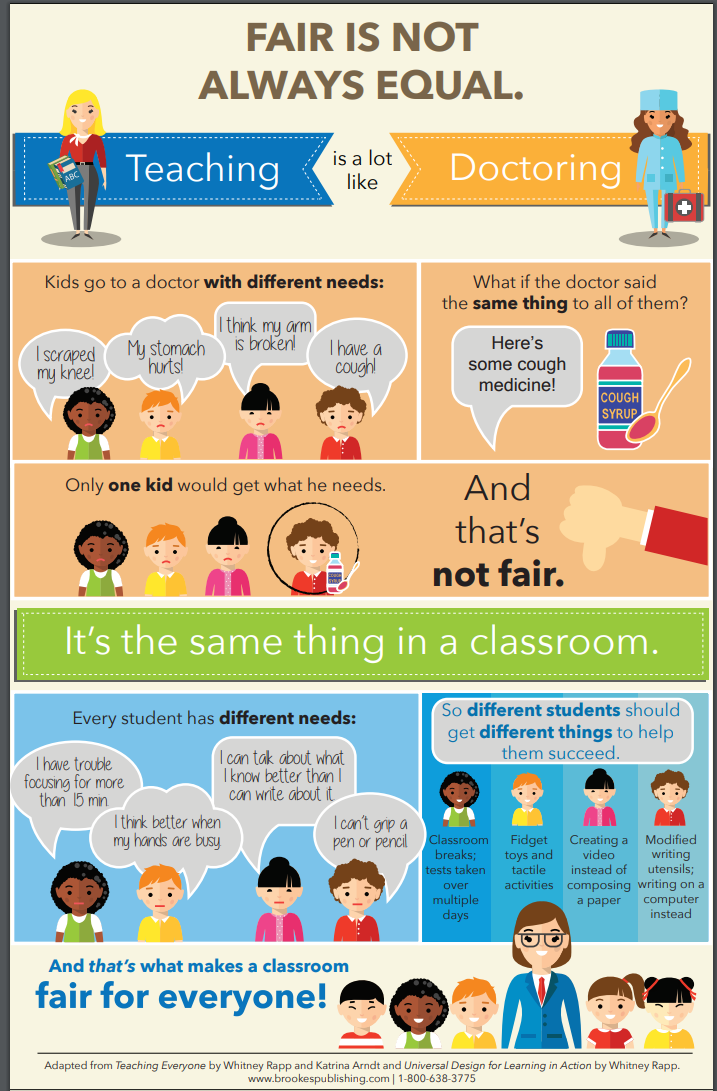
    Let me point out this graphic.

    This graphic compares teaching to going to a doctor.  Kids go to the doctor for different symptoms, and the doctor treats the symptoms.  It would be ridiculous though if you went in with a broken arm and the doctor prescribed antibiotics.  Under our current educational model that is not inherently inclusive; this is exactly what is happening.  The current educational model is based on a child without any learning, attention, or behavioral disabilities.  The lessons are made and the classrooms are set up for kids who can sit in a chair, listen and interpret information, and then attend to their work.  It is not equipped for  the child who needs sensory breaks, or the child who needs to use asisstive technology to help them write because they can’t, or the child who needs assistive technology to have something read to them because they can’t read.  It is not set up for the child who cannot learn through the auditory channel but learns best through visual and tactile channels.  Here is the most important piece though about all of this.  Children who are not “typical” CAN show their learning and skills in other ways if they are just given accommodations!!

    That’s not fair, you might say.  I would counter that it’s not fair we have a bunch of children with broken arms (learning disabilities) being forced to take antibiotics (traditional education), and then are penalized for failing. They are SET UP to fail.  A system that mandates all children must learn the same and prove they have learned the same is a broken, discriminatory system.  As Albert Einstein once said, “If you judge a fish by it’s ability to climb a tree, it will spend it’s whole life thinking it is stupid.”

    Ms. E understands this and I am so, so thankful to her.  The challenge today for apraxia awareness month was to recognize a teacher making a difference.  There are so many amazing people I could choose, but today I Thank you Ms. E, for recognizing my daughter is a fish and deserves a chance to swim.

  • Going off script, overcoming her language disorder

    Going off script, overcoming her language disorder

    Two years ago I wrote a post called, “Speaking in scripts with a story in her eyes.” 

    The point of the post was to describe how Ashlynn who was in Kindergarten at the time was speaking in sentences, and her apraxic component of her speech was resolving (meaning she had all of her speech sounds and could articulate them in the correct order), but the language processing disorder that accompanied her apraxia started to become more debilitating.  She would speak in scripts she had been taught.  To a novel conversational partner, she could look like an adept conversationalist, but if you were to have a second conversation with her the script would repeat and you would soon start to suspect something was amiss.

    I would say that she has continued to do this all the way through her now second grade year.  ASHA defines language processing disorders as “Spoken Language Disorders.”

    A spoken language disorder (SLD), also known as an oral language disorder, represents a significant impairment in the acquisition and use of language across modalities (e.g., speech, sign language, or both) due to deficits in comprehension and/or production across any of the five language domains (i.e., phonology, morphology, syntax, semantics, pragmatics). Language disorders may persist across the lifespan, and symptoms may change over time.

    When SLD is a primary disability—not accompanied by an intellectual disability, global developmental delay, hearing or other sensory impairment, motor dysfunction, or other mental disorder or medical condition—it is considered a specific language impairment (SLI).

    Ashlynn has what is called a mixed expressive/receptive language disorder, which refers to the fact that her comprehension and usage of language is impaired.  Even though I was an SLP before Ashlynn was born, I don’t think I ever truly realized the devastating impact a language disorder has on a child.

    I specialize now in apraxia, and every kid with apraxia goes through a stage where it’s like they have tape put over their mouth.  They all were typically quiet babies who rarely babbled.  They never experienced the 18 month language explosion until much later.  I see them everyday in my practice.  There is a difference though with kids who have apraxia, and then kids who have both apraxia and a language disorder and I can tell you it’s markedly different.

    Kids who have both apraxia and a language disorder, struggle significantly longer to speak than their apraxia only counterparts.  I know this firsthand personally, but also professionally.  Once my clients with apraxia start to learn motor plans and get the sound mapping down, their language starts to explode behind it.  I may have to teach some expressive language components like grammar markers (past tense -ed, plural s) but it’s usually the result of their apraxia and has more to do with sound sequencing, than understanding the rules of grammar.

    Ashlynn was diagnosed with apraxia and a language disorder before I started my private practice and since that time I have diagnosed, treated, and exited kids with apraxia and mild language issues.  Ashlynn remains clobbered.  That post about scripts I wrote two years ago I could have written two months ago, it’s just we had added more scripts.

    That is….until.

    A month ago, second semester into second grade I started getting notes from Ashlynn’s para I had not ever seen before.

    “Played with friends and initiated conversation.”
    “Made myself and her friends laugh with her funny jokes.”
    “Becoming more independent in social situations and settings.”

    Then at home, her dad and I started laughing at random things she would say.  Things we have never heard her say.  Things she had said off script.  Ashlynn had finally started going off script and it was as hilarious and amazing as if she was 6 years younger and saying things at 18 months old.

    “Here’s the deal daddy, I am NOT eating that.”

    Here’s the deal?? What is the deal and who taught you the deal?  We would laugh and then she would comment, “I know daddy, I’m funny huh.”

    Insert out loud laughing.  Where did this “here’s the deal” come from?  I had never heard her practice that in therapy!  She had gone off script again!! My baby was really and actually finding her voice.

    Today we went and visited my 94 year old grandma with dementia.  I was musing in my head that having a relative with dementia was much like having a child with apraxia and a language impairment because they keep repeating the same question.

    After about the fifth time of asking how old Ashlynn was, Ashlynn replied,

    Still eight!!”

    I internally busted a gut.   Oh my gosh.  She said what we all were thinking!

    Today though was her big day.  She had a field trip to see the play Little Mermaid and then she was going to the father/daughter dance.  The note from school said she was engaged the entire time and recalled at least two details from the play.  This may not seem noteworthy if your kid doesn’t have a language impairment because most girls by the age of two can name all of the Disney princesses and have watched all of the movies.  Since Ashlynn has never been able to process the story line, she has never, EVER watched a movie through it’s entirety; and therefore has never been enamored with Disney princesses.  As if that wasn’t amazing enough, the note home said she told the para to write that she wanted to now watch Beauty and the Beast.  I was blown over.  Not only had she been able to tell about the play she saw, she made a connection and then a request for a future related event.  Ashlynn has never asked me to do a future event in which she had not yet been prepped for or has practiced.  To ask someone to ask me to take her to see Beauty in the Beast is epic and WILL happen no matter what.

    When she got home, she told me all about her field trip and then started talking about the dance.  I listened and smiled the entire time because it’s normally my five year old son who is talking incessantly and telling me stories from his day.   I love hearing his stories too of course, but hearing them from Ashlynn was like watching someone set a world record.  The type and magnitude of the stories she was telling had never been done before.  I couldn’t stop smiling.

    When it was time for the dance, her dad came out dressed up but without a tie.  She took one look at him and said, “Dad, don’t you think you should wear a tie?”

    I started laughing.

    “You want me to wear a tie?” my husband clarified.

    “Yeah, go put on a tie” Ashlynn ordered.  I watched thoroughly amused.  There she was, going off script again.  It was amazing.

    More off script moments have included “tattling.”  My son has been able to tattle since basically he started talking.  Ashlynn never has, until recently.

    “Daddy took me to school and he went VRAAAAAAAAA with his engine.  I don’t like that.”

    I started laughing and my laughter turned into tears.  I thought Ashlynn found her voice when she could correctly say all the speech sounds in the right sequence, but THIS, THIS was truly evidence of Ashlynn finding her voice and I couldn’t be happier.

    [wysija_form id=”1″]


  • I Know an Old Lady Who Swallowed a Clover: Speech/Language Book Companion and Activity Pack

    I Know an Old Lady Who Swallowed a Clover: Speech/Language Book Companion and Activity Pack

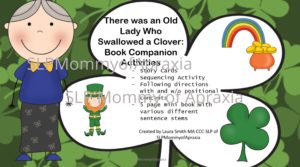
    Back again for St. Patrick’s day, my popular “There Was an Old Lady” book companion template to work on a variety of skills!

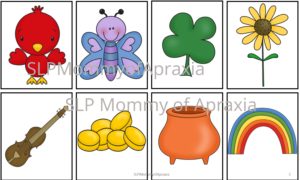
    • the repetitive vocabulary pictures from the book and sequencing grid to aid in story retell

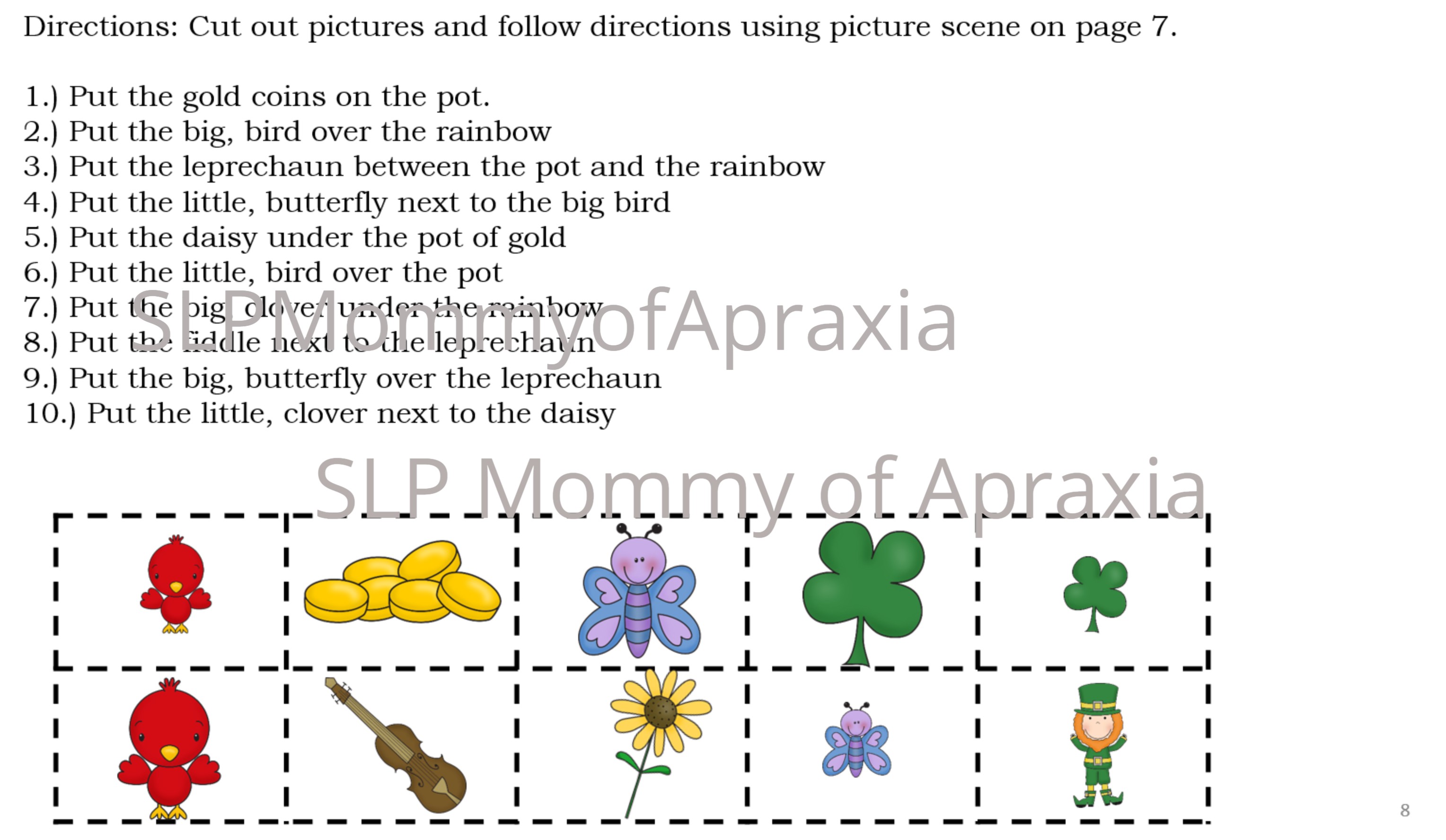
    • Two different following directions activities: one following simple one step directions, and the other following directions using positional/spatial concepts
    • a four page mini book to practice the carrier phrases: she has, she saw, she wants, & she ate + book vocabulary pictures


    • an enlarged picture of the old lady to glue on a manila envelope or cereal box and “feed her” the vocabulary pictures.

    To get this book companion, visit my TpT store