Category: special needs

  • Sensory strategies

    Sensory strategies

    Sensory issues are a common co-morbidity to children with childhood apraxia of speech (CAS). Certainly my daughter with apraxia stemming from a genetic mutation has her own!

    In this post I’m going to share some various sensory related issues we have had throughout the years and strategies that helped.

    Sitting in Circle Time

    In preschool and even into Kindergarten, Ashlynn had a very difficulty time being able to sit in circle time without W sitting. In addition, attention was a major concern. To help with this, she started out with a cube chair and lap blanket that helped keep her seated and calm. In early elementary school, her regular chair was replaced by a hokey stool to allow her wiggle and move. These aren’t the only options though. I’ve seen backjack chairs, wiggle cushions, and yoga balls that have helped kids as well.

    Oral Stimulation

    One of the first sensory issues to pop up was Ashlynn, was she started chewing everything during late preschool and into early elementary school. She would soak her shirts, suck on her hair, and absentmindedly put anything in her mouth. Strategies that helped this were chewelry and the use of a Contigo cup whose straw was resilient enough not for her to bite through. We actually had an accommodation in her IEP allowing her to have her contigo cup during times other kids were not allowed to have them.

    (For extreme chewers I have heard from parents that ARK chewelry is the most robust and works best).

    Picking her nails

    In second grade Ashlynn developed a horrific habit of picking her nails. This wasn’t just a little pick either. I’m talking pick them and get hangnails that she would then rip off. Her fingers bled so much she had to get her shirts changed by the nurse. That year they introduced a rubber band ball as a replacement. It worked wonders and she carried it everywhere and used it when she needed it.

    After her nails she started picking her lips and so she has a sensory bag with chapstick in it as well as can be redirected to use that.

    Attention Concerns

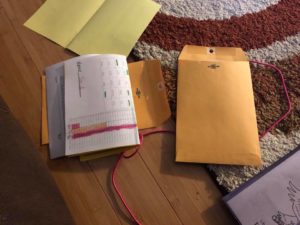
    Ashlynn gets extremely distracted by auditory or visual stimuli. Sensory breaks are scheduled throughout her day. A visual schedule was made and looked something like the one below. Consulting with the OT is very important when developing one, because sensory profiles vary GREATLY depending on the child. I’ve seen kids need a ball pit, weighted blanket, or deep pressure.

    Fidgets

    Fidgets can serve a variety of purposes. They can help with attention, ease anxiety, or provide sensory input to name a few. I’ve tried a lot of fidgets for Ashlynn! The most popular ones like spinners and cubes never worked for her. She did the best with squishy balls, theraputty, pop tubes, or things she had to really squeeze.

    Vestibular Input

    Out of all the sensory strategies that we have used though the NUMBER ONE that always helps is swinging. I’m not an OT, but swinging is very beneficial and calms and helps center Ashlynn. It always has. I’m not alone either! Many parents report putting swings in their house! An adult with apraxia I know has a hammock out back she still uses. There are many different types of swings. Ashlynn loves them all but the most therapeutic for her might have been the platform swing. It helped her core strength and stability.

    What sensory strategies have worked for your child?

    Laura Smith, M.A. CCC-SLP is a 2014 graduate of Apraxia Kids Boot Camp, has completed the PROMPT Level 1 training, and the Kaufman Speech to Language Protocol (K-SLP). She is the author of Overcoming Apraxia and has lectured throughout the United States on CAS and related issues. Currently, Laura is a practicing SLP specializing in apraxia at her clinic A Mile High Speech Therapy in Aurora, Colorado.

  • A letter to my son, a sibling to a child with a disability

    A letter to my son, a sibling to a child with a disability

    There’s this saying if you want to know how to treat a child with a disability or special needs, watch their sibling.

    Today after school I chatted with a mom who has a child with Down Syndrome in third grade. We’ll call him M. Ashlynn my daughter is in the integrated learning center program with him though she is in 4th grade, but they frequently see each other in the resource room. This mom and I have a lot in common and so it was good to catch up on a brisk but sunny day in The Mile-High City.

    My son who is in 2nd grade, darted off to play on the playground with the other kids whose parents were letting them play after school. Ashlynn and M played near us before finally going off to also play on the playground independently.

    This mom and I were talking about things parents who have kids with special needs/disabilities always do. Increasing independence. IEP’s. SPED teachers. Para support. Special needs camp. Opportunities for inclusion. Peer socialization. Basically none of the same things parents who don’t have children with unique needs talk about and so when you find someone in your tribe there is a lot ot catch up on.

    On the topic of peer socialization, we also had a lot in common. With other special needs kids our children our both leaders and outgoing. The problem lies with other “neurotypical” kids in society where it seems more difficult for them.

    As we looked out on the playground, our two kids were playing happily on the slide with each other, but completely isolated from the other kids. All the other kids (including my son) of all ages were all playing with each other on the swings or on the blacktop. It was a perfect visual example of what we were in fact just talking about. I embarassedly remarked that even my son it seemed excluded them.

    She was kind and laughed it off saying, “In his defense, he has to be around his sister all the time.”

    The mom then begain telling me that some kids in M’s class had asked about Down Syndrome one day when she was there. She said they asked questions like “how did he get it?” The tone of their voice made her think they thought maybe you could “catch it” from being around him. My mind instantly flashed back to an apraxia awareness day event I had with a 5th grade student with apraxia who asked Ashlynn’s 2nd grade class who thought they could “catch it like a cold” and every child raised their hand.

    I told her as much and we remarked that instead of OUR kids needing the socialization, perhaps it was the OTHER kids needing more education on those who have differences.

    That’s when we looked back to the playground. All the other kids were still on the swings and blacktop playing and interacting with each other. Our kids with unique needs were still isolated by themselves on the slide. But something was different. Something that brought tears to my eyes.

    My son Jace was on the slide with them. He was playfully giggling and engaging with both M and my daughter and they were all smiling and having the best time. From a distance it would have been impossible to tell there was a neurotypical kid, a kid with Down Syndrome, and a kid with a genetic mutation. From a distance there were just three kids playing on the slide.

    Siblings. So wise. So authentic.

    Literally one of the proudest days of my life being Jace’s mom.

    Jace has it hard. He does. It’s not easy street being the sibling to a child who seemingly gets so much more attention. But today, I remembered that every situation can break us, or teach us and in turn, we can teach the world the lesson we learned through our example.

  • When inclusion works: my hope for the rest of 3rd grade

    When inclusion works: my hope for the rest of 3rd grade

    This past break, I went over my posts from 2018, and read the article I wrote at the beginning of the year.  In it, I begged parents to teach their children to be kind as I wrote about the importance of inclusion.

    You can read about here.

    I was filled with worry and trepidation as Ashlynn started third grade.

    Last year in second had been one of her worst years with peers and friendships.  She frequently came home with bloodied shirts from her picking her fingernails.  Many times, the nurse had to change her shirt it was so bad.  She always reported that she hadn’t played with anyone at recess and my heart broke for her nearly everyday.  In second grade, she was also bullied in the bathroom but thankfully some other students heard and told the teacher.  Fresh off the heels of a great summer, I worried to see her go back to school again.

    This year though in third grade, has been one of her best years for growth not only academically, but also with friends and feeling like she was part of the class.

    The teacher told me at parent/teacher conference in November that she had told her class if they see Ashlynn sitting alone to go grab her and include her because many times it’s not that she doesn’t want to play; but rather that she has a hard time jumping into a situation.  The teacher went on to explain the kids initially did it because they were instructed to, but as they got to know her they now do it because they wanted to.

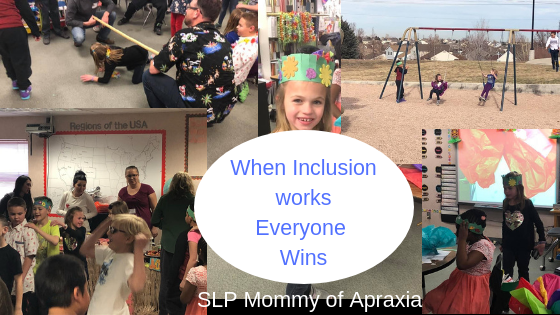
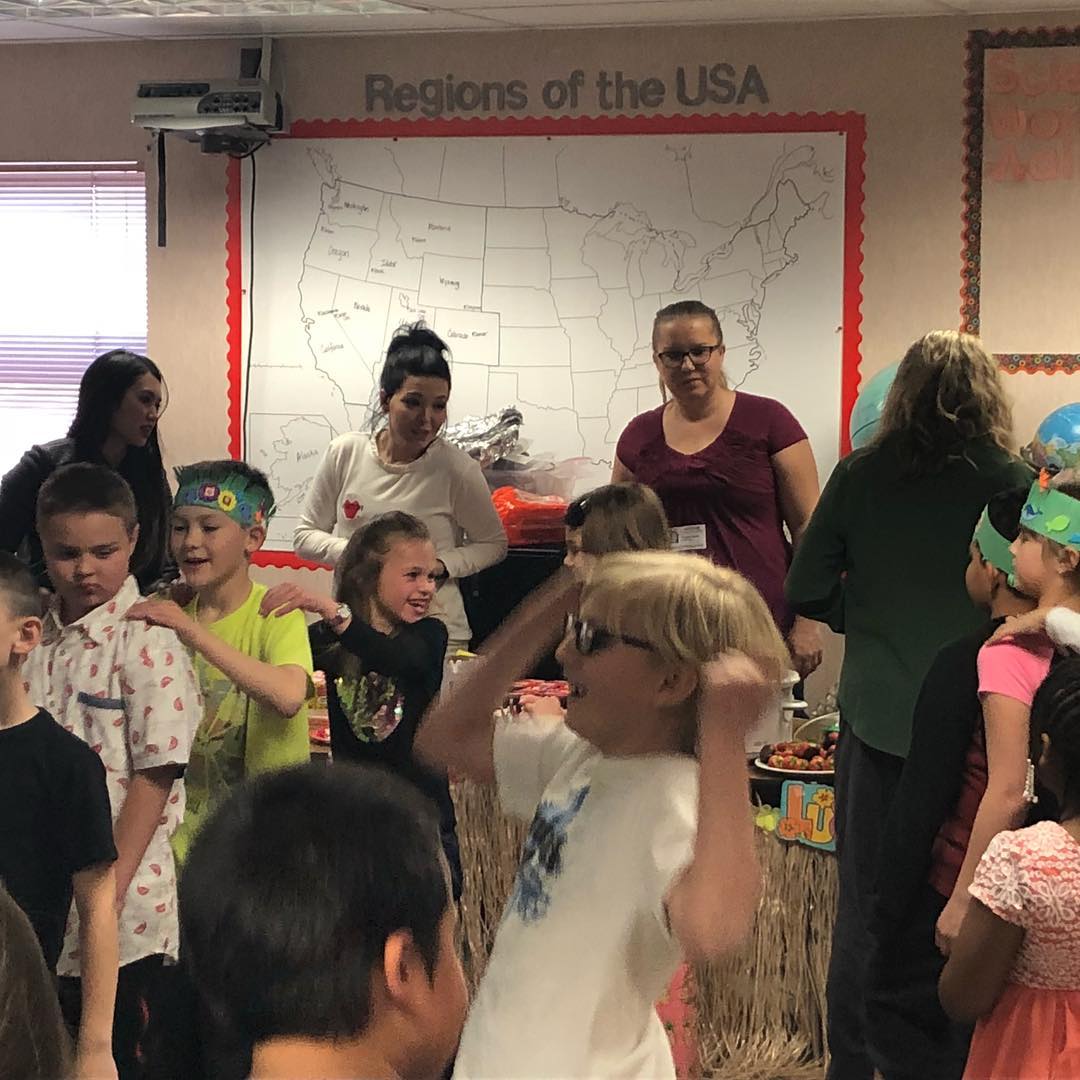
    Every year before winter break, 3rd grade throws a Luau party to add some fun and a twist to a normal Winter celebration.  I volunteered to run a craft with the class. I couldn’t believe what I saw when I got there.  Ashlynn was completely assimilated into the classroom as one of the kids, and not the “special ed kid” or the “ILC kid.”

    As she talked to her friends I thought of her speech therapy.   As she navigated the limbo stick like any of the other classmates I thought of her work in occupational and physical therapy. Her special education teacher wrapped up her current progress monitoring showing how she had rocked her goals because she knew it would be the best Christmas present to see all of her success and she was right.

    As she completed some seat work independently I thought of her TA who understands the difference between enabling and helping.

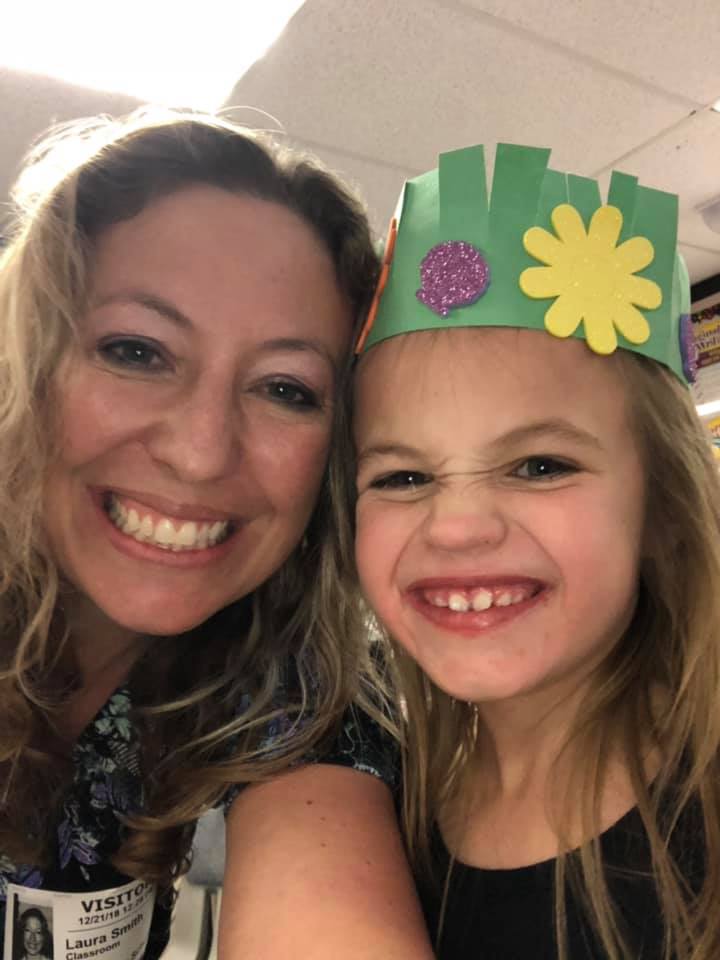
    This is how inclusion is supposed to look. Every human whether they have differences or not all want the same thing. They want to feel useful, included, and loved. Her smile says it all.

    Honestly I didn’t need any Christmas presents this year.  My cup was overflowing.  I just pray as Winter Break is over and she heads back to school, that the second semester will be as amazing as the first.

    Laura Smith is a mother to two beautiful children, one of which was diagnosed with a constellation of issues including apraxia that can be traced back to a genetic mutation entitled BCL11A. She is a Denver based Speech/Language Pathologist now specializing in Childhood Apraxia of Speech.

  • Top Ten SLP Mommy of Apraxia Posts for 2018

    Top Ten SLP Mommy of Apraxia Posts for 2018

    Hi readers!  I haven’t been as active on the blog as usual because my goal for 2018 was to write a book and I’m happy to say I completed that goal!  My goal of 2019 is for it to be published, so we will see!  In the meantime, I did manage to get some blogging done and here are my top 10 posts for 2018!  Thank you so much for your support and your love throughout the years.  It truly means so much.

    1. The Problem With School SLP’s

    A

    2. Interview with Mikey: The Wish That Turned Into a Passion

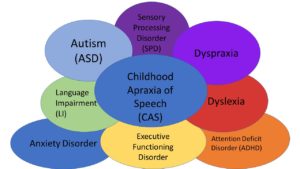
    3. Apraxia as a Symptom to a Bigger Picture

    4. Strategies to Promote Speech and Language in the Pre-Verbal or Minimally Verbal Child with Apraxia

    5. This School Year, Teach your Children to be Kind

    6. Finding our Umbrella

    7. Good SLP’s are Addressing the Head in the Hands

    8. The 6th Apraxia Awareness Day Brought Smiles, Tears, and a Jaw Dropping Moment

    9. Report Cards are Bitter Sweet in Special Needs Parenting

    10. Old Faces, New Faces, and the Passing of the Torch

    Cheers to an eventful 2018.  It was a year full of pain and happiness, love and sorrow, and hope and despair.  May we all remember that life can be intensely beautiful and irreparably sad all at once, because that my friends, is the definition of living.

    This 2019, I wish you all the gift of perspective in life.  We all have bad things happen.  We all have stress and we all have pain.  We also all have a choice, and that choice is to wake up each morning with a grateful heart and to focus on our happy and joyful moments rather than be sucked into the pain of despair and heartache.  There was a time Ashlynn’s dx seemed like the darkest event in my life, but I realized it was the beginning of my testimony to some of the most beautiful characteristics this human life affords us.  May God bless us all this year and always.
    Love and Peace,

    Laura

  • Finding our umbrella.  The last piece of the puzzle.

    Finding our umbrella. The last piece of the puzzle.

    In my opinion, Ashlynn’s birth history was significant.

    No, she wasn’t born premature.  No, there wasn’t a dramatic rush to the ER.  However, I was failing to dilate or efface and the labor was taking so long that vaginal fetal electrodes were placed on her head.  In addition, every contraction brought concern to the fetal hear monitor.  My OB recommended at least three times that I get a C-section; but hopped up on drugs and determined to deliver my baby naturally, I didn’t read between the lines.

    When Ashlynn was three months old I started to become concerned about her toes.

    My friend affectionately pointed out her “ballerina toes,” but they were cause for concern.  Her feet were always in a pointed flexed position, otherwise known as “plantar flexion.”  If I tried to stretch her feet to what is known as a “dorsal flexion,” I was unsuccessful.

    At her 6 month well baby check I brought my concerns to the pediatrician. She offered two possible solutions.  I could get a referral to neurology, or I could stretch our her tight heel cords each night and at the next well-baby visit we could re-evaluate.  I chose the latter.

    I was an SLP working in the severe needs classrooms before Ashlynn was born.  I co-treated with PT’s and watched them massage and stretch out kids with cerebral palsy for at least two years.  I tried to replicate the same motions and massages in Ashlynn, and meticulously stretched her out every night in the bathtub for 6 months.  At her next well baby check, her heel cords were loose and we could easily get her in a dorsal flexion.  A referral to neurology no longer seemed necessary.

    Ashlynn continued though to be delayed in every milestone.  I was convinced it was Cerebral Palsy (CP). I worked with her every night doing a speech therapy approach called “language stimulation.”  I was exhausted.  Physically and emotionally run down from working each day, but I would look at my daughter’s smiling face and pull reserves out from the depths because she was by far my most important client.

    At around a year I took her to a PT I worked with who saw children with CP everyday.

    “I think she’s fine, Laura,” she said to me. She had her crawl, stand, and try to walk.  I was relieved, but still skeptical.  When Ashlynn started to pull up on furniture I noticed she would stand on her toes.  I immediately and diligently would relax her calves or physically manipulate her legs to stand flat-footed.  When she finally went to walk (very late at 19 months), we didn’t have a problem with toe walking.  I felt relieved at the time; but little did I know I had successfully suppressed all the soft signs of CP through my training and experience with children who had severe needs.

    I’ll never forget her Child Find Evaluation shortly before she was three.

    I had been working with her every night on speech, and the progress was less than amazing.  I wanted to turn back a million times, but knew I had to take her to this evaluation to get her qualified for extra services. The diagnosis of apraxia smacked me hard in the face.  Though I instantly knew it was true, I was mortified I had not thought of it until that moment.

    I grieved.

    I had a difficult time looking myself in the mirror after that.  All questions of CP had been ruled out and I had missed a diagnosis of apraxia in my own child.  I was beyond disappointed and angry in myself. I struggled to look at myself in the mirror.  My confidence was shattered and I questioned as to whether I was really helping children or not.  I didn’t know it at the time, but looking back I think I was deeply depressed.  I decided during that time that I had to do something with this situation.  I could sit in sorrow, guilt and regret; or I could turn all this pain into a purpose.

    I started my blog and my mission to specialize in apraxia.

    During this time period I was PROMPT trained, Apraxia-Kids trained, and watched the Kaufman K-SLP method on video.  I became so fanatical about apraxia that I earned an award from ASHA for obtaining a crazy amount of continuing education in a short period of time.  During this time, Ashlynn improved and I finally started to be able to look at myself in the mirror again.

    Ashlynn went on to receive additional diagnoses of: dyspraxia, ADHD. SPD, and dysarthria at this time through various professionals.  I had accepted that Ashlynn seemed to have “global apraxia,” which is a term for kids who seem to be globally impacted by motor planning issues.

    I sought expertise from neurologists who ordered MRI’s and genetics but came up empty.   I knew from an article I had read once that in some circles, global apraxia was considered a type of CP; but no one would believe me.  I had settled on global apraxia, aka apraxia and dyspraxia until….

    At the age of 8, Ashlynn toes started curling forward.

    I had noticed it, but hadn’t done anything about it until her Grandma told me that she noticed it and Ashlynn told her they hurt.  Concerned I took her to her pediatrician who was completely stumped.  She did refer to me the orthopedic department at Children’s and I felt I was on another wild goose chase to figure out why Ashlynn’s feet were acting like this.  That was until a mother to a client I have with CP told me that toe curling is common is kids who have CP during the time of a growth spurt.  She referred me to a specific doctor at Children’s Hospital Denver called a “physiatrist.”

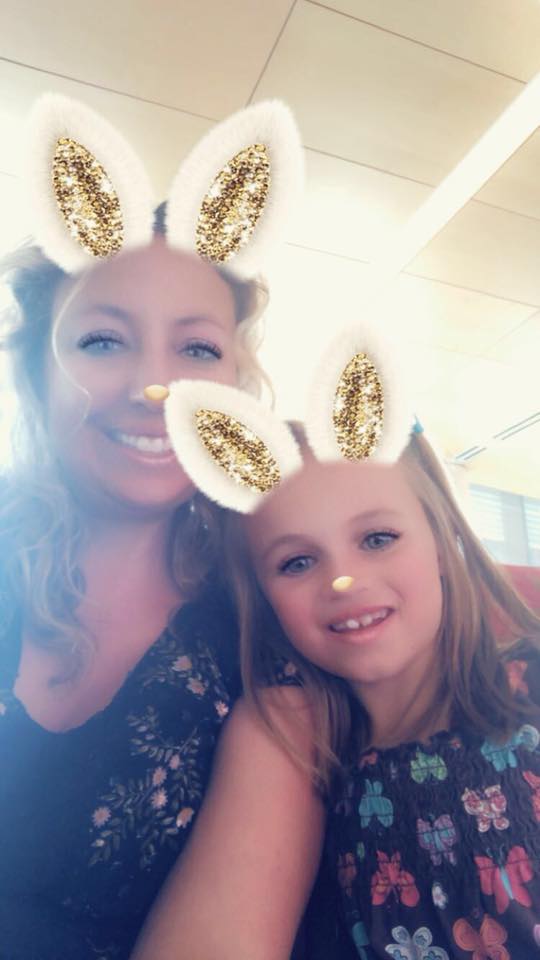
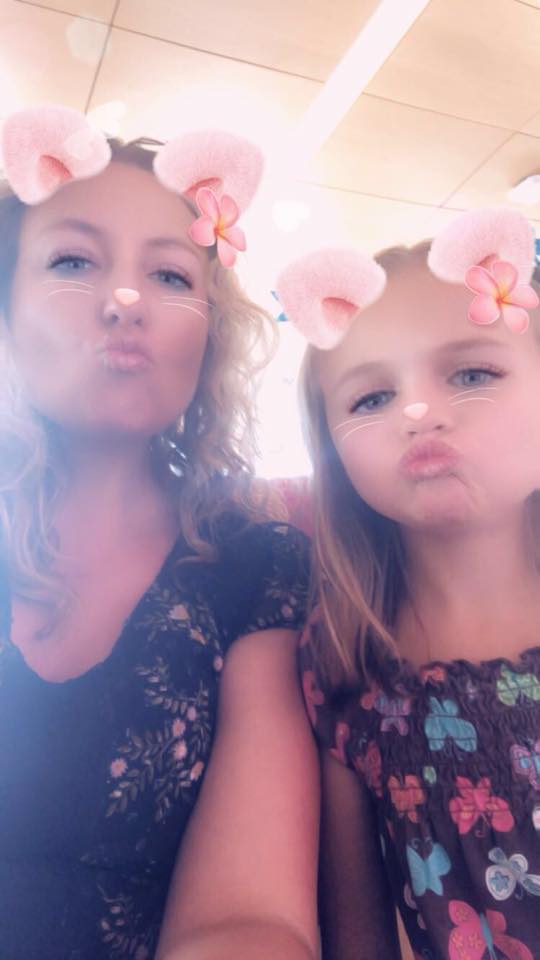
    I scheduled the appointment and arrived early with Ashlynn.  Trying to shake off nerves we played on snap chat and laughed.

    d.
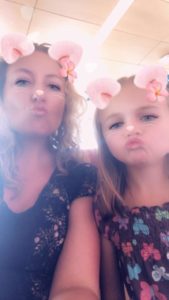
    I was so proud of her pucker in the second picture because puckering has been a task that has been traditionally something that is difficult for her.  Finally we were called back and ushered to our examination room.

    The doctor and resident came in skeptical.

    They asked me why I was there and when I mentioned CP they looked at Ashlynn and seemed pretty dismissive at first.  CP?  Why on Earth did I think this girl sitting before them had CP?  I soaked in her skepticism and it killed me. Great.  Here we go again.  Another person who doesn’t believe me.  She had Ashlynn walk down the hallway away from us.  Ashlynn was scared so I walked with her.  The next task was to run and the doctor instructed Ashlynn to run by herself and explained she needed me to stay behind.  As Ashlynn ran ahead this woman began a running commentary of medical jargon I was desperately trying to keep up with.  She was talking to both me and her resident.

    “Notice the Pie Pan arm hold as she runs.”

    I looked at Ashynn’s peculiar arm and finger posture.

    “Sweetie will you skip now?”

    Ashlynn skipped happily down the hallway and Pam began her expert observations,

    “Notice how that pie pan hold switched sides.”

    Ashlynn returned.

    The rest of the evaluation went much the same.  I watched on in disbelief.  Somewhat invested but still skeptical, they had Ashlynn take off her socks and shoes and repeat the exam.  As she ran down the hallway, what had been no evidence of toe walking with shoes, revealed a slight toe walk without shoes.  I was in awe of Pam’s expertise and knowledge.  Her observations and running commentary were impressive.
    Back in the exam room the revelations were revealed.

    They tested all of her reflexes and Pam remarked how all of her reflexes were “brisk,” which was code for “not normal,” and observed that all of Ashlynn’s primitive or baby reflexes were still present.  When I questioned her she explained that children with CP never outgrow those early reflexes and will retain them into adulthood.  I was fascinated.  I had OT reports from multiple places that described how Ashlynn hadn’t lost her primitive reflexes, but I didn’t realize it was due to a possibility of her having CP.

    I knew from my apraxia blog groups that some kids with global apraxia received a dx of “ataxic cerebral palsy” early on.  This doctor had Ashlynn touch her own nose and then touch the doctor’s finger.  Ashlynn did well with this.  The doctor immediately ruled out ataxic CP.  I asked her if a child could improve on that task with OT (since Ashlynn used to be bad at that but has had therapy) and she shook her head and said there was no way Ashlynn had ataxic CP.

    Ok. I wasn’t even offended.  My mommy gut was telling me this woman knew what she was talking about and I was in the exact spot I needed to be.

    The next test, from a lay person’s view, seemed to be the most definitive diagnostic marker of the evaluation.  It was a “clonus test” that is done at the foot and ankle level.  I could google it and come up with this amazing medical definition, but I want to report this as a mom.  As they were testing reflexes, one reflex test they did put Ashlynn right back into those ballerina toes I saw as a baby.  They then tried to push up on her foot so she could achieve a dorsal flexion, and her foot started pulsing.  Apparently, pulses beyond 2-5 are considered abnormal and Ashlynn was at an 8 or above.  It was so significant, they couldn’t get her out of it without changing her body position completely.

    It was after this the treating MD told me that based on Ashlynn’s pie pan hand posture when running and clonus in the ankles, she exhibited symptoms consistent with dystonic cerebral palsy.

    I gasped.

    It wasn’t a gasp of pain or sadness.  It was…relief.  I couldn’t believe someone listened to me.  I couldn’t believe that after almost 9 years of knowing this was what Ashlynn had, it was only now being diagnosed.  I beat myself up for years missing apraxia.  It was so bad, it was what made me specialize in it.  I couldn’t look at myself in the mirror.  It was a big blow to my self esteem as a professional.  I thought I was a good SLP and then I had missed apraxia and CP was ruled out and I felt incompetent.  The guilt was overwhelming.  I did everything in my power to make up for the error.  I specialized in apraxia, received awards related to apraxia, and helped my daughter every way I knew how.

    To find out now that I had been right all along was a feeling I can’t put into words.  It had come full circle.  I actually did know my stuff  back then, but this experience with Ashlynn shot me to a place with apraxia expertise I could have never imagined.

    I was talking with a client I had who brought their daughter with diagnosed CP into see me for a differential dx over a year ago, and was telling her the story. Our stories our reversed.  Her daughter immediately received a CP dx, but no one believe her daughter had apraxia until she came to me to get a differential dx.  She said exactly to me what I said to that doctor.

    “So you believe me??  I’m not crazy?  Oh my gosh!! Oh my gosh!!!  I freaking knew it.”

    She went on to tell me this day that she was thankful that I didn’t know Ashlynn had this rare presentation of CP, because I probably would have went all in on the CP awareness train.  Instead, I went all in on apraxia and because of it; her daughter got the right dx and subsequent treatment she needed to find her voice.

    I had to agree that she was right.

    In the end, life has been a journey with my Ashlynn.  However, I actually and finally feel like all the pieces to her “puzzle” have been found.  A good friend said it best when she told me,

    “You found your umbrella.”

    I didn’t cry at any point during the evaluation or dx.  After we left I called my husband, mom, and mother in law and explained the findings over the phone with Ashlynn in the back seat. When I hung up my last phone call I heard this little voice ask,

    “Mama?  What do I have?”

    I didn’t expect to tear up when I answered her my voice cracked and I said, “Baby, you have cerebral palsy, or CP.  It doesn’t change who you are at all. It’s just something you have, like apraxia.”

    “That says Exit, Mississippi” she said right after, reading the freeway exit sign to our house; and in that moment, I knew everything was going to be okay.


  • Apraxia, dyspraxia, dysarthria and the link that tied them all together.

    Apraxia, dyspraxia, dysarthria and the link that tied them all together.

    Those familiar with my story know that I missed apraxia in Ashlynn because I was convinced she had CP (cerebral palsy).  She had a significant birth history and had to be pulled out via C-section and all of her motor milestones were late.

    Tummy time was a nightmare.  I was always so stressed about it because she literally seemed like she was suffocating and couldn’t pull herself up for air.  She would cry.  As much as I tried to prevent it she developed a flat head.  I remember asking the pediatrician if she needed a helmet but was told no. From 3-6 months she had developed a case of extremely pointy toes.  My friend affectionately referred to them as ballerina toes, but they were anything but cute.  I couldn’t get them flexed at all.  I kept thinking they just looked “spastic” to me; which is a term to describe very tight muscles in individuals with CP.

    When I brought it up to the pediatrician she said we could go to neurology or maybe I could just massage her calves every night in the bathtub and at her next baby well visit we would evaluate.  I decided to do that and if it didn’t work I would go to neurology.  I worked as a speech/language pathologist before she was born in severe needs classrooms and worked alongside physical therapists.  I did to Ashlynn everything I would see them do to our students.  By her next well baby visit, her feet could flex and she no longer had a standing ballerina toe pose.  There didn’t seem a need for neurology at that point.

    After that the rest is really history.  I received her diagnosis of apraxia right before her 3rd birthday, and then subsequently got her dx of dyspraxia, SPD, and ADHD through various OT places we went for therapy.  From that time on, I’ve accepted this was her diagnoses.

    Last year I decided I wanted to make sure I had checked all the boxes and got a referral to neurology.  It was not a good appointment.  You can read about here. They completely dismissed any chance of CP, but they did write orders for an MRI and genetics and those were two boxes I wanted to check off.  That all turned up empty.  They dismissed any neurological soft signs I had seen such as her pointy toes, flat head, and choking as a baby.  They actually dismissed dyspraxia and apraxia as well but that’s another story.  I let it go again because these are experts after all.

    That was until, a new development happened.  Ashlynn’s toes are curling forward to the point you can’t see her toenails because it looks like she is standing on them.  I took her back to the pediatrician who literally did not know who to refer me to.  She sighed a deep sigh and took a good 20-30 seconds to speak.  In the end, we decided on the orthopedic department at children’s, guessing it has something to do with her dyspraxia causing balance and coordination issues.

    As fate would have it, I’m telling Ashlynn’s symptoms to the mom of a client who has severe CP and dysarthria.  After I told her about our dr appointment and referral, she relayed to me that curling toes is common in CP, or any joint abnormalities for that matter, especially around the time of a growth spurt.

    My heart sunk.

    There is this feeling every mom can relate to.  It is this gut feeling that tells you when something is right and when something is wrong in your child.   At that moment, I immediately felt it. I knew that what I had thought all along was right.  Ashlynn has CP, and this woman standing before me knew of the person I should go see.

    She recommended I go to the rehab clinic at Children’s Hospital Denver who has a team of doctors who deal with this stuff.  I called this place in lieu of the orthopedic department.  The intake person went from being skeptical and asking me why I didn’t have a doctor referral to enthusiatically affirming she could get us in right away after I explained all of Ashlynn’s symptoms.  She then told me that me once Ashlynn was diagnosed, they can recommend the best plan of treatment.  When I got off the phone my mind was reeling.  What had I told that person that made their attitude change from skeptic to a certain dx?  I wasn’t sure, but at least I knew I was now on the right track to getting an accurate and complete dx for my daughter.

    I’m a firm believer that coincidences are put in our path for a reason.  It wasn’t a “coincidence” this client found me.  She had in fact been referred to me by Dr. Ruth Stoeckel, who had been my mentor at the Apraxia-Kids bootcamp. I was about to experience another coincidence that would light the path to the answers I was seeking.

    That same week I found out Ashlynn’s OT was leaving and a new OT would be shadowing her for the next two sessions.  When I went in, I told them both about Ashlynn’s new doctor appointment and that it was because I had always suspected CP.  The minute I said CP they both turned to each other, smiled, and then nodded in recognition.

    I’m sure when they looked back at me I looked angry.  Why on Earth would they suspect something like CP and not tell me?  I quickly had my answer.  The new OT had observed Ashlynn the week prior and after reading her chart suspected a mixed presentation of low and high tone.  She suspected it, because she herself had CP as well.

    My mouth probably dropped open.

    That was a lot to process.  For someone like me who believes coincidences are God’s way of telling us we are on the right path, this path was lit up like a Christmas tree and blinking.  I knew my initial hunches way back when Ashlynn was a baby were about to be finally confirmed, almost 9 years later.  I didn’t know what to feel.