Category: MERLD

  • Did I cause her apraxia?

    Did I cause her apraxia?


    When Ashlynn was first diagnosed with Childhood Apraxia of Speech, I think most parents will relate when I say I spent (pointless) hours wondering what had caused it.

    Back in 2012 when Ashlynn was diagnosed, the most current information we had at the time was that it could have three main causes:

    1. Brain Trauma such as a stroke in utero
    2. Genetic causes
    3. Idiopathic – meaning of no known cause

    Though I knew this, I couldn’t help but cycle back to questions.  Questions that kept me up at night.  Any parent of a child with special needs has probably done this endlessly.  It is probably one of the main causes of sleep deprivation in special needs parents right behind “am I doing enough? and goes something like this.

    Was it that time when I was 6 months pregnant and I had the stomach flu?  Did I wear the painting mask long enough when I painted her baby room?  Was it because I had to have a C-Section?  What about the vaccines, giving her Tylenol, or that time she bumped her head?  Maybe it was……..

    And before I know it, I’m deep into the weeds unable to find my way out.

    It doesn’t help I had been privy to professional “inside” comments with colleagues who blamed parents for lack of reading, lack of talking, lack of stimulation etc.  You can read about my snub to those “opinions” in my article where I snub the 30 million word gap theory.

    It also didn’t help I would hear stories from other apraxia mamas who would share their personal experiences of being blamed and shamed.  

    So, I sought answers. It was a revolving door of specialists, waiting lists, and additional diagnoses, but still no answers as to the cause.  I would cycle through periods of acceptance and guilt, such as in this post I wrote when she was a little over 4 about a year after her CAS dx.

    Earlier this year, I thought we had found our answers when we went to rehabilitation specialist at Children’s Hospital who diagnosed her with dystonic cerebral palsy. Though I had more answers to her disability profile, I still didn’t have any answers as to what caused all the issues.

    No answers that is, until we found ourselves in the office of a genetic doctor and genetic counselor.  This is not to be confused with general genetic testing that a pediatrician can order either.  It was there that we would learn the cause of everything.  It was there, I would finally know why Ashlynn had apraxia, dyspraxia, hyptonia, ADHD, dysarthria, SPD, CP, and learning disabilities.  The answer was housed in a small set of letter and number combinations called:

    BCL11A

    A quick pub med article revealed that of the few case studies we have, children shared commonalities with:

    1. Non-verbal or low verbal status
    2. Abnormal muscle tone
    3. Gross motor delays
    4. Childhood Apraxia of Speech
    5. Dysarthria
    6. Hypotonia
    7. Dyslexia susceptibility

    The doctor explained the genetic mutation was “de novo” meaning it was not inherited and happened at conception.  It was a complete fluke when the sperm and egg came together that this mutation happened on the 2nd chromosome.

    Is it possible to be completely stunned and then not surprised at all at the same time?  Is there a word for that?  If there is, that is how I felt.  I knew as a professional researching this endlessly it wasn’t my fault.  Mom guilt though.  Mom guilt is a real thing.  It is strong, irrational, and overwhelming. So, in that sense, I wasn’t surprised.

    Knowing though that a genetic mutation was the single cause for all of her disabilities was shocking, but then quickly reaffirming. So many things went through my mind with the biggest one being,

    “This really wasn’t my fault, and furthermore, there is nothing more I could have done to change this.”

    The genetic landscape regarding apraxia is a new and quickly changing field.  We are going to see more research and information coming out now recommending that genetic testing be pursued.  Look for a follow up post with me talking about this new and changing frontier.

    For now though, I need time to process and learn.  A mother does better research than the FBI after all, when searching for answers about their child.
     

    Laura is a speech/language pathologist specializing in Childhood Apraxia of Speech and mom to two amazing children, one neurotypical and one neurodiverse. Laura is a speaker, writer, Denver Walk Coordinator for Apraxia, and is the voice behind the website SLPMommyofApraxia where she is passionate about Apraxia Awareness. 


  • When inclusion works: my hope for the rest of 3rd grade

    When inclusion works: my hope for the rest of 3rd grade

    This past break, I went over my posts from 2018, and read the article I wrote at the beginning of the year.  In it, I begged parents to teach their children to be kind as I wrote about the importance of inclusion.

    You can read about here.

    I was filled with worry and trepidation as Ashlynn started third grade.

    Last year in second had been one of her worst years with peers and friendships.  She frequently came home with bloodied shirts from her picking her fingernails.  Many times, the nurse had to change her shirt it was so bad.  She always reported that she hadn’t played with anyone at recess and my heart broke for her nearly everyday.  In second grade, she was also bullied in the bathroom but thankfully some other students heard and told the teacher.  Fresh off the heels of a great summer, I worried to see her go back to school again.

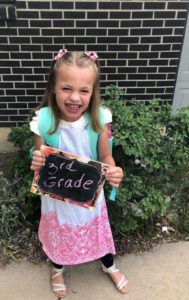
    This year though in third grade, has been one of her best years for growth not only academically, but also with friends and feeling like she was part of the class.

    The teacher told me at parent/teacher conference in November that she had told her class if they see Ashlynn sitting alone to go grab her and include her because many times it’s not that she doesn’t want to play; but rather that she has a hard time jumping into a situation.  The teacher went on to explain the kids initially did it because they were instructed to, but as they got to know her they now do it because they wanted to.

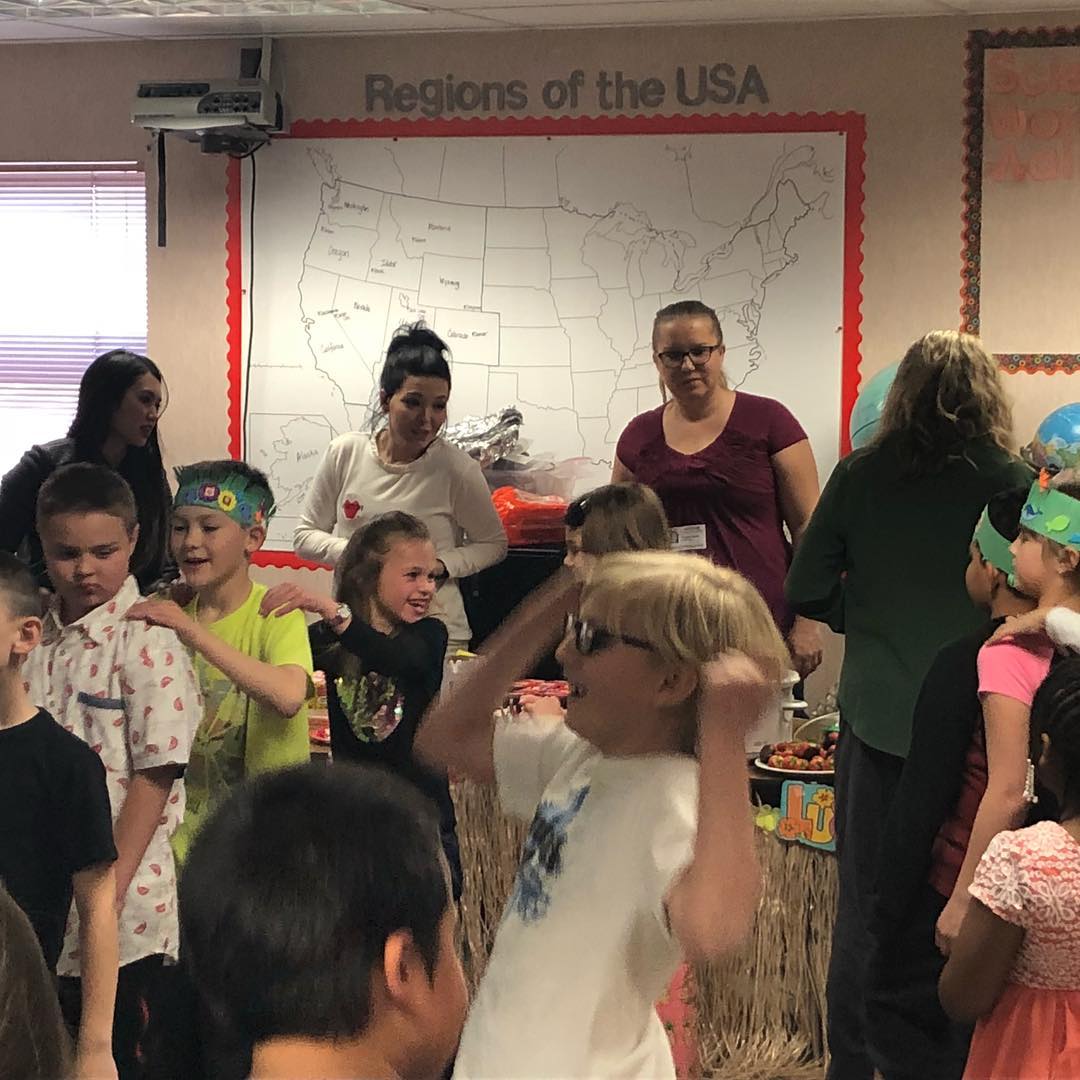
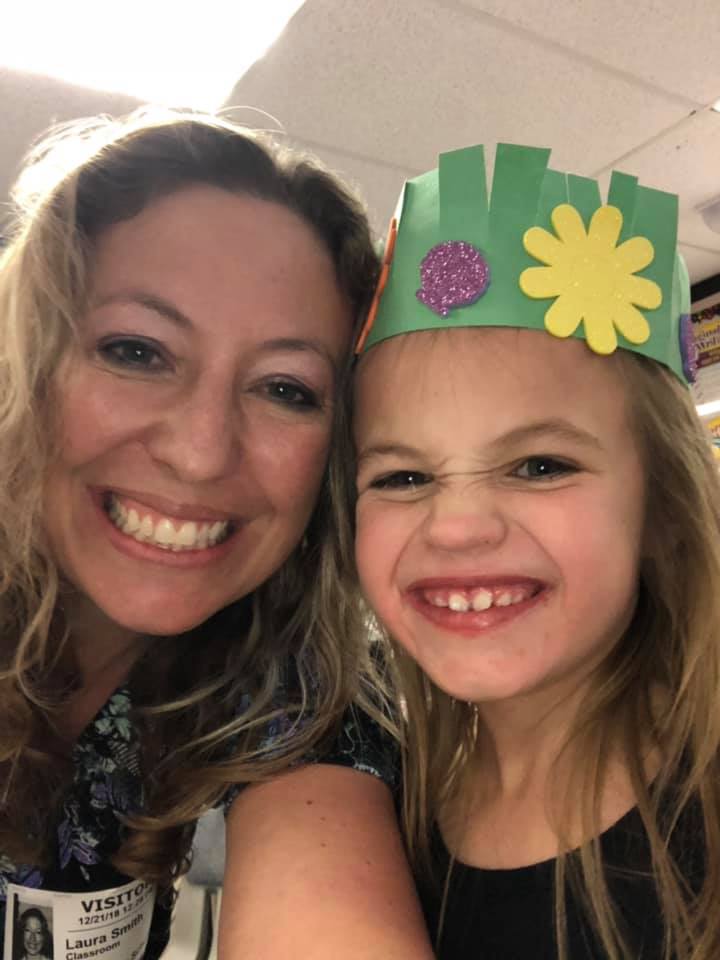
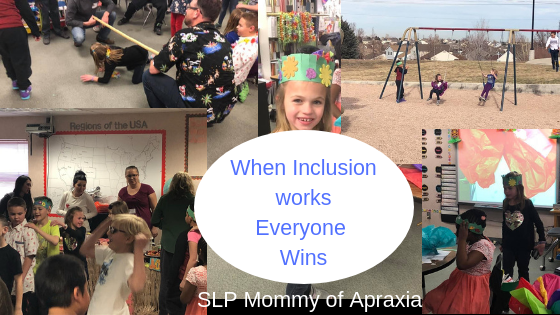
    Every year before winter break, 3rd grade throws a Luau party to add some fun and a twist to a normal Winter celebration.  I volunteered to run a craft with the class. I couldn’t believe what I saw when I got there.  Ashlynn was completely assimilated into the classroom as one of the kids, and not the “special ed kid” or the “ILC kid.”

    As she talked to her friends I thought of her speech therapy.   As she navigated the limbo stick like any of the other classmates I thought of her work in occupational and physical therapy. Her special education teacher wrapped up her current progress monitoring showing how she had rocked her goals because she knew it would be the best Christmas present to see all of her success and she was right.

    As she completed some seat work independently I thought of her TA who understands the difference between enabling and helping.

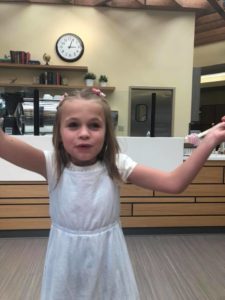
    This is how inclusion is supposed to look. Every human whether they have differences or not all want the same thing. They want to feel useful, included, and loved. Her smile says it all.

    Honestly I didn’t need any Christmas presents this year.  My cup was overflowing.  I just pray as Winter Break is over and she heads back to school, that the second semester will be as amazing as the first.

    Laura Smith is a mother to two beautiful children, one of which was diagnosed with a constellation of issues including apraxia that can be traced back to a genetic mutation entitled BCL11A. She is a Denver based Speech/Language Pathologist now specializing in Childhood Apraxia of Speech.

  • Top Ten SLP Mommy of Apraxia Posts for 2018

    Top Ten SLP Mommy of Apraxia Posts for 2018

    Hi readers!  I haven’t been as active on the blog as usual because my goal for 2018 was to write a book and I’m happy to say I completed that goal!  My goal of 2019 is for it to be published, so we will see!  In the meantime, I did manage to get some blogging done and here are my top 10 posts for 2018!  Thank you so much for your support and your love throughout the years.  It truly means so much.

    1. The Problem With School SLP’s

    A

    2. Interview with Mikey: The Wish That Turned Into a Passion

    3. Apraxia as a Symptom to a Bigger Picture

    4. Strategies to Promote Speech and Language in the Pre-Verbal or Minimally Verbal Child with Apraxia

    5. This School Year, Teach your Children to be Kind

    6. Finding our Umbrella

    7. Good SLP’s are Addressing the Head in the Hands

    8. The 6th Apraxia Awareness Day Brought Smiles, Tears, and a Jaw Dropping Moment

    9. Report Cards are Bitter Sweet in Special Needs Parenting

    10. Old Faces, New Faces, and the Passing of the Torch

    Cheers to an eventful 2018.  It was a year full of pain and happiness, love and sorrow, and hope and despair.  May we all remember that life can be intensely beautiful and irreparably sad all at once, because that my friends, is the definition of living.

    This 2019, I wish you all the gift of perspective in life.  We all have bad things happen.  We all have stress and we all have pain.  We also all have a choice, and that choice is to wake up each morning with a grateful heart and to focus on our happy and joyful moments rather than be sucked into the pain of despair and heartache.  There was a time Ashlynn’s dx seemed like the darkest event in my life, but I realized it was the beginning of my testimony to some of the most beautiful characteristics this human life affords us.  May God bless us all this year and always.
    Love and Peace,

    Laura

  • Thank you for choosing me to be your mom

    Thank you for choosing me to be your mom

    It’s Halloween, 2018.  You are a freshly turned nine-year old.  You are 9 years old. My mind immediately repeats a phrase from my dad,

    “Mr. Baskall, here’s your little baby girl.”

    I remember I would roll my eyes and scoff at him.

    “Ugh dad!” I would lament as he looked at me with eyes brimming with pride.

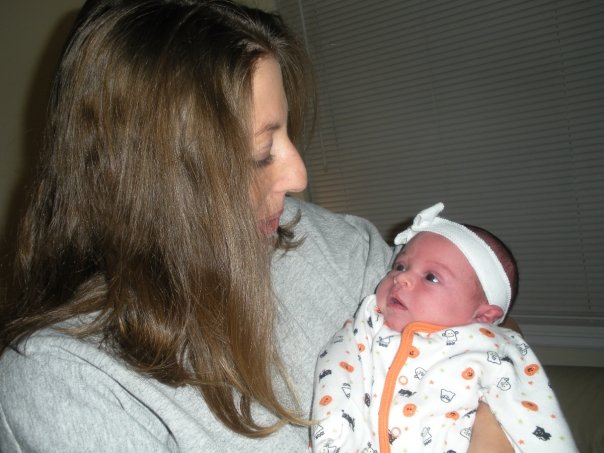
    I don’t have any words to describe or memorialize your entrance into this world, but I have your pictures.

    Halloween, 2009 was the most magical holiday that I have ever experienced.  It was the first holiday I ever experienced as a mom.  I was a mom.

    I was a mom!!

    On Halloween’s prior, the entire holiday was full of self-entitlement, but the Halloween of 2009 was full of something completely different.  I had given life to the most beautiful angel.

    My normally highlighted hair was brown, which is actually my natural color.  I had diligently not dyed my hair while pregnant with Ashlynn to ensure no harmful chemicals crossed my scalp, into my bloodstream, crossing the placenta and then hurting my baby.  I remember taking every precaution to ensure I had the healthiest baby my body could possibly produce.  An avid craft beer drinker from Colorado, I would refuse to even take a sip while pregnant.  I ate my lunch meat warm to avoid lysteria and eliminated all caffeine so my developing fetus was never exposed to any stimulant in utero.  I wore an industrial style mask when I painted her baby room to ensure she was exposed to no harmful fumes.

    So confident was I in ensuring I had followed every caution and recommendation, the thought never even once crossed my mind I would have a child with any sort of developmental delay.

    Life sure answered back with a big middle finger and boisterous laugh at that one.

    Every Halloween though, I become nostalgic.  I remember that new mom holding that tiny baby in her cute onesie with the pumpkin bum and beaming with pride.  I remember my husband dutifully reporting to work each day, but taking time to hold, hug, kiss and fawn over the tiny human we had somehow created together.

    I remember my heart being so full I thought it could actually burst from the amount of love that it was trying to contain inside.  Every Halloween, ironically, reminds me just what a GIFT life actually is. Yes, this day of the dead reminds me of how lucky any of us are to actually live.  Halloween always reminds me of how blessed I was to have a baby.

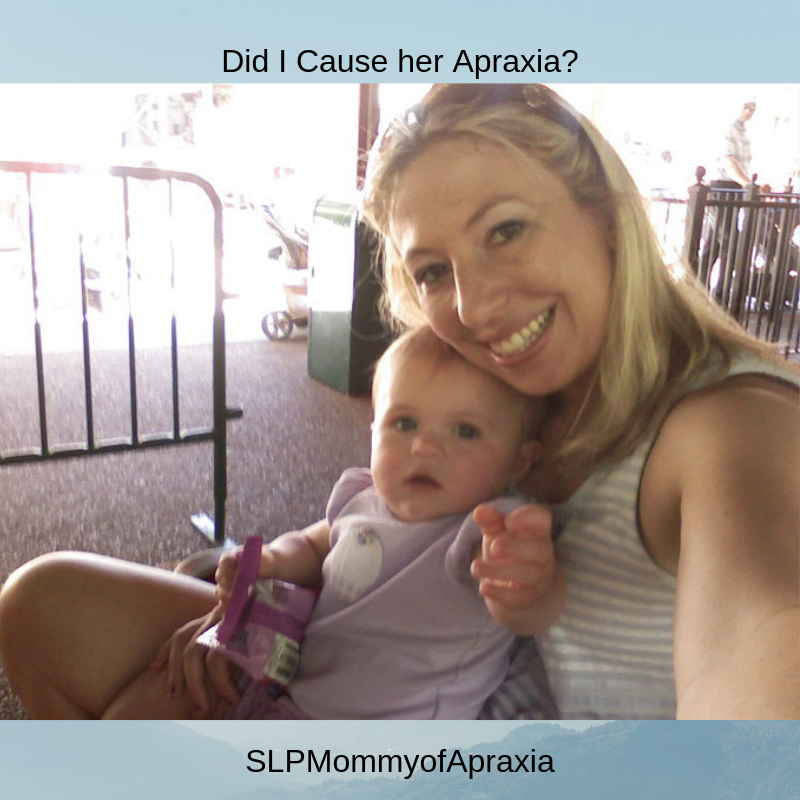
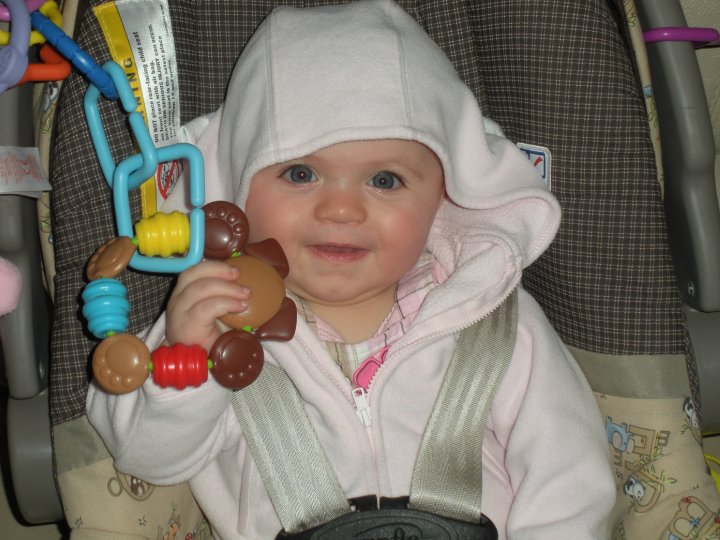
    I had no idea then, all the challenges life had in store for Ashlynn.  When I look at that picture, I see the instant connection a mother has to her child.  Our eyes are fixated on each other, and I know she trusted me to be the person to never give up on her.  I remember what an honor it is that Ashlynn chose me to be her mom, and I renew my commitment to never, ever, EVER, give up on her.

    I love you Ashlynn Kay.  Thank you for choosing me to be your mom.  I hope I never let you down.


  • A language disorder and my snub to the 30 million word gap

    A language disorder and my snub to the 30 million word gap

    There is a famous study done by Hart & Risley that is infamously named the “30 million word gap.”  SLP’s and educators are all taught about this study because the conclusions were that children in poverty who lacked experiences, access to books, and parents who talked to them using a rich vocabulary were at a significant disadvantage in terms of vocabulary than their peers.

    Never mind the study was culturally and racially biased, it completely undermines the fact that children with a true language disorder, regardless of race, religion, socioeconomic status, access to books, or whatever, will STILL struggle with language and vocabulary acquisition because they have an actual disability.

    It is commonly understood that children’s language is largely influenced by their background experiences. Being a mom to a child that has a language disorder is extremely isolating. I should be more specific.  Being a mother who has her masters degree in speech/language pathology and having a child with a true language disorder has been extremely eye opening and heart breaking.  The amount of judgement I feel from teachers and professionals is so tangible it can bring me to tears.

    In education, and particularly with reading there is this term called “background knowledge.”  Background knowledge refers to the knowledge a child has picked up either explicitly but usually implicitly through real life experiences.  For example, a child living in the arctic reading a book about Caribbean reptiles might have a more difficult time with comprehension on the topic not because they have a comprehension issue, but because they have never been exposed to warm climate reptiles.  Children with less exposure to experiences may lack background knowledge which may contribute to reading comprehension issues.  For example, I have never worked on cars, so if I’m reading a book about mechanics and fixing an engine, I am more likely to struggle with understanding the topic. However, if my dad was a mechanic and I was around cars all day listening to and observing car mechanic terms, a passage on cars will be significantly easier for me to understand because of my inherent “background knowledge” on the topic.

    I tell you all this to explain a “true” language disorder.  My daughter Ashlynn has a true and legit language disorder.  She has been exposed to books, been taught vocabulary both explicitly and implicitly by me, a speech/language pathologist, and she has had more experiences than many, many, MANY kids her age.

    Despite this, she recently took a receptive vocabulary test given by her private SLP and scored well below the average range.  When I expressed my disappointment, her SLP said the concepts are becoming more abstract.  Abstract refers to concepts that aren’t tangible.  In other words, it refers to concepts like “freedom” or “poverty.”  You can’t touch these things like you can a “lamp” “bed” or even a “microscope.”  I reluctantly agreed.  Yes, she’s older.  I can see how the words are becoming more abstract now.

    That is, until I looked at the testing protocol.  Words she missed?  I couldn’t stop shaking my head.

    River

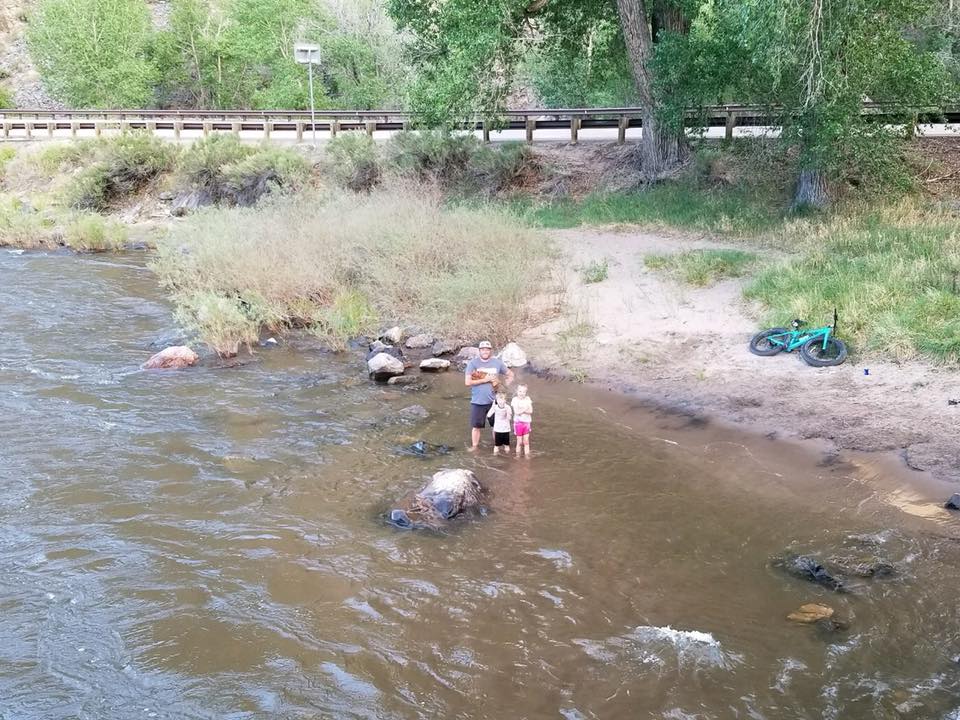
    Ok, that might be a hard word.  She’s a city girl after all and how many times is she by a river?  Unless you count that time two months ago where she went camping by a river bed and went white water rafting in a river.   River?? She missed River?  How was that possible??  We laughed just two months ago about how her puppy Pretzel ran head first into the river.  We walked to the river at LEAST a half dozen times on our camping trip and she missed…. river???

    Okay, maybe that was a fluke,  What’s next.  What else did miss?

    Vase

    Vase? As in the vase her dad just pulled out a week ago to put the flowers he bought me in?  The same vase she was looking at while remarking how beautiful my flowers were in it?  The same vase she helped fill with water so the flowers wouldn’t die? That?? That vase?  She missed VASE???

    Naw, it has to be fluke,  What’s next?

    Heart

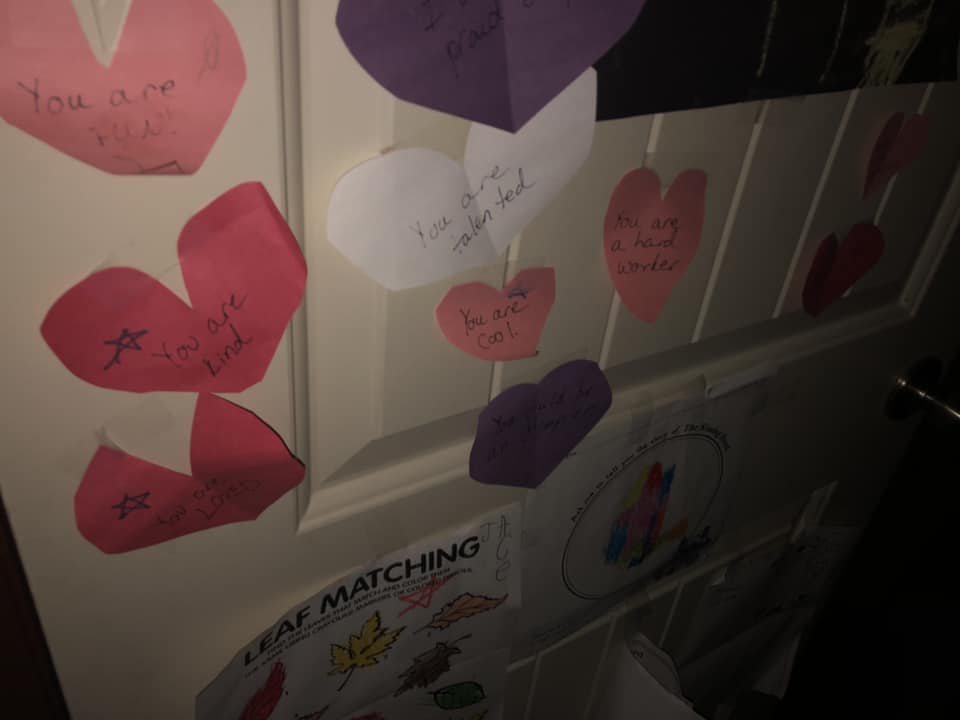
    She missed heart???  Heart?? Like the hearts that were placed on her door each day last Valentine’s day with a positive characteristic about who she is and what she does?  Heart, as in the candy hearts she loves to eat and read out of her Valentine bags? Heart, as in the shape that her younger brother Jace learned to draw before her and she lamented over saying she didn’t know how to draw a heart yet?  That same heart right??

    Let’s move on.

    Aquarium

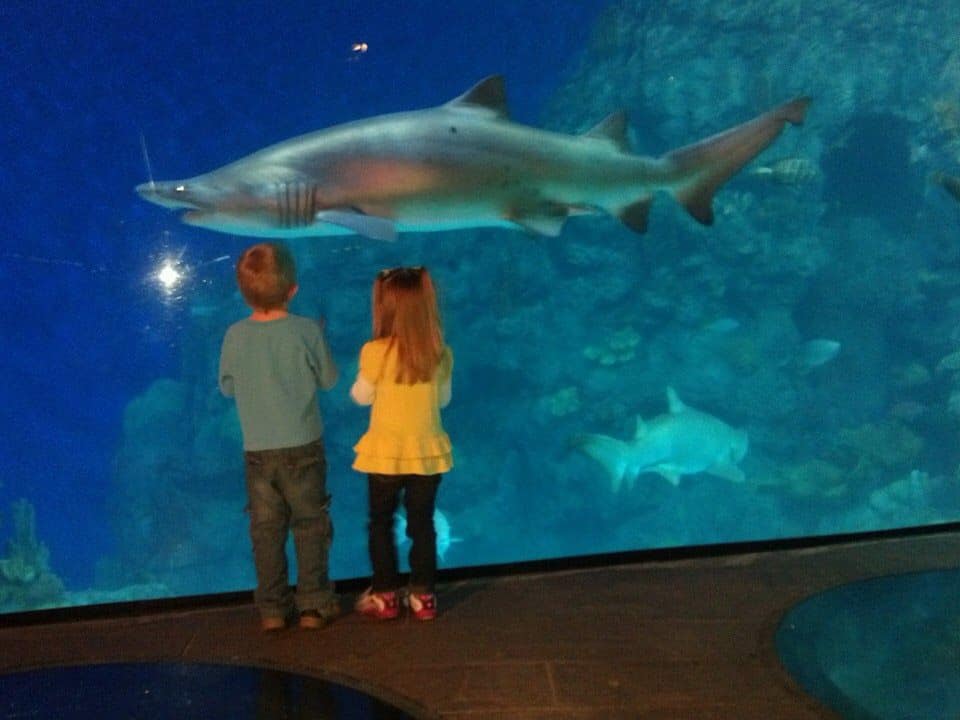
    Aquarium??  As in the Denver Aquarium she’s been to twice and pet the sting rays and taken pictures with the mermaids?  That aquarium?  Or, the multiple aquariums in Vegas where she watched the fish and awed at their majesty?

    Okay next?

    Flaming

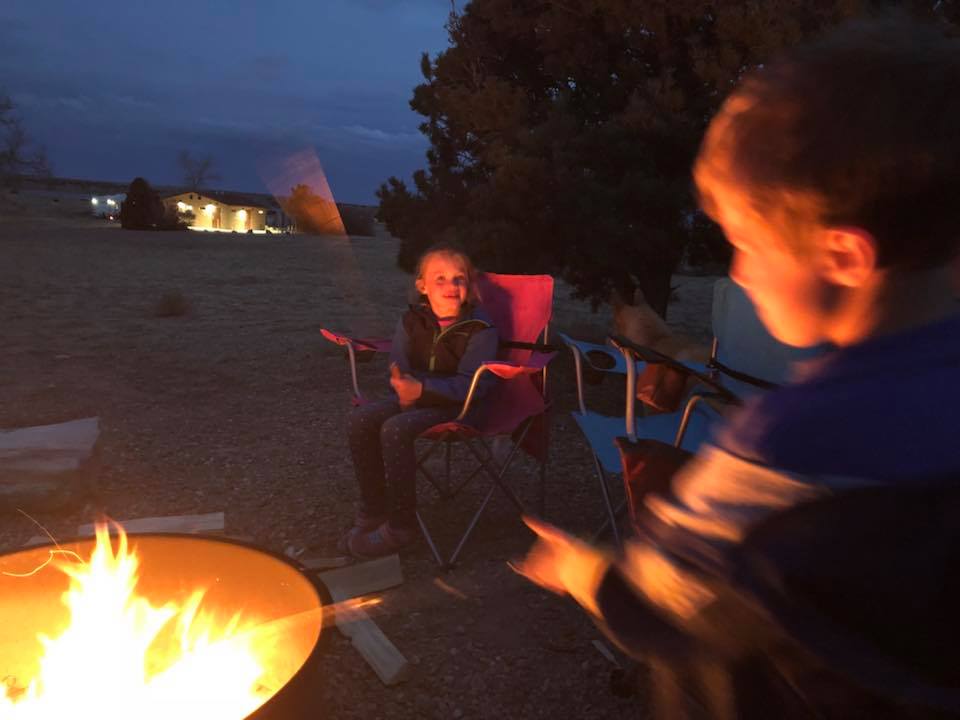
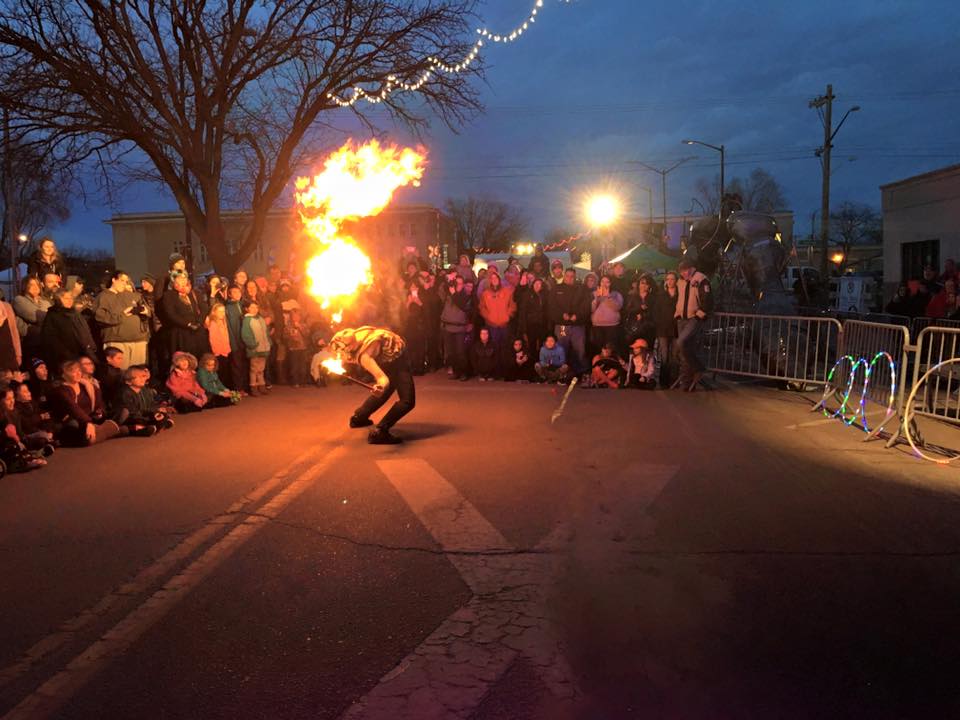
    Flaming?  Flaming as in the flames from the fire she has watched at least over 30 times on all the various camping trips she has been on in her nine years? Or maybe the flames the entertainer was spitting from the fire and ice show we attended a year ago?

    Canoe

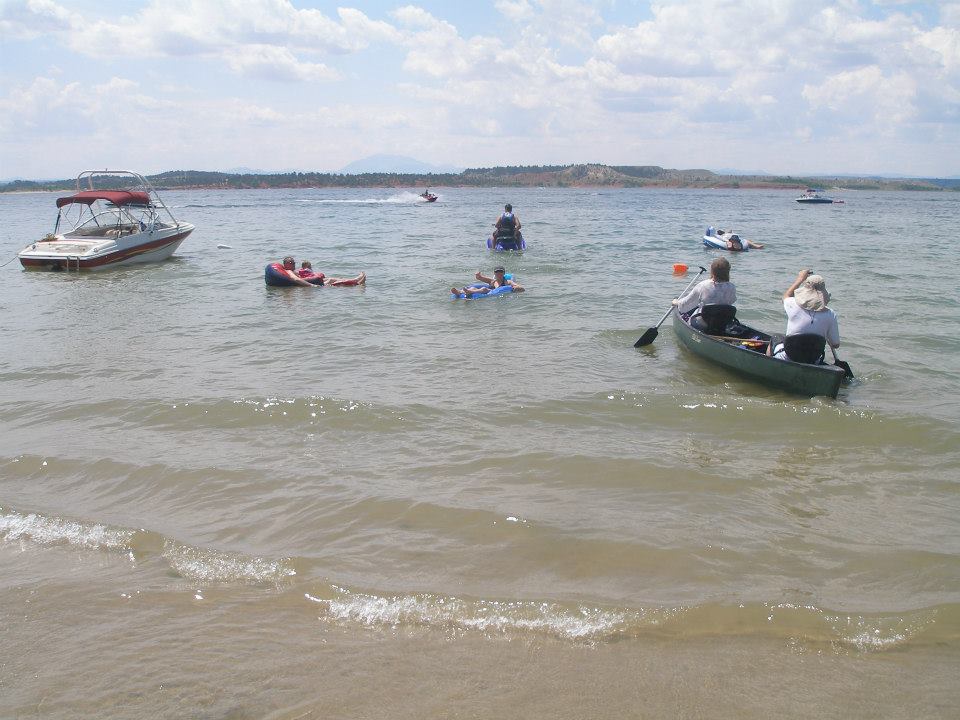
    Canoe?  As in the canoeing activity she has done now twice at a special needs camp called Adam’s Camp and reported it was one of her favorite activities?  Or the canoe her aunt has that she rode in and watched her Aunt and Uncle ride in on an annual camping trip we take every year?

    She missed…….canoe?

    THAT my friends, is a language disorder. She has not only been exposed to and experienced many of the concept vocabulary she missed, but she has also been taught explicitly this vocabulary by me, a Speech/Language Pathologist.  She has been read a book (at least) every single day of her life.

    Enough with the 30 million word gap.  It doesn’t mean crap when your kid has an actual language disorder.

    Enough with the judgement.

    Enough with the blame.

    Enough with the shame.

    My kid has an actual language disorder.  If my English speaking kid with an SLP as a mom has a language disorder, so can children from other monolingual or bilingual families. Stop the blaming.  Stop the assumptions.

    Let’s get more awareness and compassion and let’s recognize a developmental language disability, aka specific language disability aka mixed expressive/receptive language disability aka specific language impairment as an actual childhood developmental disability and not an environmental disability.


  • SLP’s integral role in the five components of reading

    SLP’s integral role in the five components of reading

    When I was younger and learned to read, I remember I was taught phonics.  I remember the phonics workbooks I had, and would read the rules at the bottom of the page for spelling.  It was all very systematic. Little did I know at the time, phonics was just one part of the five components of reading that can contribute to reading disorders.

    Today, a concept called whole language dominates our public education systems.  Not every school district or school uses this approach, but very many of them do and it is at a detriment to our children who have reading disorders.  Some critics go so far as to say whole language is “anti-phonics.”  I don’t believe it’s quite that extreme.  However, for kids who have reading disorders, the vast majority struggle with phonemic awareness and decoding, which a whole language curriculum is not even close to adequately addressing.

    I’m fortunate that when I started my career, Ashlynn’s SLP was very knowledgeable on the topic.  I had no idea that learning about the five components of reading before my child was even conceptualized would come back and benefit her some day.

    So, what are the five components of reading?

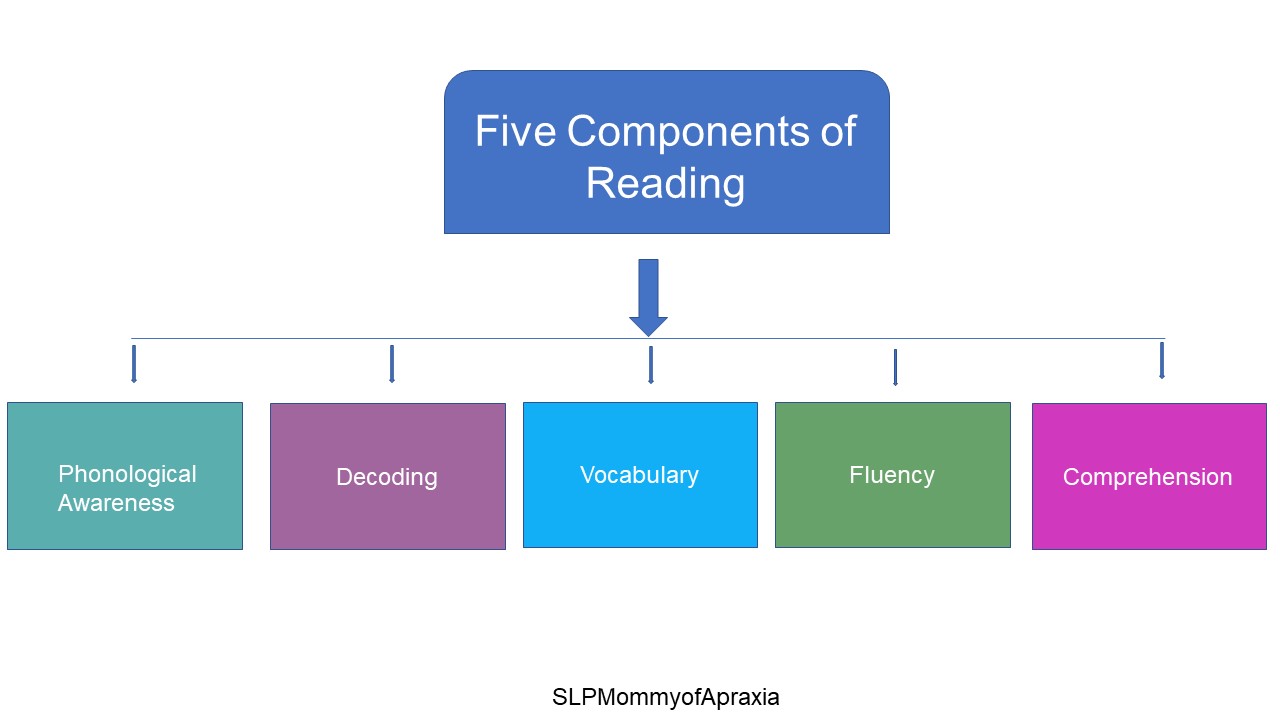
    They are: Phonemic Awareness, Decoding, Fluency, Vocabulary, and Comprehension. These areas were identified by the National Reading Panel that was convened by Congress in 1999. It’s very important that parents and educators are aware of these five components, because weaknesses in any one component can cause a child to struggle to read.

    Speech/Language Pathologists can play a big role in reading.  They are trained and certified to treat children with three of the five components.  A Speech/Language Pathologist can work on phonemic awareness, vocabulary, and comprehension.  This is why they are frequently on IEP’s when children have reading disorders.  It is very infrequent that the older school-aged child with dyslexia is seeing the SLP to work on their “sounds.”

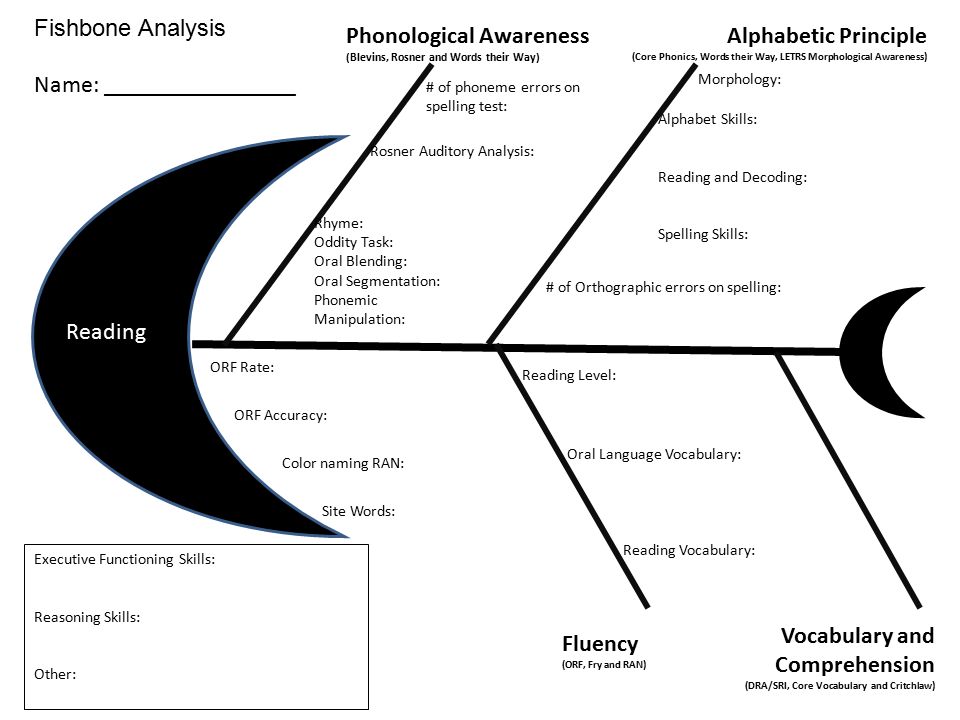
    Parents and educators all need to be aware and familiar with these five components if they want to help children effectively who are struggling to read.  During my time in Denver Public Schools, an excellent teacher advocated the use of a “fishbone” analysis when testing kids who were struggling to read.


    As you can see, it contains the five components of reading, and spaces to document a child’s performance in all five areas.  It could be possible to have a child who has difficulties in all of these areas.  However, more frequently a couple of areas usually stand out.  One area that is frequently a problem is with phonological awareness skills.  This can be tricky because elementary school children many times get identified with a reading disorder past the time that instruction with phonological awareness is taught.  Teachers jump right into reading instruction without realizing the child is lacking the basic building blocks for reading in the first place.

    So what is phonological awareness?

    Phonological awareness refers to a child’s ability to manipulate sounds out loud.  Tasks included in this umbrella might be to identify the initial sound in a word, blend sounds, segment sounds, identify the last sound in a word, or be able to identify and formulate rhyming words.  Logically it would make sense why this is a building block skill.  If a child can’t do these things out loud, it’s going to be very difficult to transfer these skills when looking at graphemes (letters).

    Phonics/Decoding

    Phonics refers to the actual act of sounding out words.  To do this skill, children need to have mastered knowing letters and letter sounds, and then be able to use this knowledge of letter sounds to “decode” a word.

    Vocabulary

    A child’s vocabulary many times affects background knowledge, which is important in reading.  If the words they are trying to read hold no meaning due to low vocabulary skills, it is going to be harder for them to understand what they are reading.  In addition, a child with weak vocabulary skills will have a harder time monitoring their comprehension when reading sentences.  I see this all the time as an SLP. An example of this would be if a child were to read the sentence “He saw the dog.”  Instead of “saw” he/she read “sam” and they would continue reading.  Many children without a language disorder would realize “He sam the dog” didn’t make sense and go back and try and fix the sentence so that it makes sense. Kids with language disorders have a very difficult time with this skill.

    Fluency

    Fluency refers to a child’s ability to read text accurately and quickly while maintaining good expression.  The ability for a child to read fluently helps with comprehension.  If a child’s fluency is slow and choppy, they may be allocating so much brain power to decoding that they are not monitoring comprehension. If a child lacks expression in their reading, this too can affect comprehension.

    Comprehension

    Comprehension is simple terms, means understanding what we read.  Kids with a mixed receptive/expressive language disorder or an auditory processing disorder frequently experience difficulties with text comprehension.

    What does this mean for parents?

    The bottom line for parents is that reading is a complicated process that has many components.  A deficit in one or more of the above listed components can cause a child to struggle when learning how to read.  Children with speech and language disorders are at high risk for reading disabilities. Being aware of all five components helps parents be more informed regarding treatment approaches and options their child may need to catch up in reading.

    This article contains information from the National Reading Panel’s Findings


    Laura Smith is a first and foremost a mom to two amazing children, one of which who carries a constellation of invisible labels including: Childhood Apraxia of Speech, dysarthria, SPD, ADHD, MERLD, dyspraxia, dyslexia, and cerebral palsy. She is a speech/language pathologist specializing in Childhood Apraxia of Speech following her daughter’s diagnosis.  SLPMommyofApraxia is her space to share her professional and personal experiences related to the complex but beautiful world of neuro-diversity and to spread a message of hope, positivity, acceptance, and kindness.