Category: learning differences

  • Growing up with CAS: Still achieving her goals

    Growing up with CAS: Still achieving her goals

    Today, as part of my growing up with CAS series, I am so pleased to welcome back Reagan Crabtree!  I first interviewed Reagan when she was still a teenager a little over THREE years ago!  A lot can change in three years! Reagan is currently double enrolled at a community college and a university studying broadcast journalism and political science.

    Hi Reagan!  Thank you for coming back!  I have loved getting to know you more over the years and hope one day we can finally meet in person! I’m very interested to know how college is going.  

    What are you studying?

    Communications and political science

    Do you have or need accommodations?  

    Yes, I have accommodations. Extra testing quiet room, recording device for note taking. I go to a support room to do my tests. I still struggle with taking tests in the other room. I look up and around when I hear a sound.

    Since I haven’t talked to you since before you graduated high-school, can you tell me about your high–school graduation?  Who was there and what was the day like?

     It felt so great to look back on my journey and see how far I have come from when I started school.

    I know you are a huge advocate not only for apraxia, but for disabilities in general.  Can you tell me what your big dream is?

    To work on the Today show behind the senses and show people how children that have dreams can also achieve them.

    You recently participated in the Rose Bowl Parade on the Easter Seals float!  Can you tell my readers a little more about Easter Seals and how they have helped you?

    Easter Seals supports me with school and helping me talk to teachers. If I didn’t have Easter seals I would not be where I am today. I my fourth year of college working hard to achieve my goals.

    Despite so many challenges, you always seem to remain positive and upbeat.  What advice do you have for others in your situation who want to give up?

    Don’t give up and get supports that can help you in college.

    My final question is, what inspires you?  

    Karen Myers because all work in journalism being deaf from birth inspires me everyday to become I journalist. To show others that people with disabilities can do it. It might be hard but we can still achieve our goals!

    Thanks Reagan for coming back and updating us on your journey!  I just know you are meant for bigger things! You and I are huge advocates for neurodiversity, and there is such a need for more disability stories if we want a society that is fully inclusive for people of all different abilities!   I look forward to watching your continued journey and success!


  • Top Ten SLP Mommy of Apraxia Posts for 2018

    Top Ten SLP Mommy of Apraxia Posts for 2018

    Hi readers!  I haven’t been as active on the blog as usual because my goal for 2018 was to write a book and I’m happy to say I completed that goal!  My goal of 2019 is for it to be published, so we will see!  In the meantime, I did manage to get some blogging done and here are my top 10 posts for 2018!  Thank you so much for your support and your love throughout the years.  It truly means so much.

    1. The Problem With School SLP’s

    A

    2. Interview with Mikey: The Wish That Turned Into a Passion

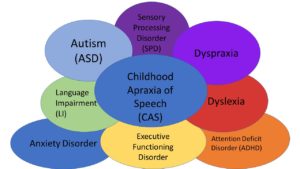
    3. Apraxia as a Symptom to a Bigger Picture

    4. Strategies to Promote Speech and Language in the Pre-Verbal or Minimally Verbal Child with Apraxia

    5. This School Year, Teach your Children to be Kind

    6. Finding our Umbrella

    7. Good SLP’s are Addressing the Head in the Hands

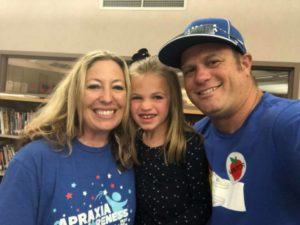
    8. The 6th Apraxia Awareness Day Brought Smiles, Tears, and a Jaw Dropping Moment

    9. Report Cards are Bitter Sweet in Special Needs Parenting

    10. Old Faces, New Faces, and the Passing of the Torch

    Cheers to an eventful 2018.  It was a year full of pain and happiness, love and sorrow, and hope and despair.  May we all remember that life can be intensely beautiful and irreparably sad all at once, because that my friends, is the definition of living.

    This 2019, I wish you all the gift of perspective in life.  We all have bad things happen.  We all have stress and we all have pain.  We also all have a choice, and that choice is to wake up each morning with a grateful heart and to focus on our happy and joyful moments rather than be sucked into the pain of despair and heartache.  There was a time Ashlynn’s dx seemed like the darkest event in my life, but I realized it was the beginning of my testimony to some of the most beautiful characteristics this human life affords us.  May God bless us all this year and always.
    Love and Peace,

    Laura

  • Disabilities, extraordinary abilities, and lessons in neurodiversity

    Disabilities, extraordinary abilities, and lessons in neurodiversity

    Neurodiversity and learning disability were never in my vocabulary before I had my daughter.

    I had never been exposed to learning disabilities of any kind really, and I had no idea the extraordinary gifts those who are neurodiverse had to offer this world.

    No, when I was in second grade, I was in my egocentric world and our teacher had us write “a book.”  It was a short story and we were to write on the typical school paper that has a box at the top to draw an illustration and then lines at the bottom to write the story.  Writing was always my thing.  Art….was……not.  I usually skipped the picture and went straight to writing.  In my defense though, I never technically had an art teacher.  However, even if I had, I’m sure I would have still been that defiant snotty little girl who turned up her nose at art.

    During one edit, the teacher told me the book was great but I needed illustrations.  I argued with her.  Her job wasn’t to teach me how to draw, her job was to teach me how to write.  Drawing was for the kids who didn’t know how to write and I knew how, so what did it matter anymore?  Did I mention I also went to a Catholic school, so I was marked down automatically for being sassy?  I never pulled that again, but it didn’t stop me from internally rebelling against drawing.

    “When will I EVER need to know how to draw as an adult?” I indignantly exclaimed to my mom.

    My Catholic school teacher had the last laugh though when I became a speech/language pathologist and discovered I needed to know something I didn’t know how to do.  You guessed it.  Draw.

    “What is that?  Is that a dinosaur?” one kid would ask of my drawing of a horse.

    “That’s supposed to be a bird?” another asked of my drawing of an airplane.

    Yes friends.  That sassy, know it all second grade girl started wishing she had paid more attention to art.

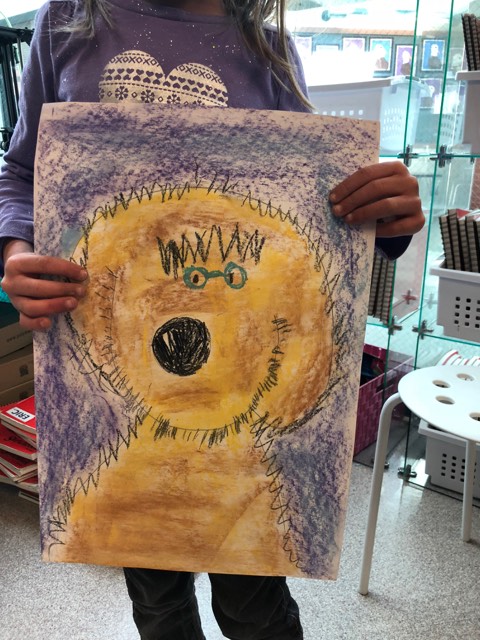
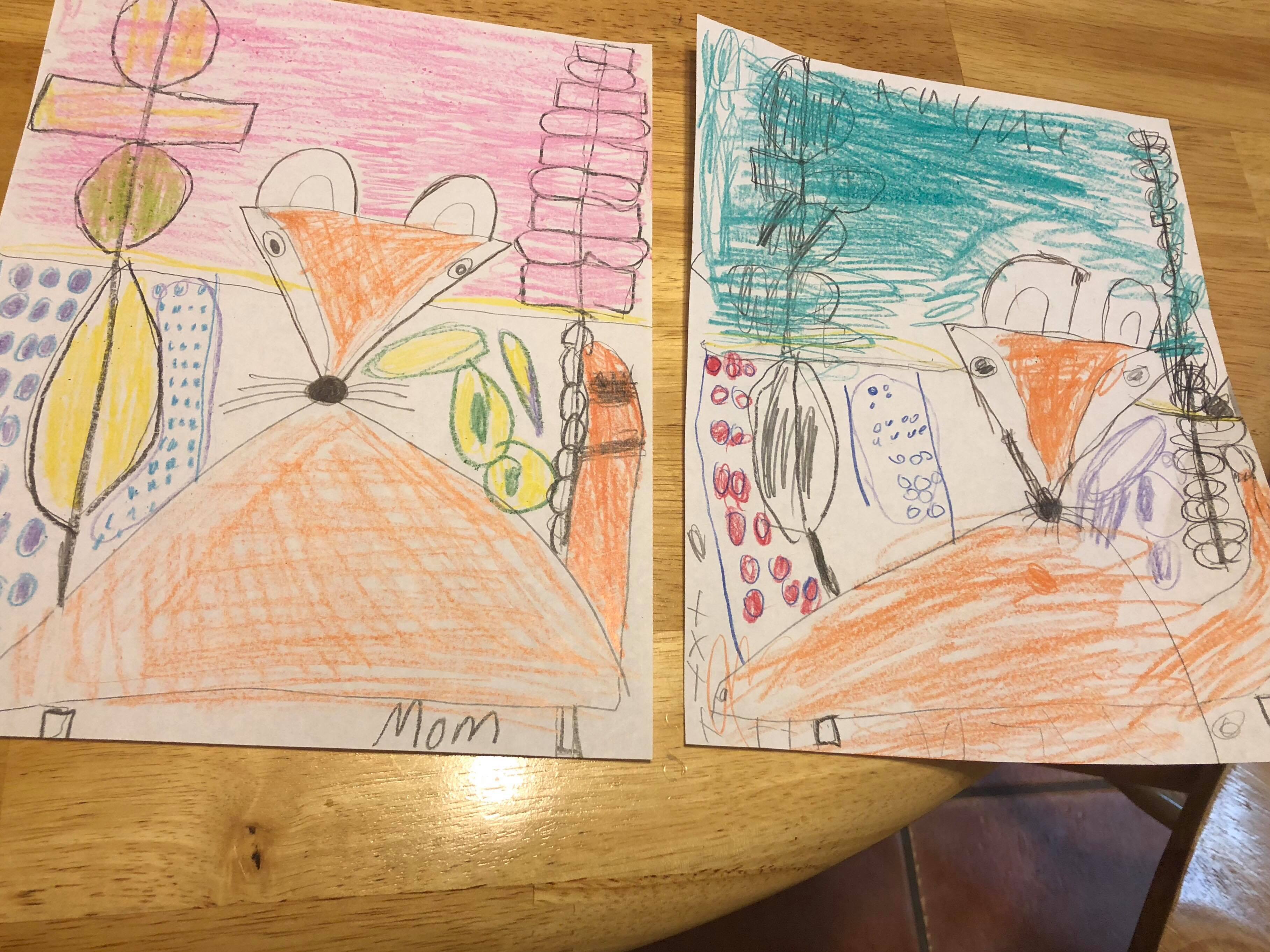
    Fast forward 30 years and I have a little past second grade daughter myself.  She has a laundry list of learning disabilities, many stemming from an etiology in motor planning and cerebral palsy.  Everything for Ashlynn seems hard.  She has had to fight and claw her way to learn anything through hours and hours of therapy.  I’m not kidding.  In Elementary school, she started coming home with art pieces from art class that were nothing short of amazing.  They were so amazing, it was sadly hard for me to believe that she did them without help.  However, her art teacher maintained she taught all the kids in a very structured way, giving them multiple opportunities for practice (think motor planning) before completing the final piece. This was Ashlynn’s best one from last year.

    Despite this, Ashlynn had never demonstrated to me independently she could draw even remotely close to this on her own.

    That was, until tonight.

    “Mommy, do you know how to draw a fox?” Ashlynn asked me tonight at dinner.

    “Oh baby, I don’t really know how to draw much of anything,” I answered while my husband snorted his drink out his nose in laughter before adding,

    “That much is true!  Mommy is not an artist.”

    I shot him an evil glare but unfortunately there was no denying the truth.

    “Can I teach you how mommy?  I learned how to draw a fox in art?” Ashlynn offered.

    I agreed and after dinner she had gathered paper and coloring utencils and set to work.  I really wasn’t sure what to expect.

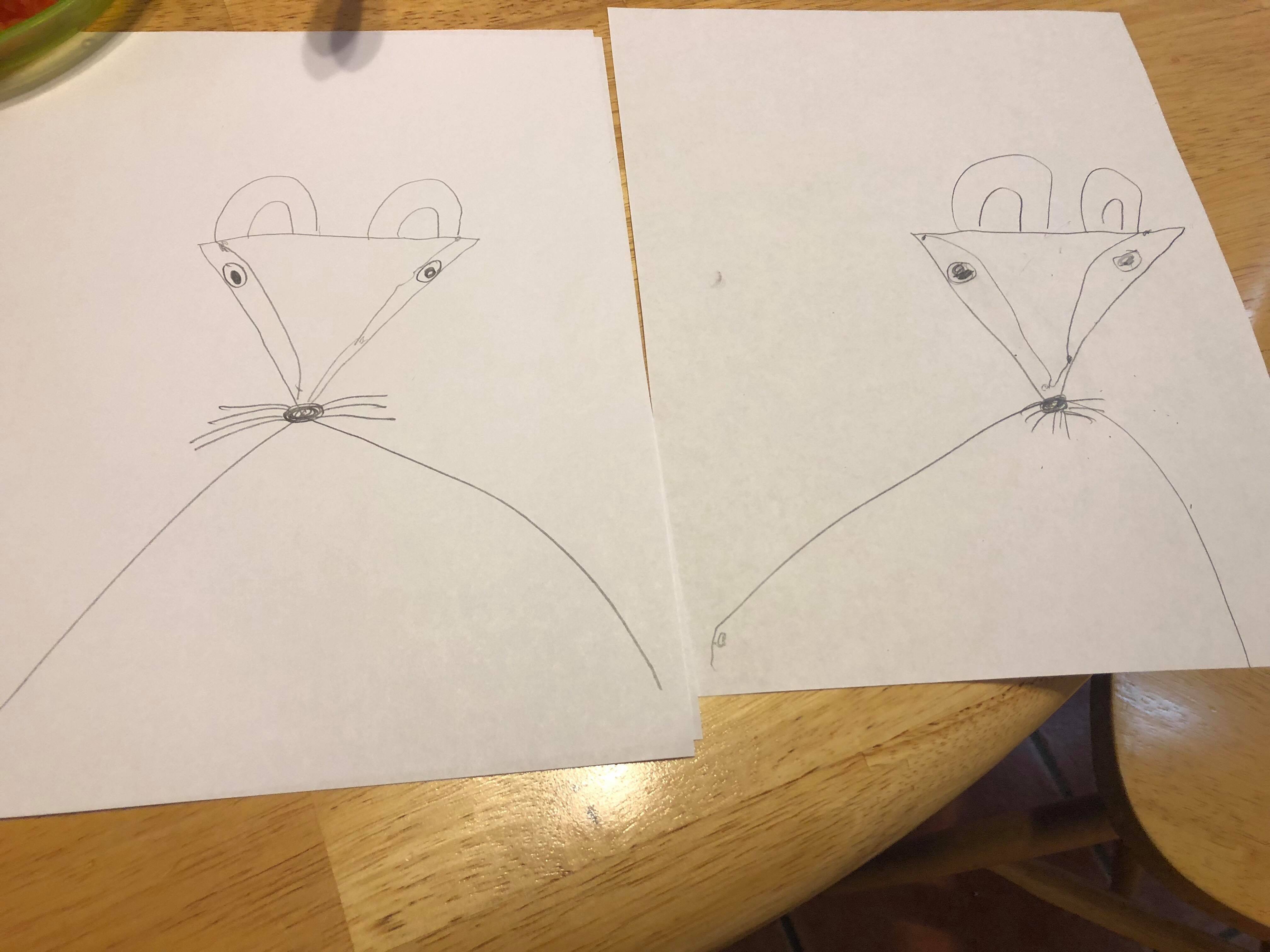
    “Put your fist in the middle of the paper like this, and now draw a line across the top,” she instructed.

    I complied.

    “Now connect this line to this line and see?  We made an upside-down pizza,” Ashlynn continued.

    I looked at the perfect triangle and my mind raced back to three days earlier at OT where the therapist told me Ashlynn’s hardest shape to draw is a triangle because of the diagnal lines. I stared incredulously again at Ashlynn’s perfect triangle.

    “Mom!  Are you paying attention?”

    She then took me in precise detail through the rest of the picture.

    I was impressed by this.

    “You are such a great teacher Ashlynn,” I said.

    “I know mommy because I want to be a teacher you know that.  A teacher and a dog walker because that’s my deal.”

    I smiled.  She just produced a compound complex sentence.  This girl with apraxia and a language disorder just said that.

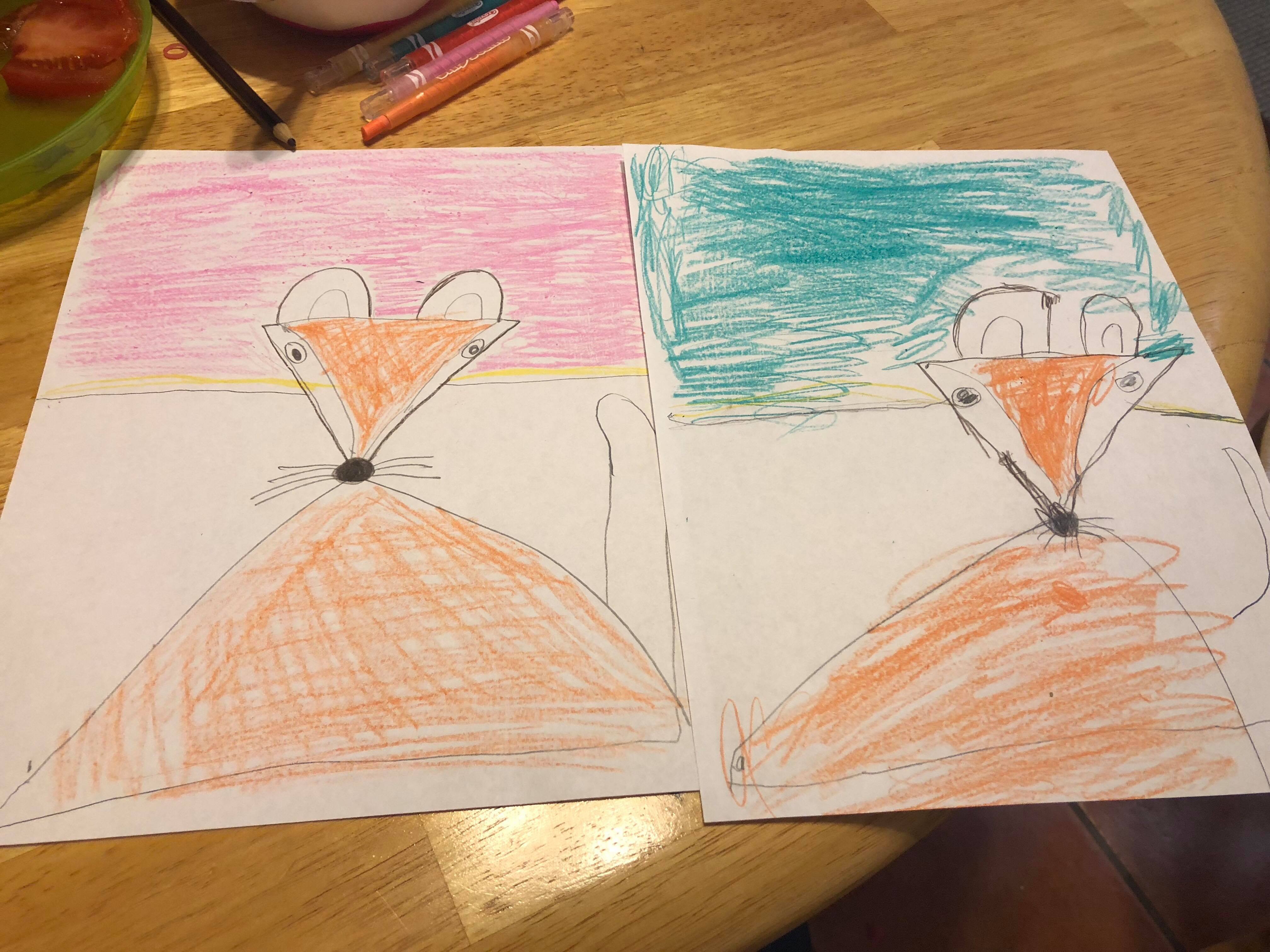
    Next was the colors.

    I fought back tears.  This was incredible.  I watched her color the page with her wrist fluidly and precisely moving back and forth and my mind flashed back to when her OT told me that until she is able to isolate her wrist from her arm, she would always have trouble coloring within the lines.  I marveled at her wrist now.  Isn’t that crazy?  What mom would marvel at their child’s wrist and control unless they had witnessed how hard that skill was to master.

    Next was texturing and drawing the trees.

    She used these terms I had never heard like “we have to jump and bump.”  I followed along dutifully.  At the end of her lesson I praised her.  It was incredible.

    “But Mommy, we aren’t done!” she said as she got out two new blank pieces of paper.

    She told me we had to write about them.

    Write?  Like actually write?  This girl with motor planning, dyslexia, and dysgraphia now wanted to write about the fox?  She began writing but immediately messed up her spelling. As she peered over at my page that she had dictated, she decided to just copy my sentence. I watched her form the letters as she had been taught and practiced throughout her years of OT and copy my sentence. There was a time, she couldn’t even copy her name, I thought to myself.

    “Sorry, mommy, ” she said, “I can’t write really good yet.”

    I responded, “That’s okay, because I can’t draw very well.”

    “But I can teach you!” she said happily.

    With tears in my eyes I told her,

    “If you teach me how to draw, I’ll teach you how to write.”

    “DEAL!” was her enthusiastic response.

    So that’s the deal.

    Thirty years later my art teacher was a 9 year old girl with cerebral palsy, severe motor planning deficits and a laundry list of learning disabilities whose greatest wish in the world is to be a teacher.  Little does she know, she already is.


  • 1st Day of 3rd Grade

    1st Day of 3rd Grade

    My dearest Ashlynn,

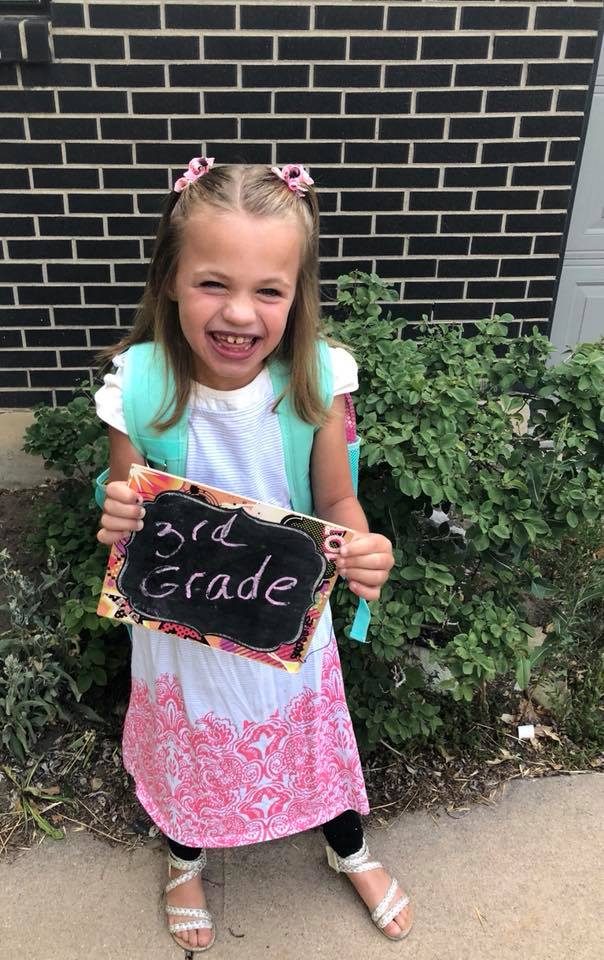
    Your courage amazes me daily.  It inspires me and pushes me beyond any limit real or imagined.  Today was your first day of 3rd grade.  You have been waiting for this day since the last day of 2nd grade.  Actually, quite possibly since the first day of 2nd grade when you told me,“After 2nd grade you I will be in 3rd grade!”

    I emphatically responded,

    “We need to make it through 2nd grade first!”

    We bought you a new backpack, new outfit, new shoes, and you got a new haircut.  Two out of the four items went as planned.  The backpack and new shoes went off without a hitch.  The other two? Well Ashlynn, it’s just not our style to have a few hiccups is it?

    Getting a new haircut is always an adventure.  Your dyspraxia, ADHD, SPD, and receptive language issues make following specific commands somewhat challenging don’t they?  I stepped in to help guide your head where it needed to go so the stylist would stop reminding you of how hard it was for you to follow those simple commands.

    Then came the new outfit.  We picked it out together!  I didn’t think we needed to try it on because I know what size you are and I was sure it would fit.  Last night we hung it up on your dresser anticipating the first day of school! However, this morning when you went to put it on you were more confused than ever.  I came into help and realized I had bought you a romper! That flowey material fooled both of us didn’t it!!  I could have sworn it was a dress.  A romper though?  Yeah, not a friend to the girl who has dyspraxia.  I apologized and offered other options in your closet.  We chose a pretty sun dress you hadn’t worn much, but I still felt bad.

    You took it in stride though!

    All morning you were jumping up an down and excited to go to school and I marveled at you.  School is so hard for you.  Last year you came home with bloodied shirts or completely different shirts because you had so thoroughly stained yours from picking your finger nails.  Almost every assignment you completed you struggled in, and many times you ate and played alone.  How on Earth were you excited to go back to that?

    Three days before we saw an ex client of mine who is your age.  Her apraxia is resolved and she has residual learning disabilities.  She told us how she didn’t want to go back to school because she was bullied and you sat there un-phased.   I thought to myself if I were in either of your shoes I would feel like my client; yet I was so grateful you are you.

    You have a strength and internal resolve I am working towards.  You have courage and resiliency I have yet to conquer.  Where my instinct is to run back your instinct is to jump forward.

    I am inspired by you.  I am always going to be here by your side.  I’m going to love you, but I’m going to push you.  I’m going to do everything in my power to help you obtain the tools you need in order to live life on your terms.

    It took me many years to believe and even more to practice this simple advice:

    Heck it takes grown men and women to follow this advice, and let’s face it.  Some die before they ever follow this advice at all. YOU embody this.  YOU are a living testament to this.

    Pursue it all Ashlynn!  I’ve always got your back and I’m your biggest fan!

    Love,

    Mommy

  • This school year, teach your children to be kind.

    This school year, teach your children to be kind.

    Fresh backpack, lunchbox, shoes and school outfit are waiting tomorrow for my child’s first day of school.  There is an excitement in the air as we bought school supplies and met her teacher last week.  She picked out her name tag like the other kids and picked her seat.  She flashed a big smile to her new teacher and chattered endlessly about school starting again and how she was excited to go back and to learn.  We went and got a new haircut and she told the stylist how she was starting third grade.

    Tomorrow I will take the historic first day of school picture. I will probably proudly post it on all of my social media accounts.  I will most likely scroll back and look at it a couple of times and wonder where my baby has gone.  I will marvel at how this school aged girl with long legs is standing on my front porch.

    That is where the similarities will end.

    As many parents cheer and are relieved to get back to a routine, I’m left with only nerves and trepidation.  The summers in my house are happy.  My daughter is a child who can explore the outdoors and experience life as a carefree and curious kid.  She plays with neighbor children until bedtime and explores campgrounds on the weekend.  She makes mud pies and collects dirt under her fingernails that need to be clipped and scrubbed frequently.

    Unfortunately school brings other stories.  The child who played carefree until bedtime with neighbors is the same child who is frequently seen sitting with her teacher’s aid (TA) at lunch and playing by herself on the playground.  The fingernails that grew long and collected dirt over the summer are replaced with widdled down nubs during school that are bit, picked and chewed so much that her shirts frequently come home bloodied or on some really bad days, have to be changed completely.

    The girl who chatted endlessly to family and friends is the same girl who is quiet and reserved at school, frequently clamming up when put on the spot or asked a direct question.

    The child who could explore during the summer and jump from varying activities is the same child who frequently loses focus and can’t concentrate on subjects at school.

    My child has invisible learning disabilities.

    Many of them.

    However underneath them, she is still just a kid like your son or your daughter.  She is curious.  She is friendly.  She wants friends.  She craves connections.  She’s excited to learn.

    This year as you talk to you children about their new teacher, new classroom, and new adventures, I beg you to talk to your kids about being kind.  I beg you to explain to your child that children with disabilities are just like them, but it might take a little longer to understand or get to know them.  If nothing else though, please just teach your children to be kind.  Maybe ask about something they did that was kind alongside your questions of who they played with or what they learned.

    Our kids will thank you for it!

    Sincerely,

    A proud mama to a child with hidden disabilities

  • Executive functioning home intervention

    Executive functioning home intervention

    Let’s talk executive functioning.  If you follow my facebook page SLPMommyofApraxia (click here), you already know we are making our house an executive functioning friendly zone and you might have read a prior post I wrote a  “What is Executive Functioning, and Why Do You Need to Know?”

    What does an executive functioning friendly zone mean exactly?  I decided to put all of it into a post so you can see and hopefully help others who may have children with similar issues.

    Before I begin, I just want to say this:

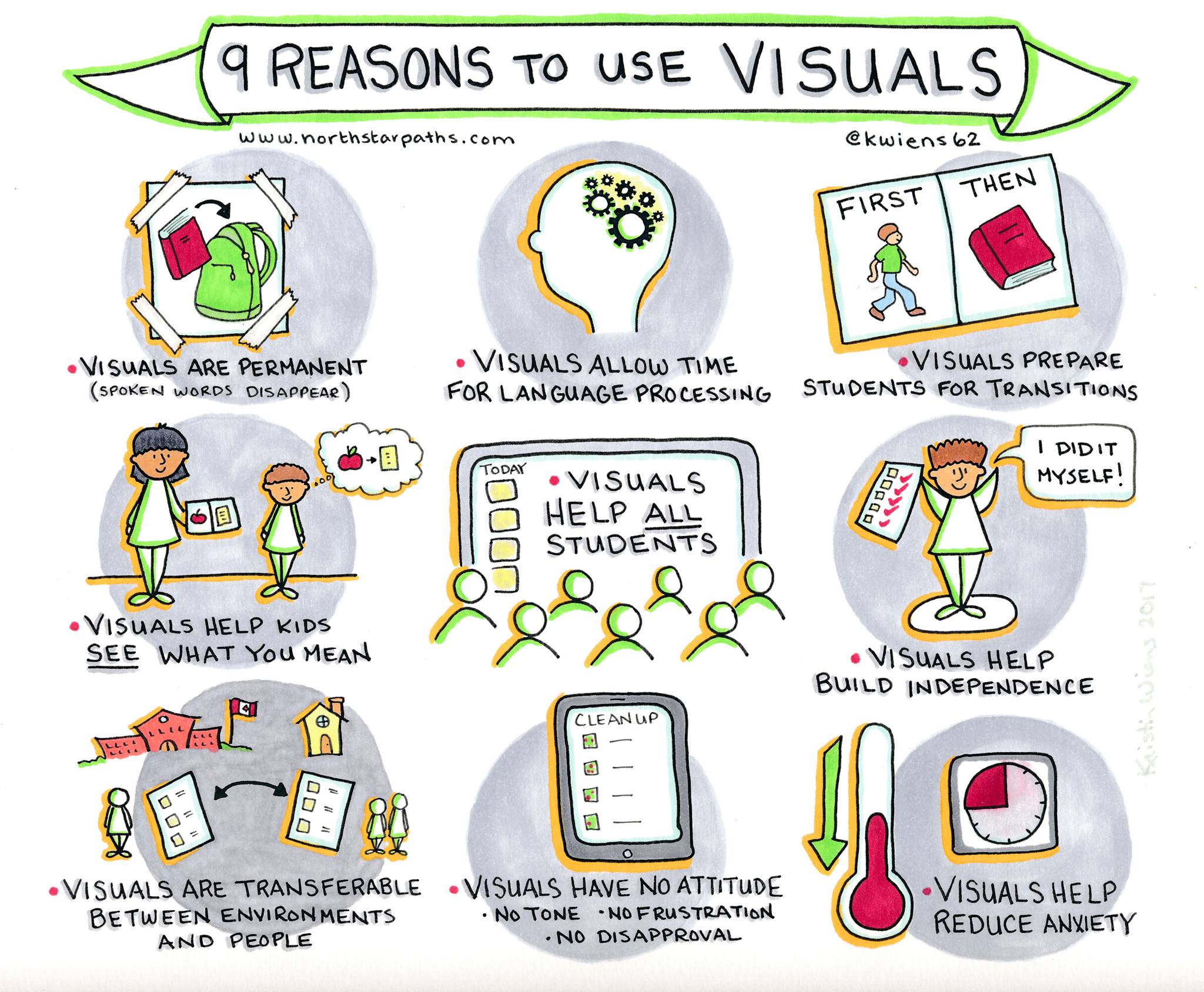
    Children with learning differences, many, many, MANY times benefit from the use of visuals.  There have a been a handful of cases in my career where visual aids actually confused the student more; but for the most part, visual aids benefit everyone.  This visual from northstarpaths really explains why:
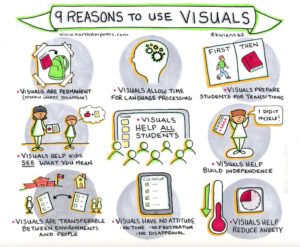
    Executive functioning (EF) deficits are a common comorbidity with a variety of conditions including: ADHD, OCD, ID and others just to name a few.

    Visuals are AMAZINGLY helpful for children with EF dysfunction.   The problem is, most teaching involves auditory input.  The teacher (or parent) talks, children listen, and learning takes place.  For kids like my daughter, who have a language processing impairment, the teacher (or parent)  talking is basically the equivalent to the teacher in the Peanuts comic series.  All the children hear are “wah wah, wah wah wah wah.”

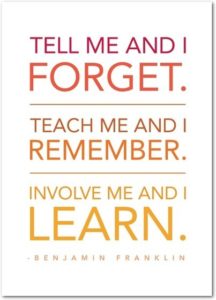
    Visuals bridge the gap.  I couldn’t say it better than Benjamin Franklin, who himself had a learning disability when he said,
    Aside from just visuals though, kids with EF dysfunction benefit from organization and time management strategies.  The following is what we currently have implemented in my home.

    Morning Routine

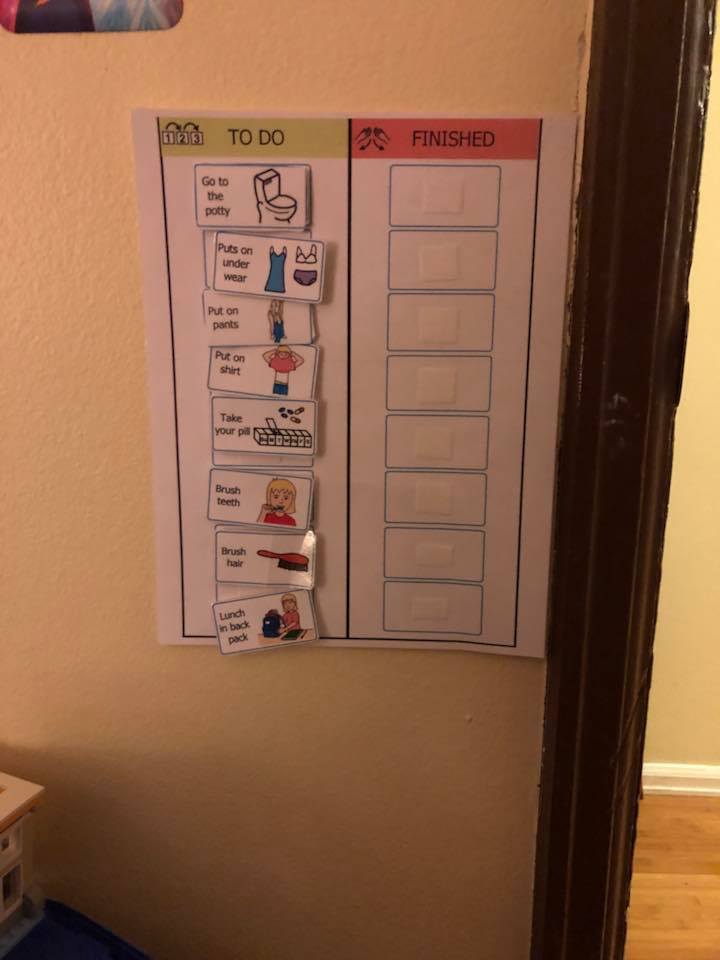
    The most recent example from my personal experience involved the steps to getting ready for school.  If I told Ashlynn what to do, she immediately forgot or I had to go through step by step and tell her, which is not promoting independence.  With the help of her SPED teacher, we made this visual schedule and she was successfully completing all of her steps without our help in about two weeks.
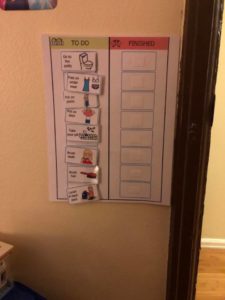
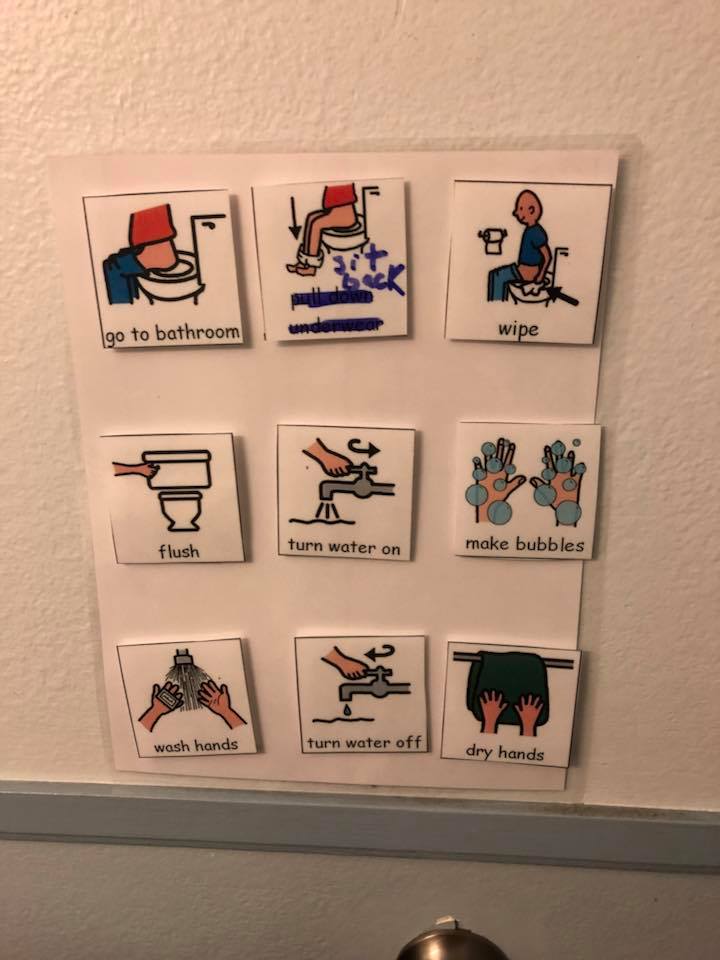
    Restroom steps

    We decided to make a visual schedule for completing bathroom steps.  Let me tell you that we have been working on remembering these for AT LEAST a year.  Last year in 2017, I sent her to Adam’s Camp and remember telling the therapists she can say all the steps but still is not consistent.  After Adam’s Camp she came home being able to sing them as well, and still, we could not get consistency.   So we made a visual schedule a little different than her morning schedule and it looked like this.
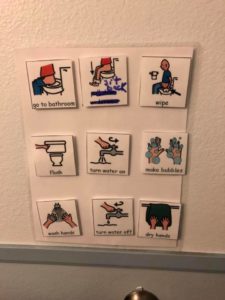
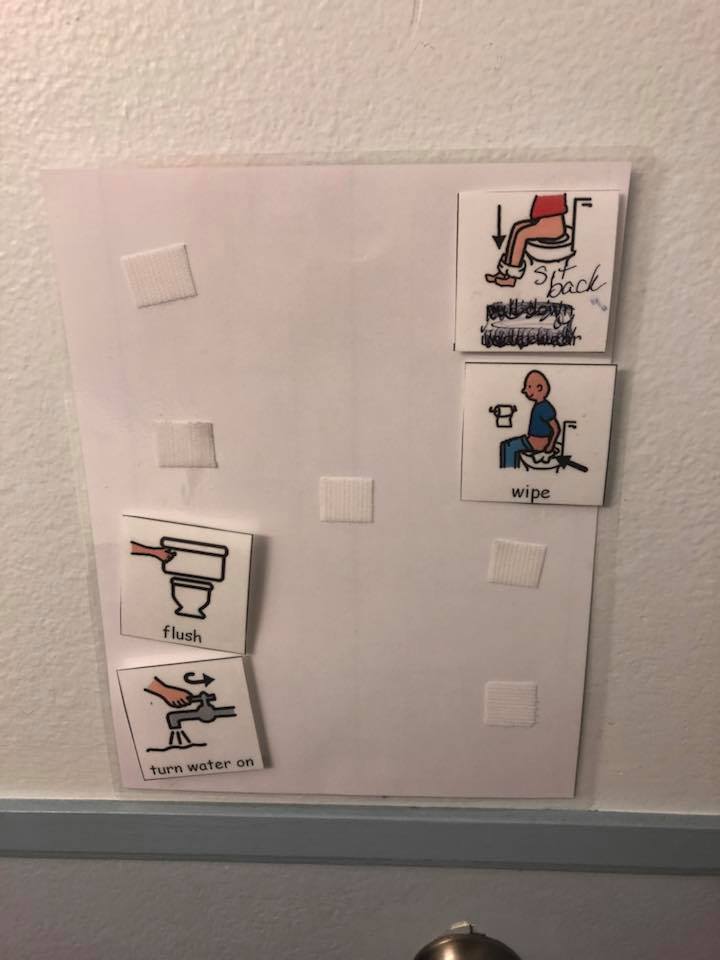
    This was NOT successful.  It probably has too many steps and it doesn’t have the nice left to right motion the morning schedule this, so I modified and made this.
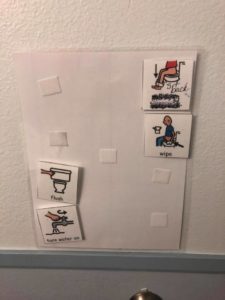
     

    I’d be lying if I said this was a complete success right off the bat, but it has worked better than any other strategy to date and now that the summer has hit, we have made sure she has to go back and complete her steps every single time.

    Cleaning her room

    The next step was to tackle completing a basic chore like cleaning her room.  I can’t even begin to explain the difficulty with this.  What I do know, is that many adults with ADHD continue to struggle with disorganization into adulthood.  It behooves us now to help our kids develop strategies that are going to serve them well throughout their lives.

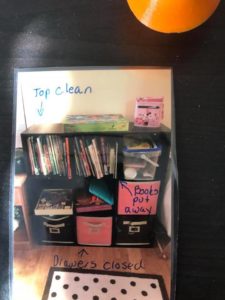
    The first step is to make sure everything has a place.  Classrooms are set up this way for a reason.  There is a specific space for each and every item that is used or played with in a classroom.  If not, things will inevitibely end up in a pile of clutter.  Ashlynn and I went through her room and designated certain drawers and bins for different things.  Everything has a spot.  There is a bookshelf, a lego bin, a writing utencil drawer, a baby clothes bin, you get the idea.

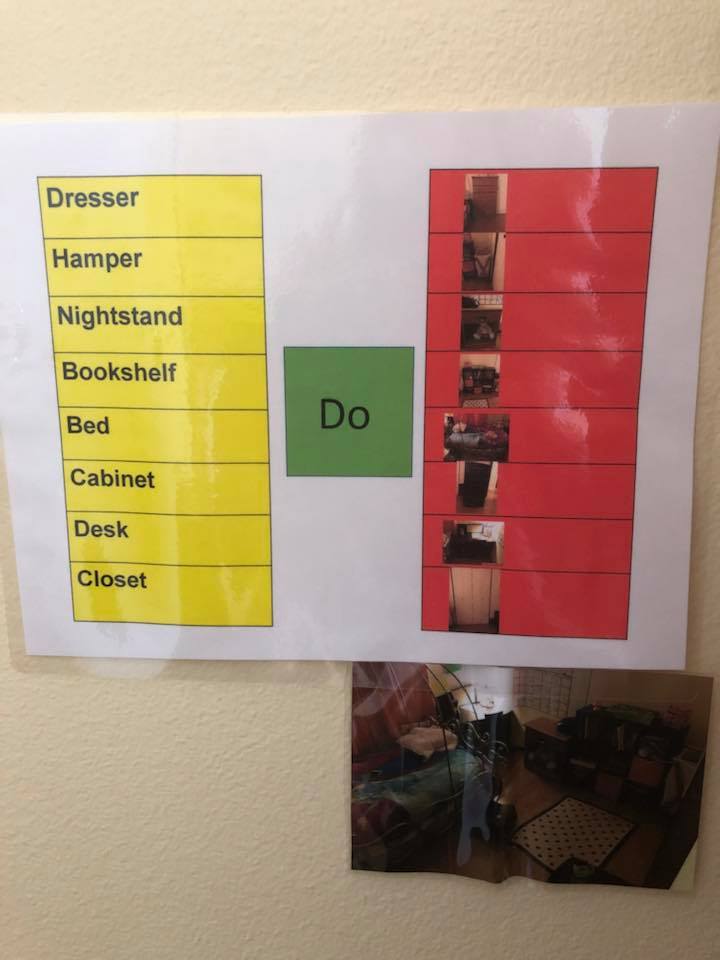
    I then created a visual schedule of each piece of furniture that she could check off as she went about her cleaning routine.
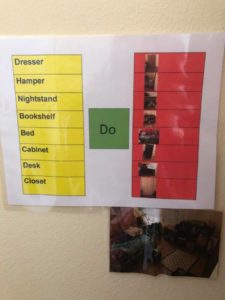
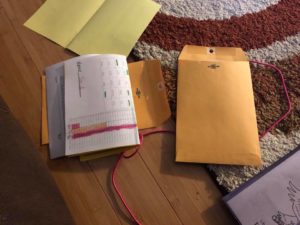
    I know it’s hard to read, but basically each furniture item is listed on the left, with a picture representation on the right of what it looks like done.  The picture on the bottom is a grand finale picture of what the entire room should look like clean after completing all of the steps for one last check.

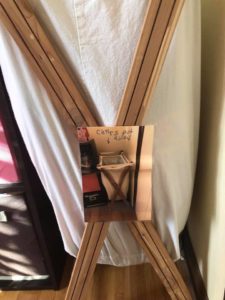
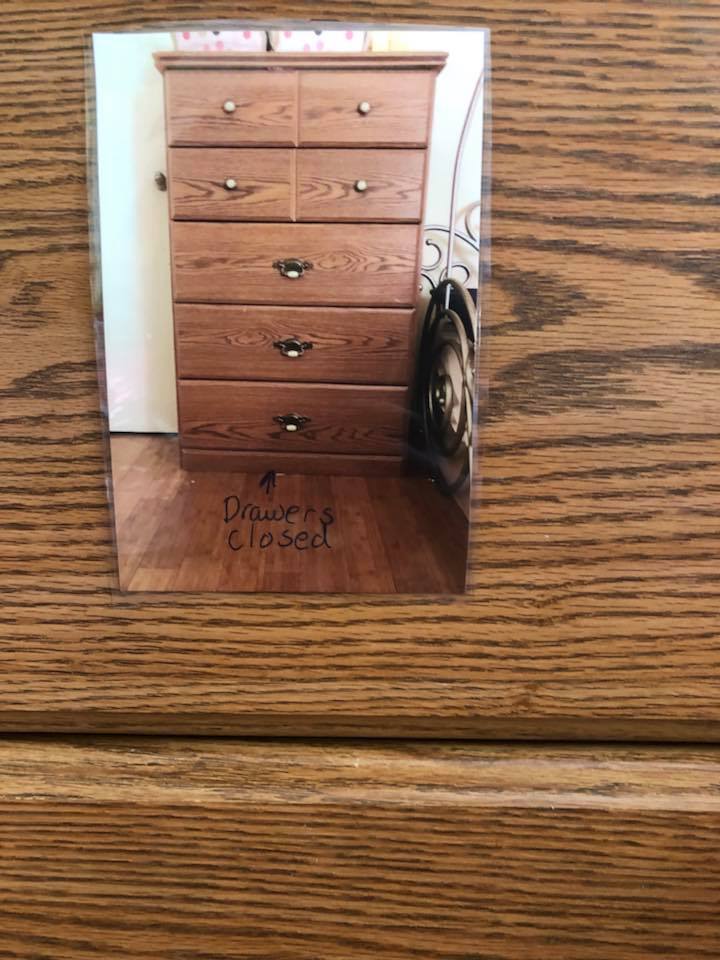
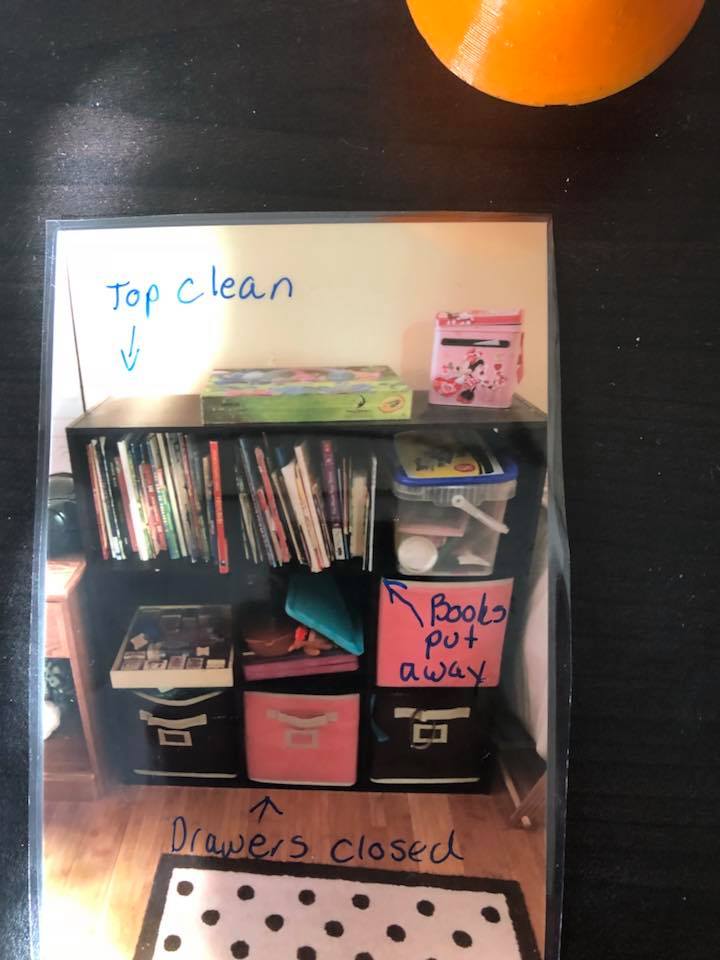
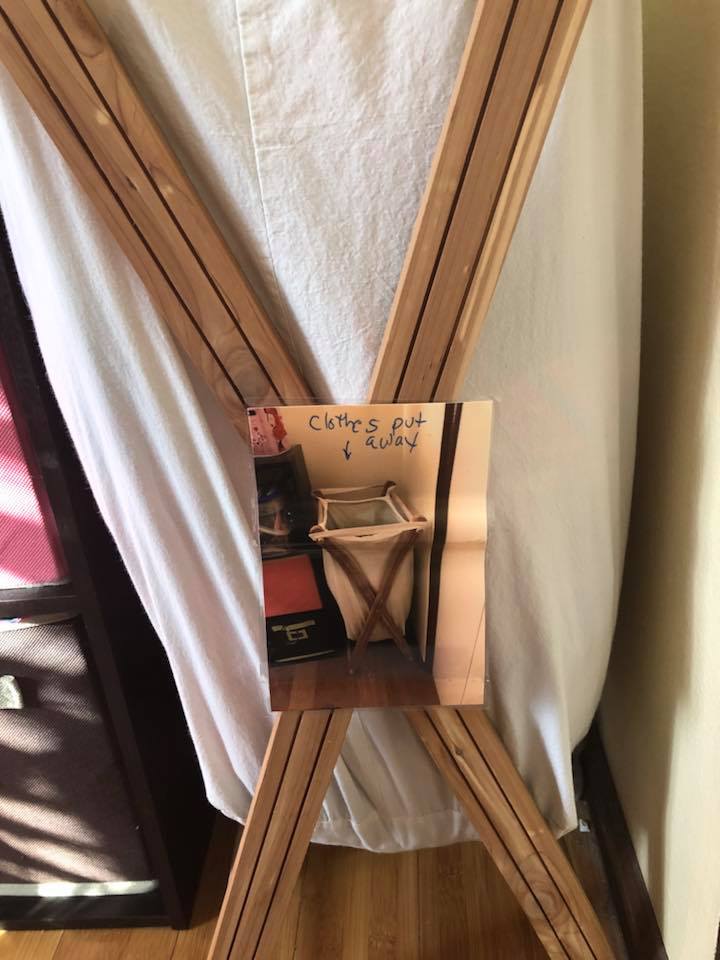
    Next up was to have bigger picture velcroed to all of the furniture items so she could see as she was cleaning them what they are supposed to look like.  I know it seems redundant, but seriously if you have a child who struggles this, then you will relate when I say that a dresser with closed drawers looks fine with clothes hanging out of it to her.  Same with a picked up hamper.  I even have a picture showing what the closet should like closed and no that doesn’t mean it is closed until it hits the piles of crap.  It means actually closed and looking neat.
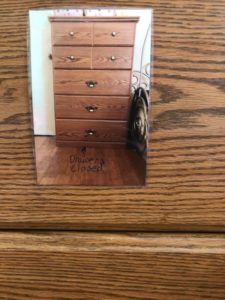


    I have to add that these helped, but still had to be taught.  In fact, it’s still a work in progress.  Some nights, I am so frustrated and just want to pull my hair my out.  I’m only human after all.  I do though, in those times, try and decompress and remind myself this is not a *fix* but a lesson.  Ashlynn doesn’t learn like other kids and that’s okay.  I have to realize though that all of this will pay off in the long run, and when we start early kids have the best outcomes.

    Homework

    Oh man don’t we hear horror stories about homework from parents of kids with varying learning differences.  Teachers make homework sound so easy.  Ten minutes for every grade you are in, so a first grader shouldn’t be more than 10 minutes a night.

    Say….what???  That assignment just took my kid an hour….and then when we went to second grade, that so called 20 minute assignment just took upwards off and on of two HOURS?  Minutes?  What?

    Know that homework can always be modified, but there are strategies that can be put in place to help with this too. Number one is to just start with a place that is going to make them successful for learning.  If you are like me, my first baby is the one with learning differences so instead of preparing for the ultimate learning environment, we were more focused on transitioning my son from a crib to a toddler bed and spent our money on that.  Needless to say, our kitchen table became her homework place.  Yes, the place that she eats and the chair in which she sits that her feet don’t touch on the ground yet is what we thought would be the perfect location for her to sit down and do that quick assignment in 10 minutes.  I should mention too it’s a thoroughfare in my house, so my kid with ADHD was also constantly distracted by the events taking place all around her.  Can we talk about set up to fail???

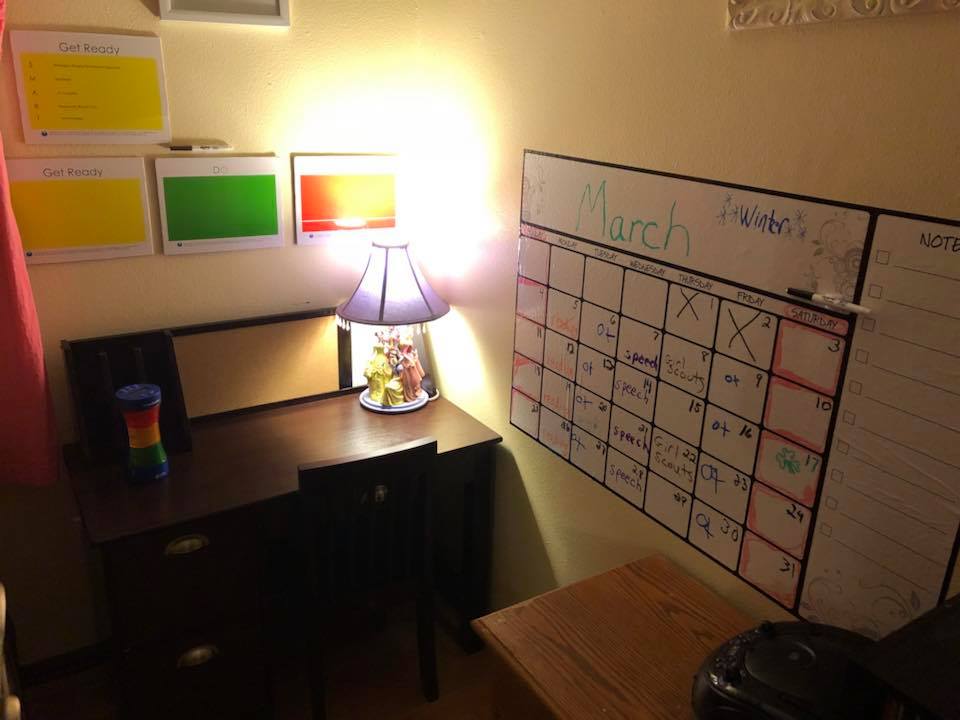
    I redid her room and created a homework corner.  I bought her a new desk in which she sat at a 90 degree angle, perpendicular to the floor, and decked it out with strategies from executive functioning queen Sarah Ward from the website Cognitive Connections.
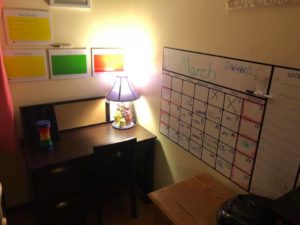
    New desk with feet on the floor

    As you can see, I have her own desk, in a corner of her own room, that is quiet and in which her feet touch the floor!

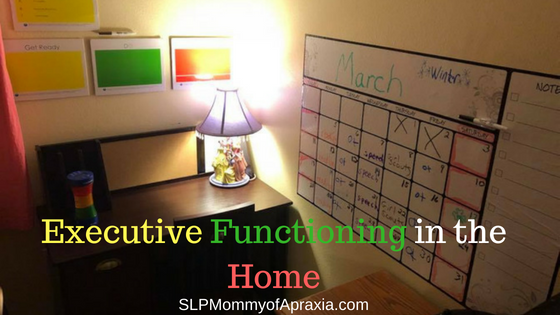
    Get ready, do, done boards

    The colored board above the desk are suggestions from the cognitive connections website.  In the yellow, we write everything we need to get ready.  It might be as simple as a pencil and it might be more complicated if doing a project.  (To modify for non-readers, you can tape or velcro pictures that you need.).

    The green stands for “doing.” These are the steps you need to do to reach the finished project.  The finished project then is the red board and reflects what the assignment looks like when it is finished.  For lower level, you can put a picture of what a completed assignment looks like, or for readers you can simply write it.  Sarah Ward also recommends to “start with the end in mind,” meaning kid with EF deficits benefit from knowing what the end is supposed to look like and then working backwards. For a more elaborate description, go see Sarah Ward talk.  She’s amazing.

    Calendar

    We have tried a few different things to help Ashlynn learn time, and I’m not just talking time management.  Ashlynn has had a lot of difficulty learning the seasons, days of the weeks, the months, and understanding the difference between yesterday, today, tomorrow, last week, next week etc.
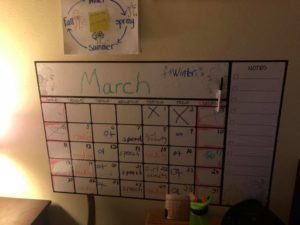
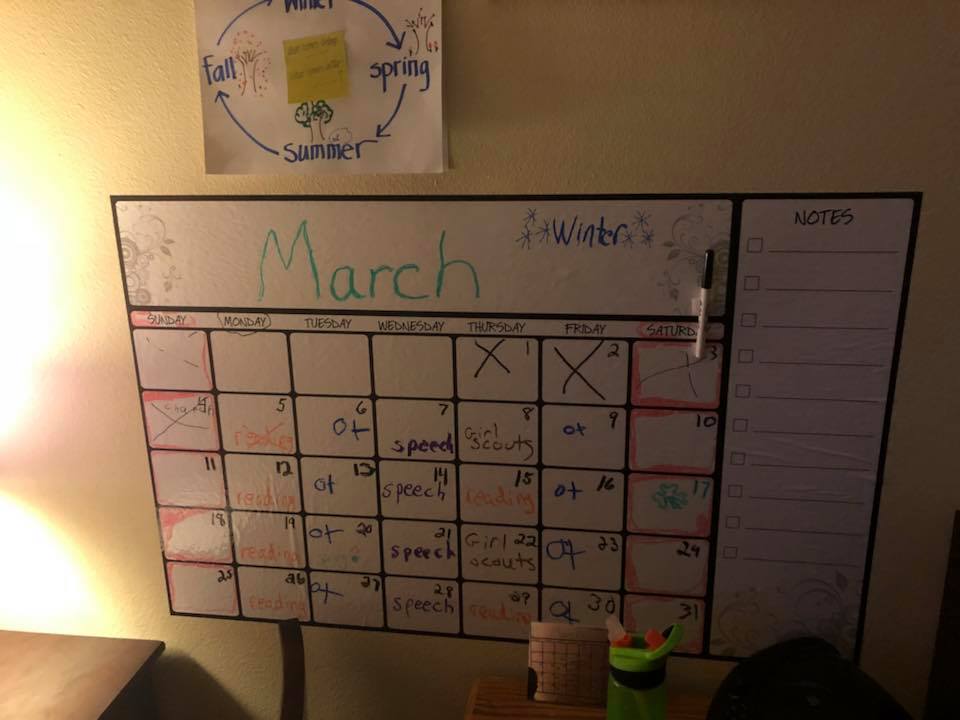
    I decided to buy this peeling dry erase calendar at target.  It’s huge and sits right by her desk.  Every month, she helps me write the month and the days.  We then go through and write her therapy/activity schedule and color code them.  Each activity is written in a different color.  The weekends are shaded on red since she has a difficult time understanding that Saturday and Sunday are one unit (the weekend) when they are split up on a normal calendar.  We then marked an X for each day that had passed and talked about yesterday and tomorrow.  This calendar has been AMAZING.  I might be so bold as to say it almost helped her understand days of the week right away.

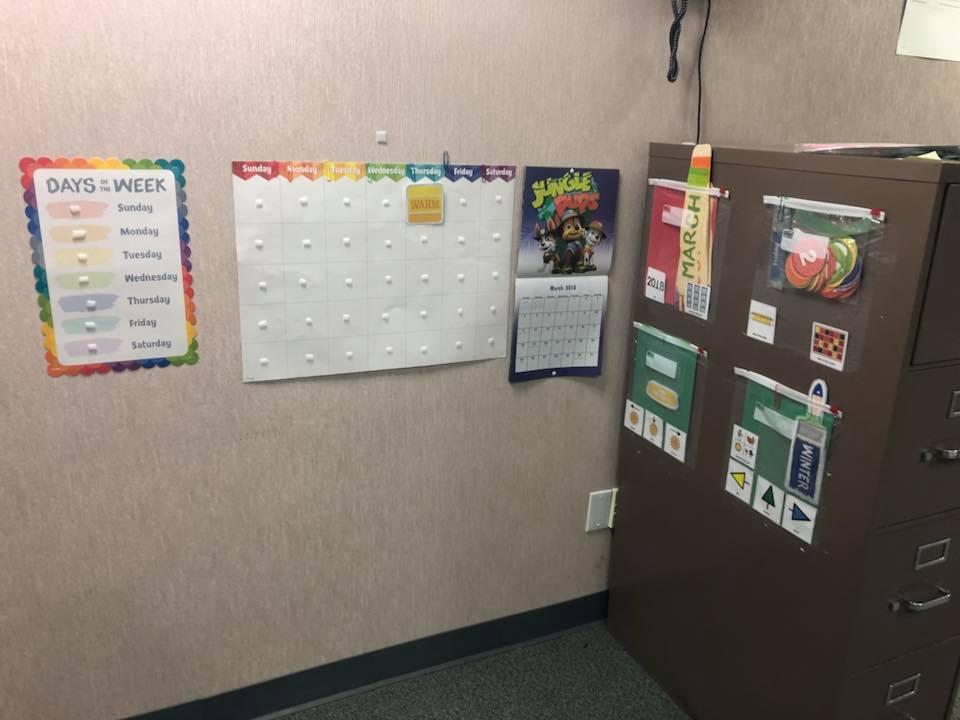
    Her school though also hit this hard visually and created the following corner in the SPED room just for her.
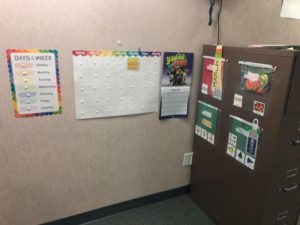
    This picture is also hard to see, but basically you see the basic calendar color coded by day in the middle.  To the left, each day of the week is color coded.  On the file cabinet on the right, the months are placed and she has to pick out the right month each day for added repetition.  The days are in the second bag, and there are tiles for the season and then arrows to talk about the concepts yesterday and tomorrow.  A normal calendar was provided as a reference to keep track of how her modified calendar related to a typical calendar.

    Timer

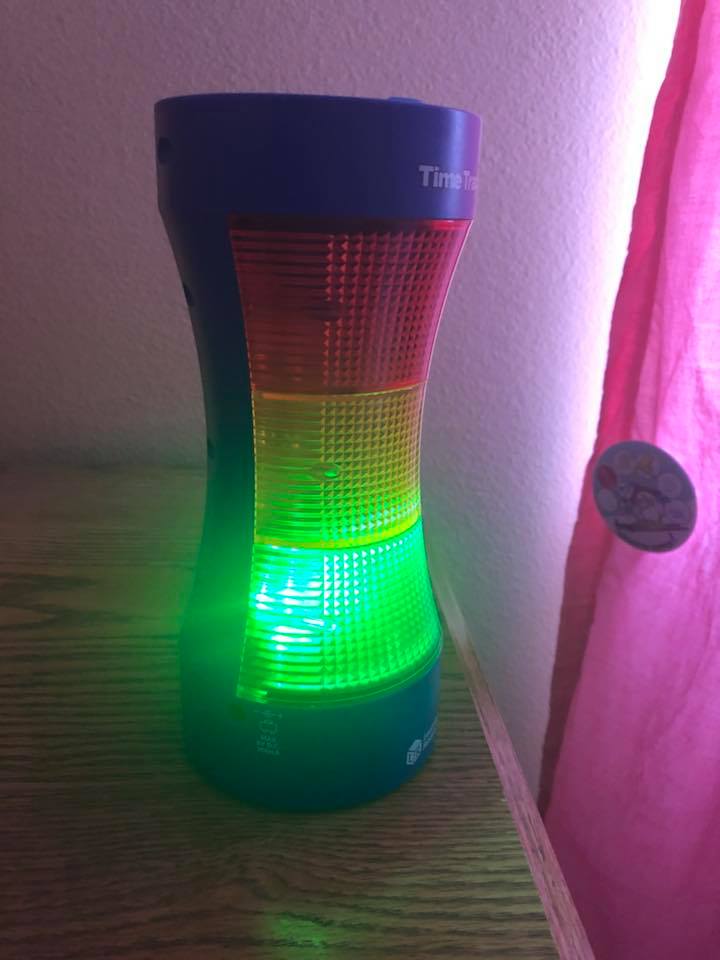
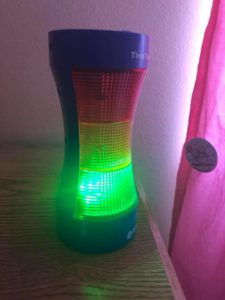
    Last to come is the timer I used for all of these tasks!  Time management is another HUGE skill that is difficult for those with EF deficits.

    The timer is from the autism community store here in Denver, but I’m sure you can find them on Amazon or other places.  This timer is amazing!!  The colors stand for different things similar to a stoplight.  Green means go, yellow means caution you are nearing the end, and red means you need to be done or stop NOW. What is best, is that each color is completely customizable by time.  For her morning routine, we usually set it for 3-3-3.  For homework, it might be  2-20-2.  Did I mention it also comes with sound?  So that means every color it changes to also has a sound to go with it, aka, an auditory cue.
    The impact

    I have to admit, there were times that as even I were making all of these materials and buying all these things that I wondered will this really make a difference?  Was all this work really worth it?? My answer came from Ashlynn.  As I was making these visuals, she probably thanked me more than 10 times.  She knows how she learns.  She was just waiting on me to help her.

    Laura Smith is a mom to two children, one of which who has multiple learning differences.  She is also an SLP (speech/language pathologist) specializing in CAS (Childhood Apraxia of Speech), a passion that was fueled by her daughter’s dx in 2012.  To learn more, visit slpmommyofapraxia.