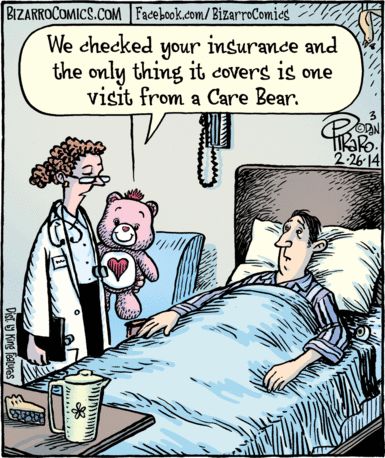
Children alone come with an expensive price tag. Finding out your child has special needs makes that price tag even pricier. In some cases, the price is too high and families simply cannot afford private speech therapy.
In many cases of severe speech disorders such as childhood apraxia of speech, the stakes are too high just to have school speech therapy hope to treat it the way it needs to be treated.
I found a few resources online as to places that may potentially fund speech therapy, but many were dead ends. For that reason, I compiled I guide that I have personally verified to help fund speech therapy.
United States Nationwide Resources:
First Hand Foundation – Provides case grants for medical needs including grants for speech therapy.
Friends of Man – Works through Referring Professionals (caseworkers, case managers, health care workers, social workers, counselors, teachers, clergy) who apply on behalf of their patients and clients needing mobility equipment, prosthetics, glasses, dentures, hearing aids, and much more.
Orange Effect Foundation – OEF’s mission is to make sure children with speech disorders receive the speech therapy and technology equipment they need…especially when the children’s family doesn’t have the financial means.
Rite Care Scottish Rite Childhood Language Program (SRCLP) – Have clinics in various parts of the United States and provide diagnostic evaluations and treatment of speech and language disorders as well as learning disabilities. Depending on the area there is a waitlist or income requirements.
Small Steps in Speech – provides grants on behalf of children with speech and language disorders for therapies, treatments, communicative devices, and other services aimed at improving their communication skills.
United Health Care Children’s Foundation – “UHCCF’s mission is to help fill the gap between what medical services/items a child needs and what their commercial health benefit plan will pay for. UHCCF grants provide financial help/assistance for families with children that have medical needs not covered or not fully covered by their commercial health insurance plan.”
Statewide resources:
Local community centered boards – Non-profit organizations designated as the single entry point into the long-term service and support system for persons with developmental disabilities. They are responsible for intake, eligibility determination, s ervice plan development, arrangement of services, monitoring, etc.) Google your local community centered board for more information.
Local Universities – Many times offer low cost, affordable speech therapy.
Alabama
The Hudson Family Foundation provides individual grants that offer financial support to children and their families living with a life-altering or terminal disease or who have experienced an unexpected circumstance, accident, or tragedy. The grants are used to help ease the financial stress that these situations can create for a family. The Hudson Family Foundation serves children and families in the states of Alabama and Georgia.
Florida
The Gardiner Scholarship Program – The Gardiner Scholarship Program provides eligible students a scholarship that can be used to purchase approved services or products in order to design a customized educational program for the student. Scholarships can be used for specialized services such as speech or occupational therapy, instructional materials, tuition at an eligible private school, contributions to a college prepaid account and more.
Georgia
The Gardiner Scholarship Program – The Gardiner Scholarship Program provides eligible students a scholarship that can be used to purchase approved services or products in order to design a customized educational program for the student. Scholarships can be used for specialized services such as speech or occupational therapy, instructional materials, tuition at an eligible private school, contributions to a college prepaid account and more.
Michigan
Family Hope Foundation – Family Hope Foundation is an established non-profit organization providing resources, activities, support, and funding for therapies to families of children with special needs in West Michigan.
NWO Apraxia Support – NWO Apraxia Support is a 501(c)(3) regional nonprofit organization dedicated to supporting families impacted by and raising awareness about Childhood Apraxia of Speech (CAS) and other invisible disabilities (including, but not limited to SPD, anxiety, epilepsy, non-specific learning disabilities, ADHD, dyslexia, autism, Tourette’s syndrome, and other speech and language disorders), as well as providing grants to fund supplemental therapies, treatments, activities, or equipment that will enhance the lives of individual children impacted by CAS and other invisible disabilities.
Ohio
NWO Apraxia Support – NWO Apraxia Support is a 501(c)(3) regional nonprofit organization dedicated to supporting families impacted by and raising awareness about Childhood Apraxia of Speech (CAS) and other invisible disabilities (including, but not limited to SPD, anxiety, epilepsy, non-specific learning disabilities, ADHD, dyslexia, autism, Tourette’s syndrome, and other speech and language disorders), as well as providing grants to fund supplemental therapies, treatments, activities, or equipment that will enhance the lives of individual children impacted by CAS and other invisible disabilities.
Washington
Elevations – A Children’s Therapy Resource – A 501c3 nonprofit, our Spokane-based organization coordinates directly with therapy providers to identify and serve children with special needs. We work with families to help with the cost of critical therapy services.
International Programs:
UK
Laura Smith, M.A. CCC-SLP is a 2014 graduate of Apraxia Kids Boot Camp, has completed the PROMPT Level 1 training, and the Kaufman Speech to Language Protocol (K-SLP). She is the author of Overcoming Apraxia and has lectured throughout the United States on CAS and related issues. Currently, Laura is a practicing SLP specializing in apraxia at her clinic A Mile High Speech Therapy in Aurora, Colorado.