Category: global apraxia

  • Parent experience at an apraxia diagnosis

    Parent experience at an apraxia diagnosis

    It’s been over eleven years identifying as a parent to a child diagnosed with childhood apraxia of speech. I’ll never forget that fateful day. I missed her apraxia as an infant, despite being a speech/language pathologist before she was born. I knew she was delayed. Oh yes, I was keenly aware of it. Every well-check visit the list of milestones she was meeting grew shorter and shorter. I worked with her almost every night. Though she made progress, progress was so slow. I blamed myself.

    I finally raised my white flag before her third birthday and took her to Child Find. That’s where the SLP would inform me, “Laura, this is apraxia.”

    Apraxia

    Forever etched into my brain is that one statement. I remember it hit me like a ton of bricks. I also remember knowing instantly it was true. The amount of therapy Ashlynn was getting from me with only minimal results didn’t make sense, unless, apraxia.

    I grieved most of that year. I grieved so many things. I grieved my seemingly failure as an SLP. I grieved she would have to work so hard just to speak. I grieved she would always throughout her entire life live with a communication disorder. Then guilt appeared for grieving since she was at least healthy, happy, and still my same beautiful child.

    Years later, I would learn of the term “disenfranchised grief.” I did a talk with Dr. Iuzinni-Seigel for speechpathology.com and she introduced me the term. Disenfranchised grief is grief with no place to go. This is EXACTLY how I felt.

    I’ve since learned that many other parents feel relief at diagnosis. The journey was so long and so hard they had to fight to find an SLP who would listen to them.

    Since the Apraxia Diagnosis

    It’s been a long road since those early days. I picked myself up and kept putting one foot in front of the other. At some point I woke up and realized I have a private practice, A Mile High Speech Therapy, specializing in CAS. I wrote a book called Overcoming Apraxia that is now part of college coursework in speech pathology. I have given workshops nationally and internationally. Most of all though, Ashlynn is still my amazing ray of sunshine. Her beautiful smile, tenacity, and attitude toward adversity have taught me more than anything could.

    Many parents want to attend my workshops but the cost is prohibitive. Workshops and webinars can cost 100’s if not 1000’s of dollars for attendees. Furthermore, many workshops are not open to parents. That’s why I’m so excited to announce my newest endeavor called Apraxia Space. For just $75.00, parents and caregivers get access to at least SIX online live webinars given by myself and another apraxia specialist. Guest lectures are already scheduled along with live parent presentations of their apraxia journey. In addition, there will be a 24/7 private online community.

    We have participants WORLDWIDE from Italy, Australia, and Canada! Registration for this first founding member cohort ends April 1st. Be sure to save your spot! Register here: https://apraxia-space.mykajabi.com/

    I look forward to seeing you there!

  • ATV journey with disabilities

    ATV journey with disabilities

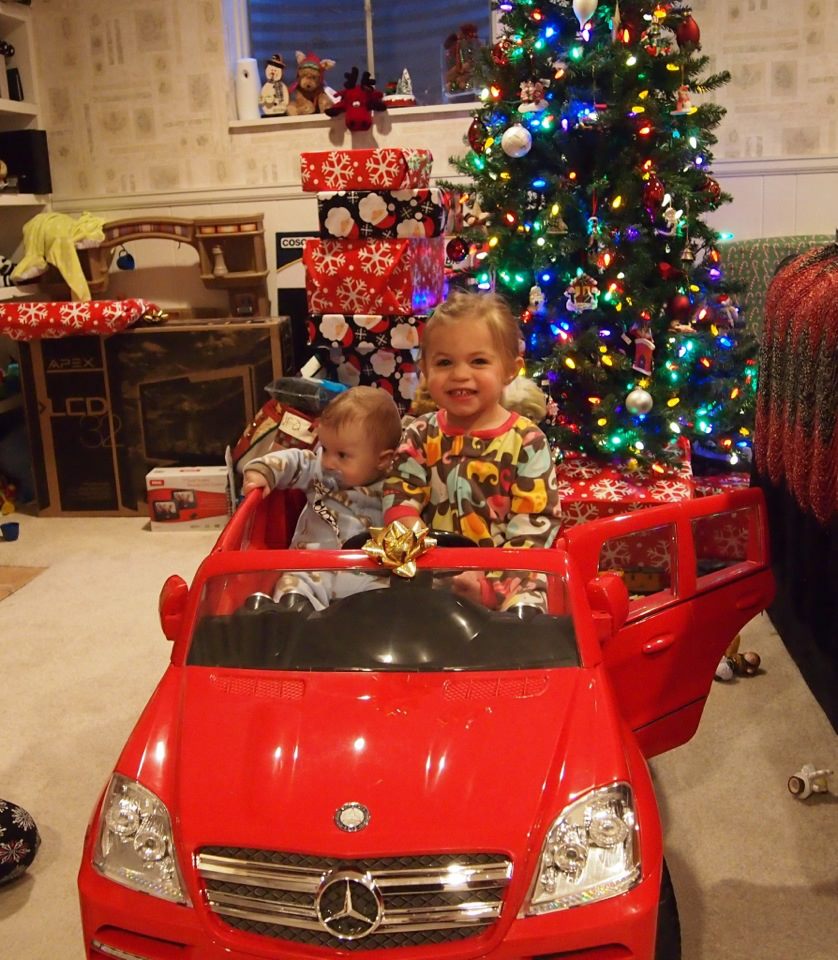
    When Ashlynn (my daughter with Logan Dias Syndrome that caused a host of disabilities) was younger, I’m not sure I ever pictured her riding an ATV. However, I remember excitedly buying her a power wheel for Christmas. She had just turned three. I had visions of her riding it up and down the sidewalk! I couldn’t wait for her to receive it!

    I remember taking this perfect photo and couldn’t wait to see her hit the road!

    Except, as with everything, I didn’t realize how hard it was going to be for Ashlynn to drive it. It involved steps like

    1. pay attention

    2. steer

    3. manage the pedal.

    Oh and doing that all at once, well, that was seemingly impossible.

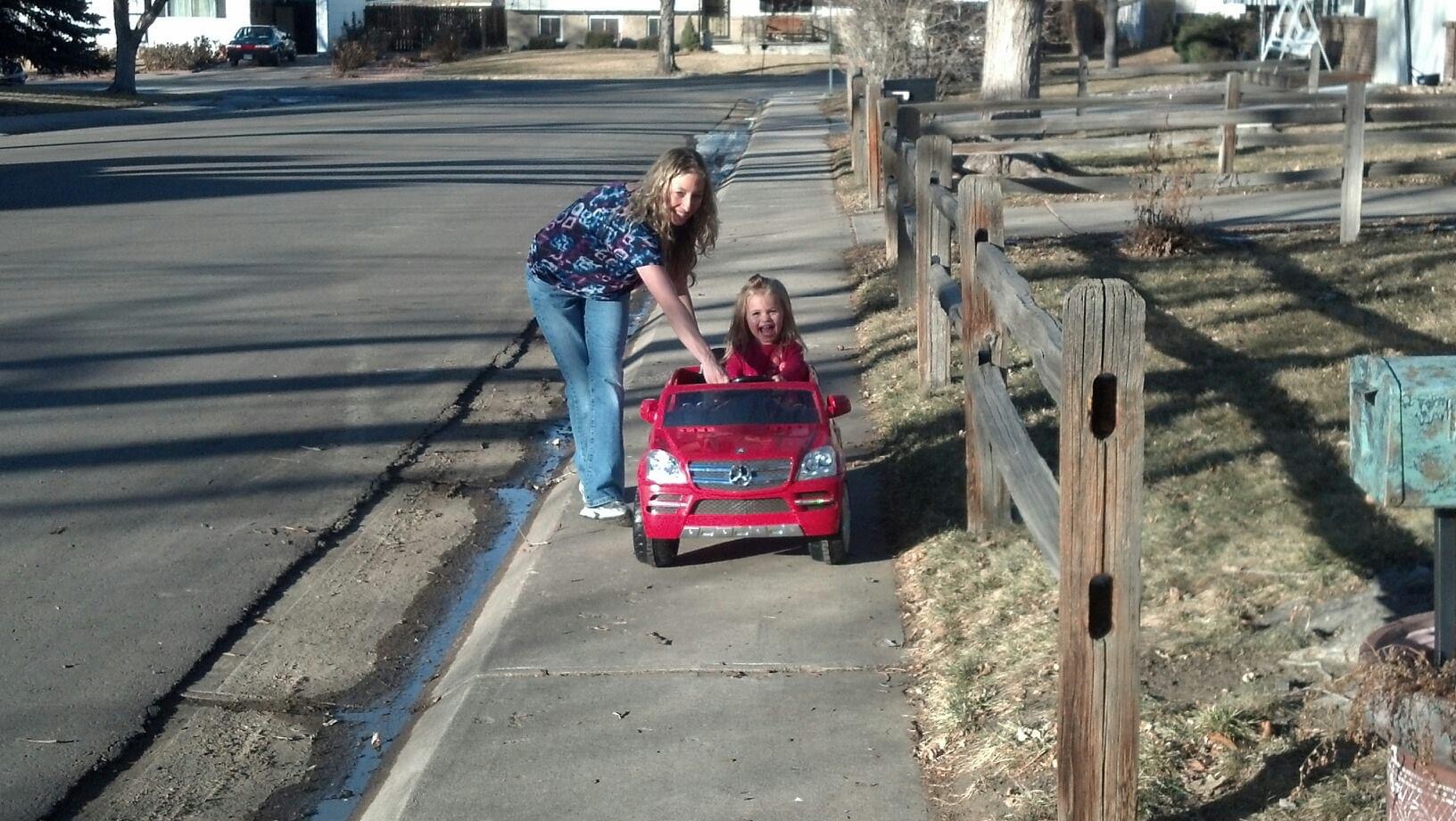
    Determined to help her though, I spent many nights running up and down the sidewalk beside he. I was leaned overhelping her steer while she got the hang of the pedal. My back would be wrecked when we came inside. My husband snapped this picture of us, and though both of us are joyful and smiling, I remember feeling heartbroken and sad on the inside.

    Power wheel

    Why did it seem she had to work to learn and enjoy any childhood toy? A tricycle. Jumping. Skipping. Really anything. The answer of course came later. Dyspraxia. Dystonic Cerebral Palsy. ADHD. Logan Dias Syndrome (variant on BCL11A).

    As long as she was still in to try, I vowed I would be in to helping her. I also remember thinking at the time, if we start now on this coordination to steer, work the pedal and pay attention this will help her long term when she learns how to drive. Though at the time, I had no idea the extent of disabilities.

    I honestly don’t even remember when she put it all together. I do remember her driving into the fence a lot. Eventually though, she did learn and burned through at least two other power wheels.

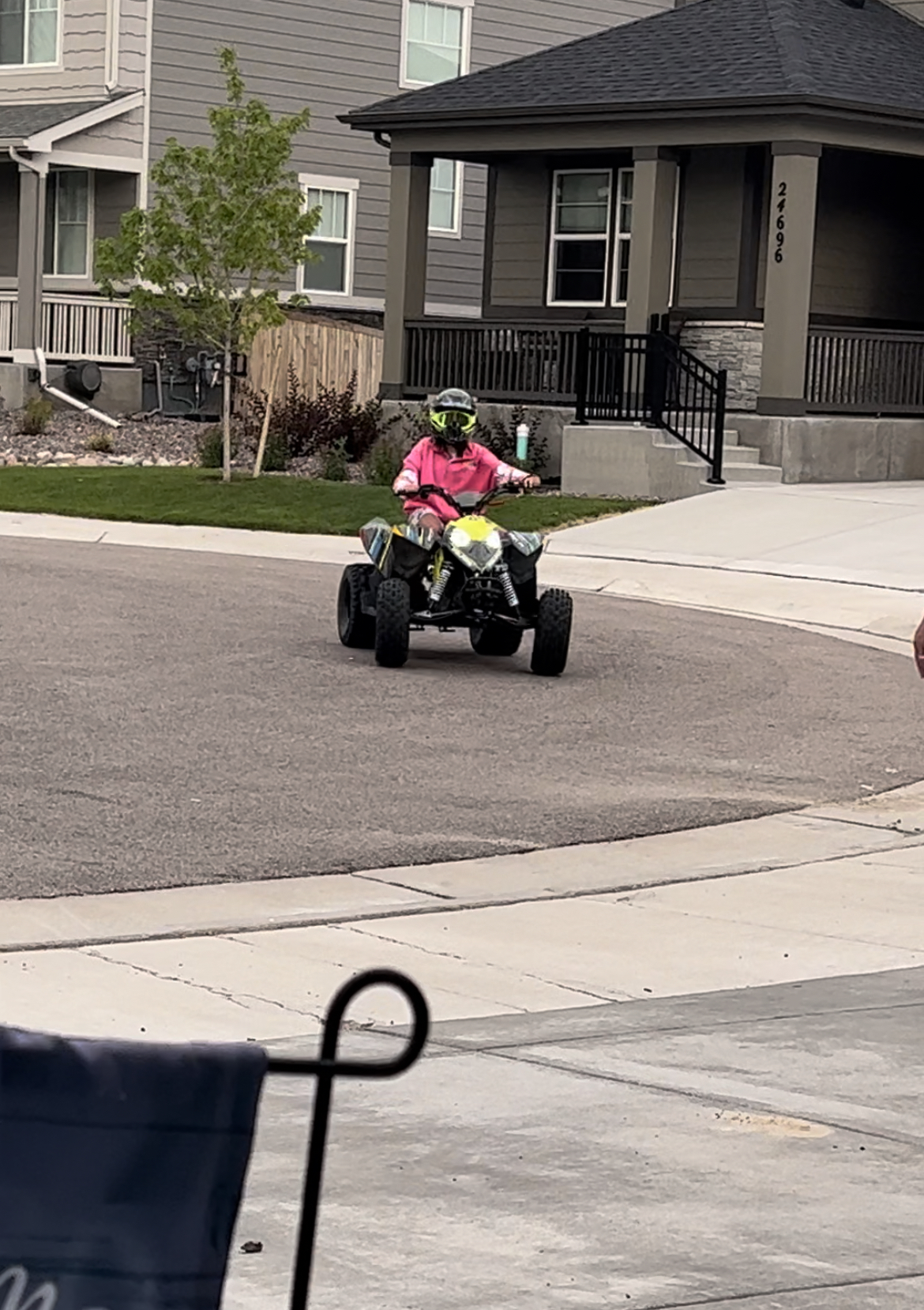
    Ashlynn is now 13 and way too big for a power wheel. She’s also been expressing a desire to learn how to drive when she’s 16, which honestly terrifies me. My husband recently bought a junior ATV and Ashlynn had been hesitant to get on it. Hesitant that is, until last night. She had watched her brother for presumably a sufficient amount of time before announcing, “Okay I’m ready to ride the ATV.” My husband put on her helmet and explained the controls. My anxiety started rising. Oh no, how is she going to coordinate the gas and the break and steering and paying attention all at that SPEED?? I tried to helicopter from a distance.

    Sensing my anxiety she looked back at me before taking off and said, “Mom don’t worry ok? I’ll go slow.” I gave her a half smile marveling at her language and speech. A simple sentiment seemingly unimpressive to anyone except someone who watched all the hours she worked and continues to work in speech therapy.

    That’s when it happened. My heart jumped in my chest watching her take off. All my fear, all my anxiety, all my PTSD (let’s be honest) culminating now in this moment. At worst she would get hurt and at best she would have to handle another disappointment.

    But guess what?

    She rode off like she’d been riding it her entire life. She went slow as promised but she was doing it. She turned around to come back, (cautiously) but she did that too. Then she did it again, and again and again. She giggled and did it again. I challenged her to honk the horn. It took her a minute to find it but she did and now she drove, giggled, paid attention, turned, went faster, slowed down, stopped AND honked the horn.

    I thought back to that mother excited for her to ride a power wheel, and then heart broken she couldn’t. Memories flooded my mind of all the things she knows how to do now but that took an enormous effort. Walking, jumping, skipping, riding a tricycle, a big wheel and a power wheel. I never in my wildest dreams ever pictured her on an ATV.

    I smiled, then I laughed, and I cried. Tears down my face of I don’t know what. Every emotion I guess.

    Ashlynn’s dream of driving doesn’t seem far off anymore (even though it’s still terrifying). See her in action on my YouTube here.

    ATV
  • The IEP meeting I wanted to attend.

    The IEP meeting I wanted to attend.

    I never knew before I had a child with an IEP (individualized education plan), how awful these meetings can be for parents.

    Before I had my daughter, IEP meetings were part of my job and I attended them weekly with a room full of colleagues and the parent or parents. I had no idea how it felt being on the parent side. I do now and it feels scary, nerve wracking, and very intimidating.

    I haven’t gone back and added it up, but today was at least the 9th and probably 10th IEP meeting (individualized education plan) we’ve had for my daughter Ashlynn. I don’t think I’ve ever had a meeting where I wanted to go to it. I can particularly remember the meetings that gutted me. Looking back it probably wasn’t any one educator’s fault. It was my position in the process of it all. It was like additional problems kept adding up. Just when I thought I had apraxia down, she would get ADHD, dyspraxia, issues with memory, issues with language comprehension……and the meetings were full of her can’ts. I could talk about how to write a strengths based report or run a strengths based meeting, but in the end even that wouldn’t have been enough to fill or patch the holes from the stab wounds from all of her can’ts.

    This time though was different.

    Starting last year, Ashlynn started to turn a corner. She was no longer speaking in as many “scripts” but was formulating her own novel sentences. She grew exponentially on her reading. The special education team got to know her and they saw what I saw and believed what I believed Ashlynn was capable of. Instead of the words “she requires more repetition than most,” hurting my soul, I was encouraged because they said it with the conviction behind it that they would get her those extra reps because she is capable.

    This entire past year I’ve felt the momentum and seen her IEP goals in action in Ashlynn’s everyday life.

    From SPED, I’ve seen Ashlynn finally understand money, time, and her math facts. She has RETAINED these facts. Did it take one hell of a lot of repetition? You betcha, but they did it and when Ashlynn has learned something, it’s like riding a bike; she doesn’t lose it. Ashlynn’s reading has continued to improve and we are working toward closing that gap. We aren’t there yet, but I SEE it. I SEE it and I feel the momentum. I’ve seen it within her book choices and through her reading out loud. In addition, many skills she needed accommodations for she is now independent with. She has mastered the classroom routine, she doesn’t need direct line of sight supervision for safety, and she is independent with basically all of her ADL’s (Activities of Daily Living). The one that made me smile was teaching Ashlynn to stop and think and give her time to process and understand what was being said so that she could give a thoughtful answer instead of just blurting out anything. We all laughed because she will frequently now tap her brain and say “hmmmm” to give herself time to think. Again, seeing IEP goals materialize in my child is not something I can quite explain. It’s phenomenal.

    From her SLP I saw the direct result from her working on formulating more complex sentences with “so” and “because” come to life at home. In addition, all the vocabulary work done in speech has seemed to literally lift Ashlynn out of her language disorder fog. Where before language was literally just flying over her head, she is comprehending and making connections like she was never able to before, and again I’m seeing that in her everyday conversations with me as well.

    From PT we remarked at how she can perform tasks like standing on one leg for 6-9 seconds and doing jumps etc, something that once seemed like a pipe dream with her hypotonia, cerebral palsy, and major motor planning problems. I told her how she could now ride a bike with no training wheels and that Ashlynn chooses to do workout videos and could follow along.

    From OT we marveled at her mastery of her ADL’s around school, how she can tie her shoes now, and her ability to follow up to 3 step directions that involve motor planning tasks. With adapted graph paper, Ashlynn’s can complete writing assignments and really is just working on putting it all together: getting thoughts on paper, letter formation, spacing, punctuation and legibility. She can do all of those tasks adequately if given separately. I’ll take that. There was a time she couldn’t write her name. That took “more repetition than most, ” but I smiled this time. I had it all wrong before when that phrase would burn me. No one said she can’t do it, and that’s what’s important. More repetition than most? Deal. Bring it on. THAT we can do.

    From mental health she is doing great with whole body listening and finding more peers to play with and inserting herself into play on the playground. Next step is learning how to engage socially with peers in conversation.

    The whole meeting was amazing. I was on cloud nine. The takeaway? Ashlynn’s going to make it.

    I sat there and thought back to Ashlynn’s early days. Was this really the same girl? The girl who would get too distracted she couldn’t even hang up her coat and backpack and get to class without assistance? Was this the girl who spent all of preschool, kinder, and preschool just learning the letters of the alphabet, much less learning how to read? Was this the girl who spent Kinder, 1st, and 2nd grade trying to master addition and subtraction and now was rocking that but also money and time? Was this the girl who was so clumsy and uncoordinated that she couldn’t ride a tricycle or put her shoes on the right feet much less tie them?

    It was and she was freaking killing it.

    Though there were many, many, many times I felt defeated, I NEVER was defeated. I always held the vision for Ashlynn. I held it steadfastly in my mind and promised her that even if I was the only person who ever saw her potential, I would never give up on her and I would fight to the end. I was prepared for war. I listened to inspirational songs and videos to keep the faith. I also worried and fought and lost sleep and prayed. Oh did I pray, but it wasn’t that she would overcome. I always knew that you see. I always knew she had a divine purpose. I prayed for a team that would see Ashlynn like I do and help her fly.

    A couple of months ago, filled with gratitude, I nominated her SPED teacher for a district award.

    It’s called the Golden Heart Award and is bestowed to any educator in special education who has gone above and beyond for a student in the program. Because coincidences are the Universe or God’s way of talking to us, Colleen received notice she was awarded this honor TODAY – the day of Ashlynn’s IEP.

    I thought to myself,

    “Sounds about right.”

    Laura Smith, M.A. CCC-SLP is a 2014 graduate of Apraxia Kids Boot Camp, has completed the PROMPT Level 1 training, and the Kaufman Speech to Language Protocol (K-SLP). She is the author of Overcoming Apraxia and has lectured throughout the United States on CAS and related issues. Currently, Laura is a practicing SLP specializing in apraxia at her clinic A Mile High Speech Therapy in Aurora, Colorado. 

    Purchase Overcoming Apraxia on Amazon.

  • Top Ten SLP Mommy of Apraxia posts for 2019

    Top Ten SLP Mommy of Apraxia posts for 2019

    Hi readers! Not only another year, but another decade is coming to a close! My daughter Ashlynn was born in 2009, and it’s astounding all of the changes that set off in my life throughout the past ten years! This past decade was one of joy as a I built my family, but also sorrow facing numerous challenges with Ashlynn.

    I have faith though that this next decade will be one of overcoming! I know ten years from now I’m going to be writing another success and triumph story, much like I did in the book I published this year called “Overcoming Apraxia.” I also want this next decade to be one of exponential growth in apraxia awareness and information so all children have the access to the best therapy.

    Happy New Year and I wish you all a blessed 2020!

    Here are my top ten posts from 2019.

    1. The Exploding Genetic Findings in Childhood Apraxia of Speech
    Click here

    2. Growing up with CAS: Never Stop Dreaming

    Click here

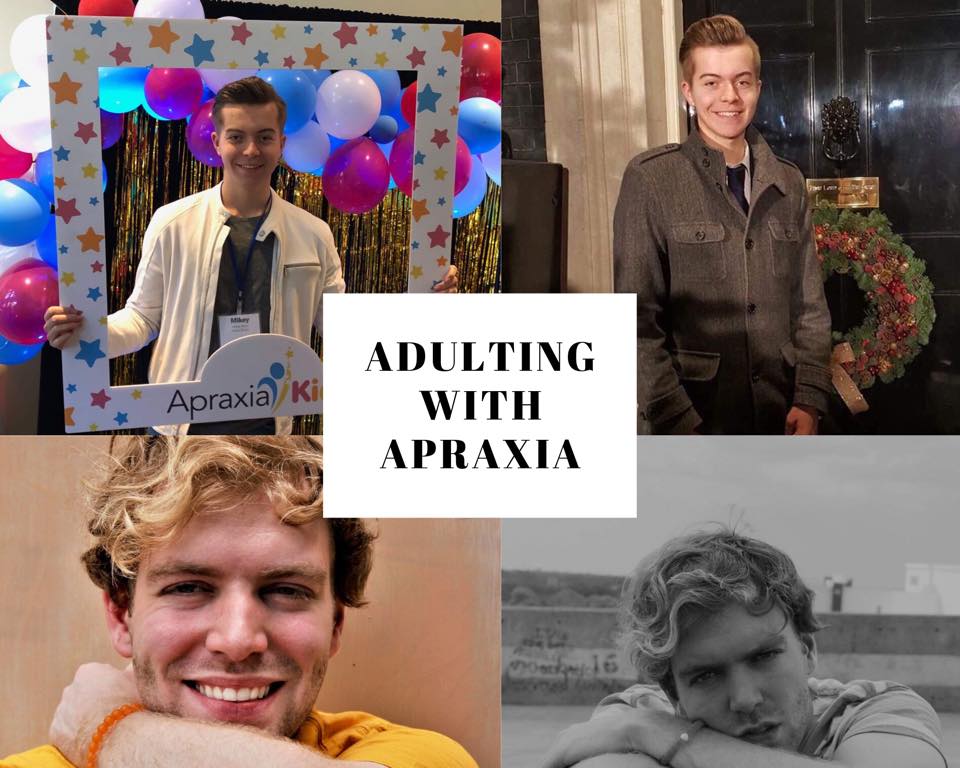
    3. Adulting with Apraxia

    Click here

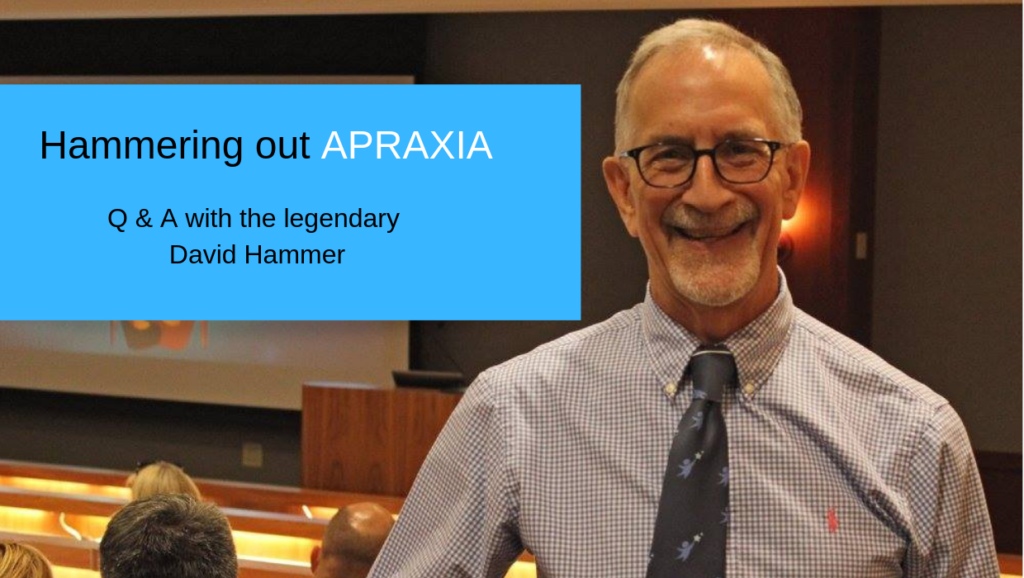
    4. Hammering out Apraxia

    Click here

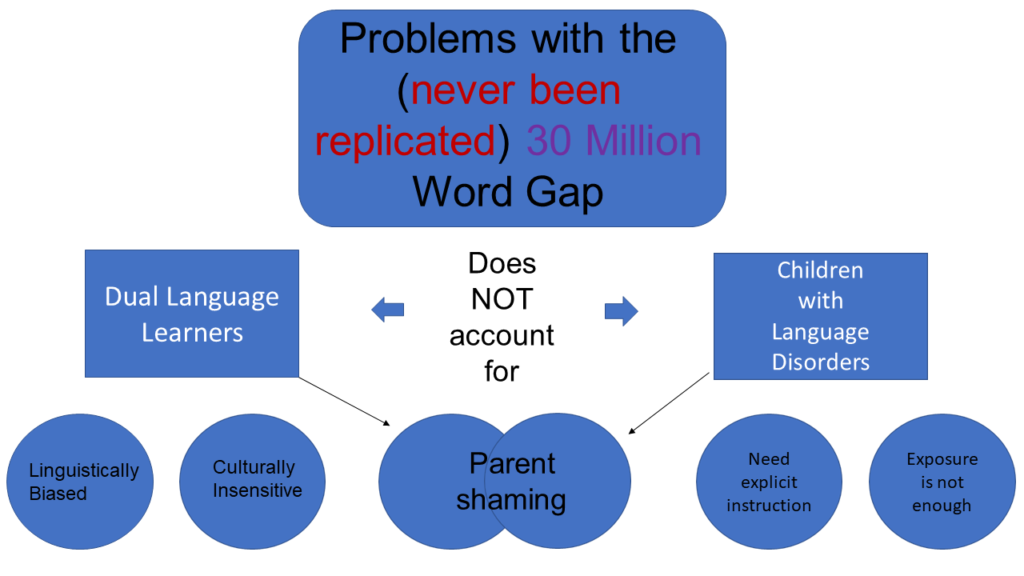
    5. Mind the (30 milllion) Gap: Beyond the Catchy Headline

    Click here

    6. Who diagnoses Childhood Apraxia of Speech?

    Click here

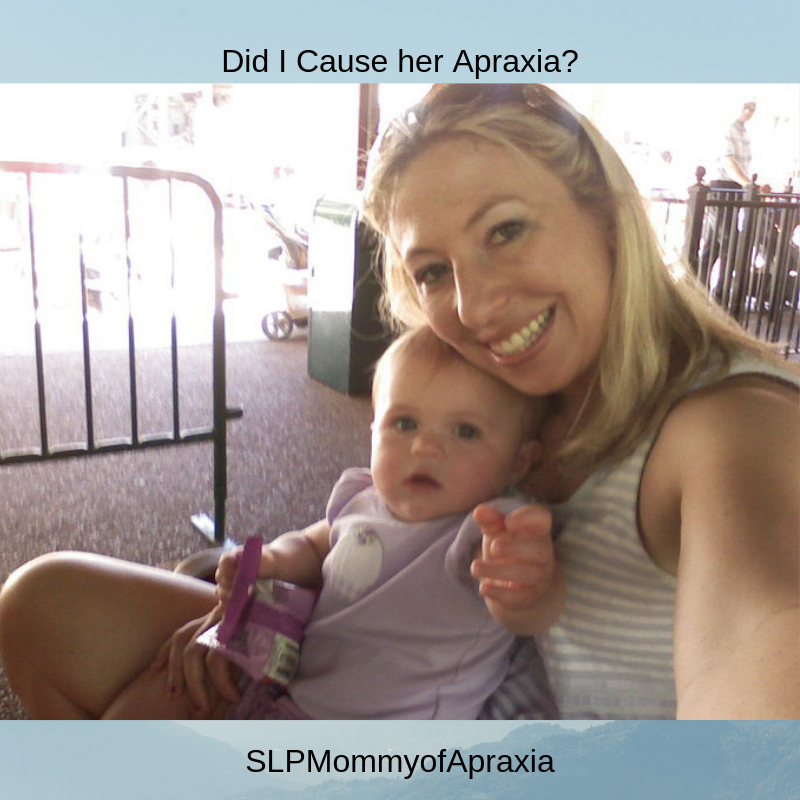
    7. Did I cause her CAS?

    Click here

    8. Oral Language and Phonological Skills May Be the Best Predictors for Reading Disorders in Childhood Apraxia of Speech

    Click here

    9.Shaming parents about home carryover

    Click here

    10. Growing up apraxia: I want them to learn what it is

    Click here

    Happy New Year friends! Always believe in the magic of new beginnings! Stay present. Love. Hope. Live.

    With Gratitude,
    Laura

  • Shaming parents about home carryover

    Shaming parents about home carryover

    I’ve been on this special needs journey with Ashlynn for a long time now.

    I have grieved, recovered, grieved, and recovered again. I have developed thick skin.  I have felt guilt, then peace, more guilt, and then peace.

    I thought I was past all the BS.  I have accepted Ashlynn has severe needs.  I have accepted my journey with Ashlynn is going to be MUCH longer than I ever anticipated and I have embraced it.  This girl goes to school from 8 to 2:45, and almost every day after school she has some sort of therapy or tutoring strategically scheduled to help her overcome all of her learning disabilities.

    I’ve been done making excuses for not doing homework.

    I finally just started being honest and saying “We will see. She is a very busy and overscheduled little girl,” when therapists would ask about homework .  Ashlynn goes to school and then has therapies after school, and then we hope to get home to eat and then finally do her SCHOOL homework.

    That doesn’t mean there isn’t any other homework.  Oh no.  For all the therapies she receives after school there is also homework.  Always homework.  So not only does the average kid NOT go to therapy or tutoring everyday after school, they also then don’t have the homework assignments from said appointments after school.

    My daughter has it all.

    Go to school and get homework, and then attend therapy and tutoring that takes away from homework time after school and receive MORE homework on top of school homework for the extra after school services.  Oh, and my daughter has global motor planning issues, so any homework assigned is usually homework that needs to be done everyday.

    Everyday my daughter is expected to do regular school homework and then follow through homework for OT, PT, Speech and tutoring as well.

    If for some reason said homework isn’t done or done to the fidelity of a therapist’s expectations, I get to see the raised eyebrows and judgemental eyes.  I know what they are thinking even if they don’t say it.  “You couldn’t carve out 5 minutes for some simple yoga poses?  Speech word practice? Sight word drills?”

    Again, I thought I was past this.  I was done feeling guilt.  My whole life is running around trying to get my daughter the help she needs and then coming home and trying to be a mom and get dinner and then at least getting through her school homework. I have been done for a LONG time apologizing for not getting the therapy homework done.

    That was until today

    Two weeks ago I put Ashlynn into a therapy called oral facial myology to help with her mouth breathing, tongue thrust and immature swallow.  I knew going into this the homework component was going to be big.  I knew this! We received a sticker chart to keep us honest.  Ideally she would do the exercises 2x – 3x  a day and we would reconvene in 10 days.

    Today was our second follow-up appointment. I was so proud of Ashlynn!  We had done the exercises every single day!  A handful of days we managed 3x, most days we did 2x a day, and on three days including one where she spent the night at her grandma’s we did 1x a day.

    I was proud of us.  That was no easy feat. Sometimes it cut into bedtime but I knew this was important and I was willing to go the extra mile.

    My sails were immediately shredded within 5 minutes of our second visit.

    The swallowing therapist was warm and inviting as usual.  We were seven minutes late because we were driving from PT and I had forgotten to ask the physical therapist to end 5 minutes before and instead she ended 5 minutes late.  We still made it though! School ended at 2:45, we were at PT at 3:30 and then we were at swallowing therapy at 4:25. I was proud of myself for getting her to all these places.

    “How did the homework go?  Did you complete it?” the therapist asked Ashlynn.  Ashlynn enthusiastically nodded yes as I took out the sticker chart and the therapist looked on disapprovingly.  So there are three days here you could only do one practice session?  For this program to be successful, she needs to be doing the exercises at least 2x a day.

    “There are a couple days we did three!  Does that cancel out the three days we could only fit in one?” I laughed nervously.

    I looked up to a face of disapproval.

    “For this program to work, you really need to be more consistent,” she lectured.

    I swallowed a big swallow and collected our things. I think I literally gulped back tears.  I was paying a lot of money for this therapy.  Of course I wanted to see it be successful.  Of course I wanted to practice with Ashlynn as much as I could.  Guess what though?  I also needed to make sure we completed her homework and read at least 10 minutes per night.  Then and only then did I need to make sure she was doing her homework for reading tutoring, OT, PT, and speech as well.  Oh and she also needed to eat at some point and take a shower.  Being a kid?  Nope.  That’s not in the cards apparently.

    The guilt and responsibility is overwhelming

    I cried as I left the swallowing woman’s office.  I was trying!  I thought Ashlynn and I had done amazing!  We practiced what seemed like every spare minute we had together, which actually is very little spare time together!  I was proud of our dedication, but this woman had only criticism.  She told me if the program was to work, I really needed to get more serious about practice.

    I went home that night in a state of anger.

    I was yelling at my kids, my husband, the computer..really anyone who would listen.  I was devastated at having a therapist, a well respected therapist basically tell me if I didn’t take the homework seriously and with the fidelity it needed to be, my child wouldn’t improve.

    I railed against everyone and then I messaged an ally.

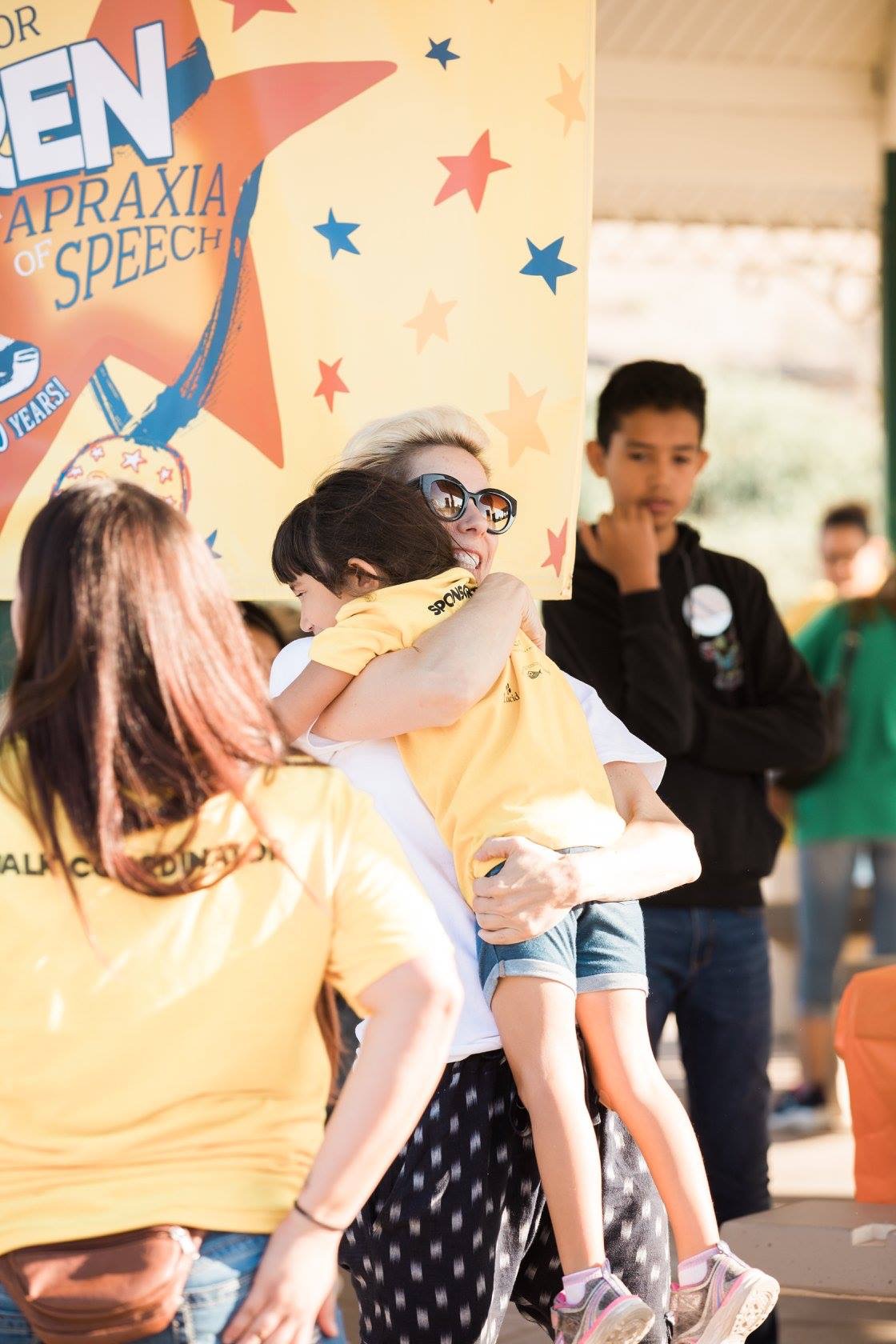
    The ally I messaged is an SLP who specializes in apraxia and oral facial myology.  I was so lucky to meet her at L.A.’s Walk to Talk for Apraxia when I took Ashlynn at 8 years old.  Her name is Lisa Klein and she has a reputation for not only being an amazing therapist, but being an incredible friend, mentor, and encourager. I barely know her yet knew I needed to talk to her.   Fortunately for me, she told me I could call her on my way home and like a crazy mom who is desperate I did.  I talked in a long winded series of run on sentences and questions and when I stopped she said the most impactful thing to me that brought me to tears.

    Laura, first of all, you are a great mom and that girl has come so far because of you.

    I started balling.  Not like crying either or tearing up.  No. Chest heaving ugly cry balling.  I just needed that validation.  She went onto say things that our myofunctional therapist suggested too like going every other week.  She brainstormed how to get in practice or what exercises we absolutely couldn’t miss. She said all of this though with compassion and free from judgement, and that is exactly the type of therapist I aim to be too.  We need to meet parents where they are at and we need to know parents are under an insane amount of pressure and are doing the best they can with the tools that they have.  I need a therapist to understand that.  I’m constantly shocked by the number of therapists who have so most judgement. I say this all the time but I say it again.  Please, if you are a therapist reading this please have compassion and understanding for the parents.  We are fighting daily battles and crying tears no one ever sees.  Please be kind.  Please.
  • When inclusion works: my hope for the rest of 3rd grade

    When inclusion works: my hope for the rest of 3rd grade

    This past break, I went over my posts from 2018, and read the article I wrote at the beginning of the year.  In it, I begged parents to teach their children to be kind as I wrote about the importance of inclusion.

    You can read about here.

    I was filled with worry and trepidation as Ashlynn started third grade.

    Last year in second had been one of her worst years with peers and friendships.  She frequently came home with bloodied shirts from her picking her fingernails.  Many times, the nurse had to change her shirt it was so bad.  She always reported that she hadn’t played with anyone at recess and my heart broke for her nearly everyday.  In second grade, she was also bullied in the bathroom but thankfully some other students heard and told the teacher.  Fresh off the heels of a great summer, I worried to see her go back to school again.

    This year though in third grade, has been one of her best years for growth not only academically, but also with friends and feeling like she was part of the class.

    The teacher told me at parent/teacher conference in November that she had told her class if they see Ashlynn sitting alone to go grab her and include her because many times it’s not that she doesn’t want to play; but rather that she has a hard time jumping into a situation.  The teacher went on to explain the kids initially did it because they were instructed to, but as they got to know her they now do it because they wanted to.

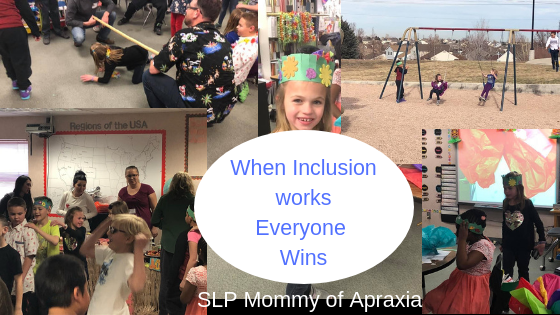
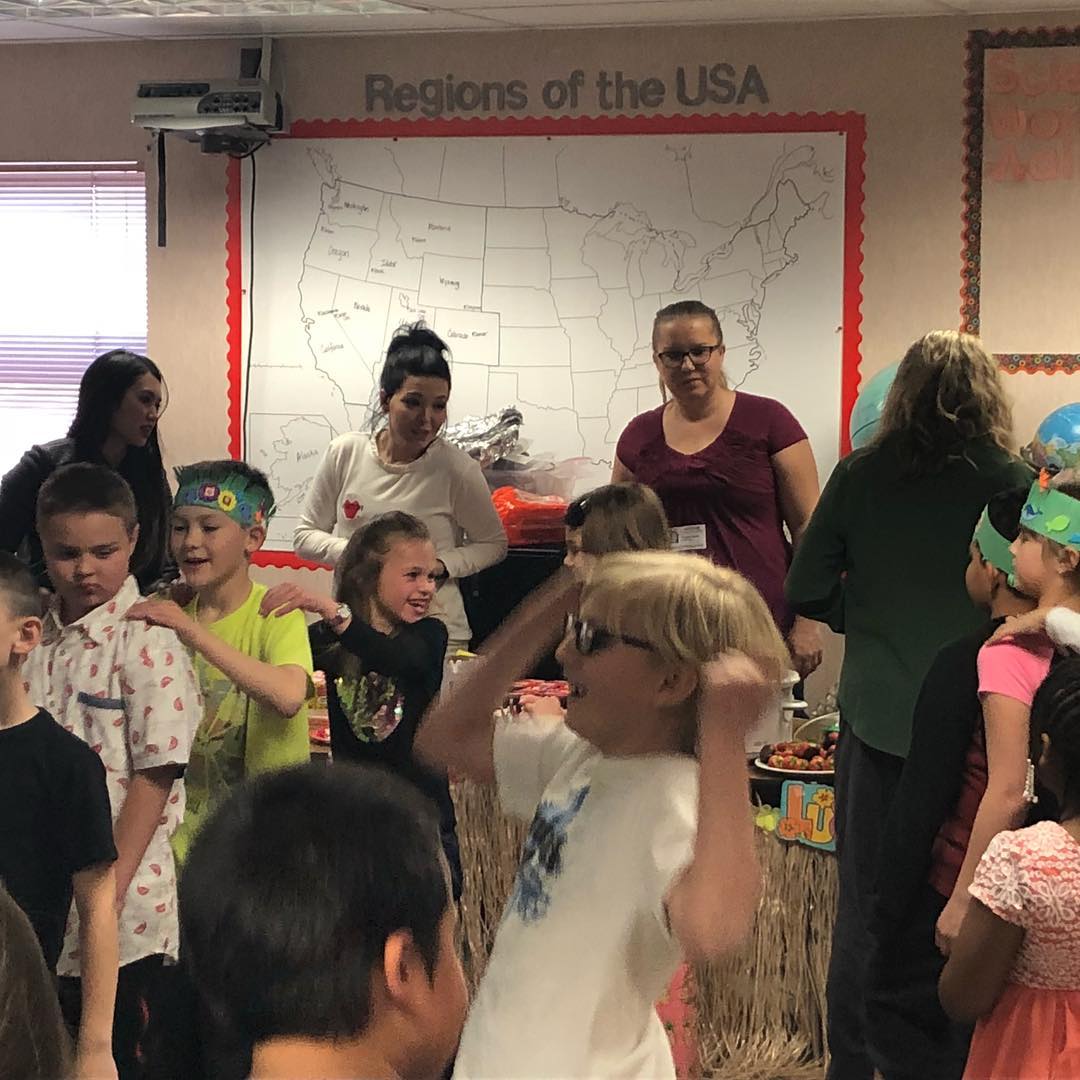
    Every year before winter break, 3rd grade throws a Luau party to add some fun and a twist to a normal Winter celebration.  I volunteered to run a craft with the class. I couldn’t believe what I saw when I got there.  Ashlynn was completely assimilated into the classroom as one of the kids, and not the “special ed kid” or the “ILC kid.”

    As she talked to her friends I thought of her speech therapy.   As she navigated the limbo stick like any of the other classmates I thought of her work in occupational and physical therapy. Her special education teacher wrapped up her current progress monitoring showing how she had rocked her goals because she knew it would be the best Christmas present to see all of her success and she was right.

    As she completed some seat work independently I thought of her TA who understands the difference between enabling and helping.

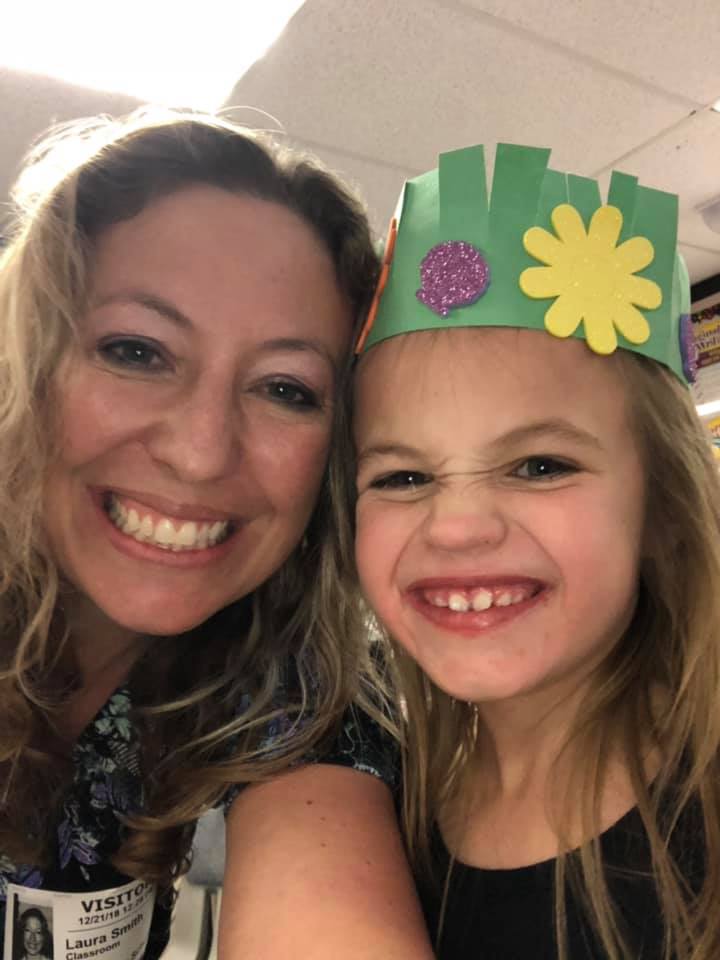
    This is how inclusion is supposed to look. Every human whether they have differences or not all want the same thing. They want to feel useful, included, and loved. Her smile says it all.

    Honestly I didn’t need any Christmas presents this year.  My cup was overflowing.  I just pray as Winter Break is over and she heads back to school, that the second semester will be as amazing as the first.

    Laura Smith is a mother to two beautiful children, one of which was diagnosed with a constellation of issues including apraxia that can be traced back to a genetic mutation entitled BCL11A. She is a Denver based Speech/Language Pathologist now specializing in Childhood Apraxia of Speech.