Category: dyspraxia

  • Apraxia as a symptom to a bigger picture

    Apraxia as a symptom to a bigger picture

    When I started out on this journey, having my daughter receive the diagnosis of Childhood Apraxia of Speech was devastating.  Unlike other parents who might have needed it explained or who turned to google and realized it is a lifelong neurological disorder, being an SLP I already knew that.  My mind flashed to two boys I treated prior to Ashlynn when I was a school SLP, who both entered Kindergarten nonverbal and I was terrified.

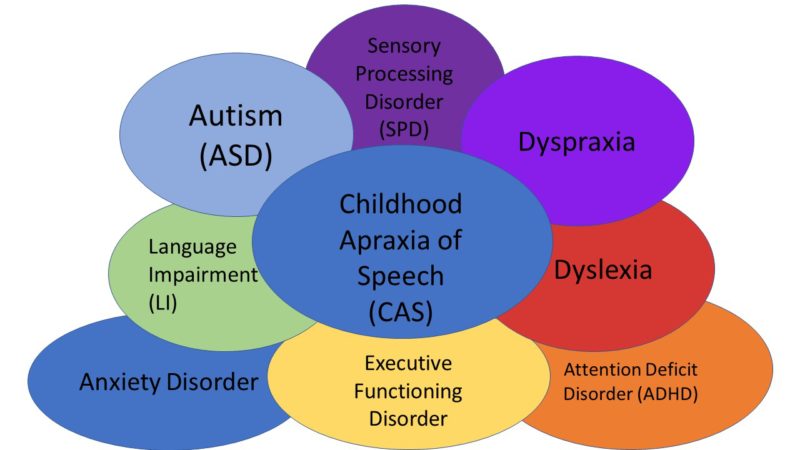
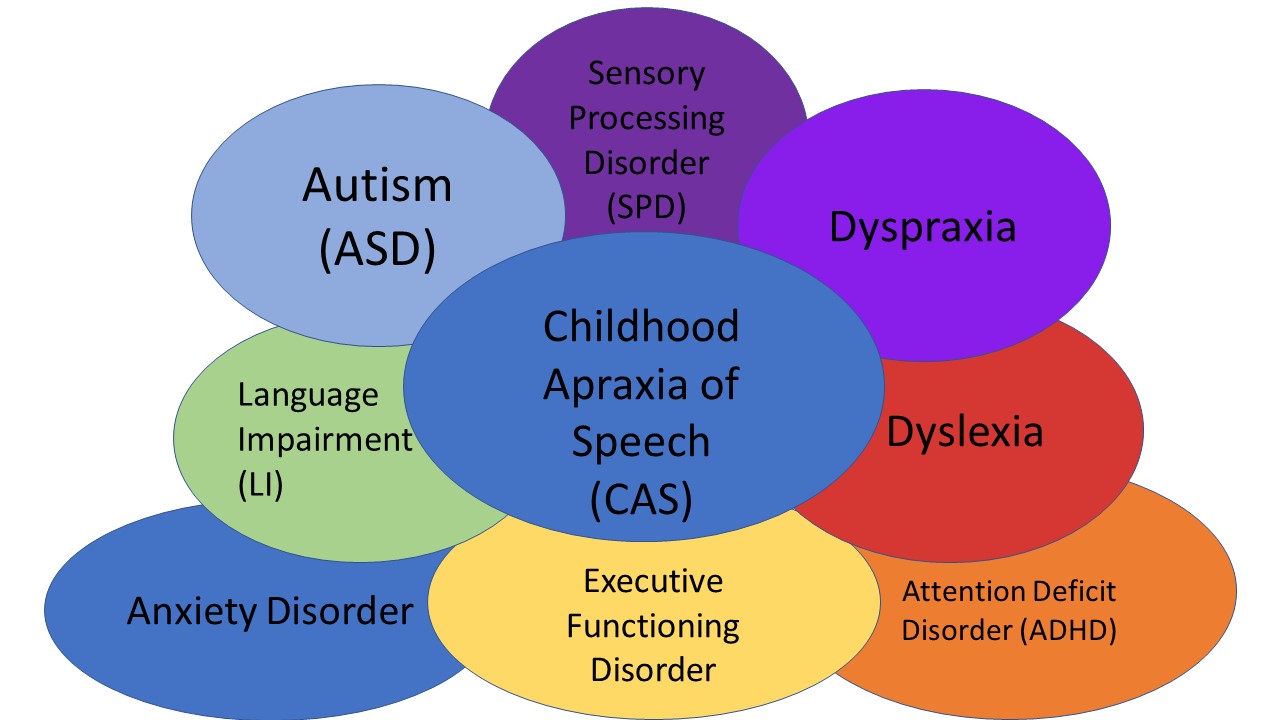
    After I threw myself a pity party, I picked myself up determined to attack the beast named apraxia.  At the time as we were going through it, I did not fully grasp as I do now, the fact that most kids with apraxia will not only hold that one label.  I did not fully realize that most kids with apraxia, a neurological speech disorder, will also have co-morbid neurological disorders as well.

    As a professional SLP specializing in the field, I have a current private practice caseload of around 35 kids.  There is not one who doesn’t have another co-morbid condition.  Friends, I have to repeat that because it is important.  There is not ONE who only has apraxia.

    I feel now like this is an important topic to discuss because I don’t know about other parents, but for me I would have wanted to know up front that a diagnosis of CAS meant I was going to be dealing with more than CAS for the long haul.

    Why?  What does it matter?  You take each diagnosis day by day right?

    I struggle with this.  Part of me agrees but then part of me just wishes I had known the statistics were as high as they were for the chances that my daughter would have dyslexia, or ADHD, or SPD.  I say this because honestly, had I just known up front all of that was a possibility, I could have:
    1. Been more vigilant and more proactive about potential comorbidities
    2. Not been so devastated each time a new one popped up.

    In the post on ADHD I wrote:

    I know it’s a little too young to diagnose ADD, but I hope to God she doesn’t have that too.  She doesn’t deserve this..any of this.

    In the post on Dyslexia I wrote:

    In that moment, my dear readers, I had the same gut feeling I had when that SLP told me back when Ashlynn was 2:11 “Laura this is apraxia.”  In that moment, that article told me, “Laura, this is dyslexia.”  I started to cry at the end of that article.  Damnit.  I missed it again.  I missed another OBVIOUS dx in my OWN daughter.  Why does this keep happening??  What good was all my training and experience when I’m not applying it to my OWN baby??

    Ashlynn has a slew of other diagnoses as well, and EACH time I went through this process AGAIN.  I had to relive the pain of a diagnosis AGAIN.  I guess I can’t say if the pain would have been any less had I known all of these diagnoses were more of probabilities that possibilities, but I honestly think it wouldn’t have made each new diagnosis as gut wrenching.

    I was talking to Lynn Carahaly the other day, creator of the Speech EZ program for apraxia and apraxia expert out of Arizona,  and she said the following,

    Over my career specializing in the disorder, I definitely feel apraxia is rarely the primary issue, rather a sequela to a bigger picture.  The problem is SLP’s and parents are so focused on the speech and not looking at the big picture in early development.  There is this thinking that if we could just overcome the apraxia, everything will be OK.

    I let out a big sigh after reading that.  Anyone else who felt that way, will you raise your hand with me?  I fell into that category.  I was so convinced if we could just fight and beat this beast called apraxia, everything else was going to be okay, and man I was wrong.  Consequently, each new diagnosis brought this sense of total indignation.  We fought apraxia and WON!!  Why now did she have to deal with something else?

    I take a different approach now with my clients.  I am completely honest and transparent about the potential for co-morbid issues.  In fact, I told one mother the other day,

    Your daughter is at risk for dyslexia.  I recommend that for now we operate under the assumption she might have it and get her started early with pre-literacy and phonemic awareness activities; and if she doesn’t have dyslexia, we celebrate.

    I’m just giving parents, and now all of you, what I personally would have wanted to hear.  Lynn is right, and that’s why her program incorporates so many pre-literacy elements.  Let’s start looking at apraxia as more than just a speech disorder, and let’s celebrate if the child did indeed only have apraxia.   Once I started connecting with parents of kids who have global apraxia, only then did I realize every child with global apraxia had a co-morbid diagnosis of ADHD.  The same was true when I found the apraxia-kids facebook group and realized just how many kids with apraxia also had Sensory Processing Disorder!  Oh, and when I found out that and started talking to my global apraxia friends, just how many kids with global apraxia had a similar and rare presentation of sensory processing disorder in that they had a high tolerance for pain and an “under-responsive” tactile system!

    Parents and professionals, the moral of the story is this.  In most cases, apraxia is just a foreshadowing of additional neurological conditions to come.  There are many, MANY, combinations it would be impossible to predict at that initial CAS dx.  Dr. Ruth Stoeckel did a talk at one apraxia conference titled “Co-Occurring Diagnoses: Other Letters that may go with CAS.”  There are MANY other conditions that can and DO go with CAS.  I think it benefits parents and professionals to know we are dealing with just the beginning of what is probably a very bigger picture.
     

    Resources:

    Duchow, H., Lindsay, A., Roth, K., Schell, S., Allen, D., & Boliek, C. A. (2019). The co-occurrence of possible developmental coordination disorder and suspected childhood apraxia of speech. Canadian Journal of Speech-Language Pathology and Audiology.

    Iuzzini-Seigel, J. (2019). Motor Performance in Children With Childhood Apraxia of Speech and Speech Sound Disorders. Journal of Speech, Language, and Hearing Research62(9), 3220-3233.

    Langer, N., Benjamin, C., Becker, B. L., & Gaab, N. (2019). Comorbidity of reading disabilities and ADHD: structural and functional brain characteristics. Human brain mapping40(9), 2677-2698.
    Lewis, B. A., Freebairn, L. A., Hansen, A. J., Iyengar, S. K., & Taylor, H. G. (2004). School-age follow-up of children with childhood apraxia of speech. Language, Speech, and Hearing Services in Schools.
    Miller, G. J., Lewis, B., Benchek, P., Freebairn, L., Tag, J., Budge, K., … & Stein, C. (2019). Reading Outcomes for Individuals With Histories of Suspected Childhood Apraxia of Speech. American journal of speech-language pathology, 1-16.
    Teverovsky, E. G., Bickel, J. O., & Feldman, H. M. (2009). Functional characteristics of children diagnosed with childhood apraxia of speech. Disability and Rehabilitation31(2), 94-102.


    Laura Smith, M.A. CCC-SLP is a 2014 graduate of Apraxia Kids Boot Camp, has completed the PROMPT Level 1 training, and the Kaufman Speech to Language Protocol (K-SLP). She is the author of Overcoming Apraxia and has lectured throughout the United States on CAS and related issues. Currently, Laura is a practicing SLP specializing in apraxia at her clinic A Mile High Speech Therapy in Aurora, Colorado. 
  • Lessons from a bicycle: Just keep pedaling

    Lessons from a bicycle: Just keep pedaling

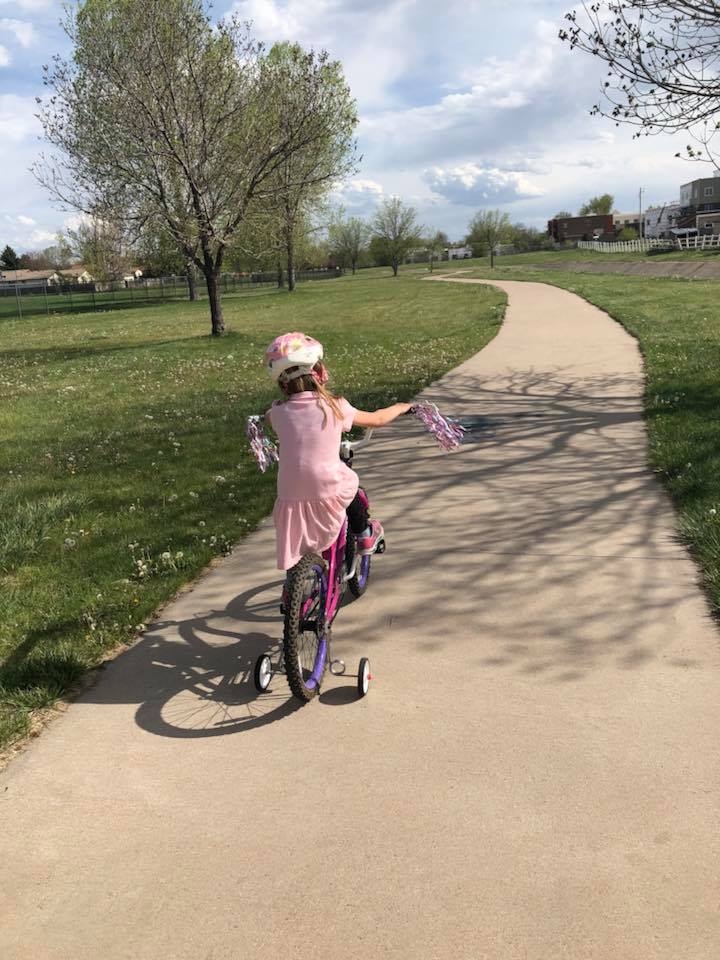
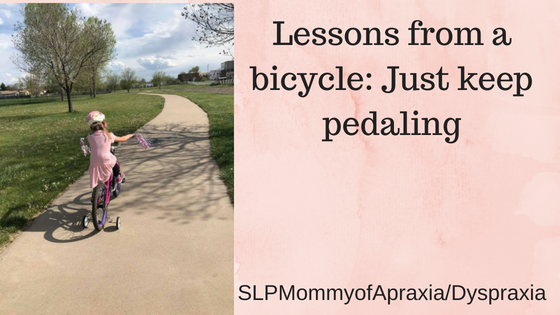
    Ashlynn is 8 1/2 years old.  Currently, she is riding this big girl bike, and yes, it still has training wheels; although the wheels are much smaller and looser than they have ever been.  Last year she took quite a tumble and refused to ride it, but this year she is back on it and pushing harder than ever before.

    Due to the severity of her dyspraxia, we have increased her time in private OT to 2x a week along with the OT and PT she gets in school.  The new private OT place is VERY focused on bilateral coordination, balance, strength, and sensory issues.  We noticed a difference right away in terms of her sensory issues, but we are also noticing a HUGE difference in her strength and increased endurance.

    She could TOTALLY, TOTALLY ride without training wheels, but she has a few more obstacles.  One is that different variables aside from a smooth plane throw her off.  This was true when she learned to walk too.  She could walk provided the surface was even and smooth; however, once anything changed she was falling to her knees.  This could include the slightest incline going downhill, uphill, or slant in the road.  Well, the same is true for learning to ride a bike as well.

    I should also mention, she doesn’t have typical reflexes thanks to her dyspraxia either; so where most children would at the very least put their legs down to help catch themselves, Ashlynn panics and ends up falling over.

    As I watched her tonight at the park, a wave of sadness rushed over me.  It’s so weird, these cycles of grief.  l know Ashlynn has dyspraxia.  I know it will take her longer to overcome this obstacle, and I also know she WILL overcome it.  However, I start to worry.  Am I doing enough?  Am I helping her enough?  What about those special needs bicycle camps another mom told me about.  Should I have picked that this year instead of choosing to send her back to the $3000 special needs camp she loved and adored last year?  After all, there is only so much money to go around.  Am I choosing the right thing?

    On the way home, she was gaining confidence.  Where I walked beside her on the way to the park, I was now jogging and at times running to make sure I kept up on the way home.  She was doing great with her balance.  We were riding on the sidewalk, and she would only tip over when going past a driveway where there would be a downward slant.  I would run beside her and steady the handle bars.  I started to notice though that she would stop pedaling during these times.  I encouraged her to KEEP pedaling through the hardest obstacle, which was the driveway. I realized the reason she was losing her balance wasn’t necessarily because of the driveway, or obstacle; but because she would STOP pedaling during it.

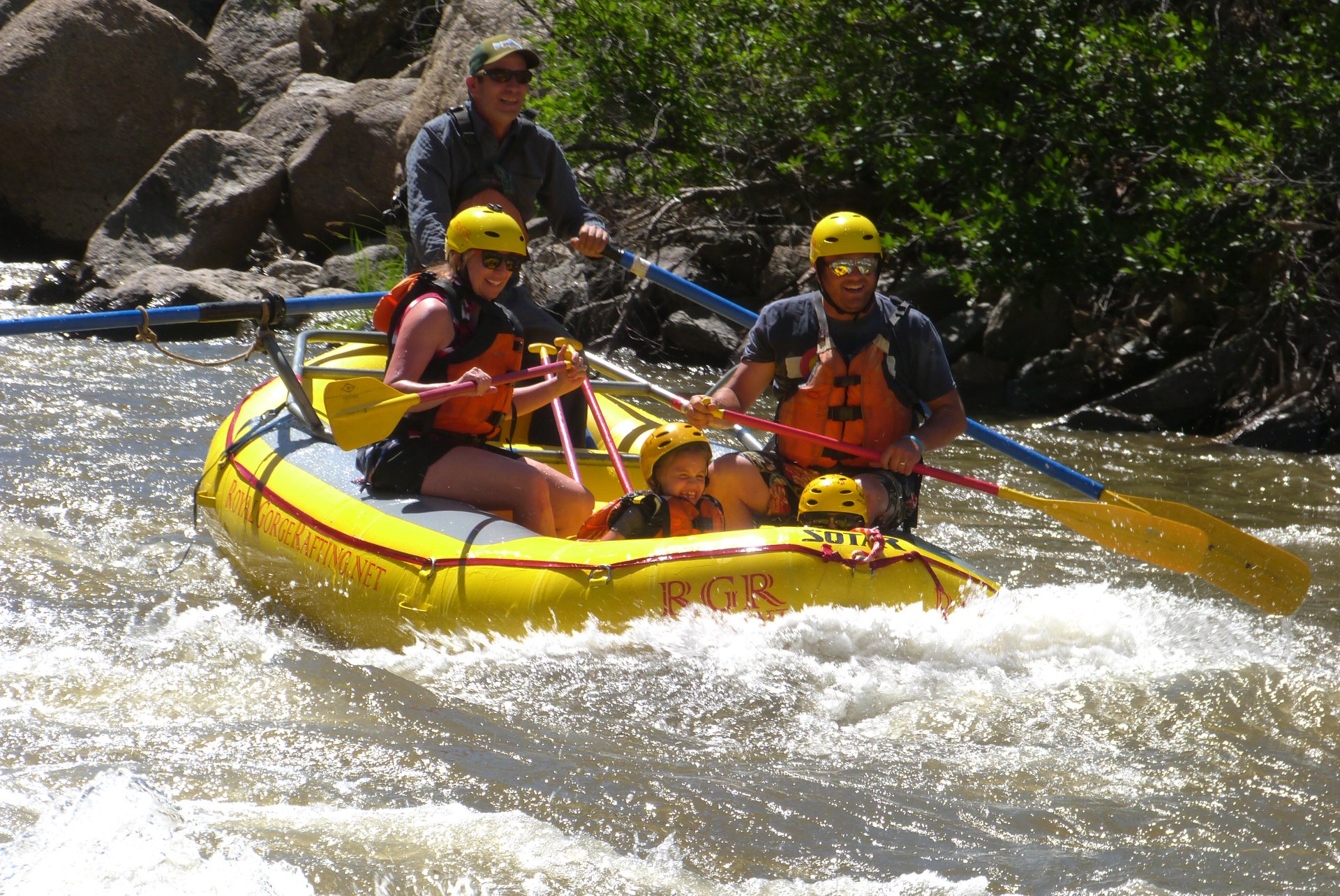
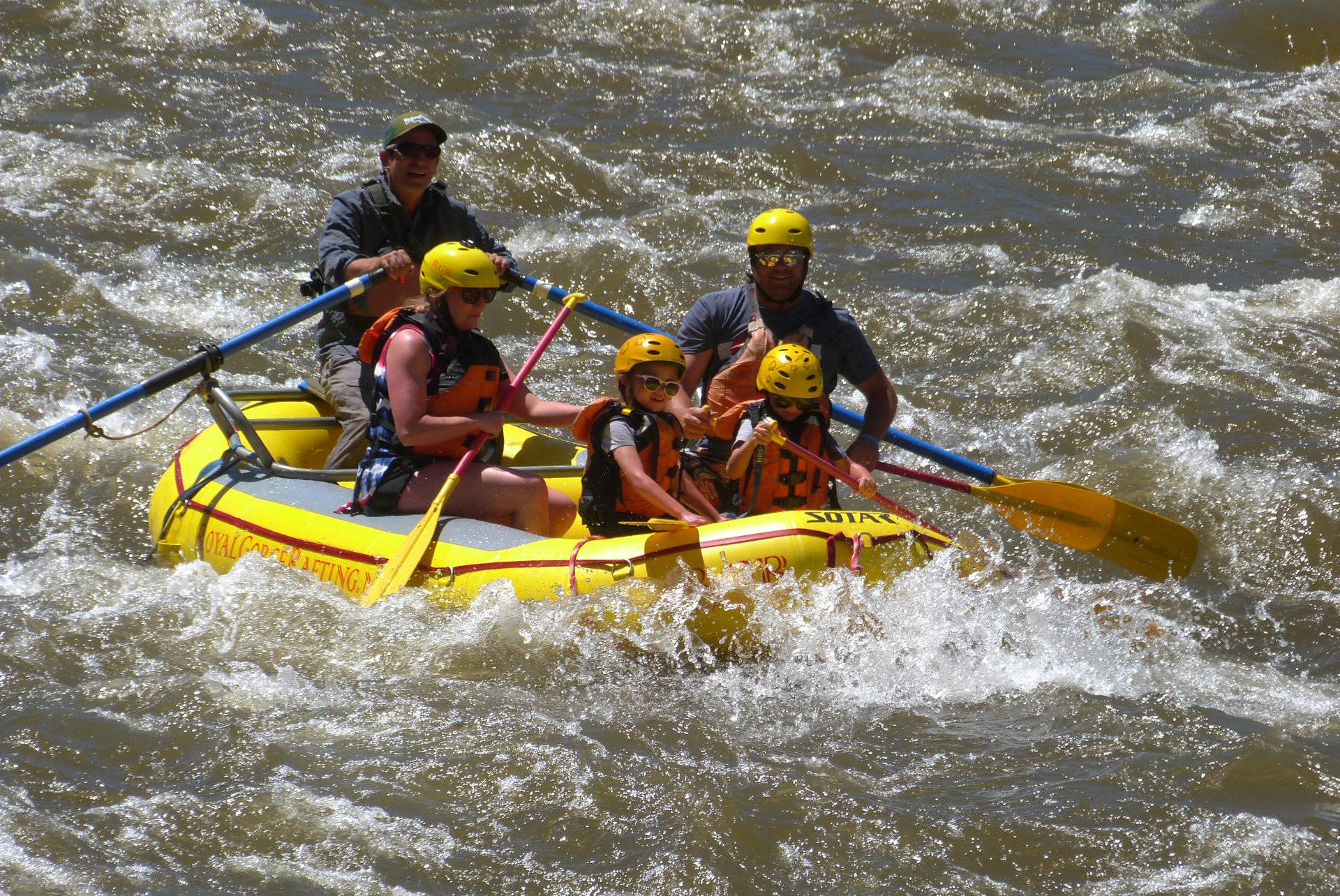
    It reminded me recently of a white water rafting trip we just took the kids on.  I joked (but was dead serious) that I only slightly panicked most of the time.  On the bus ride to the drop off, the guide was going through all of the safety precautions and I started to freak out. Truth be told, I actually go to the bank of the river and told the guide we weren’t going.  Fortunately for me and my family, he convinced me to get on the raft.  This after I explained dyspraxia and her difficulties with balance and coordination and my concerns for her safety and ability to follow directions if bumped out of the raft.

    He told me he would put me right behind her, would have straps my kids could hold onto for balance, and during the times he didn’t need me to paddle, I could hold onto her shoulder.  However, he did say that when he told us to paddle, he NEEDED us to paddle because that is what was going to ensure the best stability in the raft for getting through rapids.  I struggled with my fear.  I looked at my kids eager to go, my husband shaking his head at me disapprovingly for threatening to allow my fear to ruin the fun; but then ultimately I thought of Ashlynn and how she faces every fear head on and I knew I had to do the same and do what the guide told me to do.  I put every ounce of my being into paddling when he said to paddle and made sure I was in step with my husband’s paddle on the other side.

    During the times I didn’t have to paddle though, yes, I was holding her shoulder. 

    Not to make excuses, but I did watch this girl drown once and I still can’t re-read that post.

    Anyway, back to the bike.  At the driveways I kept yelling “keep pedaling Ashlynn.”  She stopped after awhile and told me she wanted to get off and walk her bike home.

    “No, Ashlynn.  I’m sorry.  I’m not yelling at you okay?  I’m proud of you!! I’m just telling you that to get through the hard parts you have to KEEP pedaling okay?  Remember last weekend when we went white water rafting and our guide told mommy and daddy to keep paddling during the really big rapids?”

    “Yes,” she replied hesitantly.

    “I was really scared Ashlynn.  I was so scared if I didn’t have my hand on your shoulder you would pop out but I knew to get through the rapid as smoothly as we did I had to keep paddling and not stop.”

    “Yeah?” she said.

    “Yeah baby.  So that’s all okay?  Don’t give up!!  During the hard times we have to keep paddling.  You have to keep pedaling and you won’t fall okay?”

    She looked ahead of her with grit on her face and she flexed her thigh muscles and started pedaling again.  I ran beside her all the way home.

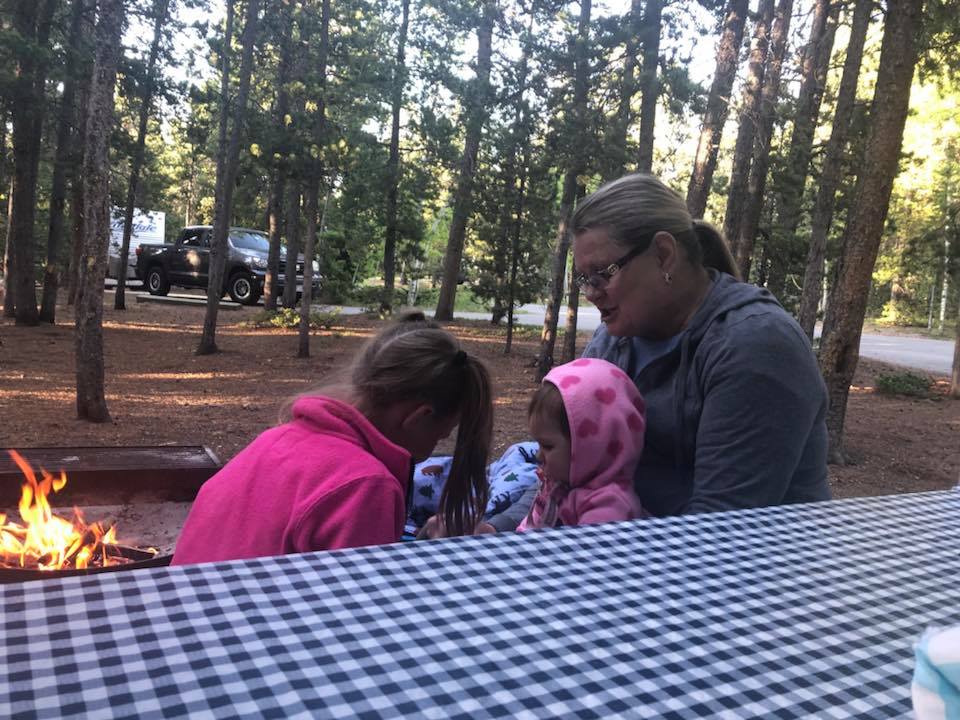
    As I was reflecting, I remembered a moment on our camping trip we came back from yesterday.  She was sitting with her Grandma and baby cousin reading “Brown Bear” to her.  I took this video, and when she caught me she said with a big grin,

    “I want to be a teacher mama.”

    As I hugged her tonight, I told her,

    “You already are.”

  • Report cards are bittersweet with special needs

    Report cards are bittersweet with special needs

    End of the year is here! Summer is around the corner and the excitement of summer is palpable. There is something else though that is tangible I hold right before the excitement of summer.  It’s a small manila envelope that holds the children’s report cards.

    When I was a kid, I LOVED report card season.  My report card was always glowing.  I couldn’t wait to take it home and show my parents who would shower me with accolades and possibly reward me with ice cream.  I could not WAIT to open up that envelope and see the delicious and positive contents hiding inside.

    Ashynn, my first born child with apraxia and related learning disabilities was the second time aside from myself that I had looked at report cards.  I remember opening up her first one and feeling like someone had sucker punched me.  Despite her working hard every night, and going to therapy almost every night, the scores were more than concerning.  The grades were absolutely devastating.

    Yes I KNEW she has on an IEP. Yes I KNEW she had a modified curriculum and the report card shows her performance based on same aged peers.  Yes, I KNEW that.  It didn’t make the blow any less intense.   How was it fair?? While other kids played soccer or did gymnastics, mine spent every spare minute in a therapy and yet she was still behind.  Again I ask you, “How is that fair??”  As she went through first grade I started taking longer and longer to open that envelope.  You have to work up to putting yourself through that kind of pain again.

    Ashlynn is in second grade now.  Her manila envelope aka report card was sent home first.  I saw it in her backpack. Yes, I saw it.  I never pulled it out.  Why would I?  I know what I’m going to see.  I’m going to see that in spite of the fact that she has therapy after therapy and tutoring after tutoring after school; she remains dificient in most areas of her life. Despite her positive attitude, her resiliency, and her stellar attention to task and work ethic in therapy…she has true disabilities that will persist throughout her entire academic career and will be highlighted by the scores on her report card.

    Yeah so that report card. It kinda makes me sick.  I have to work up to reading it and it usually takes a couple of weeks.

    One day later a same manila looking envelope ended up in my son’s backpack.  I found myself excited and ready to tear into it!  I had a hard time waiting until we drove home.   I was over the moon to read the narrative,

    “It has been a pleasure to be Jace’s Kindergarten teacher.  He is outgoing, inquisitive, and comes to school excited to see his friends. He is a hard worker and determined to do his best. He takes great pride in his work.”

    I looked at the description with awe.  The same could have been written about my daughter with disabilities, yet, this person, MY SON, had scored all three’s (A’s) and my daughter still remained far behind.

    My daughter is outgoing, inquisitive and loves to see her friends too.  She is a hard worker and is determined to do her best.  She takes great pride in her work too.

    The next morning I received a text from her special education teacher.

    “Did you read A’s Progress Report yet???”

    I had been caught.  I felt ashamed, but I wrote back honestly and said,

    “Looking at her report card is so painful I have to work up to looking at it.  It usually takes a week or more.”

    She wrote back that after her IEP in March she had completely revamped her programming and she encouraged me to look at it.  I thanked her and sighed a heavy sigh.  I wanted to see all the progress which would be on the special progress reports that are added to the report card based on her IEP (Individualized Education Plan) goals, but I would have to look at the report card too which I knew still had low scores.  I looked at the two manila envelopes lying on the floor in the living room.  One opened, and one un-opened.  I want to read all the wonderful progress, but I’m just not ready to get punched in the gut today with the other papers sitting behind it.

    Not yet.

    I will.

    I promise I will.

    I just can’t face it yet today.

  • Diagnosis, Disability, and Finding your Tribe

    Diagnosis, Disability, and Finding your Tribe

    ​Parenting children is hard.  That isn’t a secret.  Parenting a child with a disability has even extra challenges that shake us to our core.

    I have a daughter with special needs and numerous learning challenges.  When she was almost three, she received her first diagnosis of Childhood Apraxia of Speech, a rare and severe speech disorder in children.  That was the beginning of many a “dark day” in my parenting journey with her.  I remember putting her in her car seat, tears in my eyes as her bright blue eyes smiled back at me and seemed to ask, “why are you crying?”  I sobbed that day.  I cried for so many reasons.  Fear, uncertainty, guilt and confusion.  I texted a friend I was devastated, and I truly felt like I had the wind knocked out of me.

    Slowly I found a community of parents who had children with apraxia as well; and I started to feel hope again.  I started to believe what was possible for their children was possible for mine as well.  I found my tribe, as I like to say.  All these parents understood me, my daughter, our challenges and the significance of our small successes!  I discovered there was a walk to honor kids like mine and spread awareness.  I connected with others in my community and no longer felt alone.  I no longer felt devastated but instead felt blessed by the friendships I had formed.

    My daughter has went on to receive multiple and additional disabilities since that first one of apraxia.  I can’t lie.  Each new diagnosis, report, or low test score feels like a punch in the gut all over again.  However, we have our people now.  We have our tribe.  We have others who understand.  They understand that sometimes you are in such a state of deep grief you can do nothing else but cry and cannot face the world that day.  We also know that stage doesn’t last, and when a member of our tribe is down, we will rally around them and be ready to pick they back up when they are ready to face the day again.

    I learned that some of my darkest nights were followed by the most glorious sunrise; and I found that sunshine in the community around us.  No one should suffer alone.  No matter the struggle, we should all find others who understand our unique situation in the world.  For us, community was the light that found its way into the dark tunnel of grief and showed us the way out.

  • Not walking to jumping jacks. A journey through OT and PT

    Not walking to jumping jacks. A journey through OT and PT

    There is this video of Ashlynn learning to walk.  It’s a video I have only reviewed once because it used to break my heart.  My daughter was 17 months old and still not walking.  My husband and I bought her the kid version of a walker, and almost every night we would encourage her to “walk” with it from one side of the room to another.   At the time, I of course knew she was delayed.  Why I didn’t seek early intervention for these delayed milestones is still beyond me.  Pride is a nasty bugger.

    Anyway, I was determined to help her and work with her just like I was doing with speech.  I just knew this walker would be the bridge that completed the gap.  She was excited and stood up with it right away.  Soon, it quickly started to roll away and Ashlynn’s legs, unable to keep up stretched out behind her and left her tumbling to the floor.  Despite the failure, my husband and I were excited and cheered her on in video after video.

    It still wasn’t until almost a year later she finally was put into PT and OT for delays in gross and fine motor skills due to motor planning.  This sounds crazy, but when she was identified through Child Find close to her 3rd birthday, I still had never heard the terms dyspraxia or developmental coordination disorder.  I knew she was delayed, but I didn’t know why.  I kept thinking she must have cerebral palsy or something.

    Today at the age of 8 years and 3 months, my daughter executed 10 jumping jacks.  “What’s the big deal?” you might say.  It is so difficult to explain the steps it took to get there, but I’m going to try because it absolutely blows my mind.

    It started with just a simple jump.  My daughter had to be taught how to even jump.  They started her on a trampoline in which she could only march, and graduated to her feeling the bouncing motion with her body and she bounced with her feet planted on the tramp holding a bar for balance.  Soon after she was able to catch air on the trampline, which paved the way for an actual jump on hard ground.  Learning how to bend her knees and propel herself upwards was a challenge, but once she had succeeded we had assumed she had the jumping thing down.  We were wrong.

    Jumping vertically was one motor plan, jumping forward was another.  It took her more time and effort in OT and PT to learn how to jump and then to jump forward.  Once she had that down, we assumed she had the jumping thing down.  We were wrong.

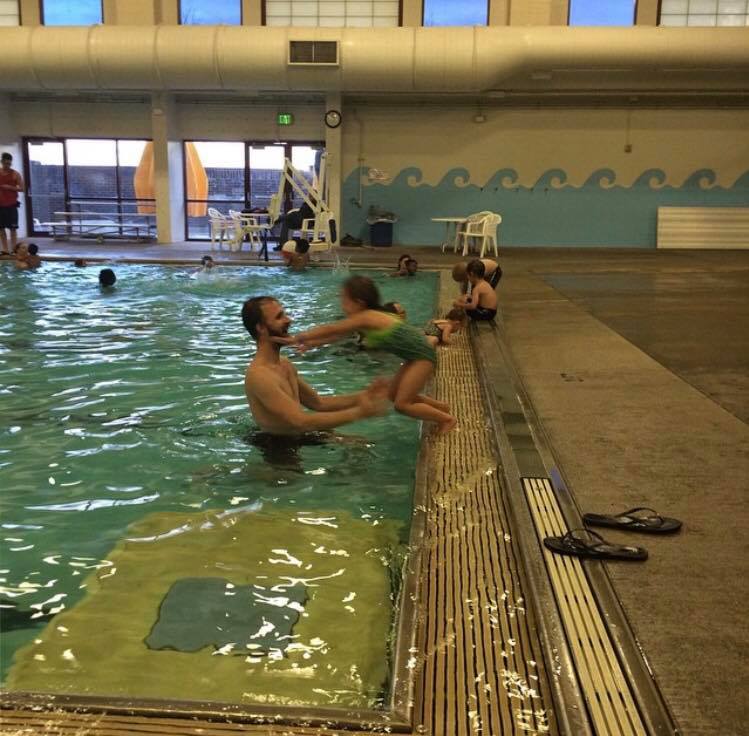
    Jumping off a ledge, or even a small curb is completely different than just jumping forward because the depth change is a different motor plan and involves spatial awareness and balance.  It would be more time and effort spent in therapy to learn this and not only learn it, but to keep increasing the distance of the ledge.  Jumping into the pool took a very long time for example.

    Ashlynn pool jump 5 1/2

    Next came skipping.  I had no idea skipping involves hopping, as we basically “step-hop” (as her therapists would say).   “Step-hopping” is harder because it requires a child to be able to hop on one foot.  That is yet another different motor plan from jumping together with two feet.  Oh, and it also requires a child to “alternate” their steps. Ashlynn was still taking the stairs one foot a time.  She would have to learn to alternate climbing.  During this time she first learned to gallop with one leg.  This stage lasted awhile until she could finally coordinate her second leg to follow suit.  After awhile, a slow and methodical skip began to take form.

    I might add crossing midline, vestibular activies, and balancing goals were also being worked on.  When you put all of these skills together, the last mother of all motor plans and total body coordination is nothing other than a

    JUMPING JACK.

    A Jumping Jack!  A fun activity most typical kids pick up one day around 5 years old in gym class. No therapy required.

    My daughter has been able to execute about two jumping jacks for awhile, but actually getting the motor plan down to do ten in a row was taking a collaborative effort between OT and PT.  Ashlynn true to her nature, always practiced at home.

    Tonight, at the age of 8 years and 3 months, my daughter who walked late and consequently went on to learn every gross motor skill through extensive time and work in therapy, executed 10 jumping jacks independently.  Her excitement was so palpable she asked me to record her, and she never asks me to record her because she always freezes!

    THIS moment is Ashlynn’s first place blue ribbon.  THIS moment, basically 3 years beyond her neurotypical peers, is our gold medal. I have long since toughened my skin to all the precocious and amazing things my facebook friends’ children are doing.  None of that matters.  Comparison is the thief of joy. What matters is my daughter wakes up everyday and fights to do things most others take for granted and she attacks it with a drive and determination that is unprecedented.  I have come to realize, my daughter learned the key to success early on; and though I still worry about her future, I know I shouldn’t.  I know I shouldn’t because I have inspirational quotes constantly running through my head.  Babe Ruth: “It’s hard to beat a person who never gives up.”  Michael Jordan: “I have failed over and over in my life and that is why I succeed.”

    So many others too.  Too many.  Ashlynn always succeeds.  She has this internal motivation and drive.  She competes with no one else either.  She measures herself to the bar she has set for herself and strives to do better than she did the day before.  It is remarkable.  It is what ALL of us should be doing everyday.  Can you imagine how amazing this world would be, if instead of getting older and accepting our “place” in life, we all woke up striving to be better than the day before.  Setting goals and not stopping until we reached them?  Always aiming higher, and higher and higher?  When did we as adults stop doing that?  When did I stop doing that?

    I don’t know when I stopped, but I know when I started again.  I started again after watching Ashlynn.  Watching her literally fight her own body and failing two many times to count.  But then, I have watched her rise victoriously too, time and time and time again.

    As a child I always cared what people thought. I always measured my worth by the A on the paper, the awards I won, the medals I received, and all the accolades that were given to me.  The problem is that leaves one in a very vulnerable position.  Ashlynn learned the game of life early.  We need to strive to be a better version of ourselves than we were the day before.  The only person we should be competing against is our past self.

    I had a parent tell me the other day that there is a certain beauty in parenting our kids because we celebrate everything so much more.  I had to agree.  The human experience is this exact sentiment.  We take for granted our health, until we don’t have it.  We take for granted the sunshine, until we are knee deep in the snow.  We take for granted our children’s laughter, until we watch them go through pain.  We take for granted finding love, until we get our heart’s broken and so on and so forth.

    Parenting Ashlynn has made me realize this tenfold.  We take for granted our legs, until they don’t work or cooperate.  We take for granted our speech, until we have no voice to communicate.  We take for granted all the mundane things we do like getting dressed or brushing our teeth, until you see someone like Ashlynn struggle for years to get it down. You take for granted your ability to do a jumping jack, until you see over a span of not days, not months, but years, YEARS, of all the little wins along the way that were fought and won just to be here where we are today, watching the executing of 10 simple jumping jacks.

    [wysija_form id=”1″]


  • Interview with Mikey.  The wish that turned into a passion.

    Interview with Mikey. The wish that turned into a passion.

    I am so excited to have probably my favorite person I know on social media I know with us today. His name is Mikey and he is admin to the page Mikey’s Wish – Verbal Dyspraxia Awareness. Mikey’s famous tagline is that himself and others with verbal dyspraxia/apraxia are “too cool to follow the neurotypical rule.”

    Mikey thank you so much for being here! For my readers who don’t know, can you start by telling us about yourself?

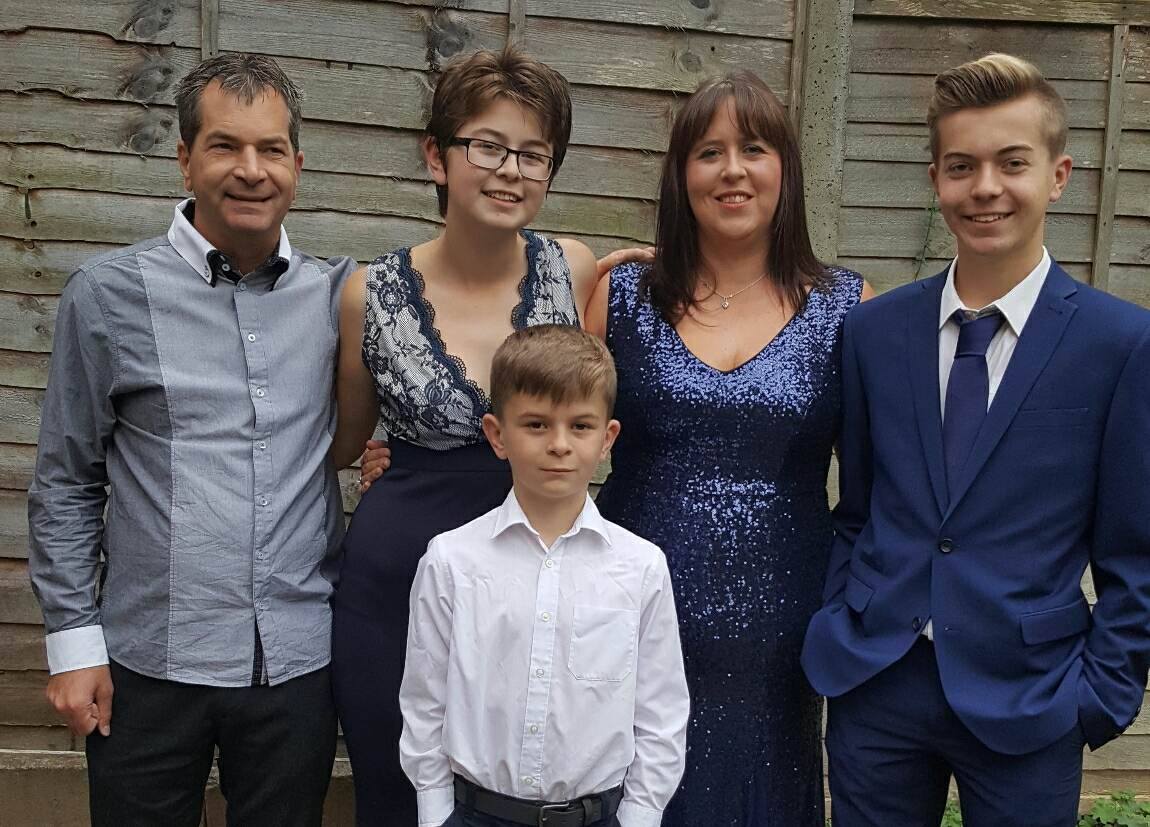
    My name is Mikey and I am 16 years old. I was diagnosed with verbal dyspraxia/apraxia when I was 2 and ½ years old. I live in a village just outside Birmingham in the UK. I finished school last year and I am now doing a level 3 photography course in college. I live with my mum, dad, older sister Becki and younger brother Ben. My family have been a huge support throughout my journey with verbal dyspraxia.

    1. What made you decide to start your facebook page of now 6000 worldwide followers and how have you seen it grow and evolve?

    I started my facebook page 3 years ago after writing a poem called ‘I am the Boy’ about living with verbal dyspraxia/apraxia and wanting more awareness. This prompted a conversation with my mum where she said that the loneliness and not knowing anyone else who shared my diagnosis was the hardest thing to live with. This made me think that if my mum felt this way there must be others feeling the same. I had seen many facebook pages about verbal dyspraxia but they were more about parents asking questions and looking for answers. I hadn’t actually seen one from the point of view of the person living with it. That is when, with support from my mum, I set up my Mikey’s Wish Facebook page. It started off with the aim to raise awareness but the more I shared my story of growing up and living with verbal dyspraxia/apraxia the more I realised that it was actually helping others who shared my diagnosis and their families. I began receiving messages from people thanking me for helping them to understand what their child might be going through and also helping their child realise that they were not the only ones living with verbal dyspraxia/apraxia. I was actually giving them hope for the future. Supporting others, knowing that I am helping others understand their child’s diagnosis and helping them realise that there are others sharing their diagnosis is the most rewarding part about sharing my story on my Facebook page.

    1. How has verbal dyspraxia/apraxia affected or changed you in more ways than just speech?

    When I was younger living with verbal dyspraxia was difficult. Struggling to talk in a world where so much importance is put on speech, watching all those around you find speech so easy wondering what is wrong with you is soul destroying. Then going to school, already feeling different, to then find out that you also struggle with reading and writing even at a young age knocks your confidence. My family and school had to fight to get a Statement of Educational Needs so that the school received the funding needed to give me the 1:1 support and speech therapy that I needed to have any chance of achieving. Even with all this support in place I still started senior school 4 years behind my peers, still feeling different and not good enough. My self esteem and confidence were really low. I was determined to improve. My speech was becoming intelligible and I had great support in school. I had access to 1:1 support in most lessons. Dyslexia was also mentioned throughout my schooling but because I already had great support in place it was decided that we didn’t need to push for a diagnosis. After 4 years in senior school I managed to all but catch up with my peers and I managed to gain 3B’s and 3 C’s in my GCSE’s and managed to secure a place at college doing a level 3 photography course. Even now, at 16 years old, having had amazing support from everyone around me I have huge anxiety surrounding my speech. I can’t bring myself to talk in front of people I don’t know and social situations can be difficult. Having said that I am surrounding by a large group of amazing friends. Verbal dyspraxia/apraxia, I believe, has moulded me into the person I am today. It has made me compassionate, quietly confident and determined.

    1. What would you want people to know about you and others living with verbal dyspraxia/apraxia?

    I would like people to know that those of us that happen to live with verbal dyspraxia/apraxia are just ‘normal’ people. We can understand everything that is said to us. We know in our heads exactly what we want to say but the messages from our brain to our mouth get mixed up causing our speech to become unintelligible. Once our speech becomes intelligible we can then also be left with word finding issues. If you are lucky enough to come across someone with verbal dyspraxia/apraxia just give us time to process what is said and find the words we need to answer you. Take the time to understand us. Not being able to talk does not mean that we are unintelligent. We are intelligent, amazing, hardworking and determined. Just take the time to get to know us and we could end up being the coolest person you know.

    1. What advice do you have for those growing up with and/or living with verbal dyspraxia/apraxia?

    The advice I would give to others growing up with verbal dyspraxia/apraxia is to work hard on their speech but don’t let it get them down. It will be a long, slow road but it will be so worth it. I know that it is hard growing up feeling different but as you get older you will realise that it is the difference that makes you, you. Fighting for a voice, facing adversity and overcoming everything that verbal dyspraxia/apraxia throws at you is what will mould you into the person that you will become. I would not be me or had all the amazing opportunities that I have had if I didn’t have verbal dyspraxia/apraxia and I am proud of who I have become and what I have achieved so far. You are amazing and don’t let anyone tell you any different. Embrace your uniqueness.

    1. What advice do you have for parents of kids with verbal dyspraxia/apraxia?

    The advice I would give to parents is be supportive but not too pushy. Fight to get your child the support they need but don’t make them feel any different from their siblings. My family have always been really supportive but they have never treated me any differently from my siblings. I have been given the same opportunities as them and never been stopped from doing or trying anything. Don’t push too hard with speech therapy. Obviously it needs to be done but try and do it in a way that the child doesn’t know they are doing it. Play family games and make it fun. It’s hard for a child spending all day in school and then come home and be sat down to do even more work, especially when it is so difficult and frustrating for them. Finally, it’s a long, hard road with no quick fixes so celebrate every tiny milestone.

    1. Why is awareness so important to you? What is your ultimate goal?

    Awareness is so important to me because it is the lack of awareness and understanding that is so difficult to live with. Having to explain to everyone you meet why you struggle to communicate or why your speech sounds ‘funny’. Everyone deserves understanding. Young children being called lazy because their speech is delayed when they live with a neurological speech condition is wrong! Parents being told that it is their fault because they didn’t talk or read to their child enough is wrong! Professionals having never heard of verbal dyspraxia/apraxia is wrong! Schools not having any strategies or understanding of how to teach those with verbal dyspraxia/apraxia is wrong! Discrimination in the work place because of some ones speech is wrong! Awareness and understanding of verbal dyspraxia/apraxia is the only thing that will help change all those wrongs. My ultimate goal would be for verbal dyspraxia to be known and understood in every school, college and work place so that those who share my diagnosis will get the understanding and inclusion that they deserve.

    Mikey I can’t thank you enough for this interview but also just for ALL that you are doing to for verbal dyspraxia/apraxia worldwide!  You are an amazing young man who gives me so much hope for Ashlynn and also comfort in knowing she has a worldwide community who has her back.  Thank you for encouraging her and all others!  You have already accomplished so much at 16 and I have confidence that in the future you will see all that you wish to see come true.  Maybe me and my daughter Ashlynn with apraxia will meet you one day!

    To follow Mikey and his story follow him on:

    Facebook: Mikey’s Wish – Living with Verbal Dyspraxia

    Twitter: Mikey’s Wish

    Instagram: Mikey’s Wish