Category: Childhood Apraxia of Speech

  • It’s rare, so no one cares?  Prevalence of CAS

    It’s rare, so no one cares? Prevalence of CAS

    What’s that?

    If you have a child with CAS (Childhood Apraxia of Speech), you have heard this question once, twice, many, numerous, too many times to count in the course of their life.  We all have developed our standard answer since we are prepared for the fact that no one knows what apraxia is.  This sadly does not just include the general public.  We run into this with doctors, teachers, professionals, and yes, some parents have even reported getting this question from Speech/Language Pathologists!

    I am a self-declared Apraxia Advocate and the reason I’m so passionate about awareness is because with awareness comes proper diagnosis, and only after a proper diagnosis can the child get proper treatment.  Only with proper diagnosis will we understand additional learning difficulties that may arise from this disorder; which means we will be better equipped to understand how they learn differently and tailor their educational programming better to fit their needs.

    We say that CAS is a rare and severe speech disorder.  We convince ourselves people don’t know about apraxia because it’s so rare, and sometimes, I think we all start to accept nothing will change.  Afterall, it only affects 1-2 children in every 1000.

    I certainly have my down moments where I have thought this, but it actually has never deterred me or stopped me from my efforts.  I’m preparing for a presentation in July for the CASANA conference, and something made me look up prevalence rates of other disorders.

    Have you ever heard of Down Syndrome?  Are you reading this thinking what a silly question? I’m willing to bet 99% of you have heard of it.  It’s covered well in graduate school for speech, and usually every school setting has at least one child with DS in the building.  At the very least, most teachers, educators, professionals, and most of all therapists have heard of Down Syndrome.

    Would it surprise you then if I told you the prevalence rates for Down Syndrome are 1-2 children in every 1000 births.  Sound familiar?  Maybe that’s just because I just wrote that figure for CAS.

    I actually started to get worked up.  Wait a minute.  What is wrong with this picture?  That can’t actually be right can it?  I thought to my own personal experiences.  At one school building I have two kids with DS and in a second, I have one.  At one school building I have two kids with apraxia, and at another I have two as well.

    Wait, so how is it EVERYONE it seems has heard of Down Syndrome, but no one ever seems to know what apraxia is?  Oh friends, this bit of data has now only strengthened my resolve.  At one point, somewhere, I’m sure Down Syndrome was a rare disorder too that no one had heard of.  Oh friends, we need to step up our game.  We need to stop accepting that no one will ever know or care about apraxia (oh fess up!  I know we’ve all been there at some point). The it’s rare so no one cares attitude is not acceptable anymore.

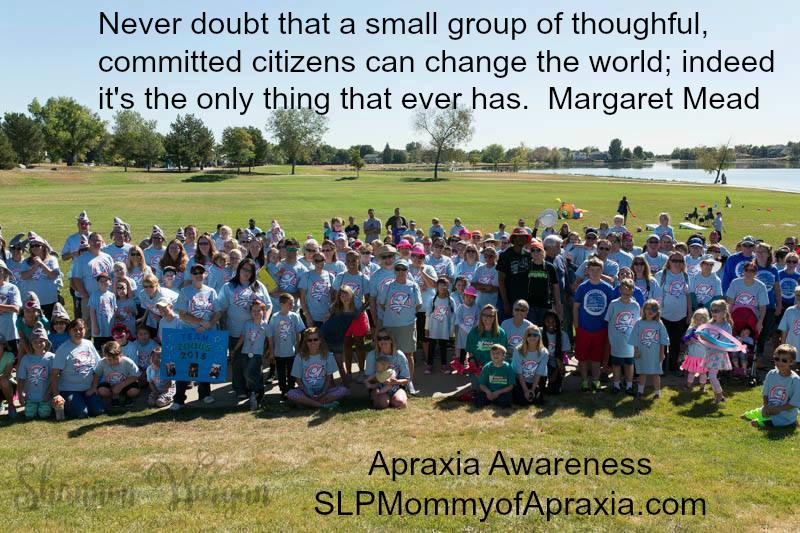
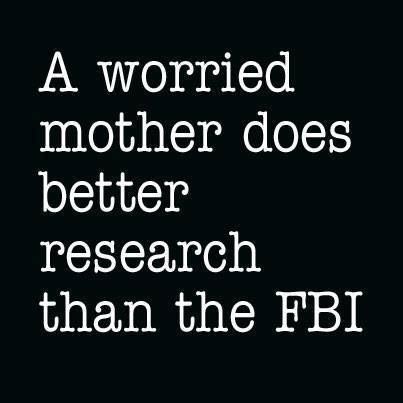
    We have to continue on!  I saw this the other day and absolutely loved it.  I can tell you I know many apraxia walk coordinators nationwide now and we all have this in common.  Every person counts.  Even one more person who knows what apraxia is, is a victory.

    Let’s stop thinking rare=unknown, because it’s not true.  We only need to look at the Down Syndrome Community to prove that point.

    It’s time to make our collective voices louder.  Join your local walk, educate the community around your child; remember, every person counts.  CAS was only accepted as a real and distinct disorder in 2007, which really wasn’t that long ago….but the point to remember is that it IS a real and distinct disorder and our children DESERVE to have professionals in their life who are as familiar with apraxia as they are with Down Syndrome, don’t you think?

  • That’s not acceptance, that’s discrimination

    That’s not acceptance, that’s discrimination

    “That’s not acceptance, that’s discrimination.”

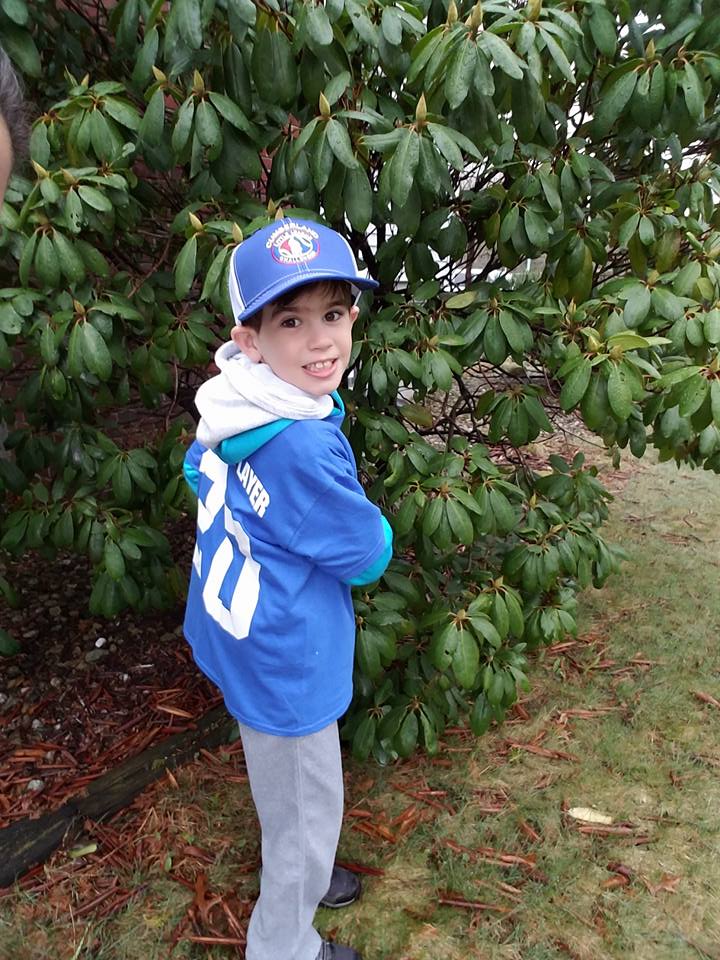
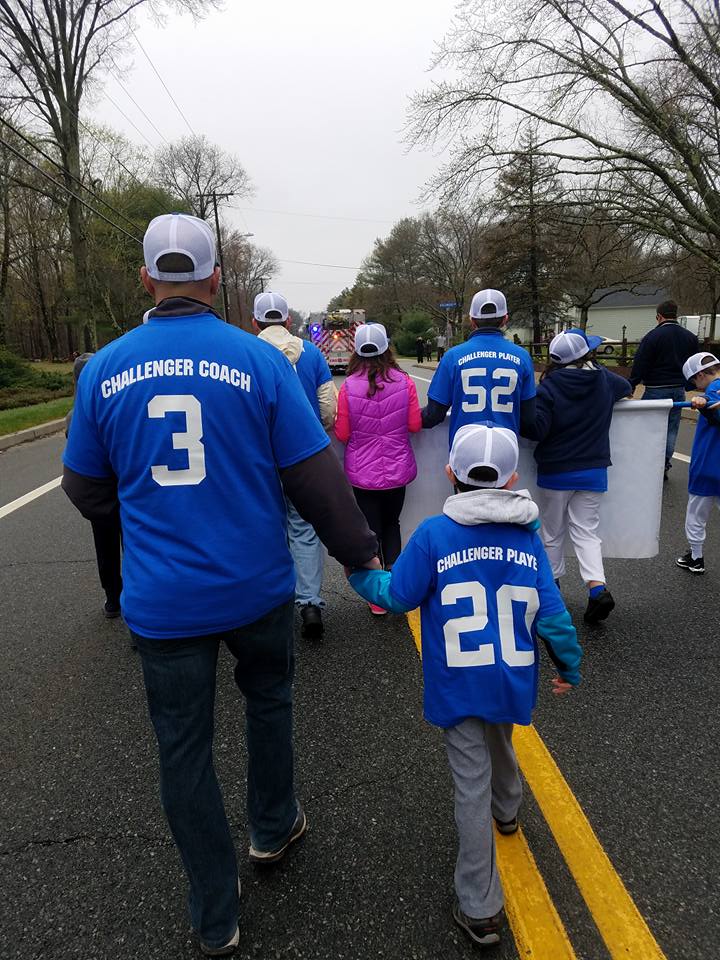
    I watched a fellow apraxia mom say this today while she wiped tears from her eyes.  Why?  Well, she was looking at a beautiful newspaper article in the Valley Breeze that she bought special.  She knew it featured her seven year old son who threw out a first pitch along with two other children that day, and couldn’t wait to see his picture and read about it.

    She knew he would be in it, because the paper made a big deal to take his picture, make his mom sign a photo release, and took down some information.  Her son has severe apraxia and dyspraxia, conditions that make it difficult for children to learn how to speak and how  to literally learn every single motor movement, causing significant developmental delays.  Her child has the same condition as MY child.  He has to work about 1000x harder than ANY other kid to learn how to do something others find so easily like talking, running, cutting….and he does through HOURS of therapy.  In many ways, he sacrifices a normal childhood because of all the therapy, so you can imagine how special being in a baseball little league feels to him, even if it is the “challenger league” for kids with disabilities.   Our kids don’t get a lot of “awards” “accolades” or even opportunities to feel good at something.  It’s heartbreaking. They struggle with everything.

    So that’s why throwing out the first pitch alongside two other children was an incredible day and Kendra couldn’t wait to see his smiling face in the paper.

    As she opened it up, her eyes first scanned the pictures.  Her smile and excitement quickly faded to confusion and disbelief.  Where was her son?  There were the two other kids.  The “typical” kids who threw the first pitch alongside him.  In fact, there was not just one but TWO pictures EACH of the children.  Maybe there was some mistake?  Maybe he was on another page? I can imagine her looking at the page before and the page after, yet, Talan was not anywhere to be found.  In fact, though the other little league team was pictured, NOT ONE CHILD from the challenger league was pictured, and THAT my friends is why Kendra came to say,

    “This is not acceptance.  This is discrimination.”

    How is this possible in 2017?  I mean seriously.  It’s not even special treatment to feature Talan.  All Kendra wanted was equal treatment.  Every child who threw a pitch was featured EXCEPT for Talan.  That is not an honest mistake.  This is blatant discrimination.

    Every child, disability or not, is still a child.  They want to feel accepted.  They want to feel proud.  They want to feel included.  They want to have friends.  They feel happiness people and yes, they FEEL sadness too.  The message is clear.  He doesn’t matter as much as the typical kids.  He doesn’t have as much to offer. Despite taking his picture and his information, it wasn’t worthy of being featured.  Oh well, he doesn’t talk right?  He’ll never know.  Oh well, he can’t read, let’s feature the kids who can.  It’s not like Talan will know the difference right?

    “This is not acceptance.  This is discrimination.”

    I write this piece for Kendra, because sometimes it feels like no one cares.  Like our kids don’t matter, so we have to care about each other because if we don’t take care of each other, no one will.  It’s so hard to get people to care, and it’s easy to silence our kids because they didn’t have a voice to start with.

    How screwed up is that?

    “This is not acceptance.  This is discrimination.”

    Letting him throw a first pitch, taking his picture, and writing down his information to NOT feature him alongside his typical peers is egregious.  Valley Breeze, you know what you really missed out on?  A chance to feature a beautiful piece on children of all challenges  playing and living harmoniously.   We aren’t asking for special treatment.  We are just asking to be included and have this world appreciate and include children and people of all walks of life.  This piece would have been the PERFECT opportunity to do so, but instead, the Valley Breeze chose exclusion and discrimination.

    Shame on them.  So guess what.  I’ll do what the journalist at the Valley Breeze failed to do.  I’ll feature Talan and his teammates on the Challenger League in Cumberland Rhode Island.

    The Challenger League sign is “Never Let the Fear of Striking out Keep you from Playing the Game.”

    Way to go kids and let’s make it a great season!  We see you!  We love you!  We’re cheering for you! Go baseball!


  • Why do we call it “childhood” apraxia of speech?  Isn’t it lifelong?

    Why do we call it “childhood” apraxia of speech? Isn’t it lifelong?

    Ever wonder why CAS is called Childhood Apraxia of Speech? Is it really necessary to have the word “childhood” in there?  Doesn’t it ostracize those who never truly outgrow apraxia?  Plus, isn’t it a lifelong neurological disorder? Why can’t we just call it apraxia, or verbal apraxia? You might be surprised to know the reasoning was more thought out than you might think.

    If you’ve ever had these questions, Sharon Gretz, founder of CASANA, has answers!

    I can speak to this issue from history and experience! When my son was diagnosed at age 3, the “disorder” was called “developmental apraxia of speech”. Over the years of developing parent support and ultimately CASANA, it became clear that many (including insurance companies) interpreted the word “developmental” to mean that a child would outgrow the problem. That all would be well if more time was given for speech development. We all knew that was a bunch of Bull#hi$! These children were not going to “outgrow it”.

    Why is it necessary though to have the term “childhood” in the name?

    When I incorporated CASANA, and with consultation with founding board members Kathy Hennessy and Mary Sturm we decided on the name “Childhood Apraxia of Speech”… So, this term signified that this problem has begun in childhood – at some point of childhood. In most cases, there were no known “causes”, however, a population existed in which we learned children with various neuro-developmental disabilities had apraxia of speech and also children whom had neurological events occur (stroke, injury, illness that caused a brain change). The “Childhood Apraxia of Speech” term was a cover for ALL of those incidents or occurrences in childhood. The more that various researchers heard of the  term, the more they believed that it did in fact – COVER – all children who, for whatever reason, end up with apraxia of speech.

    So why do we use the terms juvenile diabetes, or juvenile arthritis, or childhood leukemia or any number of similar terms? We do that because the same conditions appear in adults, but yet, when they appear in children there are different ramifications that may not appear in the adult onset condition. Knowing this about someone, an adolescent a teenager, for example should mean something to a trained professional. They should understand that the clinical issues and/or appearance of the disorder or difficulty is likely to be different than if that client before them did not experience that same issue in childhood.

    I can also say from a personal perspective that young adults whom have dealt with CAS, call “it” or its remnants whatever they want to call it. Most of them will say apraxia or speech apraxia. It is their prerogative of course! Why would anyone dispute that? And yet, understanding that they “grew up” with apraxia of speech during their formative developmental years, provides a different foundation than to say the young person acquired it as an adult via brain injury, damage, etc.

    I was privileged to be the consumer adviser to the ASHA AdHoc Committee on Apraxia of Speech in children. Their published document began to change things for our kids in a positive direction. For the very first time, children with CAS were recognized as having a specific speech sound disorder which was different than other disorders and that their evaluation and treatment needed to be different. Do you realize this was only 10 years ago??!! Progress seems slow, I know it. But, if you were among those of us who have young adult children, you know that life is much better for you and your children than it had been even 10 years ago!!

    Thank you Sharon for always advocating for our kids, looking out for their best interests, and ensuring a better future for every child who has apraxia!

  • To love something with all your heart may also mean you have to let it go: The future of CASANA

    To love something with all your heart may also mean you have to let it go: The future of CASANA

    I’ve never been involved with non-profits until recently.  I mean, I had the couple that I liked and donated to and then went about my merry way.  Once I had Ashlynn and met Sharon Gretz, the founder of CASANA, knowing I could never repay her for the kindness and support she gave me, I turned to supporting CASANA 100%.  As a mother to a child with apraxia herself, Sharon automatically had 50% of my trust, and the other 50% was earned very, very quickly.  Sharon cared.  That’s the bottom line.  She has an incredible gift for bringing people together and getting people support. I cannot tell you how many times I thank God he gave this world a Sharon and her son Luke.

    That’s why her stepping down announcement was shocking.  She said it was for the good of the non-profit, and she said these changes happen, so we all trusted her like we always have.  We meaning the base.  There is a base of CASANA supporters spread out across North America, and she connected with us on some level. That’s what made her special.  She lives in Pittsburgh but could make these sincere and genuine connections nationwide that made people like me want to give 100% in helping CASANA.

    We all tried to take it in stride.  To say we were shocked and devastated was an understatement.  We all had no idea this was coming. We loved Sharon though, legit.  It’s weird to think you can love someone you have only met a couple times, but I guess as I said, that is her gift.

    We waited almost with baited breath who the new interim director would be.  Let’s be clear, we all knew no one could replace Sharon.  No one.  It’s like a dad who says no man will ever be good enough for his daughter……that’s the kind of love we have for Sharon.  She’s just that important to us. However, when the interim director was announced there was no mention of apraxia.  No connection to it at all.  If you remember, I told you Sharon had my first 50% trust because of that alone.  The resume was impressive.  This woman knows non-profits, so that’s good…..we guessed.  We all tried to convince ourselves someone who has no connection to apraxia can fill Sharon’s hole, and then we all started to panic.  Silently at first, but then slowly we started whispering to each other.  In tandem, Sharon seemed to be pulling away.  She told people she wasn’t going to be at the apraxia conference or the apraxia walk. Things she had always done in the community now were leaving too.  We all didn’t understand.  Had we burned her out?  Was she done with apraxia once and for all?  How could she seemingly turn her back on us?

    One apraxia mom and CASANA supporter told me reading about the new director was like meeting dad’s new girlfriend for the first time.  It’s funny, but unfortunately, there is nothing funny about that feeling.  We all started feeling hurt.  Would this still be the CASANA we once knew?  It felt like the heart was gone now, and with no heart, there isn’t much motivation.

    I decided to bring it to Sharon.  I knew she would be hurt but sometimes when you love someone and you value the relationship with them, tough conversations have to happen.  This is true with a spouse, a mom, a sister, or a good friend. I have found that to avoid a tough conversation, in many cases means to avoid the truth.

    This post does not need to outline every particular, but what it is meant to do is to let the base out there….our apraxia tribe know….you guys, we’re going to be okay.  Sharon’s heart is not out of apraxia.  In fact, it cares more than I ever thought possible.  Her decision epitomizes the saying, “If you really love something, you have to let it go.” Her decision is like a parent who must let their children fly on their own.  They cannot be successful their entire life under their parent’s watchful eye.  A child is reared to eventually leave and flourish on their own.  Isn’t that what we’re all trying to do with our children with apraxia?  Give them the tools to fly on their own?

    Sharon sent me these two articles and if you, like me, had wondered how Sharon could seemingly cut all ties, these explain why.

    Founder Syndrome can take down a non-profit

    Strategies for Handling Charity Leaders

    I didn’t know anything about non-profits before.  I didn’t know founders no matter how well-intentioned have ran their non-profits into the ground.  I didn’t know that even when trying to step away and do what’s right, there is still a risk of running it into the ground.  I just can’t imagine that would happen to CASANA, but that’s the problem and that’s why I’m not the founder.  Sharon did know, and that’s why she had to have the strength to let it go.  She had to dig deep and admit her own shortcomings, and she did this so CASANA would continue.

    I should have trusted her like I always had, but I was sad and hurt, and it’s hard to think clearly in those moments.  Emotions take over.   How silly is it to think a woman who started a non-profit and dedicated 17 years of her life to it would just walk away without any doubt, worry, or honestly…agony.

    Sharon’s vision has always been big, OBVIOUSLY.  We all love her so much because of her selfless and unending support to all of us and our kids.  Of course then it would only make sense that this decision too was selfless in nature.  To walk away from something you created  from the ground up in the hope that it will grow bigger and help more people takes a depth of character, strength, and humility not many people possess.  It should come as no surprise to us though, her base, that it was the driving force behind the decision.

    I want to reaffirm my position as an apraxia advocate and CASANA warrior in spite of the big changes.  We are all working out here tirelessly so that CASANA will grow……and now we have to trust Sharon, as we always have, that this is the way to do it.  I’m happy to say I emailed the new interim director Michele Atkins, and she responded immediately and positively and seemed open to hearing from me.  I would encourage you all to do the same.

    Sharon will still always be a driving force in my work on behalf of CASANA.  I will carry her support and love she showed to me and countless others every time I mention the name CASANA.  I ask you all to do the same.  CASANA is still the organization we believe in.  It still has a board of directors and staff that Sharon brought on who are apraxia warriors themselves.  I do admit in my sad moments it felt the heart left, but the heart was bigger than we could even imagine. The heart still beats for CASANA but recognized for it to grow it had to step aside.

    I just want to take a minute to list anonymous quotes from the “base” spread throughout the US as to Sharon’s lasting impact on us all.  This list is compiled by not one, but many who she touched throughout North America.  Some were taken from FB comments and some were specifically solicited; however all are sincere and representative of Sharon’s lasting impact.

    “A public shout out to an angel in my eyes…..I have learned amazing things from CASANA and it is now part of my soul.”

    “Your accomplishments helped me win a proper education for my apraxia child.”

    “You changed the world for children who struggle to speak.”

    “I feel so blessed to have meet you and received such warmth, love and concern for our family.”

    “Sharon thank you for paving the path you have to bring apraxia to the forefront.”

    “Thanks a lot for you dedication! You have changed my life and children in Brazil who struggle to speak!”

    “What a legacy you have created!”

    “So beyond thankful that our paths crossed all those years ago. You have changed my life.”

    “My family and I are so incredibly grateful for your vision and passion to help children families and clinicians.”

    “CASANA has been an amazing place for me to find a home and friends when I needed them most and you are the reason for that.”

    “Thank you. You have given my family and child a roadmap to giving my child a voice. I can’t thank you enough for that.”

    “Thank you for EVERYTHING you’ve done to help our kids find their voices! I will be forever grateful that our paths crossed during my son’s apraxia journey. Your knowledge, empathy, and “light at the end of the tunnel” attitude always gave us such hope during times we felt so hopeless.”

    “Thanks to your contributions, countless children have found their voices!”

    “I always think of you as a pioneer. You have charted a new way of helping families deal with the tremendous impact of apraxia.”

    “Thank you so much for choosing to devote your brilliant mind, your determination and your huge, huge heart to making the world a better place for children with apraxia.”

    “YOU are one of my personal heroes and you will always be a part of my heart.”
     

    “I trust you enough to let you go.”

    “Sharon has been my gravity. Those times in this apraxia journey when I wanted to spin out of control Sharon would reign me in with her calm voice of reason and experience. She has given me direction using a strong enough nudge to get me started without pushing me away nor crushing me with her strength. Mine and my son’s lives have been forever been changed for the better thanks to the force that is Sharon Gretz. Thank you!”

    “I wish I could give you a big hug and thank you in person for everything you’ve done, not only for us personally but for everyone. If it wasn’t for CASANA, I don’t know where we’d be. You will truly be missed. I wish you the best of luck and pure happiness in your future endeavors!!”
     
    “How does one find the appropriate words to thank someone who has impacted their life on so many levels? Sharon, my life and my son’s life changed from one click on the computer and when I first met you I felt like I was “home”. You have been my anchor for 5 years and I would never be able to advocate for my son the way I do if it weren’t for you. Thank you for being such a wonderful person to have along side of our family during this journey”
    “I know I’ve told you this a thousand times, but it will never be enough. Thank you, from the bottom of my heart, for all you have done for me and my family. I never knew how much one person could have an impact in so many lives until I met you. You truly are the Mother Teresa of Apraxia.”
     

    “When I was floundering under water, you pulled me and countless others up for breath time, and time, and time again.  I will never for the rest of my life forget that kindness you showed me, and I am forever thankful God made a Sharon and a Luke for this world.”


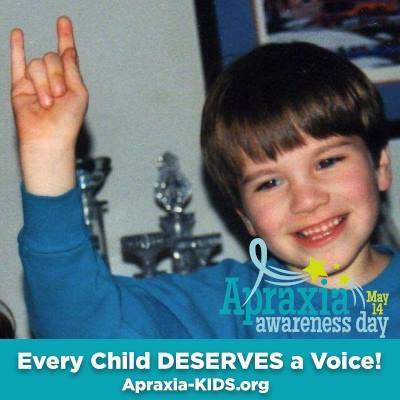
    To honor Sharon now is to honor her life’s work and achievement that has helped all of OUR kids and countless others, and that is to continue to support CASANA, because in the end what matters is that EVERY CHILD DESERVES A VOICE.


  • Them some big holes to fill: A tribute to Sharon  Gretz

    Them some big holes to fill: A tribute to Sharon Gretz

    I cried last night.  Not just a few tears either.  Big, ugly, chest heaving tears.  I think my husband was a little taken aback.   It’s not that’s he’s never seen me cry, but it’s not very often and it’s usually because something really big happened.  They can be happy or sad tears, but the events that inspire a full on cry have usually been big, like the birth of our children, Ashlynn’s dx of apraxia, or the time I thought my Grandma was dying.

    “Sharon’s leaving!!  She’s stepping down from CASANA.”  I wailed.

    In case you don’t know, Sharon Gretz is the founder of the Childhood Apraxia of Speech Association of North America (CASANA), the non-profit I now work tirelessly to promote.

    “What’s the point in being the walk coordinator now???” I demanded at Cody.

    “Laura, it’s not like CASANA is going away is it?”

    I shook my head and managed to get out they are hiring an interim executive director until a permanent one can be placed.

    “What will we all do????  She helps all of us.  ALL of us.  Who is going to care that much?  Who is going to answer all of our questions in the facebook group, and if they do, who could possibly be as knowledgeable as her???  Who could possibly be as selfless as her?”

    I told you friends, it was a big, ugly, irrational, downward spiraling cry-fest.   At the very least, I think my dear husband finally understood why I do as much as I do for apraxia and CASANA now.  Not that he didn’t before, but it’s just, I don’t think he realized why I was 100% all in.

    I first had indirect contact with Sharon before Ashlynn was ever born.  I was a new SLP working in the schools and a Kindergarten boy showed up on my caseload nonverbal.  One day he named all the letters of the alphabet, but he could not string any sounds together intelligibly to save his life.  I remembered as an SLPA helping my mentor treat a kid with apraxia, and I immediately was suspicious.  I googled it and found apraxia-kids.org.  I found “start here” articles on how to treat CAS, printed them out, and changed my treatment plan.  He said his first words that year to his dad.  That family thanked me, but little did they know, CASANA (Sharon) changed the path for their son.

    It’s difficult to say, but CASANA and Sharon are almost synonyms in my mind.  It’s not true of course.  CASANA has an amazing staff, but I can’t help but think even they wouldn’t exist had it not been for Sharon.

    The next time I had contact with Sharon, it was direct.  Ashlynn had just been diagnosed with CAS and I found a parent group on facebook.  Every time I posted a question, Sharon would usually respond.  They were always the type of response that makes someone sit up and listen, because this “Sharon Gretz” really seemed to know her stuff.  I had no idea for quite some time she was actually the founder and executive director of CASANA who would answer me and countless other parents, sometimes at night during her free time, to help us and give us support.

    After a few months CASANA announced they were having their national annual conference in Denver. Sharon encouraged everyone from the facebook group to come and say hi to her.  I bought my ticket and showed up with my husband.  I remember being sooo nervous.  Oh my gosh, the woman standing there was amazing.  She had a child now resolved with CAS, founded a non-profit, and basically knew everything about apraxia there was to know in the world right now.  What would I say to her?

    I’ve written about it before, but I will never forget.  She encouraged parents to put a picture of their kiddo in their badge and she pointed it out as we were talking.  She genuinely cared about my kid and wanted to know about her.  I started embarrassingly pouring out my heart to her.  I had tears in my eyes and was looking down the entire time.  When I looked up she had tears in her eyes too and was staring right at me.  She gave me a hug.  I’ve never felt more understood in my life.  I had all this guilt about being an SLP and my daughter having apraxia, and I had no other person I knew in my position.  She was the closest because she had a doctorate in speech and she relieved me of so much guilt in that moment.  I had found my people.

    From there I had a face to the name.  Every time she responded to a post on facebook I was in awe of her dedication, compassion, and genuine love for all children with apraxia.  She was the first person to cheer anyone’s success story, no matter how big or small.  From a child saying “hi” for the first time to a child learning to read, Sharon celebrated them all with the parent.  I tried for awhile to follow every post and do the same, but there are a lot of people in that group now, and it was very time consuming.  I had a deeper appreciation for Sharon.  This wasn’t a job to her, this was truly a vocation, and it wasn’t just the facebook group.

    CASANA funds needed research so we know what treatment approaches are best and most effective for kids with CAS, which is important because traditional treatment approaches for speech will not work for CAS.

    CASANA has set up a network of support for families via the facebook group.

    CASANA funds iPads and therapy for kids with apraxia to help families crippled by the cost of therapy which is usually not covered by insurance.

    CASANA provides education to professional SLP’s who never received the right training in grad school (despite thinking they did) to treat this rare but treatable severe speech disorder.

    CASANA helps set up walks nationwide to honor our kids.  They receive medals and are rewarded for all of their hard work that no one else recognizes but their family, therapists, and teachers.  They get to meet other kids like them, and know they are not alone.

    CASANA is more than Sharon, but she is the heart.  She is…or now was.  Change is hard and the unknown is scary.  It felt like the heart of CASANA died when I read that announcement, but after my ugly cry I’m rational once again and I know my husband’s right when he says she put all the supports in place.  We are not left without.  We have a network of people for support.  Research will continue.  Walks will continue.  Education will continue.

    I know it will, but it still makes me sad it’s without Sharon.

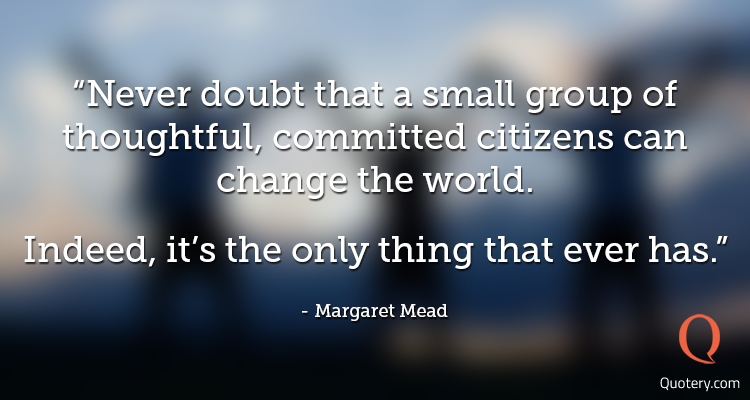
    Sharon epitomizes the quote “Be the change you wish to see in the world.”  She never wanted anyone to go through what she went through with her own son, which was lack of resources, knowledge, and awareness of Childhood Apraxia of Speech.

    Someone wrote “What a legacy!” and yes it is.  Through it all Sharon,  you remain one of the kindest, most humble people I have ever met.   That will never be replaced.  You have accomplished more in 17  years than other people could hope to do if given two lifetimes.  What a blessing you are to us, to this Earth, and especially to your son, who will one day realize the extraordinary (and I mean EXTRAordinary) love of his mother.

    Sharon, when I was floundering under water, you pulled me and countless others up for breath time, and time, and time again.  Eventually I found my footing on dry ground, and knowing I could never repay you, I resolved to work tirelessly for CASANA and for kids like mine who deserved a voice.   I will continue to do so, and pay it forward to every parent who crosses my path, because I know what it’s like to literally feel saved by one person who just took 5 minutes of their time.

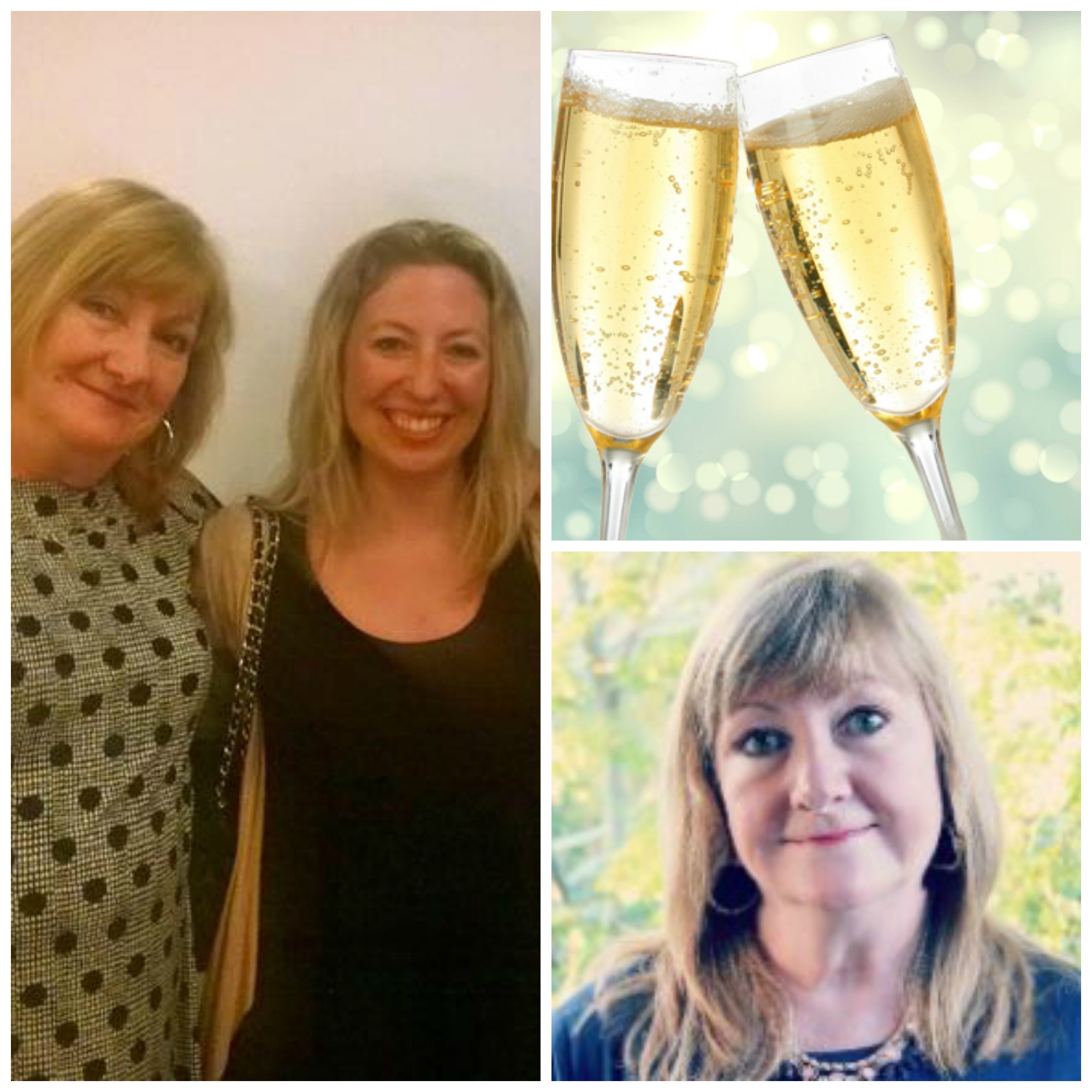
    You are a living, breathing example of all of my favorite quotes that I’ll share below.  Let’s have a toast.  Raise your glass.

    Here’s to you Sharon.  May you find some peace and relaxation.  When you close your eyes to sleep, may your dreams be filled with the satisfaction of knowing you not only helped your son, but in doing so, have set up an infrastructure to ensure every child like him has the opportunity to find their voice.  May your next journey be filled with blessings.  Most importantly, don’t stay a stranger.  Remember to come back and visit.  We are your people.


  • Apraxia would have destroyed me

    Apraxia would have destroyed me

    I often think about what would have happened had it been me who had apraxia, dyspraxia, SPD, dysarthria, and a learning disability when I was young.  It’s pointless I know, but I was/am a perfectionist.  That’s not a good thing.  I learned early I was really good at spelling, reading and writing, but math I had to work for.  I won a math award in 3rd grade and I looked at the teacher, Mrs. Plummer,  like she was crazy.

    “I’m not good at math.  Give this to Keith or Jimmy.”  She maintained I was good at math, but I didn’t believe her and I never cared about that award.  I knew what I was good at, and it wasn’t something I had to work that hard to do well.

    I think about that because Ashlynn has to work at everything to do well.  There’s not like one thing that comes naturally to her….well actually social skills do, but she’s behind in that too only because of her other issues.  I had to work at math so it made me mad and I didn’t want to try, despite the fact I could do well.

    Her disability would have destroyed me.

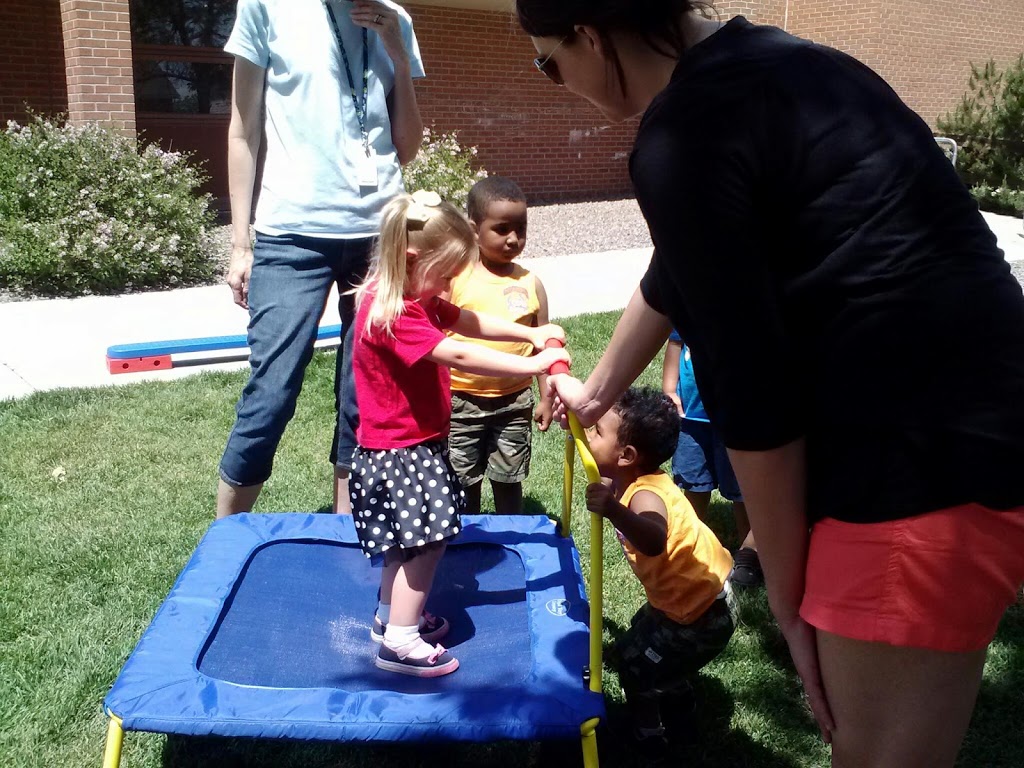
    She has the best of my husband’s personality THANK GOD.  She doesn’t get embarrassed, she attacks everything, she’ll try anything, and she’ll never give up until she conquers it.  That’s a page straight up out of her daddy’s book.  She’s in a first grade performance Tuesday, and I was watching the practice with the art teacher.  I said the songs were hard for a kid with a speech problem (bear necessities, supercalifragilisticexpialidocious) and the art teacher smiled and said she loves Ashlynn because she just goes for it.  I smiled.  It’s true…she does.  She always has.  I can still cry thinking about her preschool observation where she couldn’t jump on the trampoline so she smiled and marched instead.  All the kids were encouraging her to jump like them….

    and she couldn’t bear walk so she hung across a teacher’s arm upside down to at least get a feel for the movement….still smiling.

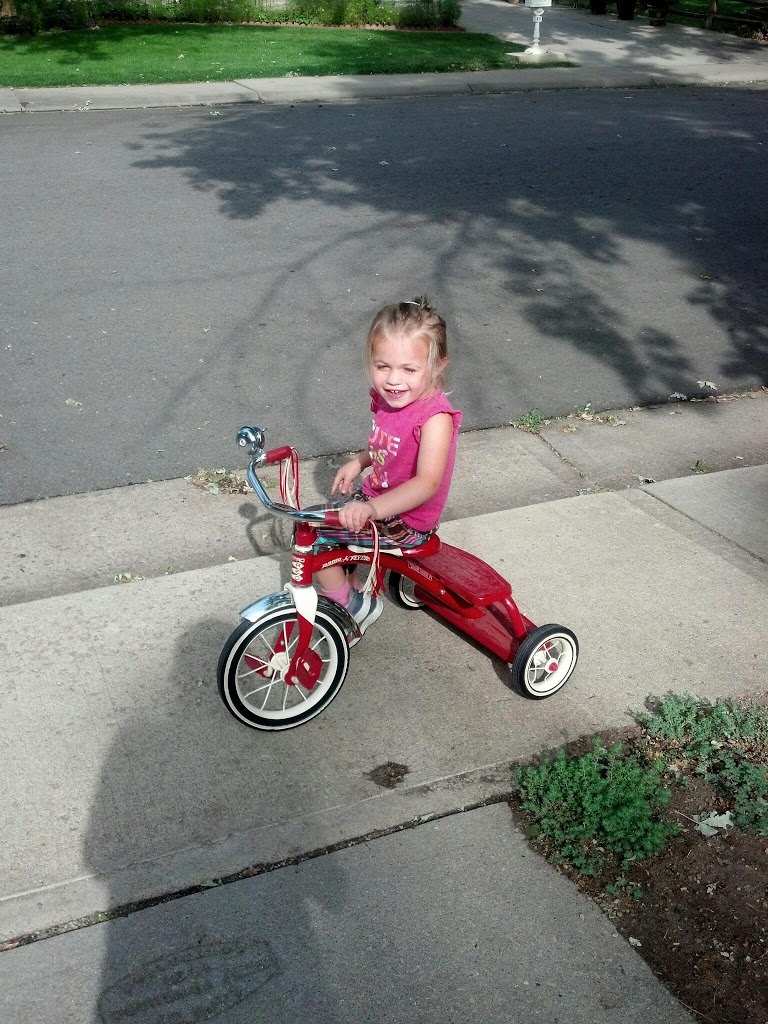
    When she rode her tricycle and couldn’t pedal she never stopped trying……and not only trying, but smiling. Oh, and guess what.  She learned all these skills eventually, on her own time.  She walks, she runs, she jumps, she bear walks, she skips!  She puts me to shame.  She puts that third grade girl who decided math wasn’t her thing to shame.

    Well not anymore.  I’m not sure anyone becomes a parent to be inspired by their child, but she has inspired me and made me better.  There are things I do now I would have NEVER attempted.  Every time I’m scared or nervous, I think about Ashlynn.  One year on a camping trip everyone was cliff diving.  I was terrified as I stood on the cliff, but I thought of Ashylnn and I’m on video jumping and while I’m in the air you can hear me say “for Ashlynn.”

    Tonight we were watching “Zootopia” and a song came on “Try Everything.”  Ashlynn started clapping and dancing around the kitchen.  She always dances like no one is watching.  Isn’t that phrase people have to try and follow?  Well, Ashlynn just lives it.  It’s her essence.

    So I started listening to the lyrics and I’ll be damned if this isn’t that girl’s theme song.  I downloaded it immediately.  (I’m also admittedly a Shakira fan so I was hooked anyway).  We put it on outside and her AND Jace were going crazy.  It’s a great song.

    “I messed up tonight, I lost another fight
    I still mess up but I’ll just start again
    I keep falling down, I keep on hitting the ground
    I always get up now to see what’s next

    Birds don’t just fly, they fall down and get up
    Nobody learns without getting it wrong

    I won’t give up, no I won’t give in
    ‘Til I reach the end and then I’ll start again
    No, I won’t leave, I wanna try everything
    I wanna try even though I could fail
    I won’t give up, no I won’t give in
    ‘Til I reach the end and then I’ll start again
    No, I won’t leave, I wanna try everything
    I wanna try even though I could fail

    Look how far you’ve come, you filled your heart with love
    Baby, you’ve done enough, take a deep breath
    Don’t beat yourself up, don’t need to run so fast
    Sometimes we come last, but we did our best”

    So many times she has come in last but she gets back up and tries again. As a witness to this strength I have no choice but to do the same.  Look how far you’ve come, but don’t keep looking back.  Look up and I’ll walk next to you guys through anything and I’ll pick you up when you fall.