Category: Apraxia client stories

  • Why I’m angry and even more passionate as we approach the 4th annual Apraxia Awareness Day.

    Why I’m angry and even more passionate as we approach the 4th annual Apraxia Awareness Day.

    I love Apraxia Awareness Day, ever since I celebrated my first one when Ashlynn was new to the dx.  It’s always a time of excitement, renewed hope and resolve, support, and community who comes together filling up facebook and my newsfeed with their apraxia fighters.

    I’ve been honest and open about telling my own early experience with apraxia, which wasn’t much.  I’ve been the first one to admit I barely learned anything about it in graduate school, yet earned my Clinical Certificate of Competence and was for all intents and purposes an “expert.”  Such the expert that I missed it in my own daughter.

    People, that’s a problem!  I was a good student.  I did my best to learn all the content presented to me.  I still didn’t learn about childhood apraxia like I should have, although I should be grateful my graduate school acknowledged it.  I just heard the other day that someone’s professor didn’t *believe* in it.  Didn’t *believe* in it???  Like it’s some damn mythical creature??  Don’t put me in a room with that man, seriously.   I will lose my shit.

    Anyway, I digress.  Tonight I was seeing a client, and her mom had a previous Early Intervention SLP throw out the word apraxia in a flippant way.   She tossed the word around like it was a carefree beach ball bouncing around the pool, and it was only after mom had googled it some 6 months later did she realize apraxia doesn’t carry with it the carefree connotation of summer.  In fact, it’s  a serious dx in which some will never fully overcome.  She expressed her concerns.  The SLP wrote her back to just google apraxia and she would feel better.  If you are anyone who knows anything about apraxia and your are reading this, you KNOW that googling apraxia doesn’t make one feel better.  Better???  Are you kidding me right now??  If ANYTHING, googling apraxia of speech puts a parent on an immediate road to panic!

    The mom was telling me that as much as she’s mad about the disservice done to her daughter, she was more upset about the potential disservice being done to children currently in the SLP’s care who have parents who might not look up apraxia and understand it for the serious dx that it is.  I defended the SLP saying I might not have realized how serious the dx was early on in my career either.  I stressed that THIS is the exact reason I feel awareness is so important and that we have to do our best to spread it where we can.

    I left that session and returned a call from a client I evaluated a month ago.  The mom was basically beside herself.  Her daughter is being seen at a local (renowned) hospital and has been for the past 6 months or so.  Her daughter was born pre-mature with a significant birth history.  As fate would have it, or actually, if you know me, as *concidence* would have it, the NICU SLP ended up being her daughter’s Early Intervention SLP much later.  This woman fell ill, but before she quit she told this mom that she suspected apraxia, even though the child was young.  This mom did what anyone does, googled apraxia.  What happened to her happened to many of you reading this now who googled it for the first time.

    You started reading characteristics and a pit immediately formed in your stomach.  The more you read, the more you saw your own child on those pages and the more scared you became.  Fear and uncertainty crept in.  You eventually try and look for success stories.  You many find some, but you can’t find anything to satisfy you.  You may cry.   Eventually though, you recognize  you are the expert on your child and you are going to get them help no matter what the cost.
    It was after this that this mom found me and drove 2 hours and paid out of pocket for an evaluation.  She had actually said she found my blog, and her daughter sounded very similar to mine.

    As I started the evaluation, this girl actually reminded me of MY daughter.

    Even though the girl was young at 2.5, she cooperated fully with a speech articulation test and a motor speech evaluation.  She had ever single dx marker AND sub-marker of apraxia.  I could literally transpose my awareness day article I wrote for ASHA for Apraxia Awareness Day and she fit every, single one.  Oh, and FYI, to be dx with apraxia, you DON’T need to be dx with every single one!   Forget me and my writing though.  How about the ASHA technical report.  Yeah, she fit all those too.

    Anyway, the mom almost cried and said incredulously, “so you believe me?”

    I felt so bad.  This poor mom.  She knew more than the professionals treating her kid.  She had tried to tell them what her daughter did at home, but she always felt unheard.  That is bullshit.  A mother is an expert on her own child.  Professionals need to LISTEN to the mother.  I’m not saying dx because the mother said so, but don’t dismiss a mother’s concerns or reports.

    Anyway, I wrote my report.  I didn’t even write suspected Childhood Apraxia of Speech like I normally would when I evaluate a 2 year old.  It was THAT obvious.

    Not only did she have the top three markers:
    *Inconsistent errors
    *Difficulty with co-articulatory transitions
    *Disordered prosody (in this case, equal stress patterns on the few two syllables she had)

    but ALSO
    *vowel errors
    *tendency to centralize a vowel to shwaa
    *oral apraxia
    *feeding issues
    *higher receptive than expressive language
    *groping for sounds and words
    *co-morbid fine and gross motor delays
    *no babbling
    *pop out words
    *loss of words
    *low tone

    Anyway.  My report was so thorough anyone who read it would at least be compelled to treat it as suspected CAS.  Right??  Right??

    WRONG

    That was the phone call.  This mom had given them my report hoping that even though they made her feel like SHE was crazy, they would read a report from an SLP with expertise in the area who has a DAUGHTER with it too, and help her.

    NOPE

    “I can see what’s she’s saying, but I still don’t think it’s as dire as she made it seem.  I still don’t think it’s apraxia,” said one SLP.

    Mom is defeated.  The only thing keeping her there is basically no other options, but she’s about to leave.  I was livid.

    I AM livid.

    Okay, this isn’t ego on my part.  At this point, I’m beside myself that if these TWO SLP’s can’t even recognize it’s one of the most obvious cases I’ve had lately, how is this ethical?? How do they read my report listing EVERY dx marker, and still remain firm her speech will come and it’s just because she was premature and has a language delay? Mom is going to leave, but I feel like something else needs to be done for all the other potential kids they will miss.

    Why, WHY would they at the LEAST not say they disagree but would treat it as suspected apraxia?

    How is this still happening?  How after ALL the freaking work CASANA has done, disseminating information, funding research,  awareness efforts they have headed….HOW is this STILL happening??

    I’m sure I’ll be in a better mood Saturday (or I better be since I’m announcing all my giveaway winners), but I’m mad right now.  I’m mad because for all we seem to do, I still hear stories like this.  It’s not okay.  I don’t care if it a rare disorder.  I….DON’T….CARE.  If you are an expert in speech, the experts in speech need to know what they are doing or refer on!!  Heck, I”m really good at stuttering therapy.  I have a bunch of stuttering continued education, but I would never hesitate to refer a child on to an expert who sees it EVERY DAY if a mom had concerns.  In fact, I have recently!

    I’m just shaking my head right now.  If I’m an SLP and I read a report from an outside SLP who specializes in a certain area, I would not roll my eyes.  I would make sure I knew the facts.  I would make sure I learned the facts or consulted others.  I consult others all the time!

    My mentor Deborah told me early on, if I ever hit a stage where I know it all, I need to retire.  Best advice ever.  Her point of course is that we never know it all.  There is always more to learn.

    I’m angry because a mom went through this once.
    I’m angry because a mom and child are going through this again.
    I’m angry because a mom and her child will go through this in the future.
    I’m angry because for every awareness success story I feel like I hear double the failure.
    I’m angry because it’s not just professional, it’s personal.

    You know what? For the 4th Annual Apraxia Awareness Day, I want MORE than awareness.  I WANT change.  I want SLP’s to educate themselves and if they aren’t sure, I want them to put aside their ego and consult someone.

    Is that too damn much to ask?
    26ff8d8e901263fc0635d26b91a4596a

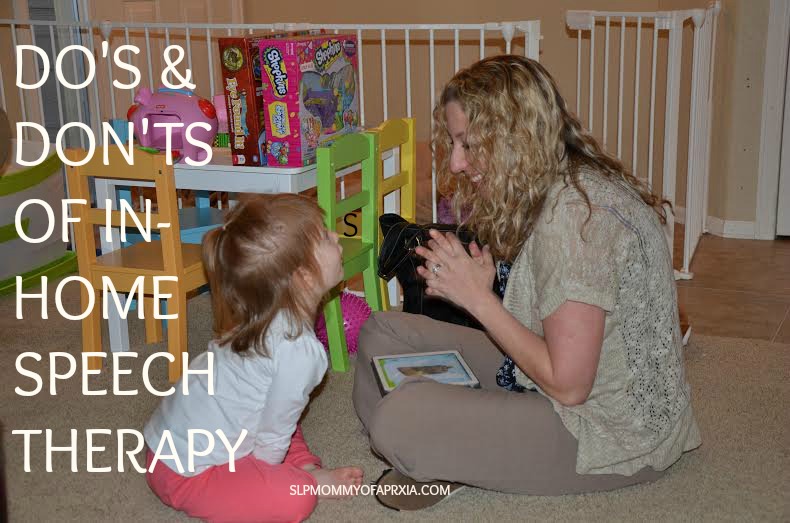
  • The Do’s and Don’ts of in-home speech therapy

    The Do’s and Don’ts of in-home speech therapy

    Being both an SLP AND a mother to a child with a severe speech disorder, I have this unique and sometimes bizarre perspective; that perspective, of course, being that I now intimately understand both sides.  That being said, I think parents/my clients, typically feel more comfortable telling me things parent to parent vs. parent to SLP.

    As a mother now to a child with apraxia, I have a new appreciation for the “other” side.  This post is targeted for all the amazing and well-meaning SLP’s out there, who may not understand some things because they haven’t been on the parent side.  Here are my top five Do’s and Dont’s for in-home therapy.

    Don’t spend therapy time talking about your wedding, the death of your dog, or your friend’s miscarriage. Do spend the therapy session focusing on the child and reserve personal conversations for a time outside the therapy session.

    Many times, our client’s mothers may have a lot in common with us.  However, literally every minute of therapy is as important to a parent as it is to the child.  I remember watching the digital clock in the first speech room Ashlynn was in.  If the SLP had to use the bathroom before seeing Ashlynn, I would of course understand; but honestly, I was staring at the clock hoping she didn’t waste too much of Ashlynn’s time.  I currently have a client who put those minutes into dollars.  For a 30 minute session at $50,  a person is paying almost $2.00 per minute!  We pay because we know they are valuable, but please, make sure all the minutes count.

    Many parents have told me that at times, they have been at fault for wasting minutes talking because they were with kids all day and craving another adult interaction; however, regardless of whose fault it is, always try to stay professional and keep the focus on the child.

    Don’t blurt out suspicions, concerns, or think out loud.  However, do make sure you make referrals and not withhold information if you feel there are additional concerns that need to be addressed.

    Parents have reported that therapists have flippantly mentioned apraxia and turned their world upside-down unnecessarily, only to find out later it was in fact, NOT apraxia.  In a different scenario,  I have had parents upset that an SLP never even mentioned apraxia, and now they were just finding out years later, distraught, worried, and feeling guilty they had not done something sooner; and in yet another scenario, a parent has told me her SLP casually mentioned a serious diagnosis like apraxia frequently without ever moving forward with a different treatment plan.

    As an SLP, you have a responsibility to relay a suspected dx in a responsible manner; and if you don’t know what to do, it’s your job to figure it out or make a referral.  There are so many more resources available now including apraxia-kids.org or ASHA’s practice portal.  We are counting on you!!

    Don’t start planning your lesson when you enter the house. Do have a plan heading into therapy.

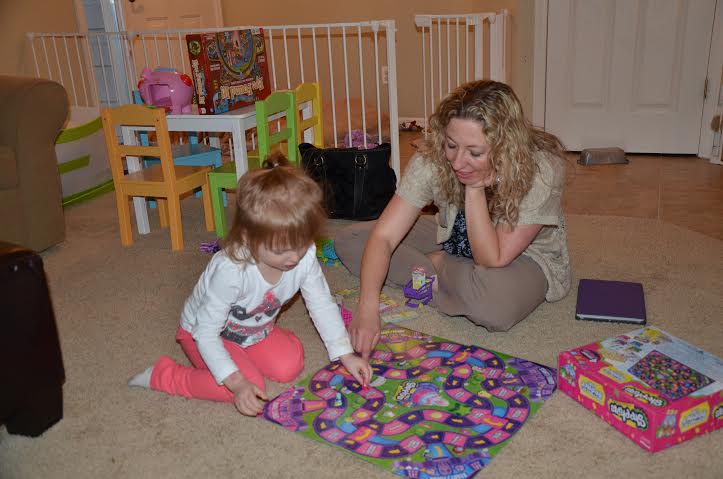
    Look, as an SLP I get it. Planning time isn’t exactly built into our pay.  Also, it can get overwhelming to carry a bunch of materials from house to house.  Shouldn’t we be teaching the parent how to use toys in their house?  Yes, that’s great, but you should STILL have a plan whether it’s using a child’s toys or your own.  Nothing looks more unprofessional than spending five minutes letting the child decide what toy or game to play. Remember my previous comment?  The parent just paid you almost $10.00 now just to plan the lesson and get started.

    If you are in early intervention, some of your time might be for planning and writing notes.  If so, please explain that to a parent before-hand so they aren’t thinking you are deliberately short-changing a session.

    Don’t continually cancel or run late.  Do respect people’s time and schedule, and refer out if you are unable to be a consistent provider.

    Okay, first of all, if you are consistently late or cancel a lot, you make the profession look bad.  However, even more important is that you are not helping the child the way you should when you do this.  Be conscientious, and if you are frequently late and/or cancelling, refer out.

    A parent also told me that a quick apology is nice, but an entire explanation is not necessary.  Parents do understand if you are late sometimes.

    Don’t assume parents aren’t worried, involved, invested, or not working with their child. Do provide resources, assume the parents are doing the best they can with the knowledge and tools they have, and that they are worried and just want the best for their child.

    I had a post last year entitled Nature Versus Nurture.  In it, I beg SLP’s not to assume nurture played more of a piece in a child’s language delay.  This is especially true for apraxia of speech.  I’m an SLP.  A pediatric SLP.  My daughter has a great language rich environment, and not only that, I DID work with her almost every night on speech.  Guess what?  She STILL had apraxia and continues to have a persistent receptive/expressive language delay.

    Parents are human too, and might not have the background we have in child language development. Please do not assume though, that they don’t care.  Even parents who seem like they don’t care, care….trust me.  If you are there, it’s because they care.  They had to make the phone call after all.

    The best thing you can do is not only to provide therapy, but provide them with resources.  Some parents may not use the resources, but I think it’s our job to provide them.  Give them articles, handouts, point them to online resources, support groups, walks, conferences, etc.


    Most of all, DO realize you are appreciated and valued more than you may ever realize.  Helping a child get their voice is one of the most amazing things I think we do as SLP’s.

    06a8417b-9bbf-4414-8e54-d5e557b66394

    Thank you to all the parents who added their feedback to this article.  

    LAURA SMITH M.A. CCC-SLP IS A SPEECH/LANGUAGE PATHOLOGIST IN THE DENVER METRO AREA SPECIALIZING IN CHILDHOOD APRAXIA OF SPEECH.  CASANA RECOGNIZED FOR ADVANCED TRAINING AND EXPERTISE IN CHILDHOOD APRAXIA OF SPEECH, SHE SPLITS HER TIME BETWEEN THE PUBLIC SCHOOLS AND THE PRIVATE SECTOR.  SHE IS DEDICATED TO SPREADING CAS AWARENESS. HER PASSION IS FUELED BY ALL OF HER CLIENTS, BUT ESPECIALLY HER OWN DAUGHTER WHO WAS DIAGNOSED WITH CHILDHOOD APRAXIA OF SPEECH.  FOR MORE INFORMATION VISIT SLPMOMMYOFAPRAXIA.COM


  • Why I fight: Inspiration from Ronda Rousey

    Ever since I met Ronda Rousey May 29th, 2015 –  the response I received from my post has been my most popular post ever by far!   Since that time, I went on to read her book and became more inspired than I could have ever imagined. Though she didn’t mention her speech impediment was apraxia in her book, I still had her promise from that night, saying she would say it was apraxia in every interview forward, ringing in my ears.

    As I have gone onto read more about her, I realized there couldn’t be a hand-picked better person to represent our kids with apraxia.

    On the surface she seems like a bruiser.  She’s made comments like “I’m going to break her arm and I won’t care,” that haven’t gone over well in the press.  In case you’re wondering, that’s why her fight song is “Bad Reputation” by Joan Jett.  She has said she doesn’t care about her reputation, which also hasn’t gone over well in the press.    In another interview she said she doesn’t have PR people telling her what to say, and she doesn’t want them to.  I think it’s brilliant.  Kids with apraxia work so hard to say anything at all, I admire her for saying what she wants to say now.  She worked for it.  She deserves it.

    As her fight August 1st draws near, I tried to rally the apraxia community to hashtag all night to get her to be a champion for our kids too.  People were excited, but then they began to worry.

    “Has she ever actually said she had apraxia?”

    “Are you sure she has apraxia?

    “What if she doesn’t want to say she had apraxia?  Shouldn’t this be a personal decision?”

    I understand their worry.  I could very well be perceived as “outing” her. She could be mortified.  Even worse she could be angry, and I DO know you don’t want to piss Ronda Rousey off (excuse my language)!

    Here’s what I do know though in her own words.  Ronda Rousey doesn’t

    “give a damn about her reputation” and in her book she says,

    “I fight for those who can’t fight for themselves.”

    I know that when she finally succeeded in making a store clerk realize that the “balgrin” she wanted for Christmas was Hulk Hogan, she learned,

    “This was an early lesson on the importance of always believing that if I wanted something bad enough and tried hard enough, I could make it happen.”

    I know she made the president of the UFC eat his words because of her persistence when he promised her women would never fight in the UFC.  I have to believe she won’t be mad at my persistence, but see something she has in herself.

    I know that she said when her mother moved her from California to North Dakota, she described it as

    “this arrangement would provide an opportunity for me to find my voice – literally”  before CASANA ever existed and coined the term “Every Child Deserves a Voice.”

    I know that she quoted her grandma as saying,

    “God knows what He’s doing, even when you don’t,”

    and I have to believe He was involved when I read one interview that sparked my interest and that night I was standing in line at a book signing where she looked at me incredulously and said,

    “Apraxia.  Yes?  This is what they think I had,” before posting the apraxia brochure I gave her a short two hours later on her facebook and twitter accounts.

    I know Ronda is far from ashamed of her personal struggles.  If she were, she wouldn’t have so openly admitted all of them in her book from dealing with her father’s suicide, to battling self-esteem issues as a child, to falling into bulimia, or to living in her car.  In fact, if you read her book, that’s why she fights. She doesn’t hide her struggles,  she’ll beat your ass if you even accidentally insult them.  In her own words:

    “I am a fighter. …..it has been that way since I was born. I fought for my first breath. I fought for my first words. I fight to make the people who love me proud. To make the people who hate me seethe. I fight for anyone who has ever been lost, who has ever been left, or who is battling their own demons. Life is a fight from the minute you take your first breath to the moment you exhale your last. You have to fight for people who can’t fight for themselves.”

    I know that in an interview leading up to her fight in Brazil, she was asked why she didn’t ask for it to be in the States, and she replied she had promised the people of Brazil she would be back and she said,

    “I’m a woman of my word,”

    further reminding me of her words when she looked me straight in the eye that night when I asked her if she would say apraxia instead of speech impediment here on out and she said,

    “I will.  I really will.”

    If she denies it, I will fully accept the mia culpa.  I will be devastated, but the blame is on me.  I will own it.

    I have to say though, that devastation is still worth the risk.  It’s still worth pursuing.  I fight too.  I fought for my daughter to find her voice.  I fought and still fight to get her the services that she needs.  I fight every day in my job for each one of my clients to also find their voice.  I fight for this now, because apraxia needs a face.  I fight for this because I want to tell my daughter and my clients that not only can they beat apraxia and live like any ordinary person, but if they want to, they can go on to be extraordinary too…just like Ronda Rousey.

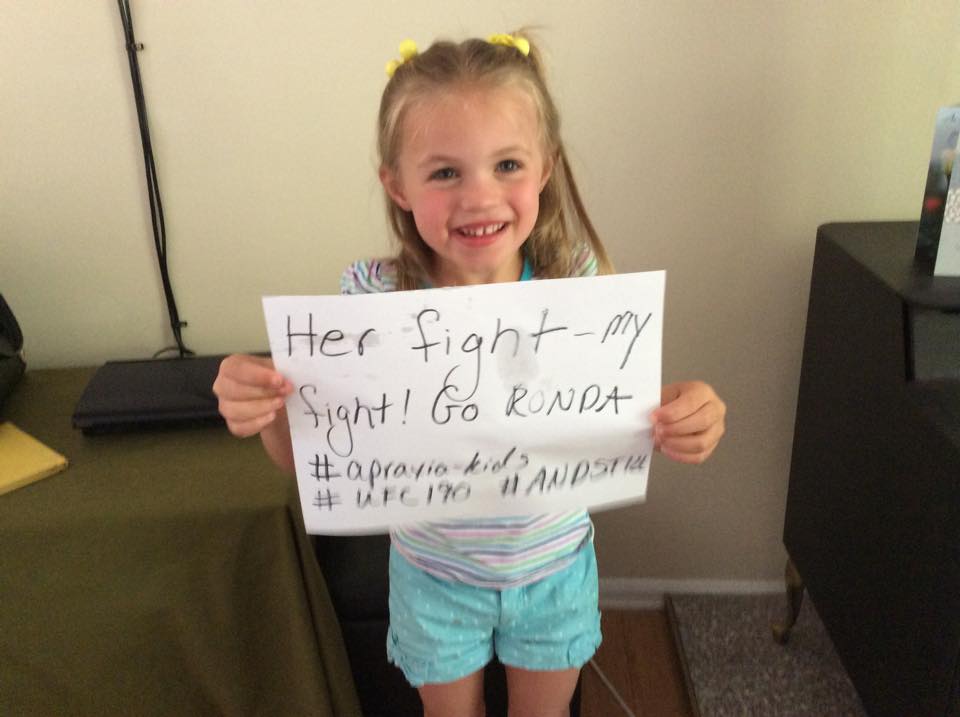
    Will you join me?  Tweet, facebook, or instagram August 1st with the hashtags: #UFC190 #herfightourfight #knockoutapraxia #strongerthanapraxia #tapoutapraxia


    11745640_10205569984701550_6139386034628224390_n

  • Walker Spotlight: Why I walk for CASANA, by Monica Mayhak

    Our story is much like many other families’ stories. A relatively quiet baby, the missing “mama” and “dada,” the doubt creeping in. For us, it was easy to know that something was off. Our little Emmett is the youngest of six. We knew how this all worked and something wasn’t working here. After five typical and healthy children, when Emmett was 18 months old we had our first experience of asking our pediatrician if something might be wrong. Looking back, I realized I felt embarrassed—was I overreacting? I didn’t want to bother her with this if it was just that he was a bit different from our other children.

    But she was concerned too and referred us to early intervention services. I remember going for Emmett’s evaluation. We walked in, just Emmett and me, to what felt like a roomful of people. It was only about three evaluators, but it scared me. They played with Emmett one-on-one, having him try to go down a slide, stack blocks, do pretend play. As I watched, it slowly dawned on me that he couldn’t do any of these things. When one of them looked at me and asked, “Does he always drool this much?” my heart sank. Why yes, he does, and that is concerning me too. They didn’t give me any answers then, but when I got in the car and called my husband, I told him, something is really wrong here. I think really, really wrong.

    But I didn’t know what. Emmett qualified for services, so a speech therapist came to our home one day a week. This was supplemented with some meetings with an OT. Then, because Emmett couldn’t get through a therapy session without shutting down or hitting or just doing his own freaky things, they called in a DI. “What is a DI?” I asked. A developmental interventionist. Hmmm, what is that? We were told they used to be called “behavioral therapists.” Great I guess. She’ll help us, but what is going on? No one could tell us.

    So I did what probably every other confused mother does—turned to Google. I typed “2 year old can’t talk.” And boom—got lots of hits. Ok, not as helpful as I thought. Lots of ideas to encourage kids to talk and lots of reassurances that it all gets better on its own. Hmmm…ok, let’s try “3 year old can’t talk.” And again, boom—lots of links. But this time, they start referring to the possibility of autism. Emmett doesn’t have autism, so this wasn’t making sense to me either. Keep digging, going up in age, and deeper into links and I ran into my first encounter with apraxia.

    This was also my first encounter with CASANA. I read and read and read and read.  And cried and cried and cried, because this was describing my son. At our next speech therapy session, I asked the SLP about it. She said, “I’m not really familiar with that and it isn’t diagnosed until they are older.” And that was that. For her. But not for me. Back to the internet and reading more and more.

    And then, God mercifully gave us hope. In looking around I found that CASANA was putting on a small workshop here in Denver. Perfect! I’ll go to that! Looking back now, I realize how extraordinarily blessed we were to have this all line up like this. I could have easily missed this workshop, it could have easily not been scheduled here in Denver, I could have easily thought it wasn’t worth it. Sharon Gretz was the presenter. Didn’t know anything about her, but like many families with a child with CAS, I do know her now. And she is our hero!

    I attended the small workshop, absorbed everything, and then cried all the way home. Sobbed really. I went home to my husband and told him “we are doing everything wrong!” I realized that we had not been addressing his needs correctly because we simply did not know how. But this moment of despair disappeared quickly, and I realized that I had found something else besides information at that workshop. It was hope.

    But that fear that I felt when I first took Emmett to be evaluated got big and ugly. I was so very, very afraid. I told my husband, “I can’t do this.” He is a rock and said to me, “You are going to do this. We are going to do this. This is what God is asking us to do. He gave us Emmett…how can we say no?”

    So now we knew. But what to do from here? We found a private SLP who understood apraxia. She helped us to understand and started to work with Emmett. For a couple of years we worked with her and made some progress. Emmett’s behavioral issues constantly got in the way, but she was able to help him with that and help us understand. It was eye opening to see how I could help Emmett.

    And I began devouring everything I could find about CAS. I turned to CASANA’s resources more and more. And then another miracle! I learned that the national conference was to be held in Denver—it felt like my own private miracle, that God worked it so that I could go! I could never have attended it without it being in my own backyard.

    It may sound melodramatic, but that conference changed our lives. My mother had passed away a few short weeks before, and because I had spent six weeks caring for her in my home, Emmett’s needs got lost in the shuffle. That conference was an incredible boost for us, a new beginning in a way. I was exhausted at the end of those days—my brain trying to keep everything. Exhausted!

    And it was like meeting rock stars! David Hammer! Ruth Stoeckel! Dee Fish! Nancy Kaufman! (I sat down at her session and thought, “I HAVE HER CARDS!!!” That is how geeked out I was.) I absorbed everything. And learned and learned and learned. So I left there with information, motivation, ideas, and most of all hope.

    I discovered CASANA’s webinars. Fantastic! It is like being able to have those conference sessions in your own home. I have attended many of them and besides learning more and more, they became important periodic motivators for me. They are a reminder that I need to keep building knowledge and keep fighting every day for him. It is so, so easy to get discouraged–these webinars are great helps for my heart. The webinar presenters are familiar faces from the conference. It is like having a friend, who really cares about my child and my family, sit down with me to give me new information and some needed encouragement. unnamed (5)

    We then threw our hat in the ring to see if we could qualify for an iPad for Emmett through CASANA’s iPad for Apraxia Project. Our SLP helped us with the application and we did qualify! Emmett’s iPad is just his. He doesn’t share it with anyone else and it is loaded with speech apps and learning games. The ease of using the Ipad with Emmett gave us a new way to help him, and that now familiar dose of hope that only CASANA could provide us.

    It was after that we had a change in health insurance and thought that for the first time, we had a shot at getting coverage for Emmett’s treatment. While we were sad to leave our SLP, I realized what an opportunity this was for us. I looked around, and in doing so ran across mention of CASANA’s bootcamp attendees. I wondered if there was anyone from our area who had attended. I can’t remember how I stumbled across it, but I saw mention that Laura Smith from the Denver area was in the current class. Score! I then found out that she was working at a clinic that could help us with insurance. Score again! Our insurance didn’t change until October, so I began to see if I could make this work. To be honest, I began stalking Laura a bit on the internet—even found her picture!

    So, as you can imagine, when I saw her at the Denver Walk for Apraxia, I had to talk to her! I don’t know if she remembers, but I probably came across as a crazy person. I went up to her and I think I said something like, “Are you Laura Smith? I’ve been stalking you on the internet!” Great start! But thankfully I did not scare her off. I began to tell her about us and she patiently listened and then gave me her contact information. She gently told me she had to go be with her kids, and I then realized that I was keeping her hostage. She walked off and I felt like I had won the lottery!

    We were able to get scheduled with her and begin therapy the next week. I learned that she had a little girl the same age as Emmett with CAS. I watched her work with him that first time. I soaked in her gentle reassurances to me. I got in the car at the end of the session and cried and cried. She is just perfect for Emmett and just perfect for me. What CASANA gave to Laura through support and the bootcamp was trickling down to me. Laura, just like CASANA, gives me the tools and information and support I need to help Emmett. But more than that, we have been given hope!

    I started this out by saying that our family’s story is much like that of other families who have a child with CAS. But I know that our ending is not the same as many. At the conference in Denver, there was a final question and answer session. I chose to go the one offered for parents new to a CAS diagnosis with younger children. In the middle of the session, a mother approached the microphone with her question. She said that she was overwhelmed with information, but had a specific question for the panel. Her son was 15 and had just finally been diagnosed with apraxia. He had floundered in the school system and never had appropriate treatment. She asked, “Is there hope for him now?”

    The panel was gracious and so helpful, but I think everyone there felt a knot in their stomachs and knew how serious and devastating that situation was. When treatment is started early, yes, there is hope. For a child that age, it is difficult. The SLPs on the panel spent a good amount of time talking with her and did their best to help her.

    And again at a more recent visit by Sharon Gretz to Denver for another workshop, there was a mother who asked about how to help her nine year old son who had not received appropriate treatment. She said he was resisting all her efforts. She also asked, “Is it too late? Is there hope for him?”

    I think of those women often. That could have been me in a few years, confused and despairing. But we are not in that place. CASANA has provided a lifeline for our family. They offer workshops and the conference and webinars and more. They fund research and educate the world about this disorder. They provided the training that Laura uses to help Emmett. They helped us to see that we are not alone. But the most important thing they give to all of us is hope. And truly it is only with that hope that we can continue this fight and do this work with and for our kids.

    unnamed (1) unnamed (3) unnamed (4) unnamed (2)


  • Apraxia Walker Spotlight: Team Power – Why I Walk

    Why I Will Walk for Children with Apraxia of Speech on September 19th.

    by Linda Power

    Many kids get medals in school and on sports teams as recognition of their abilities relative to peers. More subtle, but no less deserving, are the achievements made by our children with special needs. Such is the case with our 3 year old son Ashton, who was diagnosed with severe apraxia of speech last year.  Something as seemingly simple as speech doesn’t come easy to him.  It’s glaringly obvious every day how frustrated he is.  He wears in emotions on his sleeve.

    This year has been a roller coaster for our family.  A few months ago, Ashton developed a severe stutter (common in apraxia) which took away the words that he had learned and regressed his speech into “Ada ada ada.”  We were terrified that his stutter, which progressed rapidly, would become permanent.  It was painful to hear and to watch him struggle every time he wanted to say something.  I received the ultimate gift on Mother’s Day when Ashton walked up to me with a huge smile, holding a card he’d made in speech therapy and fluently said, “Happy Modders Day Moddy.”  My eyes well up with tears just recalling that moment.  While his stutter is essentially gone, Ashton still has Apraxia of Speech and gets “tongue tied” when trying to talk.  His brain has trouble coordinating the muscles of his mouth to produce intelligible words.  He still has years of speech therapy ahead of him, which is specialized and evidence based courtesy of a wonderful non-profit organization called CASANA.  CASANA funds research and training, and helps educate the community about Apraxia.  CASANA even provides scholarships for selected Speech and Language Pathologists to attend training events so they can disseminate information to the community and provide the highest quality treatment to children such as Ashton.  We feel extremely fortunate that Ashton’s SLP Laura Smith was one of those selected to receive advanced training to become a CASANA recognized expert in Childhood Apraxia of Speech.

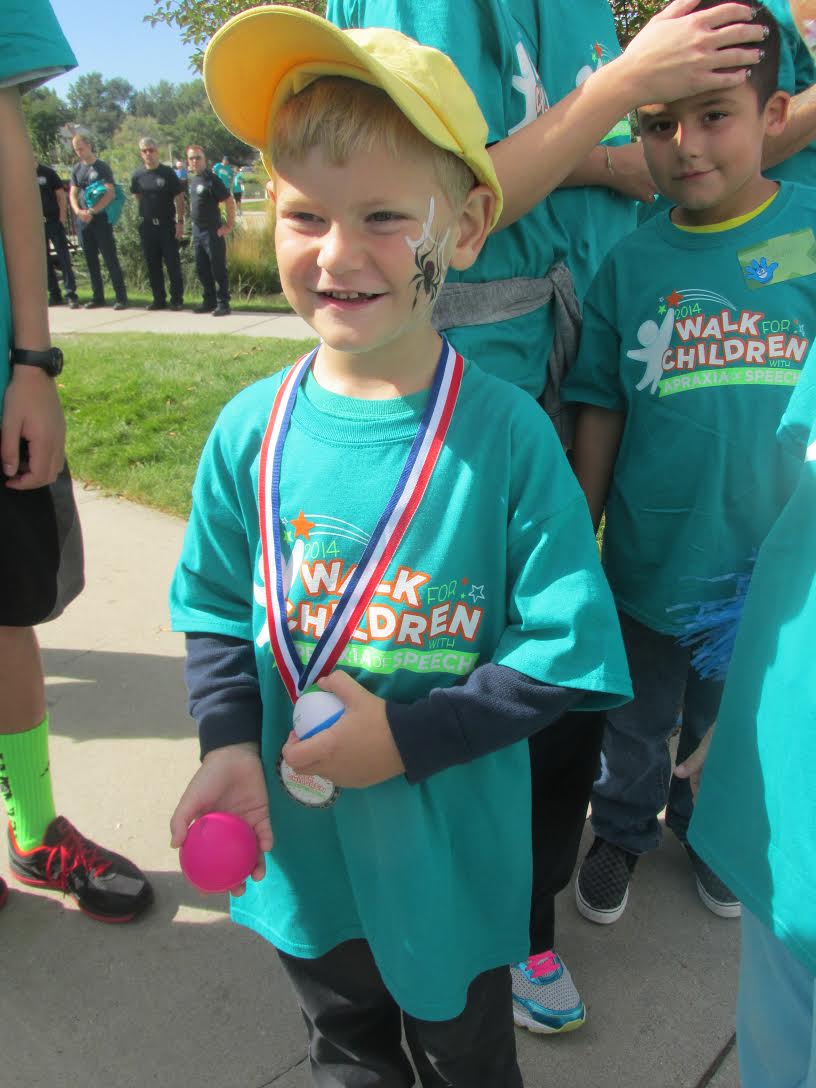
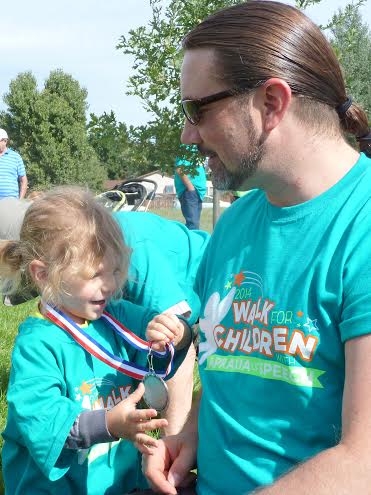
    Whereas we, as parents, have Mother’s and Father’s Day to celebrate our hard work throughout the year, our kiddos with Apraxia, will have their day at the Apraxia Walk.  We will celebrate their accomplishments during the medal ceremony where each and every child with Apraxia will have their name called and proudly walk up and receive a medal.  Ashton, representing “Team Power” loved his and learned to say a new word that day, “Medal.”  To his older brother, he referred to it as “My medal.”

    unnamed (1)unnamed (3)

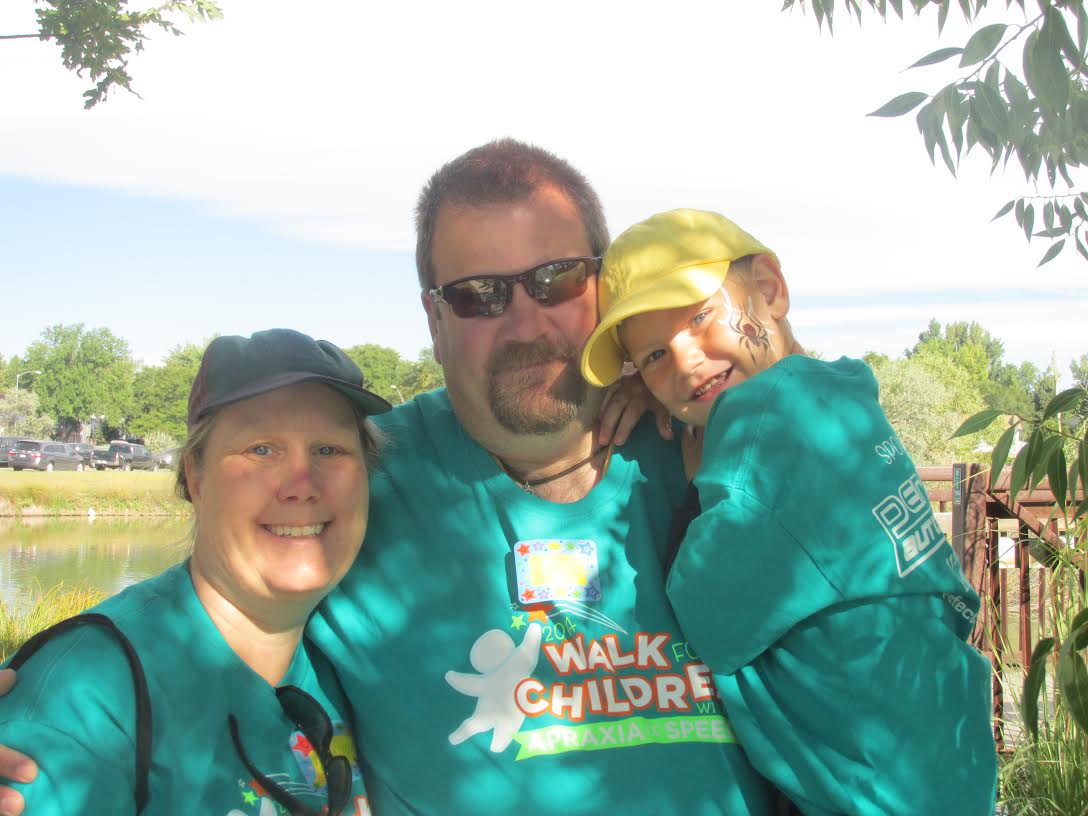
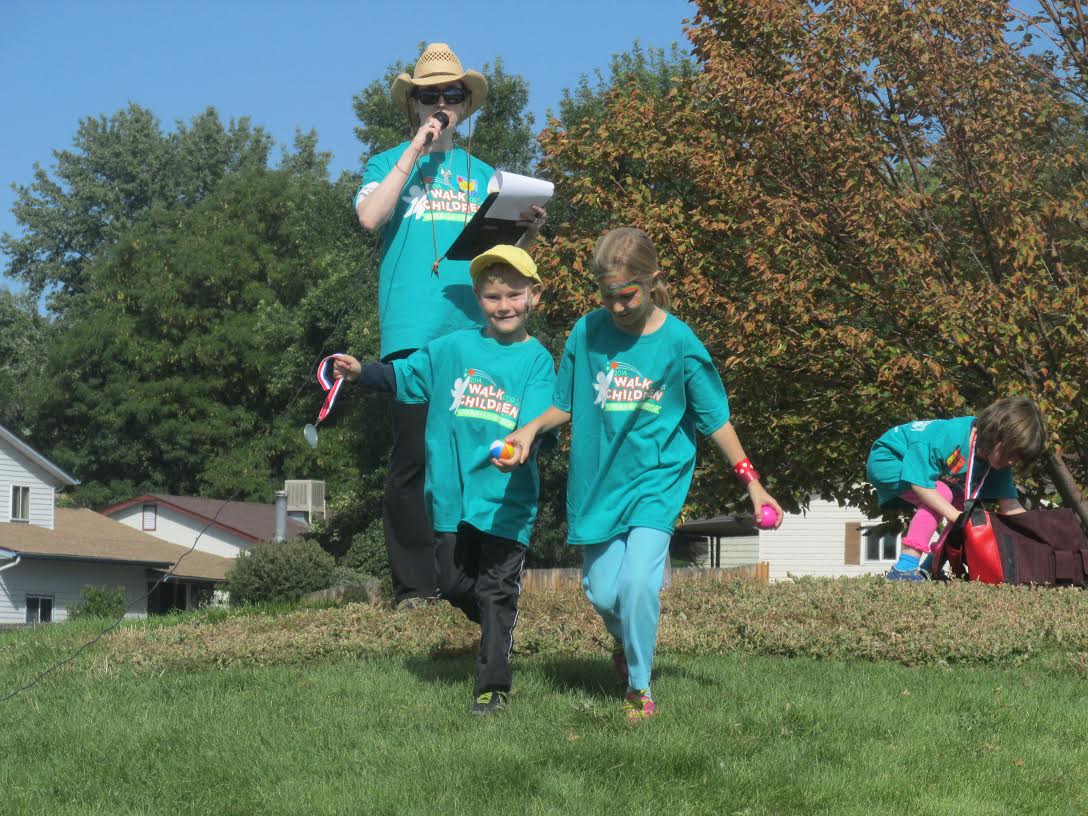
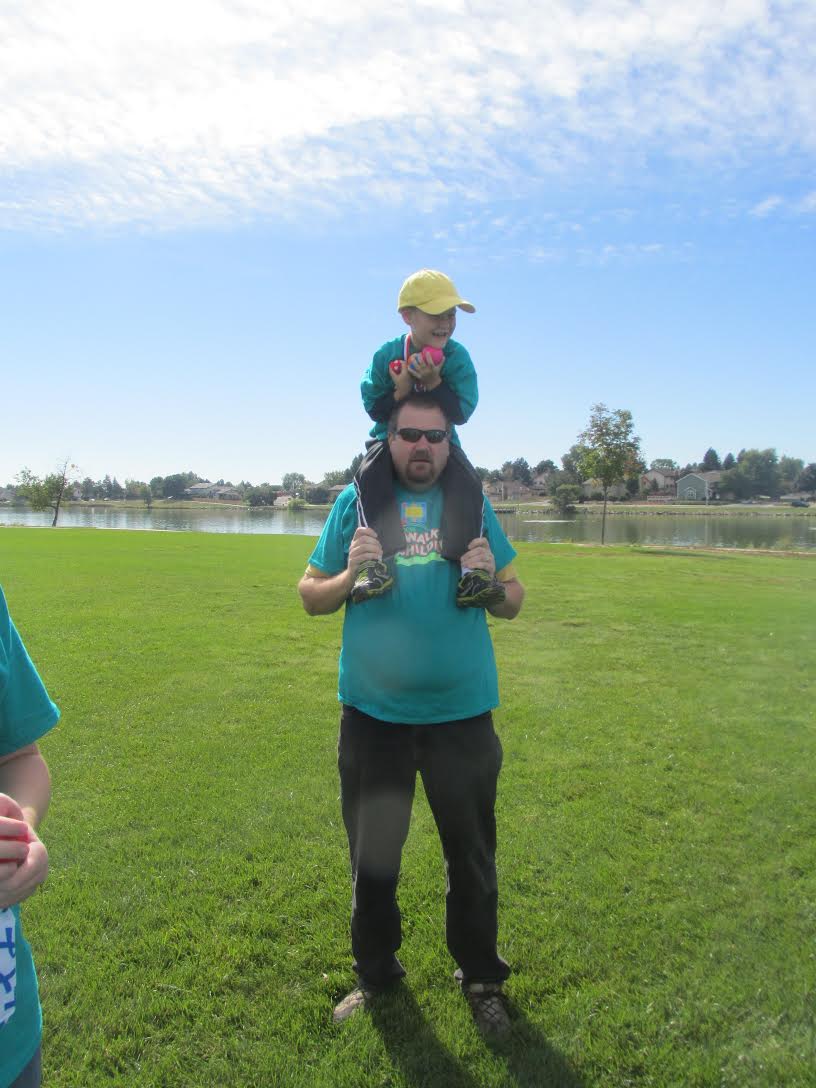
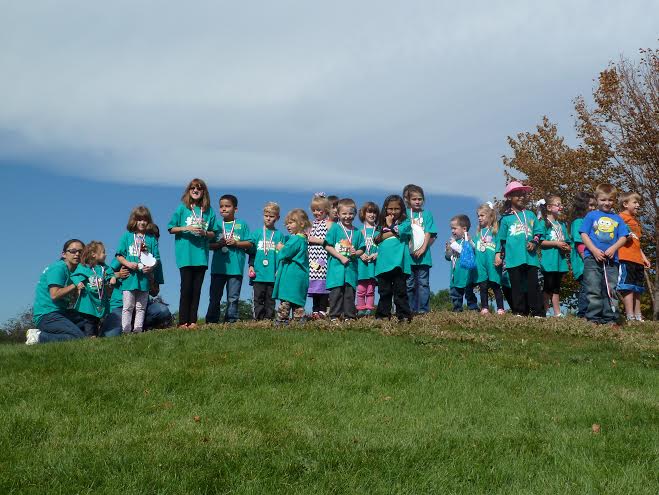
    The award ceremony is only one part of the wonderful day for kids.  Ashtunnamed (4)on’s 5 year old brother, Adam, also had a wonderful time.  They got to have their face painted, get to see a big red fire truck, get to walk (or hitch a ride on shoulders) around a beautiful lake with us, their supporters, all wearing Apraxia Awareness T-shirts.  For our children with Apraxia, they get to meet and play with other children who understand their struggle to communicate.  They get to see that they are not alone, and that they are supported in every direction they look.

    unnamedunnamed (2)


  • What if we don’t prove them wrong?

    What if we don’t prove them wrong?

    I had a client recently who told me a well-meaning friend called her five year old son with apraxia “retarded.”  Apparently he meant it in a “well-meaning way” asking about services, but understandably the term shocked, appalled, angered, and then saddened her. Isn’t it interesting what we all presume about a child based on nothing more than their speech?

    She went onto say she didn’t even correct him because at this point she’s just tired.  She’s just tired of explaining it and what did it matter anyway.  She also went on to say she was mad at apraxia all week, and she wished they were in the future when she will hunt this man down and show him her successful, happy, thriving, “retarded” son.

    I smiled.  That moment.  Yes.

    What, when, and where will that moment be?  I know it will come.  I know one day, A will have her moment in the sun.  Maybe others won’t even know it is her moment.  Maybe it will just seem completely normal and average, but to me, I will revel in her moment.  I will cry in her moment.  I will cry tears of joy.  Tears no one may understand.  Maybe she won’t even understand.

    Will she roll her eyes in typical teen fashion and scold me for embarrassing her?  Will she smile too from the pride she feels in her own self?

    Yes.  That moment.

    I talk about that moment with every mother who has a child with apraxia.  That moment when our children will prove them all wrong, even if “them all” will be long gone or distant memories.  Hurtful memories are never too distant when their pain was so raw, and they seem to leave open wounds on our hearts and in our minds, seemingly unaffected by the passage of time.

    That moment.

    When the same eyes that cried tears of fear and sadness will now drop tears of triumph, victory, and pride.

    That moment.

    The vision of that moment, whatever it may be, keeps me going.  Keeps me fighting.  Keeps me working.  Keeps me hoping.

    I know it will be there.  Just like I knew she would talk.  Just like I knew she would sing.  Just like I knew she would ride her tricycle.  That moment has and will always be there, and in that moment, nothing on this planet will be sweeter.

    In that moment, maybe I shouldn’t look at it as proving them all wrong, but rather proving US right.

    d72ced984da23e4bc651d33fcc0f1223