Category: apraxia blog

  • Can you have a talent if you have global apraxia?

    That question in the subject line.  Yes.  I’ve asked it.  Many times.  To whom I am asking, I don’t really know, but my fear is that the answer to my rhetorical question is…..No.

    I never told anyone this, though I was probably hinting when I would ask my husband, “what do you think Ashlynn will be when she grows up?”

    It’s not that I don’t believe in Ashlynn.  Oh the farthest things is from the truth.  However, when I am forced to think about global motor planning issues, what on earth could you be truly “talented” at?

    But then that got me thinking.  What is talent? I was always taught our talents are God-given gifts.  We are naturally inclined to be good at some skills than other people.  I mean, who can doubt some people are simply better at singing than others, no matter how much they practice?

    However, ,who can also deny that some people hone a skill, and become better at it simply because they practiced and worked harder than maybe someone who had the talent, but never utilized it.

    Ok, true but when you have global motor planning issues, and NOTHING comes naturally or easily, does it still work the same way?  Practice and work harder and you will be good at it?

    I had a mentor who used to tell me to look for the strengths in every child, because every child has them.  At the time I was young, and kinda absorbed her words and dismissed them at the same time.  Oh of course.  Every child is good at something.

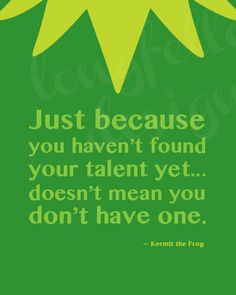
    Until I had Ashlynn.  Then I started thinking about this a lot.  What was Ashlynn naturally good at?  She has trouble with everything that involves any sort of motor skill.  Of course even Kermit would say:
    163513eb6f497e5fd40fd57d8d33baad

    I consoled myself with the fact that she is kind.  The kindest child I know in fact.  She is happy, she is social, and she can connect to people without words. She really is that good. Yes, I would think . That MUST be her talent.  That is until I talked to an adult with her disorder, and he said that very quality in fact turns out NOT to be valued by society.  That talent caused him to be used and taken advantage of.  When he saw a person begging for money, he genuinely believed they must have needed it, until he got burned and taken for all of his bank account.  “Some talent,” he had thought.

    I’m on Winter Break this week, so I have more time to just “be” with my kids.  My mother-in-law watches my children when I work, and she happens to be a very good baker and cook.  Actually, she happens to be quite talented at basically everything crafty.  I have never been crafty and really never had the desire.  However, Ashlynn is very crafty despite all of her limitations.  In addition, she absolutely loves cooking and baking.  Fortunately she has a grandma with ample amounts of patience who loves cooking with her.

    I came home from work one day to see Ashlynn and her Grandma covered in flour from an “accident” where Ashlynn turned on the blender before they got the lid on.  I’m glad it was her grandma and not me, because sadly when I come home from work my patience is very thin and I’m not sure I could create a learning rich environment such as this moment.

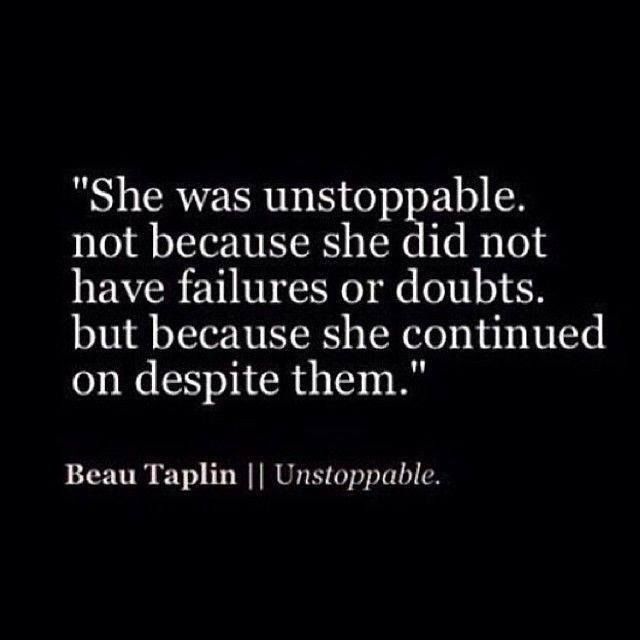
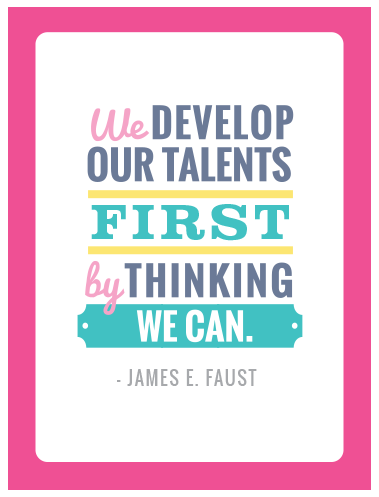
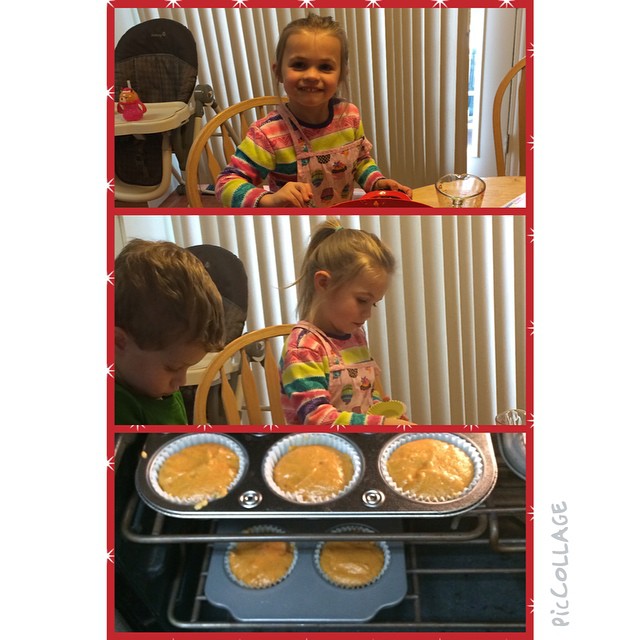
    On break though is a different story.  As a said, I had Ashlynn bake muffins with me.  She impressed me with her egg cracking that she did all by herself.  She measured out the baking soda being careful to slide it along the top to make it “smooth” as she said.  She carefully measured the water to line on the measuring cup that I asked her fill up, and methodically spooned out all the pumpkin from the can.  My son tried to “help” too, but quickly became bored and would just pop in and out.  Not Ashlynn though. She stayed with me to the very end.  I started thinking about talent again, and I ran across this quote:
    Thoughts_Quote_Day08_WEB


    I’ve decided that talent may include your natural God-given gifts; however, true talent is born from passion and determination.  Ashlynn has those in spades.  Plus, the only thing Ashlynn has to overcome is motor planning.  Once she masters the motor plan, she has mastered it.  Plain and simple.  Talent doesn’t seem to be so important anymore, and I know my husband’s right when he answers me,

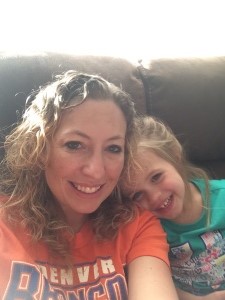
    “Ashlynn will be and do whatever she wants to do.”  Just look at that smile!
    1469922_10203965489630176_7742200900676801700_n


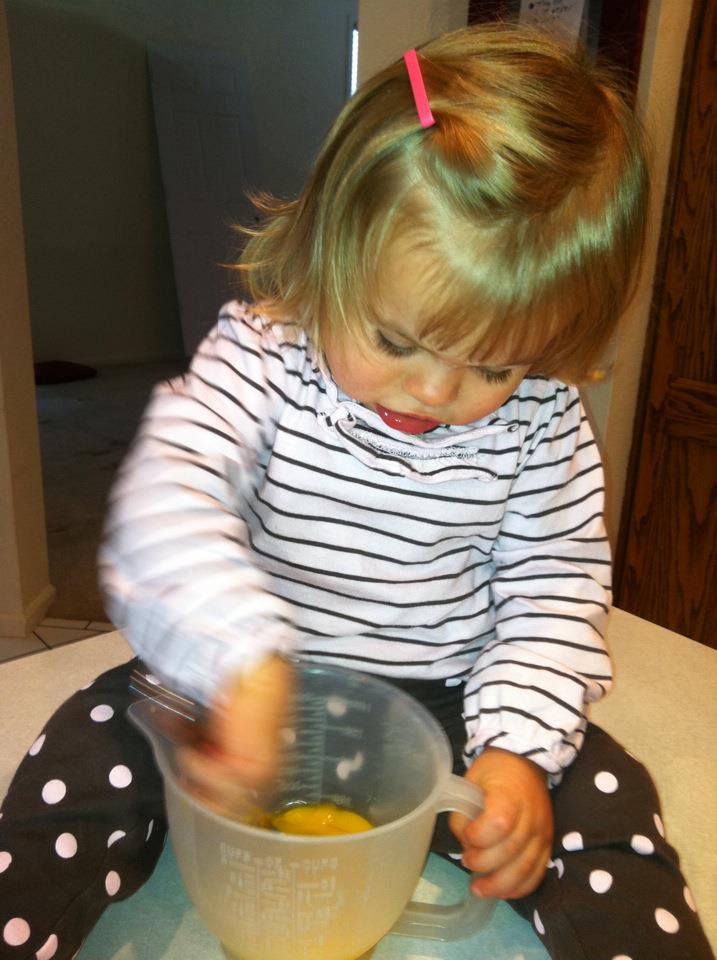
    Ashlynn not yet two years old making scrambled eggs with Grandma.
     

    302972_300090636673090_369283188_n


  • What exactly is CAS?

    What is Childhood Apraxia of Speech?

    Definition and characteristics

    Childhood Apraxia of Speech is a speech disorder that results from difficulty with programming, planning and sequencing the precise movements needed for clear speech.

    The American Speech/Language Hearing Association (ASHA), denotes three main characteristics that must be present for a diagnosis of CAS.

    • Inconsistent production on consonant and/or vowels in repeated productions of syllables and words.
      • An example of the word doggy for my daughter who has apraxia ended up being produced doddy, do-yee, daddy, da-yee.
    • Difficulty sequencing syllables and words of increasing complexity.
      • The child might be able to say “dada,” but when words or added like “my dada” the child might say ‘da-da-da.’
    • Errors with prosody
      • Prosody can include syllable stress, and kids with CAS might stress the first syllable in each word: BAnana instead of baNAna or may give equal stress to every syllable BA-NA-NA.
      • Can include difficulty with volume control.  This was definitely true with my daughter.  She could not be loud even when she tried in her younger toddler years.
      • May have prolonged sounds and prolonged pauses, possibly giving the child ad staccato sound to their voice

    Other soft signs that should be considered include:

    Speech

    • Vowel errors and/or reduced vowel inventory
      • May have a tendency to reduce vowels to the schwa (uh).  For example, buh-buh/bye bye.
    • Groping
      • The child’s mouth seems to make a lot of unnecessary movements while they “grope” for the correct placement
    • Loss of words or sounds that were previously produced
    • Consonant omissions in the initial position of words
    • May be more successful with automatic versus volitional speech
      • A child may say “mama” but then when asked to repeat “mah” may be unable to do so correctly
    • Limited babbling as a baby, or limited sound variation in their babbling
    • Typically comprehends much more than they can speak

     Non-speech

    • Oral apraxia (difficulty planning and executing non-speech oral motor movements
      • May have trouble blowing raspberries, puckering, sucking out of straw or blowing out a candle
    • General awkwardness or clumsiness
    • Limb apraxia
    • Low muscle tone

    Who diagnoses Childhood Apraxia of Speech?

    According to ASHA, a qualified Speech/Language Pathologist is the IDEAL professional to diagnose CAS.  However, diagnosis can be tricky, so you want to make sure you find an SLP who has experience and/or specializes in CAS.  Currently, CAS is both over-diagnosed and under-diagnosed, so don’t be afraid to ask questions to gauge your SLP’s experience and knowledge of it.  A good SLP will not mind being asked questions about their experience with CAS or answering questions related to it.

    The Childhood Apraxia of Speech Association of North America provides an advanced training for SLP’s who already have extensive experience in the disorder called the Childhood Apraxia of Speech Intensive Institute.   You can read more about my boot-camp experience here:

    What should therapy for CAS look like?

    There are many programs out there that say they are geared toward the treatment of CAS.  There is a growing body of evidence that the principles of motor learning affect the most change.  In short, you should be seeing:

    •    frequent repetitions of target sounds or words (mass practice)
    •    feedback that is specific.  The SLP should be giving them feedback such as “you’re lips were open, not closed,” rather than just “good job” “try again” or “that was great.”
    •    carefully chosen speech targets that take into account the child’s current phonetic repertoire and then practicing a variety of movement gestures (sound to sound, syllable to syllable, word to word) with these sounds.
    •    Cues – can be visual (SLP may pop her hand out for /p/) verbal (close your lips and use your humming sound), or tactile (SLP may use physical touch cues on the child like in PROMPT).

    For a great description on what parents should look for in CAS treatment, see my interview the executive director and founder of apraxia-kids.org Sharon Gretz.


    For a detailed description of DTTC, a therapy approach for apraxia, see my interview with Dr. Ruth Stoeckel from the Mayo Clinic.


    A note about the school-age population

    Since I have spent most of my 10 year career in the schools, I think it’s important to also address some symptoms SLP’s may see that vary slightly from toddler presentations.

    By the time a child with CAS reaches Kindergarten, an SLP may run into three scenarios:

    • The child who has almost resolved due to intense and appropriate early intervention
    • The child who is still struggling significantly with motor planning, and is very unintelligible.
    • The child is still essentially non-verbal

    In scenario one, a child’s speech may be highly intelligible, with only residual articulation errors evident like a lisp, or an /r/ distortion of substitution.  It’s important to review the file closely and see what prompted the initial diagnosis of CAS.  This is important, because children may have additional issues after the CAS is resolved.  With one particular 4th grader, his speech only contained persistent errors with three speech sounds; however, his sentence formulation, grammar and syntax remained very problematic.  What is syntax?  One element is to correctly sequence the words in a sentence.  If a child had difficulty with the planning and sequencing of sounds, it ‘s not far off to think he/she may also have difficulty sequencing words correctly in a sentence.  I treated him differently and used the principles of motor learning to guide his treatment, unlike my other kids with an expressive language delay that never had an apraxia diagnosis.

    Other issues may include: pragmatics, narrative language, and persistent prosodic errors.

    In scenario two, a child may be speaking but is highly unintelligible.  By this age, they might actually have a vast repertoire of sounds, and actually be able to produce most sounds correctly in isolation.  One year I had a five year old walk through my school door.  One day he took out an alphabet BINGO and proceeded to name all the letters and letter sounds correctly in isolation.  However, this kid could not string two sounds together or consistently.

    In scenario three, the child may still be essentially nonverbal.  Until the child can commit to a motor speech exam, meaning he can or will at least attempt to imitate a variety of sounds and movement gestures, a definitive diagnosis cannot yet be made.  Aside from using Assistive Technology which can eventually facilitate speech, I would recommend starting with a functional core vocabulary book you two can make together that includes highly motivating syllables or words the child can work toward using sounds in his current repertoire.  With one five year old I had, he could only produce bilabials (b,p,m) and and /n/.  We started with word and word approximations to help him be more successful:  i.e. 1. no 2. bah/ball 3. mah-mah/mama etc.  Then we drilled them using the principles of motor learning that included massive amounts of repetition, involving visual and verbal cues, using specific feedback.


    CAS is a complicated disorder that is many times over-diagnosed and under-diagnosed.  In addition, the treatment approach varies from other traditional speech sound disorders.

    For resources I recommend the apraxia-kids.org webiste.  There is a wealth of information for parents and professionals.

    To find  CASANA certified SLP’s see the professional friends directory on the apraxia-kids webiste.

    Laura Smith is a speech/language pathologist in the Denver Metro Area specializing in Childhood Apraxia of Speech.  CASANA recognized for advanced training and expertise in Childhood Apraxia of Speech, she splits her time between the public schools and the private sector.  She is dedicated to spreading CAS awareness.  Her passion is fueled by all of her clients, but especially her own daughter who was diagnosed with Childhood Apraxia of Speech.  For more information visit SLPMommyofApraxia.com

    CAS


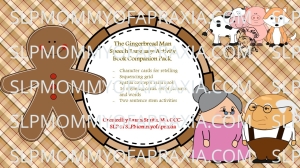
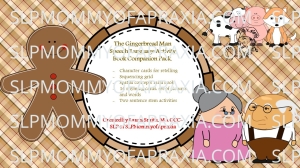
  • The Gingerbread Man Speech/Language Activity/Companion Pack

    The Gingerbread Man Speech/Language Activity/Companion Pack

    Slide1

    The Gingerbread Man is a classic story that all my kid’s love.  It is a repetitive style book, and as you know, I love using repetitive books in therapy!  The first page has some pictures to cut out and use while reading the story as props.  You can even glue them onto popsicle sticks if you’re so inclined!


    Slide3


    Next, if you’ve bought any of book companions, you know what a fan I am of sequencing activities.  This one contains one too with sequencing grid.

    Slide4


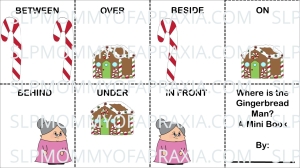
    The mini book in this unit works on “where” questions and teaching early spatial concepts.  The child glues the gingerbread men on a preceeding page in the correct places in the mini book.


    Slide6


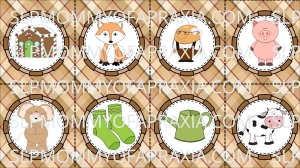
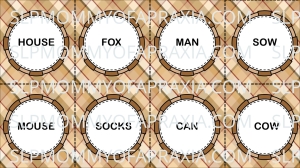
    The next four pages contain 8 sets of rhyming words in picture and written form for you kids to match or play with to work on early phonemic awareness skills.


    Slide7

    Slide8


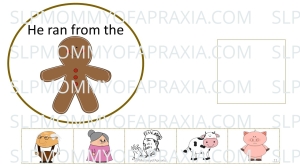
    The last two pages have sentence stem activities for repetitive practice for regular past tense and an irregular past tense verb using the story vocabulary.Slide12

    Slide11


    To get this activity, go to my TpT store!

  • There are no easy answers, only tough choices

    There are no easy answers, only tough choices

    image5-300x225

    I didn’t expect to cry today,  yet that’s how the cards fell.  I dropped Ashlynn off at school today, and asked her teacher if she had talked to the OT about changing her name card to all capitals per the private OT recommendation given in my last post .  Her face kinda dropped and she said she had talked to the OT, but she wanted to talk to the SPED teacher first, could we talk after school?

    Oh sure, I said.  Inside though, I felt that pit in my stomach.  They don’t agree with that.  I guess I’ll find out why in a couple of hours.

    I went back to school and the SPED teacher, teacher, and SLP were there.  The SLP kinda accidentally walked in, but I had her stay.  So basically in a nutshell, there are two theoretical professional recommendations for this issue.  The SPED and classroom teacher both have research to show that kids need to be writing their name in both upper and lower case because that will be the automatic expectation when they go to Kindergarten.  At a recent conference, the teacher said the one of the speakers pleaded that if they are still focusing on uppercase, to please at least expose them to lowercase because lowercase letters are what they will predominantly see in literacy.

    The OT’s position (and I ran this past the school OT too who agreed with my private OT) is that developmentally, uppercase letter formation comes before lowercase.  Basically, uppercase letters contain more pre-writing strokes like basic horizontal, vertical and diagonal straight lines that are still hard for Ashlynn to visually interpret and copy correctly.  It’s a problem with the praxis, or motor plan, not a problem with her perception.  So for example if she sees an M she can point to an M not a W, but when she goes to write it, it looks completely messed up.

    Hmm.  Sounds familiar.  Sounds like speech apraxia.  She understands what people say. She understands correct and incorrect production, but when she goes to say it, it’s all messed up.  Apraxia.  Yup.  Nothing new there.

    Back to the situation though.  The SLP voiced what I was thinking  She sees writing and literacy almost as two separate entities.  Why can’t she write in uppercase but still be taught and exposed to both?

    Well, they felt that writing reinforces reading and vice versa.

    Okay, but my kid could write her name almost legibly last Thanksgiving, and this Thanksgiving she can’t write it all. Her motor plan is completely confused. Don’t you guys see how concerning that must be to me?

    But we’ve gone half the year doing it this way, the teacher said.  I keep thinking it’s going to click.

    SPED teacher: Yes and again, don’t you want her to practice this early so she gets extra time with these skills?  She needs to be writing two sentences with correct punctuation, which includes capitalizing the first letter….by the end of Kindergarten.

    Insert lump in throat. I can’t talk.

    We just want to get her ready for Kindergarten.  That’s our job.

    Me: Lump still in throat.  “So, I’ve been told by experts in writing development that they must learn uppercase before lowercase.  I have personally seen the regression in writing her name.  I’m not talking about literacy.  I’m talking about writing, and, do you think, I mean, I hate to say this but

    this is hard for me to even say but

    Is it really realistic to think that Ashlynn will be able to learn 52 graphemes by the time she hits Kindergarten when it took her a year to consistently write 5, and now those are gone?

    Silence

    It kills me to say this.  I WANT to say that by having THREE years in Pre-K she would be Kindergarten ready, and now I have to say, out loud to you all, that writing both uppercase and lowercase letters is just not in the cards for her right now.  I hear your research and I appreciate it, but my daughter has GLOBAL apraxia.  Have any of you actually had a child with global apraxia?

    Crying. Nope, not one of them had.  Neither had I, until now.  Ashlynn is our guinea pig, but she’s MY daughter.  What do I do?

    The teacher folded slightly and said she was willing to do whatever I decided, but she did want it to be consistent across disciplines so that she gets the most bang for her buck.  We all kinda left with a question mark and promise to consult with various professionals and come back with our recommendations.

    I left and cried again.

    Such is my journey in GLOBAL apraxia.  When I asked them if they had ever had a student with global apraxia, they all had to admit they hadn’t.  I started thinking. I hadn’t either, except recently.  One out of my 6 kids with apraxia have it globally.  Most have other soft signs, but only one has it everywhere. The three I saw in the schools before Ashlynn only had verbal and some fine motor issues.

    Wow.  I guess since I’m part of a support group online, I don’t see it as rare as it really is.  This is rare.

    REALLY, REALLY RARE.

    Sucks.

    I spent the last 2 plus years thinking if we could resolve the speech, she would be ready for Kindergarten.  I’ve read many books.  Speaking of Apraxia is a popular book, but yeah…only dealing with CAS and SPD. Not global apraxia.

    My daughter fits into two columns: her can do’s, and her cannot’s.  My husband usually lives in the can do’s, and I live in the cannot’s.  Why?  I guess because I feel so crazy responsible for getting her from the cannot to the can, but then when I get to the can, I immediately give a sigh of relief and then go back to the cannot column to work on the next goal.

    It sucks, and today was low.  I had to admit out loud that I can’t remediate the cannot column, because that column contains more than speech.  It’s just too much.  To be honest, the speech was too much too, it’s just that I felt such responsibility and I went on an exhausting mission to specialize in it. However, I can’t specialize in it all.

    I’m vulnerable now.  I have to be a mom now, and I tell people all the time mom’s are the expert on their child, despite all the experts on the various disorders their child might have.  So, I’m taking my own advice, and it’s scary, because what if my decision negatively impacts her entire academic career.

    But, here we are.  Here we are, and I have decided, and I’ve felt all along, the experts in writing, the OT’s, know what they are talking about when it comes to writing, and Ashlynn needs to stick to upper case for writing.

    That said, she will continue to be exposed to both uppercase and lowercase letters, but to write…we have to stick with uppercase.

    I wish there was a cookbook.  Heck, I wish there was some credible info on GLOBAL apraxia.

    For now though, I have to trust my mommy instinct, and my mommy instinct say that although I wish to God…I would wish my life on this Earth that Ashlynn could learn like the other students and handle both upper and lower case; deep down, I know she can’t.  At least not yet.  I know I have to just stick with the uppercase until mastery, and then when she masters it, we’ll cross the lower case bridge when we get there.

    No one said life would be easy, only that it would be worth it, and she is worth it.  There are no easy answers, only tough choices, and today was very hard.

  • I’m never doing enough

    Since I’m an SLP, I’ve been in the meetings where we, as well meaning professionals, give our advice and tips.  Simple and easy tips that seem so easy, but when you have 4-5 people giving you these tips, the weight seems to get a little heavier.

    Such was the case tonight.  My grant finally ran out for my private OT and speech services that I was able to get starting at the beginning of the summer. So for the last OT session, I asked the OT to just kinda look at all the skills and give me an update.

    She immediately started in on handwriting to start.  Handwriting is probably her hardest area right now.  I didn’t want to admit it, but when we did our Thanksgiving craft, I thought she might have regressed.  Plus, private OT has been working more on gross motor skills and core strengthening, and we’ve seen some big growth.  She can finally pedal her big wheel the span of three houses and back, and is able to sit on the carpet in school during circle time without any special seating or weighted blankets.   That doesn’t mean her core is better though.  I observed her in class on her birthday, and by the end of circle time, she was practically mush melting into the floor.

    However, there were improvements….and this is good.

    Back to handwriting though. Long story short, we haven’t been focusing on handwriting.  As she had Ashlynn write her name, the struggle was apparent.  Since I have also worked with this OT, I know her “hmms” and “ok’s.”  They meant Ashlynn was NOT doing OK and she had concerns.  I waited.

    “Have you seen regression in her handwriting?

    Me: Groping for words

    “I just say this because I hadn’t been focusing on handwriting because the school was.  They are right?  Focusing on her handwriting?”

    I was launched back to her IEP meeting.  I remember the teacher saying the kids write their names with the Uppercase AND lowercase letters, and then she looked at the OT and mentioned they could chat since OT’s typically don’t want the kiddos writing in lowercase.

    That was the end of it.  Ever since then, I’ve noticed Ashlynn traces her name everyday, and that papers come home with her tracing her name after someone had highlighted it first.

    I kinda stuttered.  Well, I know they have really been working on drawing a person and getting all the body parts.  I proudly showed her a sample, and the OT admitted it looked good.

    Her name though.  Her name.  Damnit.  I don’t want to admit I saw regression too and now I realize it might have had to do with changing from uppercase to lowercase before she had even mastered uppercase.

    I asked if she recommended staying in uppercase and she said yes.  That would be best, because we’re going to have a situation where she won’t be able to do either.

    Stupid apraxia.  Stupid apraxia.  Stupid APRAXIA.  sigh.

    She works so hard too.  My poor baby. She knows it’s tough, and yet I see her march on.  She tried to smile, act cute, and divert attention, but the OT made her write all those letters….and it was hard, yet she smiled through it all.  Knowing she wasn’t writing them correctly.  She always tries so damn hard.

    I applied for more funding.  I don’t know how we can afford private speech and OT, but I know she needs it, so we’ll find a way.

    You know what’s so hard, is this same OT that is seeing her is my friend and colleague from my old school district.  Before she knew Ashlynn I would talk to her about her issues, and not knowing Ashlynn, she would always say she was sure school OT was enough and that I was probably overreacting.  Assuring me not to worry.  But  then today, the last session until I get funding, her brow was furrowed and she said, “oh I just didn’t have enough time with her.”  It killed me to hear, because it means she sees professionally what I have seen all along.  Ashlynn needs so much help.  As she left, she told me maybe we could plan a playdate over break.  I eagerly agreed and then she offered a freebie therapy session.  She’s such a good friend and I appreciate her charity, but again, it let me know just how serious this is.

    Yay apraxia.  Yay GLOBAL apraxia.

    As I went to help get Ashlylnn ready for bed, I found myself pulling patience from the depths of me because I know she needs it.  She can’t yet take off or put on her shirt.  She’s five.  I think I mentioned in a prior blogpost my son who is 2 takes it off no problem. That’s hard.  It hurts.

    Then, the things she can do, like putting on her pants or socks take a very long time.  Tonight her pajamas had buttons.  I sat on the floor waiting for her to try, and try she did.  It took her 10 minutes to button three buttons, but she never gave up.  Think about that.  10 minutes doesn’t sound like a long time, but just to button three buttons?!?

    Tick tock, tick tock.

    I have to wait though.  I can’t do it for her anymore.  She will never learn that way.  I have to sit there, even though I desperately just want to veg out and not think about her speech, her writing, her drawing, her pedaling, her drawing a person, her feeding herself, dressing herself, oh and I didn’t even mention the letters and letter sounds we work on every night I can.

    And she always comes through. My nerves were frazzled and my husband emerged from her room and said she told him that she buttoned the three buttons by herself but mommy “did this one” (the last one).  She was so proud.

    Like I said, the weight is sometimes overwhelming.  There is so much to do, and when I focus on one thing, it seems we have lost in another.  All I can do is keep on keeping on.  I’ll take my cue from Ashlynn.  That’s what she does and I love her for it.  I just hope I can be the mom she deserves to have.


    c1bb0206e5db5bcbe29d3e262b064a18

  • Speech with simple magnet clips


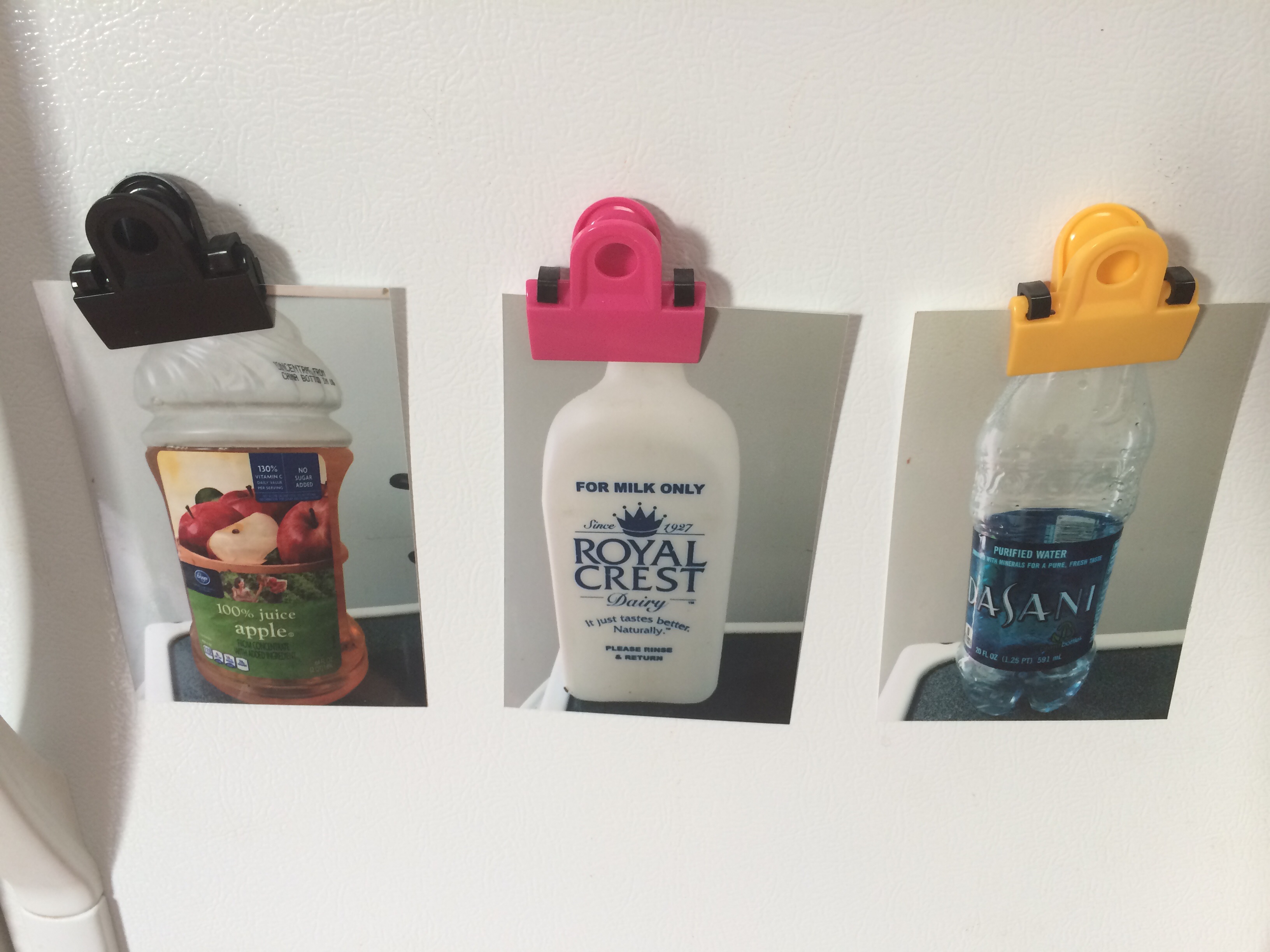
    If your child has a speech delay, your SLP will most likely tell you that you need to create opportunities so your child HAS to communicate to you what he/she wants.

    I found these cheap magnet clips for the fridge at the dollar store!  You can take pictures of items in your fridge, and then clip them to the outside.  Depending on your child’s level, you can have them hand you the picture (don’t just let them point!), or try to vocalize what they want.  These are pictures  I had made for my daughter when she was nonverbal.

    image


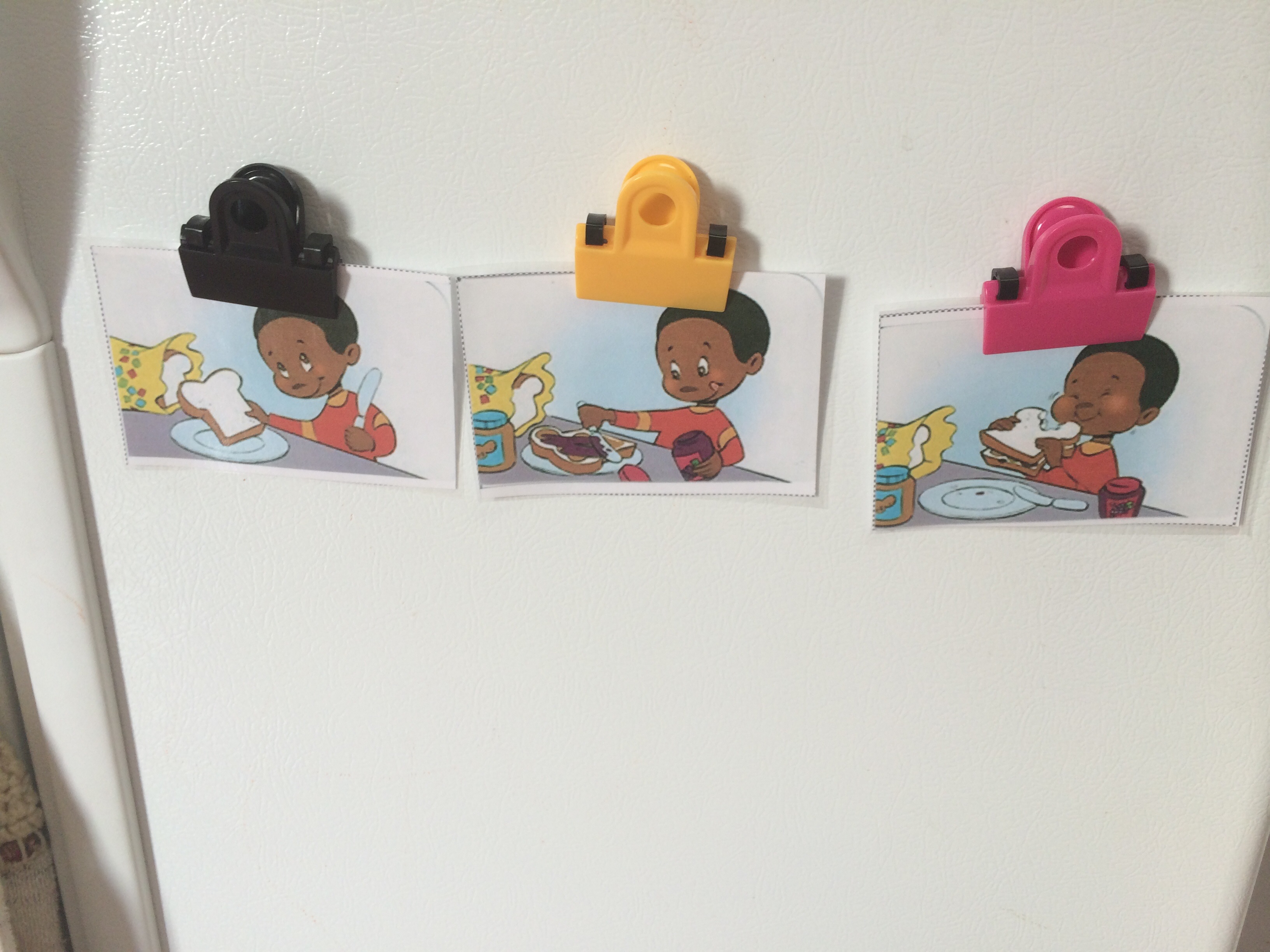
    Now that my daughter is 5, we are still dealing with residual language issues.  This includes sequencing basic picture cards.  She loves the magnets to easily rearrange the pictures on the fridge!


    imageimage

    The possibilities won’t end here!  I plan to use these again for when she starts decoding words and spelling with letters!